
best SEO content workflow platforms for 2026 | Last updated: September 23, 2026 | By the Keywordly Editorial Team | 10 platforms tested
TL;DR: The Best SEO Content Workflow Platforms for 2026
Choosing the right SEO content workflow platform depends on how much of your research-to-publish loop you want automated. The table below summarizes our top 10 picks based on hands-on testing, pricing research, and feature depth.
| Rank | Tool | Best For | Starting Price | Rating |
|---|---|---|---|---|
| 1 | Keywordly | All-in-one AI SEO workflow (research to AI visibility) | $14/month | 9.6/10 |
| 2 | Surfer SEO | Real-time on-page optimization | $99/month | 8.9/10 |
| 3 | Clearscope | Editorial teams needing clean scoring | $129/month | 8.8/10 |
| 4 | Frase | Research-to-draft workflows | $49/month | 8.6/10 |
| 5 | MarketMuse | Site-wide content strategy and topic authority | $149/month | 8.4/10 |
| 6 | NeuronWriter | Budget-conscious solo SEOs | $23/month | 8.3/10 |
| 7 | Semrush | Teams wanting SEO data plus content tools | $139.95/month | 8.2/10 |
| 8 | Jasper | Enterprise brand voice at scale | $59/seat/month | 8.0/10 |
| 9 | AirOps | Custom no-code content automation pipelines | $199/month | 7.8/10 |
| 10 | Byword | High-volume programmatic article generation | $99/month | 7.5/10 |
Our top pick is Keywordly, which connects keyword research, clustering, content generation, optimization, and AI visibility tracking in a single, affordable workflow.
Why You Need an SEO Content Workflow Platform in 2026
Most content teams juggle keyword research in one tool, writing in another, optimization in a third, and performance tracking in a fourth. Each handoff introduces delays and inconsistencies. An SEO content workflow platform consolidates this into one connected system.
The biggest shift in 2025-2026 is AI search visibility. The best platforms now track how often your content gets cited in ChatGPT, Perplexity, and Google’s AI Overviews alongside traditional rankings. Your content needs to rank well in Google and get picked up by AI answer engines. The platforms that matter most handle both. For supporting market data, see Best AI Marketing Tools for 2026 (Full Guide).
How We Evaluated These SEO Content Workflow Platforms
| Criteria | Weight | What We Looked At |
|---|---|---|
| Workflow Coverage | 25% | Research, drafting, optimization, publishing, and monitoring in one place |
| AI Search Visibility | 20% | Tracking and optimizing for ChatGPT, Perplexity, and AI Overviews |
| Content Quality Controls | 20% | NLP scoring, brief accuracy, plagiarism and fact-checking |
| Ease of Use | 15% | Learning curve, onboarding time, UI clarity |
| Pricing Transparency | 10% | Published pricing versus custom quotes |
| Integrations | 10% | CMS, Google Docs, WordPress, and Search Console support |
For industry-standard evaluation frameworks, see Employee Testing, Pre-Employment Testing | Criteria.
1. Keywordly: Best for All-in-One AI SEO Workflow Automation
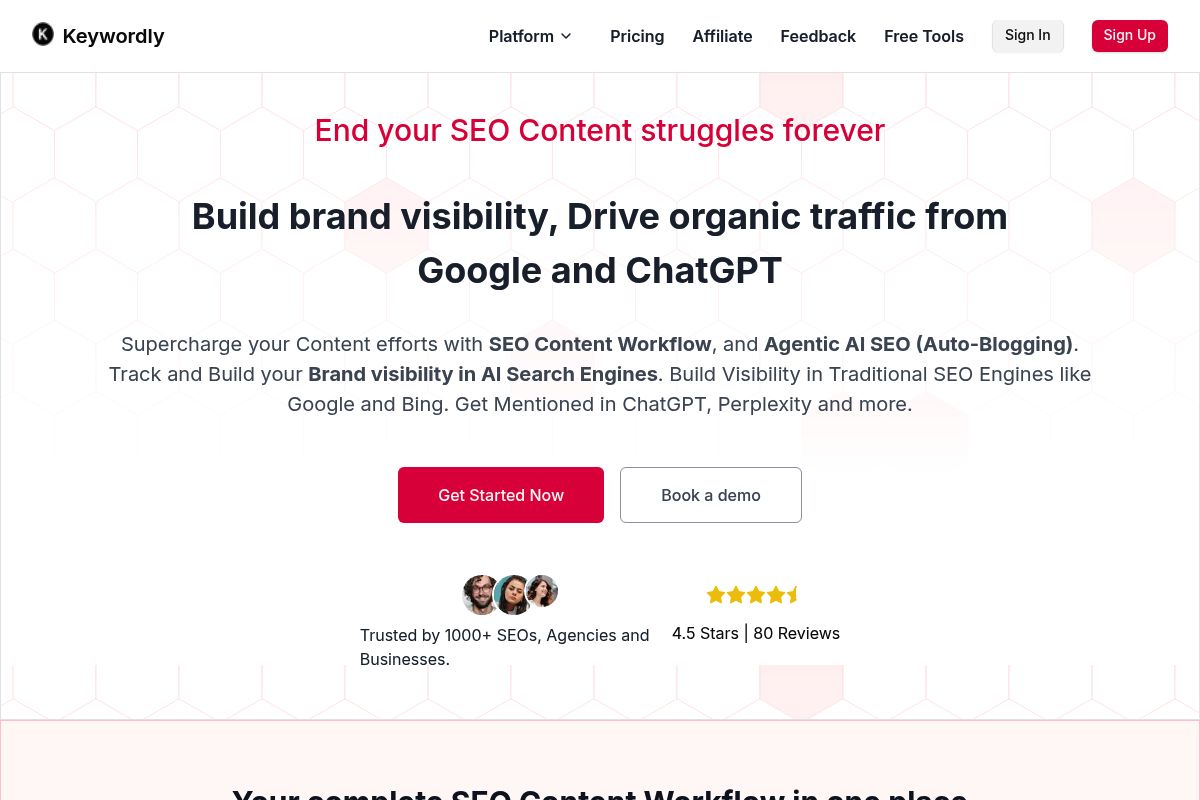
Keywordly is an all-in-one SEO content workflow platform that handles keyword research, clustering, content generation, optimization, and auditing within a single interface. It focuses on both traditional search rankings and AI visibility tracking.
Key Features
- Comprehensive Keyword Discovery: Uncover keywords from Google’s People Also Ask, Reddit, Quora, and Amazon, with competitor insights and long-tail extraction.
- Intelligent Clustering: NLP-driven clustering eliminates keyword cannibalization and organizes keywords into strategic topical clusters.
- AI-Powered Content Creation: Generates SEO-optimized, structured content from topical maps through full articles with semantic relevance.
- AI Visibility Tracking: Monitors how content performs across ChatGPT, Perplexity, and Google AI Overviews alongside traditional rankings.
- Seamless Publishing: Direct integrations with Ghost and WordPress for one-click publishing.
Best For
SEO professionals, content marketers, agencies, and website owners who want to simplify SEO without juggling separate tools. Particularly strong for lean teams needing budget-friendly entry pricing.
Pros and Cons
- Pro: Combines keyword research through AI visibility tracking in a single workflow.
- Pro: Affordable entry pricing accessible to solo creators and small agencies.
- Pro: Active product roadmap that evolves with AI search changes.
- Con: Lower-tier plans have limited credit allowances.
- Con: International keyword coverage still expanding.
Rating: 9.6/10
2. Surfer SEO: Best for Real-Time On-Page Optimization
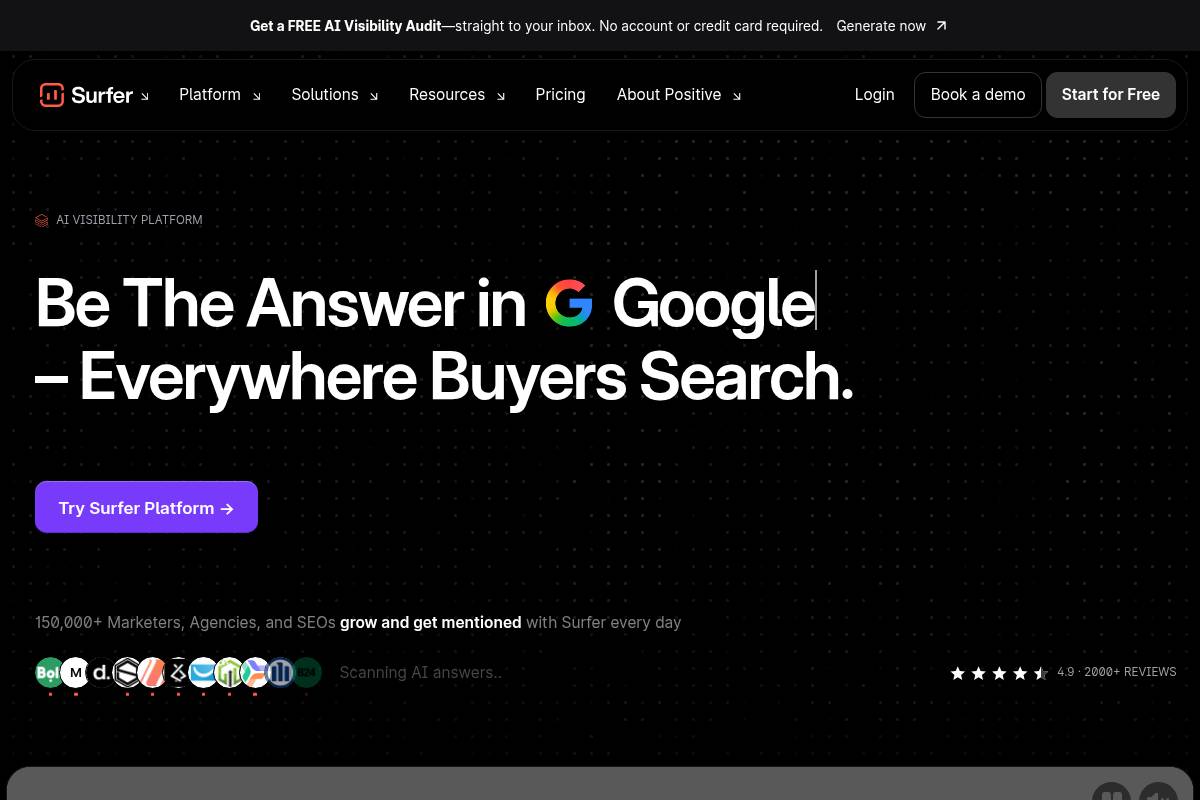
Surfer SEO is a content optimization platform that scores drafts in real time using NLP-based analysis against top-ranking pages, providing instant feedback as you write.
Key Features
- Content Editor with Live Scoring: Real-time keyword and structure suggestions as you write.
- Built-In AI Writing: AI-assisted drafting integrated into the editor.
- SERP Analyzer: Reverse-engineers ranking factors from top competitors.
- Audit Tool: Identifies optimization gaps in existing content.
Best For
Content teams and agencies producing high volumes of articles needing fast optimization scores. Plans start at $99/month.
Pros and Cons
- Pro: Fast, intuitive scoring interface that speeds up editing.
- Pro: Strong AI writing integration.
- Con: Keyword frequency matching can encourage over-optimization.
- Con: Limited keyword research and backlink analysis.
Rating: 8.9/10
3. Clearscope: Best for Editorial Teams Needing Clean Scoring
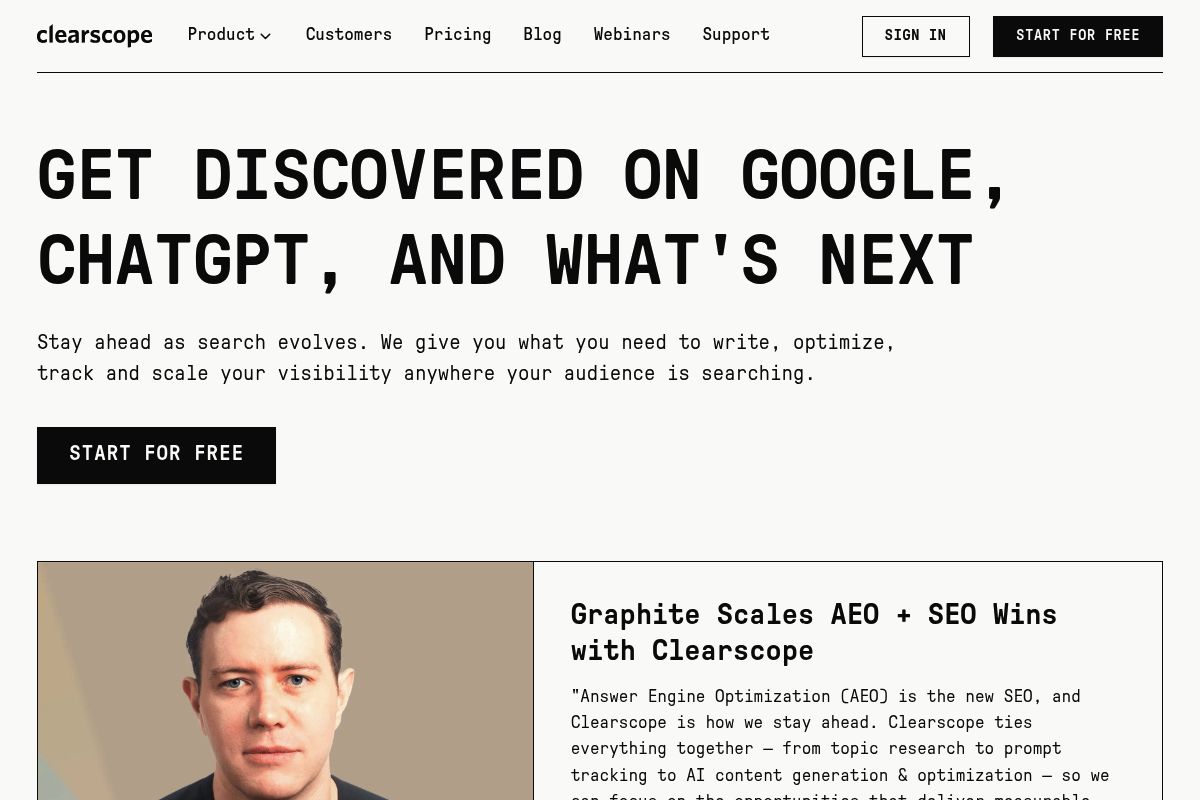
Clearscope provides term recommendations from top-ranking pages with a clean, easy-to-read interface that makes recommendations feel actionable.
Key Features
- Content Reports and Grading: Scores drafts with a simple letter-grade system.
- AI Content Monitoring: Tracks visibility across ChatGPT, Perplexity, Gemini, Google AI Mode, and Google AI Overview.
- Draft with AI: AI-assisted drafting integrated into the editor.
- Integrations: Google Docs, WordPress, and Microsoft Word support.
Best For
Enterprise and agency content teams prioritizing editorial polish. Plans start at $129/month.
Pros and Cons
- Pro: Clean, easy-to-read reports for non-technical writers.
- Pro: Reliable AI-visibility monitoring across five engines.
- Con: Premium pricing compared to alternatives.
- Con: Limited standalone keyword research or backlink functionality.
Rating: 8.8/10
4. Frase: Best for Research-to-Draft Workflows

Frase streamlines content from research and drafting through publishing and optimization. It pulls and summarizes top-ranking content automatically to speed up briefs.
Key Features
- AI Research Summaries: Automatically pulls and summarizes top-ranking content.
- SEO and GEO Scoring: Scores content for traditional search and AI-search readiness.
- AI-Visibility Monitoring: Tracks performance inside AI answer engines.
- Collaborative Editor: Built for teams moving from outline to published draft.
Best For
Solo writers and small content teams seeking an affordable, connected research-to-publish workflow. Plans start at $49/month.
Pros and Cons
- Pro: Strong value for research-to-draft speed.
- Pro: Scales from solo bloggers to larger teams.
- Con: Less keyword and backlink depth than dedicated SEO suites.
- Con: AI-generated drafts need human editing for nuance and accuracy.
Rating: 8.6/10
5. MarketMuse: Best for Site-Wide Content Strategy
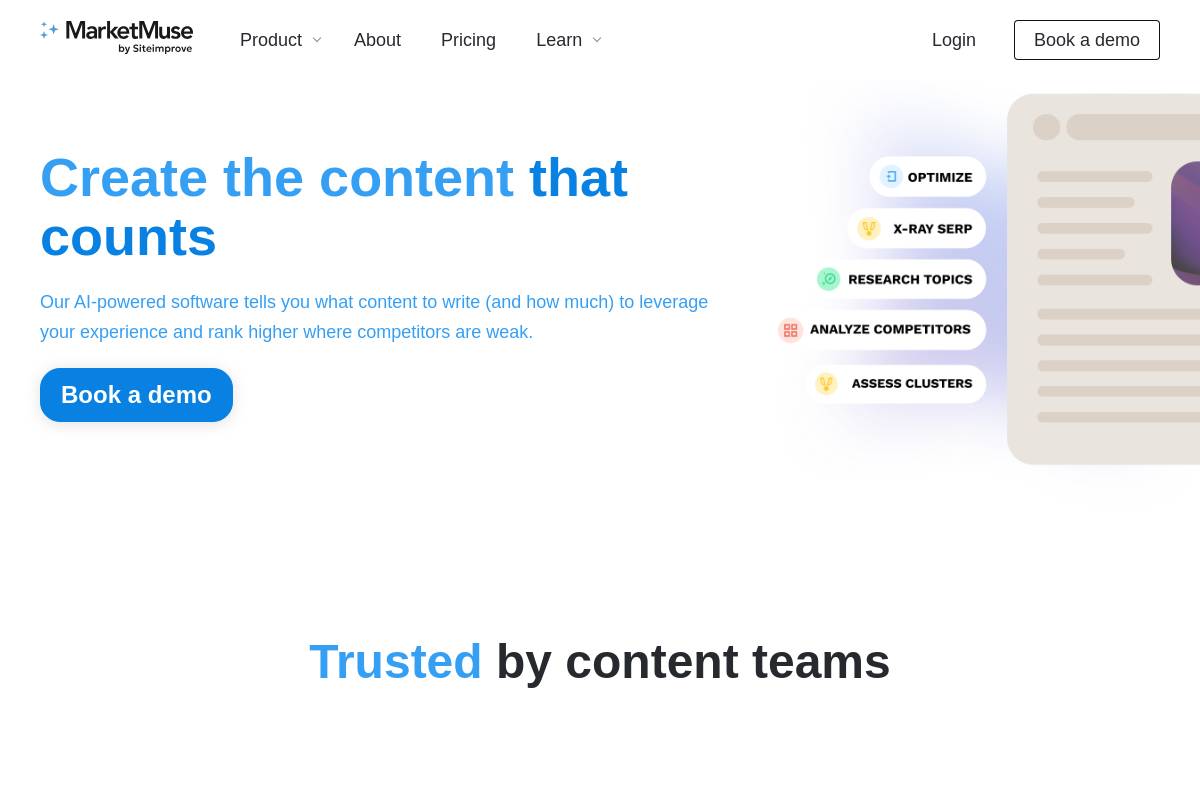
MarketMuse crawls entire websites, mapping topical authority and identifying critical content gaps. It functions as a strategic tool for building site-wide authority rather than per-article optimization.
Key Features
- Site-Wide Content Audits: Identifies topical authority and highlights content gaps.
- Topic Clusters: Organizes content into pillar and cluster structures.
- Content Briefs and Editor: Creates detailed briefs and scores drafts based on competitive benchmarks.
- Free Tier Access: Allows evaluation before paid subscription.
Best For
Larger websites managing over 100 articles requiring strategic gap analysis and topical authority building. Pricing ranges from $149 to $399/month.
Pros and Cons
- Pro: Unmatched depth for topical authority mapping at scale.
- Pro: Free tier allows testing before commitment.
- Con: Higher pricing, especially for larger teams.
- Con: Steeper learning curve than simpler optimization tools.
Rating: 8.4/10
6. NeuronWriter: Best for Budget-Conscious Solo SEOs
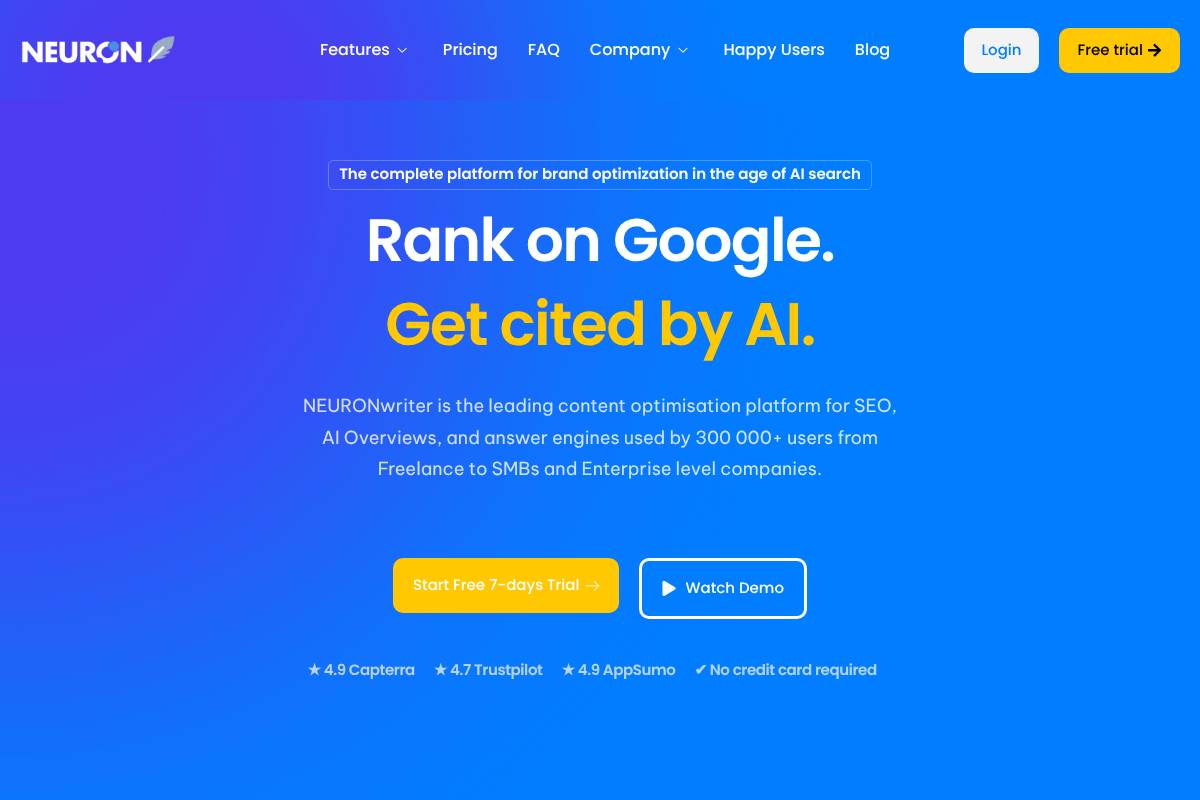
NeuronWriter is a cloud-based content optimization platform using NLP and real-time SERP analysis to score content against top-ranking pages, providing briefs and an integrated AI writing assistant.
Key Features
- Content Score and NLP Analysis: Scores content against top-ranking pages using semantic analysis.
- SERP Analysis: Real-time competitor benchmarking for any keyword.
- GSC and CMS Integrations: Google Search Console, WordPress, and Shopify support on higher tiers.
- AI Writing Credits: Included credits for drafting within the editor.
Best For
Freelancers, bloggers, and small agencies seeking Surfer-style optimization at a fraction of the price. Plans range from $23/month to $117/month, with a free tier available.
Pros and Cons
- Pro: Excellent price-to-feature ratio for solo users and small teams.
- Pro: Free tier and history of lifetime deals make it low-risk to try.
- Con: User interface may have a learning curve.
- Con: Smaller, bootstrapped operation may show slower feature development.
Rating: 8.3/10
7. Semrush: Best for Teams Wanting SEO Data Plus Content Tools
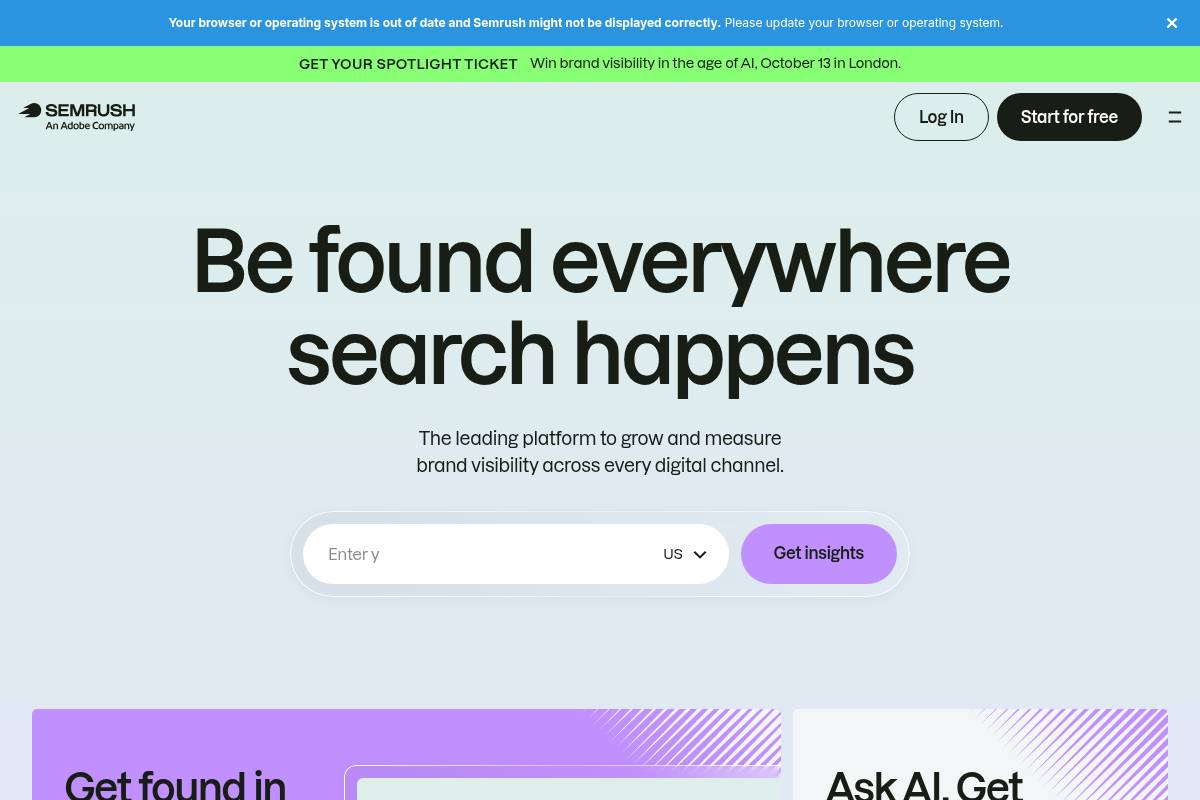
Semrush is a comprehensive enterprise SEO platform integrating keyword research, backlink analysis, site audits, and content optimization within a single subscription, including an AI Visibility module.
Key Features
- Massive Keyword Database: 26.2 billion keyword database covering organic, paid, and display research.
- AI Visibility Module: Tracks brand mentions across ChatGPT, Google AI Mode, Perplexity, and AI Overviews.
- ContentShake AI: Built-in content generation and optimization tool.
- Site Audit and Rank Tracking: Comprehensive site audit, backlink analytics, and position tracking.
Best For
Teams seeking extensive SEO data combined with content tools. Plans start at $139.95/month for the Pro tier.
Pros and Cons
- Pro: Most complete traditional SEO data set in one subscription.
- Pro: Growing AI visibility capabilities.
- Con: Content optimization features are secondary to core SEO data.
- Con: Higher price point than dedicated content-only platforms.
Rating: 8.2/10
8. Jasper: Best for Enterprise Brand Voice at Scale
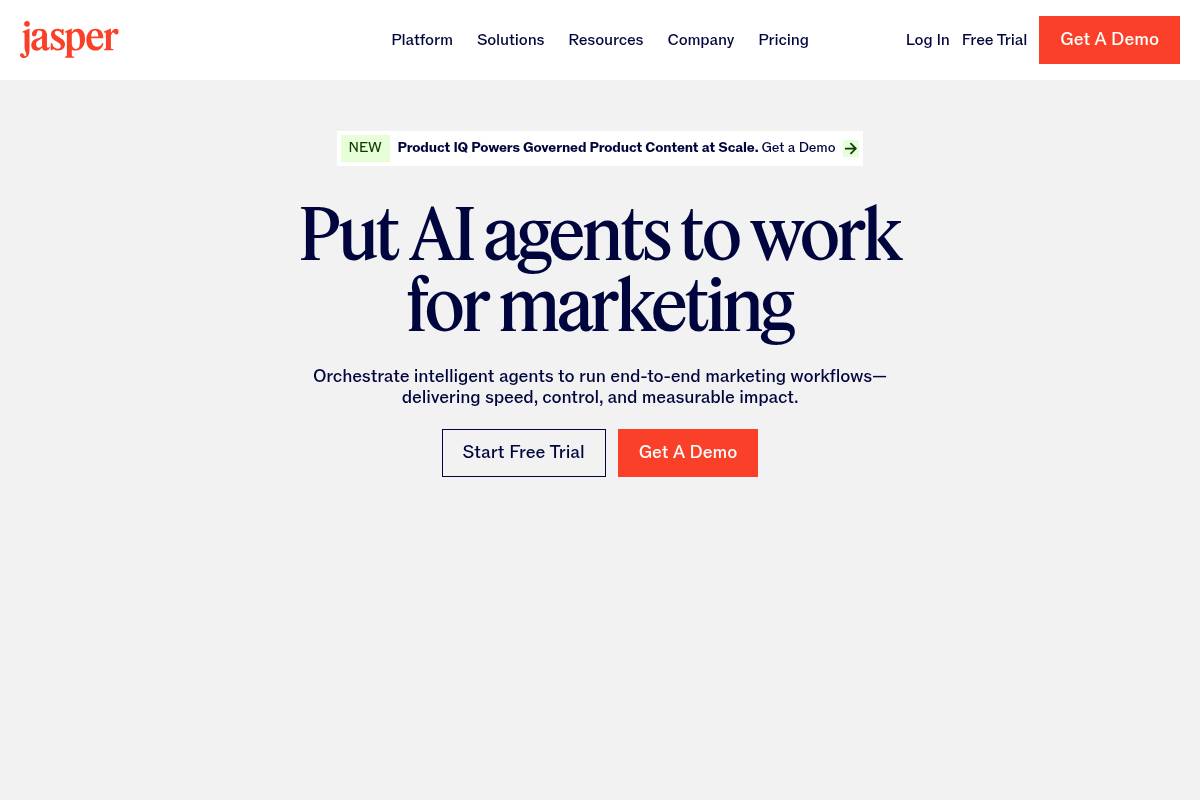
Jasper is an enterprise AI writing platform focused on brand voice consistency and campaign orchestration, centralizing creative assets and institutional knowledge for multi-channel content.
Key Features
- Brand Voice and Knowledge Assets: Unlimited Brand Voices and Knowledge asset repositories on higher tiers.
- Canvas Editor: Integrated editor for creating on-brand long-form content.
- Marketing Agents: Pre-built AI agents streamline recurring workflows.
- SEO Integration: Higher word limits, collaboration tools, and integrations with tools like Surfer SEO.
Best For
Marketing teams and enterprises managing multiple brand voices across channels. Pro plan at $69/month (or $59/month annually) for solo marketers; custom Business pricing for larger teams.
Pros and Cons
- Pro: Strong brand consistency controls across large teams.
- Pro: Broad integration ecosystem including SEO tools.
- Con: Not purpose-built for SEO scoring or SERP optimization.
- Con: Seat-based pricing becomes expensive for growing teams.
Rating: 8.0/10
9. AirOps: Best for Custom No-Code Content Automation Pipelines
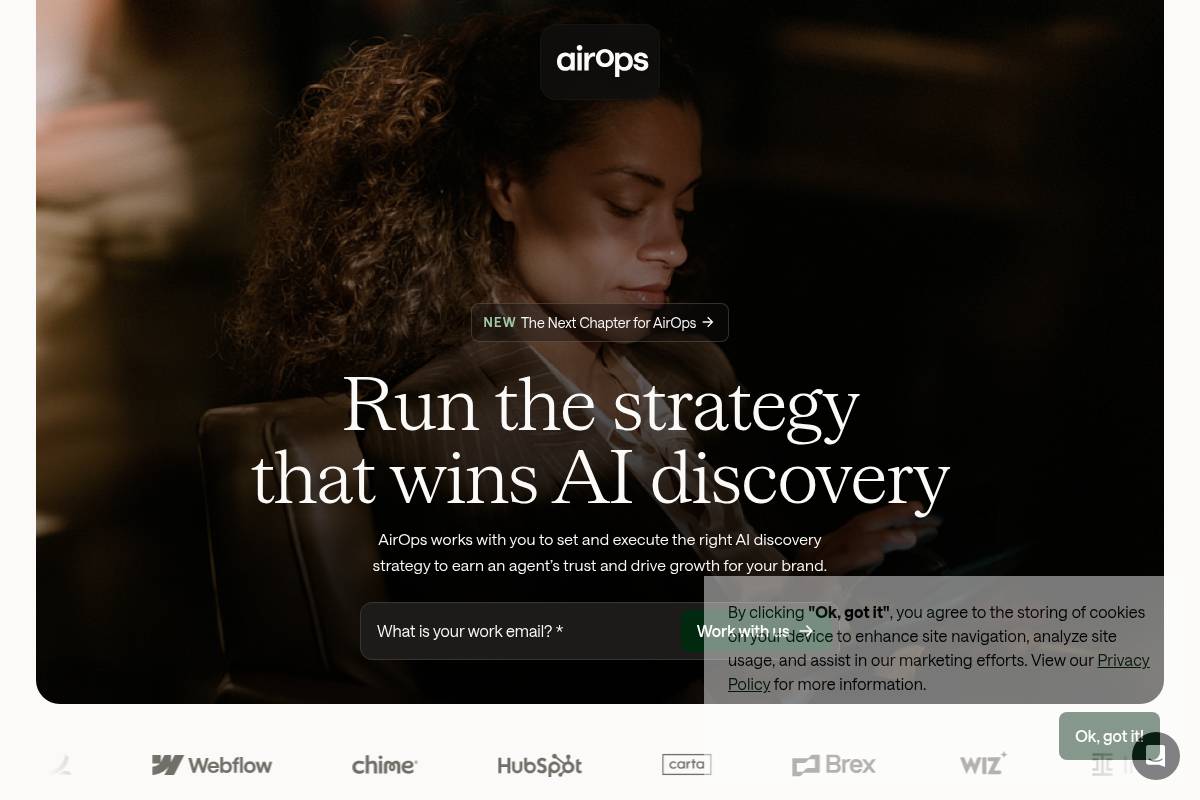
AirOps is a no-code AI workflow platform that enables creation of repeatable, multi-step pipelines for content research, drafting, optimization, and publishing.
Key Features
- Drag-and-Drop Workflow Builder: Chain together keyword research, competitor scraping, AI drafting, internal linking, and meta tag generation.
- Brand Kit: Ensures consistent voice across high-volume output.
- CMS Integrations: Direct connections with WordPress, Webflow, and Shopify.
- AI Search Insights: Gathers SEO and AI-search performance data.
Best For
Established content and SEO teams with a dedicated operations specialist and proven editorial process. Solo plan at $199/month; Pro plan at $1,999/month.
Pros and Cons
- Pro: Powerful custom workflow builder for complex content pipelines.
- Pro: Deep CMS integrations and AI model support.
- Con: Initial setup takes weeks and requires human review.
- Con: Task-based billing introduces unpredictability for new users.
Rating: 7.8/10
10. Byword: Best for High-Volume Programmatic Article Generation

Byword is designed for high-volume programmatic article generation from keyword lists, with SERP analysis and scheduled publishing to connected CMS destinations.
Key Features
- Batch Generation: Generates 1,500-2,500 word articles in minutes from keywords.
- Programmatic Builder: Analyzes existing content to suggest new articles that fill topical gaps.
- Autopilot Publishing: Bulk generation and direct WordPress publishing with custom AI training.
- Multi-Language Support: Content generation in 47 languages.
Best For
Agencies and niche-site builders requiring high-volume output. Plans: Starter at $99/month (25 articles), Standard at $299/month (80 articles), Scale at $999/month (300 articles).
Pros and Cons
- Pro: Fast batch generation for programmatic SEO campaigns.
- Pro: Broad language support for international programs.
- Con: AI-generated articles still require human editing for accuracy and brand alignment.
- Con: Article-based pricing caps output regardless of plan tier.
Rating: 7.5/10
Full Comparison: Best SEO Content Workflow Platforms for 2026
| Tool | Keyword Research | Content Editor | AI Visibility Tracking | Auto-Publishing | Free Tier |
|---|---|---|---|---|---|
| Keywordly | ✓ | ✓ | ✓ | ✓ | ✓ |
| Surfer SEO | ✓ | ✓ | ✗ | ✗ | ✗ |
| Clearscope | ✗ | ✓ | ✓ | ✗ | ✗ |
| Frase | ✓ | ✓ | ✓ | ✓ | ✗ |
| MarketMuse | ✓ | ✓ | ✗ | ✗ | ✓ |
| NeuronWriter | ✓ | ✓ | ✗ | ✓ | ✓ |
| Semrush | ✓ | ✓ | ✓ | ✗ | ✗ |
| Jasper | ✗ | ✓ | ✗ | ✗ | ✗ |
| AirOps | ✓ | ✓ | ✓ | ✓ | ✓ |
| Byword | ✗ | ✓ | ✗ | ✓ | ✓ |
How to Choose the Best SEO Content Workflow Platform for 2026
By Team Size
Solo bloggers and freelancers do best with Keywordly or NeuronWriter for affordable entry pricing. Mid-size agencies benefit from Keywordly, Surfer SEO, or Frase. Large enterprises may need AirOps or Jasper for governance and custom pipelines.
By Budget
Under $50/month: NeuronWriter, Frase, and Keywordly. $100-200/month: Surfer SEO, Clearscope, and MarketMuse. Above $200/month: Enterprise governance (Jasper Business) or custom automation (AirOps Pro).
By Use Case
For AI-search visibility: Keywordly, Clearscope, Semrush, and Frase. For site-wide topical authority: MarketMuse. For bulk programmatic content: Byword and AirOps. For additional buying guidance, see 15 Best Content Automation Tools in 2026 – Slate.
What Is an SEO Content Workflow Platform?
An SEO content workflow platform unifies keyword research, content briefs, drafting, optimization, publishing, and monitoring into a single connected system. Strong platforms connect research through publishing so each step feeds the next, while tracking both traditional search rankings and AI search visibility. For a more detailed primer, see Adiposity as compared with physical activity in predicting ….
| Metric | What It Measures | Why It Matters |
|---|---|---|
| Content Score | How well a draft matches top-ranking pages semantically | Predicts likelihood of ranking competitively |
| AI Citation Rate | How often content is cited by ChatGPT, Perplexity, or AI Overviews | Reflects visibility beyond traditional blue links |
| Time-to-Publish | Hours from keyword to live article | Indicates workflow efficiency and production velocity |
| Topical Coverage | Breadth of subtopics addressed within a content cluster | Signals topical authority to search engines |
Conclusion: Which SEO Content Workflow Platform Should You Choose?
Keywordly earns the top spot for combining keyword research, clustering, content generation, optimization, and AI visibility tracking into one affordable workflow that evolves with search. For specialized needs: Surfer SEO and Clearscope excel at content scoring, MarketMuse at site-wide strategy, and AirOps or Byword at custom automation or bulk output. Choose based on your team size, budget, and which part of the content workflow is slowing you down.
Frequently Asked Questions
What are the best SEO content workflow platforms for 2026?
Top picks are Keywordly, Surfer SEO, Clearscope, Frase, and MarketMuse, each excelling at different parts of the research-to-publish workflow.
What is the difference between an SEO tool and an SEO content workflow platform?
An SEO tool handles one job well, like keyword research. A content workflow platform covers the full lifecycle from research through drafting, publishing, optimization, and monitoring in one connected workspace.
Which platform is best for tracking AI search visibility like ChatGPT and Perplexity?
Keywordly, Clearscope, Semrush, and Frase all include AI visibility tracking. Clearscope monitors five engines: ChatGPT, Perplexity, Gemini, Google AI Mode, and Google AI Overview.
Is Keywordly better than Surfer SEO?
Keywordly covers a wider workflow including keyword discovery, clustering, content generation, and AI visibility at a lower entry price ($14/month). Surfer SEO is stronger for real-time on-page optimization alone.
How much do SEO content workflow platforms cost in 2026?
Budget options like NeuronWriter and Keywordly start under $25/month. Mid-tier tools like Surfer SEO and Frase run $49-$99/month. Enterprise platforms like Jasper Business or AirOps Pro can run thousands per month.
Can these platforms replace a full SEO agency?
These platforms automate research, drafting, and optimization, but teams still benefit from human strategy and editing. High-quality content benefits from human review.
Do SEO content workflow platforms work for small businesses and solo bloggers?
Yes. Keywordly, NeuronWriter, and Frase scale down to single users with affordable entry tiers and free trials.
What features should I prioritize when choosing an SEO content workflow platform?
Prioritize workflow coverage (research through publishing), AI-search visibility tracking, content quality scoring, ease of use, and CMS integrations, as these most affect long-term production speed and ranking outcomes.
Methodology: Rankings are based on independent research into publicly available pricing pages, product documentation, and third-party reviews as of September 2026. Ratings reflect a weighted average across workflow coverage, AI search visibility, content quality controls, ease of use, pricing transparency, and integrations. Pricing is subject to change; always verify current plans directly on each vendor’s website before purchasing.