
Introduction
Competing for top search positions has never been more challenging, especially as Google’s algorithms continue to evolve and user expectations grow. Businesses, from established digital agencies to solo content creators, all face mounting pressure to not only attract traffic but to convert that traffic into tangible growth. Success hinges on leveraging effective strategies paired with the right technology to streamline the process.
The difference between a website that sees sustained, organic growth and one that lingers deep in the search pages often comes down to how efficiently it utilizes modern SEO tools. Platforms like SEMrush, Ahrefs, and Moz are transforming the playing field by making in-depth keyword research, site auditing, and competitor analysis accessible and actionable. For instance, companies such as Backlinko leveraged Ahrefs to discover backlink opportunities, resulting in a 110% increase in organic traffic within six months.
Comprehensive SEO tools provide far more than surface-level data—they help uncover missed optimization opportunities that drive measurable growth. Technical audits, for example, pinpoint crawl errors and mobile usability issues that could suppress rankings. Advanced backlink analysis equips agencies to reverse-engineer the strategies of the top-performers and secure high-authority links, which, in the case of Neil Patel Digital, increased their domain rating from 70 to 82 after targeting strategic domains in their niche.
This guide covers expert SEO tools and platforms every practitioner should know, from technical analysis to content optimization workflow. Understanding these advantages helps content creators, marketing teams, and agencies make smarter choices—empowering them to dominate even the most competitive niches with data-driven insight.
What Are SEO Tools, Best SEO Tools, SEO Software, and SEO Analysis Tools?
Understanding the distinctions between SEO tools, software, and analysis platforms is critical for anyone aiming to boost their website’s performance in search engines. These tools help automate complex processes, uncover growth opportunities, and diagnose issues that may impede ranking potential.
SEO tools such as Ahrefs, Semrush, and Moz provide multifaceted capabilities including keyword research, content audits, and backlink analysis. For instance, ahrefs’ Site Explorer is widely recognized for its robust backlink database, allowing brands like Shopify to routinely analyze their link profiles and improve off-site SEO strategies.
The list of best SEO tools for 2025 highlights solutions like Google Search Console for technical insights, Screaming Frog for site crawling, and Ubersuggest for keyword suggestions. These platforms incorporate multiple functionalities such as rank tracking and competitor monitoring under one dashboard, thereby streamlining SEO workflows for agencies and large enterprises alike.
SEO software typically represents comprehensive solutions, bundling modules for technical SEO, on-page optimization, and link building. Meanwhile, tools like Sitebulb focus exclusively on technical analysis—identifying crawling, indexing, or speed-related issues that might affect a site’s visibility on Google. This dichotomy ensures organizations can select tools tailored to their needs, whether for broad campaigns or specific audits.
Who Needs These Tools?
SEO technology serves diverse user groups—each with unique objectives and workflows. Content creators benefit by fine-tuning blog posts, landing pages, and ecommerce listings for optimal search performance. For example, a Shopify store owner might use Moz Keyword Explorer to validate commercially valuable search terms before publishing new product collections.
Agencies managing multiple client accounts rely on platforms like Semrush or Ahrefs to deliver comprehensive monthly reports and competitor analyses. Digitas, a renowned global agency, utilizes Semrush’s suite for technical audits, backlink checks, and keyword tracking, ensuring their clients’ digital assets remain competitive.
Businesses prioritizing organic lead generation and sales often implement Google Analytics alongside SEO tools to monitor traffic sources and conversions in real time. Marketing teams—especially in industries like SaaS or finance—leverage these platforms to benchmark keyword performance and maintain dominance in highly competitive sectors.
Keywordly
Overview
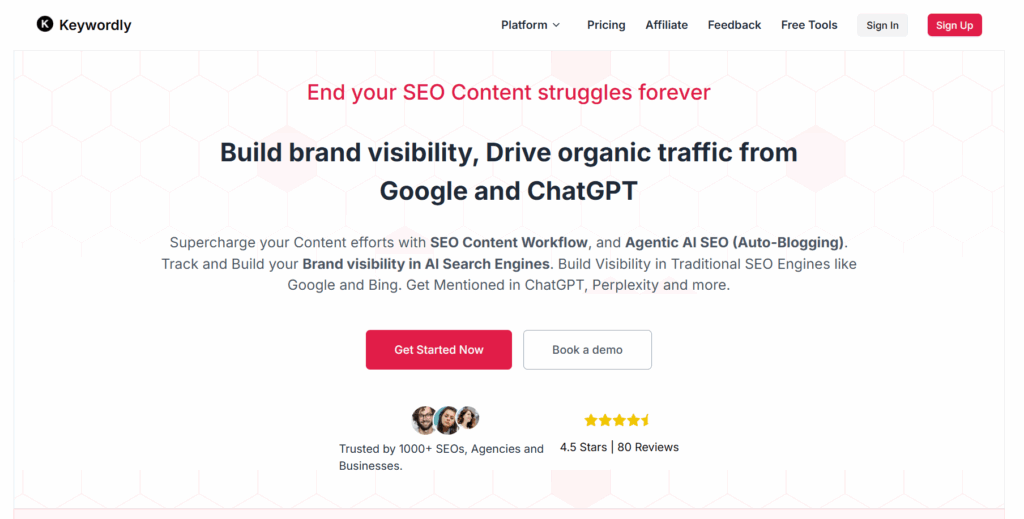
Keywordly is an AI-powered SEO content platform designed to help SEO professionals turn keyword data into ranking-ready content strategies. Instead of focusing only on search metrics, Keywordly helps teams understand search intent, organize keywords into meaningful clusters, and create SEO-optimized content outlines aligned with real SERP behavior.
Content teams use Keywordly to streamline keyword research, content planning, and on-page optimization, making it especially useful for agencies and in-house teams managing large content libraries.
Technical Requirements
Keywordly is a cloud-based platform accessible through any modern web browser. No software installation, browser extensions, or server configuration is required.
Users can start by entering seed keywords or importing keyword lists from other SEO tools. The platform processes data in real time and presents structured insights without requiring advanced technical knowledge, making it easy for teams to adopt alongside their existing SEO stack.
Competitive Positioning
Keywordly complements traditional SEO platforms by focusing on the content execution layer of SEO. While many tools specialize in backlink analysis, rank tracking, or site audits, Keywordly is built to help teams convert research into publishable, search-optimized content.
It is best used as part of a broader SEO workflow, supporting content-led strategies such as topical authority building, pillar-cluster planning, and large-scale content optimization.
Getting Started
Getting started with Keywordly is straightforward. Users create a project, define their target topics, and begin organizing keywords into clusters based on search intent and SERP similarity.
This approach helps teams prioritize content opportunities, reduce keyword cannibalization, and produce structured content briefs that align with ranking pages — without relying on manual spreadsheets or disconnected documents.
Key Features
| Feature | Example Use |
|---|---|
| Keyword clustering | Organize keyword lists into logical topic groups. |
| SERP-based outlines | Build content structures based on top-ranking pages. |
| Topical mapping | Identify content gaps and expansion opportunities. |
| On-page optimization guidance | Improve relevance and coverage before publishing. |
| Content workflow support | Maintain consistency across multiple content pieces. |
“Modern SEO success depends on structured content planning, not scattered keyword lists.”
Pros and Cons
Pros:
- Designed specifically for content-driven SEO
- Reduces manual keyword organization
- Improves alignment between research and execution
- Fits naturally into existing SEO workflows
Cons:
- Does not replace technical SEO or backlink analysis tools
- Works best when paired with other SEO platforms
Pricing
Keywordly offers flexible pricing designed to support individual marketers, agencies, and growing content teams. Plans are structured to scale with content volume and workflow needs, without complex contracts or long-term commitments.
User Sentiment
SEO professionals value Keywordly for its ability to simplify complex keyword sets and transform them into actionable content plans. Users frequently highlight the platform’s usefulness in improving content structure, topical coverage, and overall content workflow efficiency and content production.
“Teams that win in organic search focus less on volume metrics and more on intent alignment and topical authority.”
Read this Article : SEO Content Writing: A Beginner’s Guide to Ranking Pages
Read this Article : Proven Content Writing Examples That Boost Engagement and Rankings
SEMrush
Overview
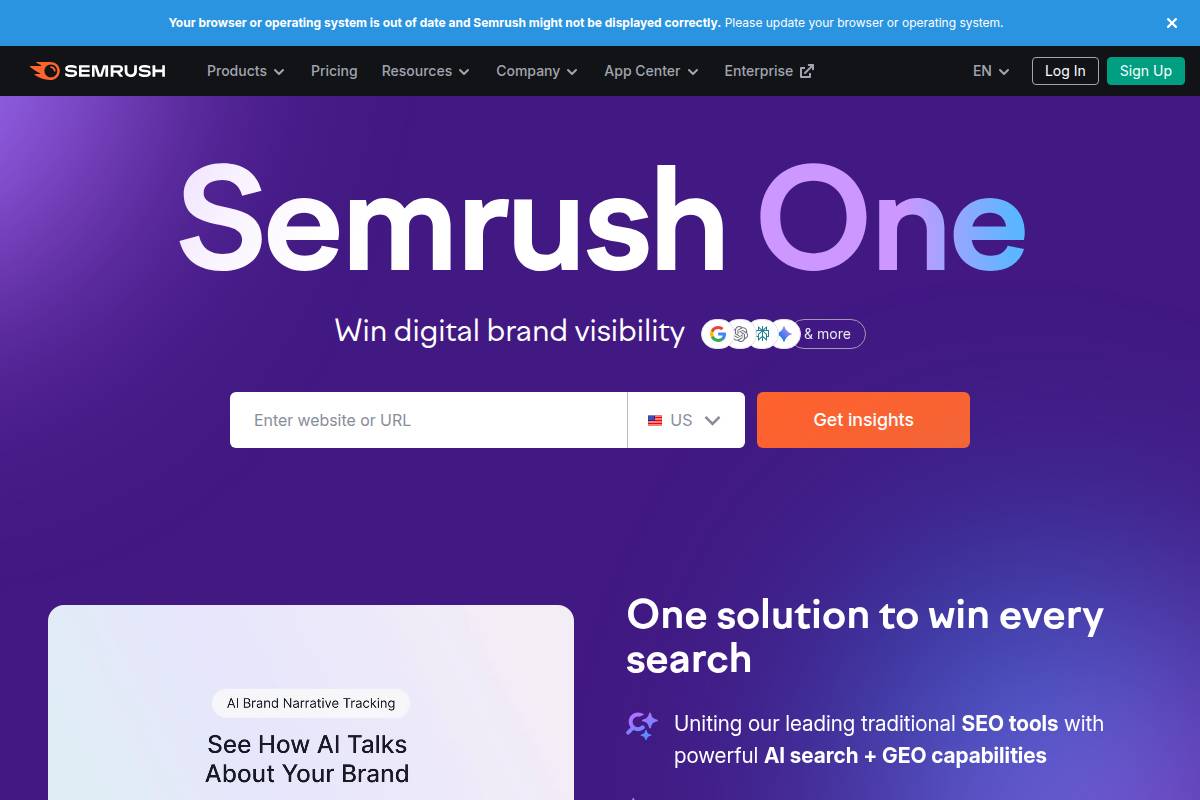
SEMrush is a widely adopted SEO software suite favored by digital marketers and SEO professionals for its comprehensive set of tools. The platform covers various needs, including keyword research, site auditing, rank tracking, competitor analysis, and customized reporting. Its versatility has made it particularly popular among agencies managing multiple client projects.
For example, content teams at companies such as eBay and Quora have leveraged SEMrush to optimize millions of web pages and refine search strategies. The ability to track keyword movements and benchmark competitors in a single dashboard is especially valuable for businesses seeking to scale their digital growth.
“When keyword research, clustering, and content execution live in separate tools, efficiency and rankings suffer.”
Technical Requirements
SEMrush operates as a cloud-based platform, eliminating the need for software installation on local machines. Users can access all features directly through major web browsers like Chrome, Firefox, or Safari.
Full site analysis and integration functions require an active internet connection. SEMrush integrates with widely used third-party tools such as Google Analytics and Google Search Console, which allows users to centralize website performance data.
Competitive Positioning
SEMrush is frequently cited for its exceptional breadth of data, robust toolkit, and reliability across large-scale SEO campaigns. Prominent agencies, including Digital Marketing Institute and Razorfish, have chosen SEMrush due to its accuracy and flexible reporting features.
Compared to other platforms, such as Ahrefs or Moz, SEMrush offers a more extensive feature set, often making it the preferred “all-in-one” solution for agencies handling everything from technical audits to link building in one platform.
Getting Started
Getting started with SEMrush is straightforward. After signing up, users connect their website, which unlocks the dashboard and its numerous capabilities. The guided onboarding tutorials make it easier to understand key modules.
For teams migrating from tools like Moz Pro or Google Search Console, SEMrush provides import options to bring over critical SEO data, streamlining the transition and ensuring a smooth onboarding process.
Key Features
SEMrush offers a diverse toolbox designed for competitive SEO management. These features address the essential stages of keyword analysis, competitor tracking, and technical site improvement.
- Keyword Magic Tool for advanced keyword research
- Comprehensive domain and competitor analysis
- Automated Site Audit for technical SEO improvements
- Position Tracking for monitoring keyword rankings
- Backlink Analytics to assess link profiles
Pros
- All-in-one, integrated platform for marketers and agencies
- Consistently accurate data with frequent refresh intervals
- Advanced competitor insights, including domain and keyword gaps
- Highly customizable and exportable reporting features
Cons
- Steep learning curve for users unfamiliar with enterprise SEO tools
- Higher subscription cost to unlock full feature access, especially compared to entry-level alternatives
Pricing
SEMrush follows a subscription-based pricing model. Plans start at $129.95 per month, with a free limited trial available for new users. The cost reflects access to deeper data insights and unlocks advanced reporting and tool integrations suitable for growing teams and agencies.
For example, digital agencies managing more than 10 projects often opt for higher-tier plans, balancing costs with the value provided through advanced analytics and multi-user support.
User Sentiment
SEMrush consistently receives high marks from users for its comprehensive toolkit and actionable SEO insights. Marketing teams from established brands, such as Trustpilot and HP, have noted improvements in campaign efficiency and visibility thanks to its in-depth reporting and analysis capabilities.
However, some new users note the platform’s complexity requires an initial time investment to fully leverage its benefits. In user reviews on G2 and Capterra, SEMrush scores an average of 4.5 out of 5 stars, with most positive feedback centered on the platform’s reliability and feature depth.
Ahrefs
Overview
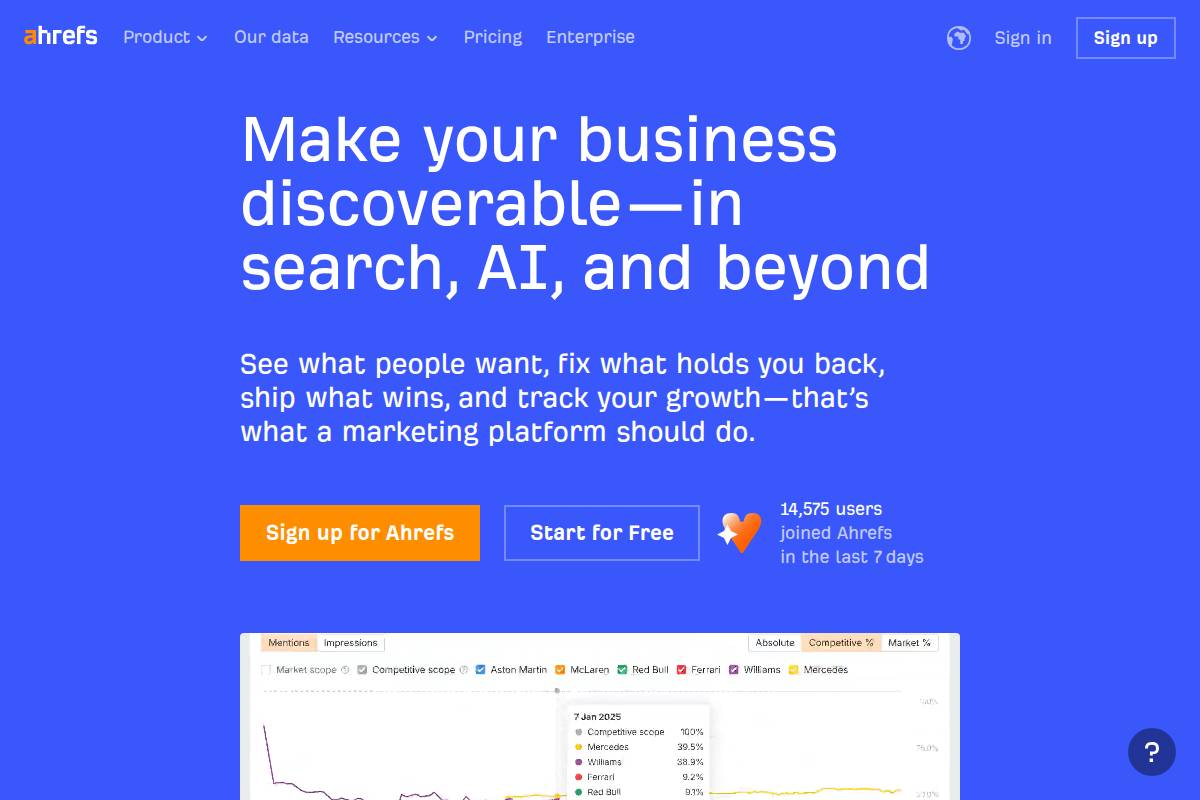
Ahrefs is recognized as a comprehensive SEO platform, trusted by digital marketers and agencies for its robust set of tools. Its primary strengths lie in backlink analysis, competitive research, and advanced keyword exploration.
The platform is especially valued by professionals who require deep insights into search visibility and link profiles. For instance, SEO teams at companies like Shopify and Adobe leverage Ahrefs to track competitors, identify content gaps, and optimize their web presence.
Technical Requirements
Getting started with Ahrefs is straightforward, as it is entirely web-based. No local installation is required, making it easy for distributed teams to access the platform from any location.
Users only need a modern browser (such as Chrome or Firefox) and a stable internet connection. Ahrefs also supports integrations with popular analytics platforms like Google Analytics and Data Studio, streamlining reporting workflows for agencies and in-house teams.
Competitive Positioning
Ahrefs stands out in the SEO landscape for its unrivaled backlink capabilities. It is often the go-to solution when the primary goal is to build authoritative links and reverse-engineer competitor strategies.
According to the 10 Best AI SEO Tools in 2025, Ahrefs boasts one of the world’s largest live backlink databases and an intuitive Site Explorer, making it ideal for comprehensive link audits and domain performance analysis.
Getting Started
New users begin by creating an Ahrefs account and entering their domain into the dashboard. The interface then surfaces immediate insights: site audits highlight technical SEO issues, while backlink and keyword reports provide a snapshot of visibility.
For example, content agencies with multiple client sites can quickly compare keyword rankings and track link acquisition progress across different projects, all from a unified dashboard.
Key Features
- Extensive backlink database: Access to over 35 trillion live backlinks, as highlighted by recent industry reviews.
- Site Explorer: Analyze competitor domains to dissect traffic sources and top-performing content.
- Keyword Explorer: Research global and local keyword trends, supporting campaigns in dozens of markets.
- Content Gap analysis: Pinpoint keyword opportunities missed by your site but captured by competitors.
- Rank tracker: Monitor keyword positions across multiple geographies for ongoing SEO campaigns.
Pros
- Massive backlink index providing deep insights
- Rapid and reliable data updates, with daily refreshes
- Comprehensive competitor research tools and easy-to-digest reports
- Intuitive, user-friendly interface suitable for both beginners and experts
Cons
- No free plan or unlimited trial period
- Fewer third-party integrations than some alternatives, such as SEMrush
Pricing
Ahrefs adopts a monthly subscription model, with plans starting at $99 per month. While premium tiers unlock advanced capabilities like extended reporting history and API access, free tools are available but with usage limitations.
This pricing is typical for enterprise-grade SEO solutions and is aimed at teams or individuals with significant search optimization needs.
User Sentiment
Feedback from digital marketers and agencies remains positive, particularly regarding its industry-leading backlink analysis. Many users note that Ahrefs’ learning curve is minimal, making it accessible to teams with varying levels of SEO experience.
However, the subscription cost is often cited as a drawback, especially for solo marketers or small startups. According to feedback compiled in sources like the 10 Best AI SEO Tools in 2025, users prioritize data quality and actionable insights over price when justifying the investment.
Google Search Console
Overview
Google Search Console is a free tool developed by Google, designed to help webmasters, SEO professionals, and site owners understand how their site interacts with Google Search. By offering detailed insights into performance, it enables users to track traffic, identify indexing issues, and uncover opportunities for improvement.
For example, The Guardian regularly leverages Search Console to monitor how news articles rank in real-time, ensuring timely adjustments for breaking news coverage. The data helps pinpoint which keywords are driving the most users from Google Search results.
Technical Requirements
Getting started with Google Search Console does not require complex installations or IT expertise. The tool is fully web-based, accessible via any modern browser on desktop or mobile.
Website verification is mandatory to access your site’s data. Options include adding an HTML tag to your site’s code, updating DNS records with your domain provider, or linking an existing Google Analytics account. For instance, major e-commerce sites like Shopify and Magento offer guides for easy integration and verification. No software download or installation is needed.
Competitive Positioning
Google Search Console stands out by providing direct data from Google, making it more accurate for search performance measurement than many third-party tools. This direct pipeline to Google’s search data ensures that the information is both reliable and timely.
It has become indispensable for website monitoring and ongoing optimization. Many SEO agencies rely on Search Console to validate indexing, crawl errors, and emerging trends before implementing on-page changes or reporting results to clients.
Getting Started
Getting started is straightforward. Users log in with their Google accounts, add their website as a property, then verify ownership using one of the approved methods. This unlocks a dashboard displaying key metrics such as total clicks, impressions, and average position in search results.
For instance, after Jean-Louis Gassée launched his tech blog, he quickly onboarded with Search Console to spot keywords that triggered Google visibility and identify any mobile usability issues affecting his audience.
Key Features
| Feature | Example Use |
|---|---|
| Search performance analytics | Track how specific blog posts rank for “best SEO platforms” keywords. |
| Index coverage reporting | Identify missing or excluded pages; Wired.com uses it to ensure all tech sections are discoverable. |
| Crawl error alerts | Get notified if Googlebot can’t access images or product pages, preventing traffic drops. |
| Sitemap management | Submit and monitor XML sitemaps for large e-commerce catalogs. |
| Mobile usability testing | Detect mobile display issues post-website redesigns. |
Pros and Cons
When evaluating Google Search Console, consider these practical advantages and limitations:
- Pros:
- Completely free to use without feature gating
- Direct data sourced from Google Search
- Actionable recommendations to resolve errors or enhance ranking
- Supports multiple websites or client properties in a single dashboard
- Cons:
- Provides limited historical data—typically up to 16 months
- Feature set is less advanced than premium tools like SEMrush or Ahrefs; lacks competitor tracking or advanced analytics
Pricing
Google Search Console has no licensing fees, premium upgrades, or hidden charges. It is entirely free, making it accessible to businesses and agencies of all sizes. Many digital marketing teams, from small startups to Fortune 500 companies, rely on it as a foundational part of their SEO toolkit without cost barriers.
User Sentiment
Among SEO professionals, Search Console is recognized as an essential tool. Agencies such as Moz and Distilled highlight its accuracy and integration with Google’s ecosystem as major strengths in their training materials.
While most users appreciate its straightforward interface and reliable data, there is a recurring desire for deeper analytics and competitor insights, which are only available in specialized or premium third-party platform.
Screaming Frog SEO Spider
Overview
Screaming Frog SEO Spider has carved a niche as a go-to tool for technical SEOs focused on comprehensive website crawling and in-depth audits. Unlike browser-based tools that sample pages, Screaming Frog allows entire domains to be crawled with precision, which is invaluable for agencies managing enterprise-scale SEO projects.
This desktop-based software is routinely leveraged by digital agencies like Distilled and Brainlabs, who use its robust diagnostics to flag on-site SEO issues, such as orphaned pages and improper redirects, supporting holistic technical optimization strategies.
Technical Requirements
Getting started with Screaming Frog requires downloading the software for Windows, macOS, or Ubuntu. System requirements are modest: at least 512MB of RAM and a multi-core processor. However, for large-scale crawls (50k+ URLs), a machine with 8GB+ RAM ensures smooth performance.
For example, agencies running large audits on ecommerce sites—like Shopify Plus clients with extensive product catalogs—often use dedicated workstations to handle crawls exceeding 500,000 URLs.
Competitive Positioning
Screaming Frog SEO Spider is highly regarded among seasoned technical SEOs due to its unmatched crawl depth and customization options. While cloud-based platforms such as Sitebulb or DeepCrawl offer convenience and scalability, Screaming Frog stands out for its granular control and local data processing.
This granular crawling ability enables advanced use cases—like JavaScript rendering analysis or custom data extraction—giving it a clear advantage for users needing more than basic site audits.
Getting Started
To begin using Screaming Frog, users download and install the application from the official website. Upon launch, the intuitive interface requests a website URL. Entering the desired domain starts an automated crawl that analyzes technical elements across all discovered URLs.
For instance, many SEO agencies use this process to perform pre-migration audits by crawling old and staging versions of a site, ensuring critical SEO elements are maintained when sites go live.
Key Features
Feature-rich by design, Screaming Frog supports a wide variety of SEO auditing tasks. Below is a breakdown of standout capabilities:
| Feature | Benefit |
|---|---|
| Crawl up to 500 URLs for free | Ideal for small businesses and quick site checks |
| Identify broken links, redirects, duplicate content | Detects SEO issues that affect crawlability and rankings |
| Analyze metadata and hreflang | Ensures tags are implemented correctly for international SEO |
| Custom extraction (XPath) | Advanced users can pull custom data such as structured markup |
| XML sitemap generation | Produces sitemaps compliant with Google Search Console requirements |
Pros
- Deep technical analysis rivals enterprise-focused platforms
- Highly customizable crawls—filter by folder, subdomain, or user agent
- Delivers fast and accurate results—crawls 10,000+ URLs in minutes on a modern laptop
- Free version accommodates small business sites and quick audits
Cons
- Only available as a desktop application—no cloud version for team collaboration
- Feature-rich interface may seem overwhelming to new users or marketing teams unfamiliar with technical SEO terminology
Pricing
Screaming Frog offers a freemium model: up to 500 URLs can be crawled at no cost, making it accessible for startups and freelancers with small sites.
The paid version, priced at £199 per user, per year (about $250 USD), unlocks unlimited crawling, premium support, and access to advanced configuration options. This pricing is competitive compared to cloud-based alternatives with similar feature sets.
User Sentiment
Technical SEO professionals consistently praise Screaming Frog for its speed and versatility. Tom Critchlow, an independent SEO consultant, often highlights its batch export functionality and custom extraction as key reasons for his reliance on the platform.
On the flip side, some content marketers and beginners report a learning curve due to the abundance of features and technical jargon. Video walkthroughs and Screaming Frog’s knowledge base do help users onboard quicker.
Yoast SEO
Overview
Yoast SEO stands out as the most popular plugin for WordPress users working to enhance their on-page search engine optimization. It empowers content teams by making complex SEO principles accessible, offering practical support both for experienced marketers and newcomers.
By analyzing posts and pages, Yoast SEO provides actionable feedback that addresses how content appeals to both readers and algorithms. For example, The Guardian leverages Yoast SEO to maintain strong content searchability without sacrificing editorial quality on their WordPress-powered features.
Technical Requirements
Installing Yoast SEO requires a WordPress site, with compatibility starting from WordPress version 5.6 and above. The plugin does not demand advanced technical skills, making it accessible to site owners and content teams alike.
Set-up follows the standard WordPress plugin installation steps and only needs basic server resources, which has allowed major blogs such as Kinsta’s to utilize Yoast SEO without significant performance impact.
Competitive Positioning
Designed with content creators and marketers in mind, Yoast SEO simplifies the often technical aspects of on-page SEO. Its real-time guidance and supply of readability checks democratize SEO for writers and editors who might not have formal search optimization training.
This is particularly significant for agencies like WebFX, which manage dozens of WordPress websites for clients who require consistent SEO standards without the cost of individual expert audits for every post.
Getting Started
Getting up and running is a smooth process. The Yoast SEO plugin is available directly through the WordPress plugin directory, simplifying discovery and installation.
Once activated, users follow an onboarding wizard that helps configure essential SEO settings. This approach ensures even smaller businesses, such as local service companies, can optimize their meta data, XML sitemaps, and basic schema markup in minutes, often immediately seeing improvements in search performance.
Key Features
Yoast SEO provides a wide set of tools enabling users to meet Google’s evolving requirements. Key aspects include:
- Real-time content SEO and readability analysis
- XML sitemap generation for improved indexing
- Breadcrumbs and schema integration
- Multi-language support for global SEO needs
- Focus keyword optimization to drive targeted rankings
According to Ahrefs, over 12 million websites globally depend on features like these to maintain technical SEO health and monitor content clarity.
Pros
- Intuitive setup minimizes onboarding time
- Guides best SEO practices during content creation
- Free version adequately covers most common use-cases
- Frequent updates help users adapt to algorithm changes
Cons
- Some advanced features require a premium license
- Large enterprise sites can experience minor slowdowns due to resource usage
Pricing
Yoast SEO operates a freemium model. The core plugin is free and widely used for basic optimization by educational institutions and startups alike.
Premium upgrades, starting at $99 per site per year, add features such as multiple focus keywords, 24/7 support, and advanced schema options. For comparison, similar plugins like All in One SEO also offer paid plans from $124/year, making Yoast SEO competitive for budget-conscious teams.
User Sentiment
Community trust in Yoast SEO remains strong, largely due to its straightforward interface and actionable advice. According to WordPress.org, the plugin has an average rating of 4.8 out of 5 stars from over 28,000 user reviews.
However, power users in large agencies or technical SEO professionals may seek more granular control or automation features, which might only be available through competitors or Yoast’s premium options.
Google Analytics
Overview
Google Analytics is a cornerstone tool for SEO agencies, marketing teams, and content creators who want to understand how users interact with their websites. It offers granular insights into web traffic patterns, user behavior, and the effectiveness of marketing campaigns—including organic search.
This comprehensive platform is widely used by enterprises such as The New York Times, Shopify, and HubSpot to monitor SEO performance, segment audiences, and optimize digital strategies. According to Datanyze, Google Analytics holds over 80% of the global web analytics market share, indicating its ubiquity and trust among digital professionals.
Technical Requirements
To leverage Google Analytics, users need only basic technical resources. It is a cloud-based solution designed to run in all major browsers, eliminating the need for any special software installation.
- To collect data, a JavaScript tracking snippet must be embedded into every page of the website. This snippet captures user activity and sends it to Google’s servers for processing.
- The tool’s native integration with the broader Google ecosystem makes it easy to connect with services such as Google Search Console and Google Ads, rapidly enriching marketing data pipelines.
Competitive Positioning
Google Analytics sets the standard for digital analytics platforms, especially for SEO-focused workflows. Its vast user base and integration features make it the go-to resource for businesses aiming to understand and grow their online presence.
Few competitors, such as Adobe Analytics or Matomo, can rival its ability to measure SEO impact in detail or deliver insights on visitor paths and engagement. For instance, Moz.com’s content team uses Analytics to connect organic rankings to conversion outcomes, uncovering which keywords drive revenue rather than just clicks.
Getting Started
The process to begin with Google Analytics is straightforward and accessible for businesses of any size. Even for those new to website analytics, following a few critical steps unlocks powerful data almost immediately:
- Sign up for a Google Analytics account using your existing Google credentials.
- Add your website as a new property and retrieve the unique tracking code.
- Install the tracking code on every page to start collecting user data.
Marketing agencies such as Seer Interactive routinely onboard new clients this way, enabling end-to-end reporting within days of setup.
Key Features
Google Analytics offers an extensive set of features empowering data-driven decision-making. Its capabilities include both fundamental and advanced reporting options:
- Real-time and historical traffic data: See current visitor activity alongside months or years of historical trends.
- User acquisition and flow reports: Analyze where users come from and how they navigate across the site.
- Goal setting and conversion tracking: Track completed actions like newsletter signups or purchases, which is critical for e-commerce businesses, such as Warby Parker’s D2C site.
- Custom dashboards and segmentation: Tailor reports for stakeholders, whether you’re monitoring content performance or paid advertising ROI.
- Integration with Search Console and AdWords: Merge SEO and PPC data for holistic marketing analysis.
Pros
- Free and robust analytics platform
- Deep customization through filters, segments, and dashboards
- Powerful reporting and granular segmentation for user cohorts
- Integrates seamlessly with Google Ads, Search Console, and hundreds of third-party tools
Cons
- Steep learning curve for advanced features and customizations
- Privacy and data regulations (such as GDPR) have affected the granularity of some reporting metrics, especially in Europe
Pricing
Google Analytics 4 (GA4) is free for all users. This makes it an accessible solution for startups and large enterprises alike. There is a premium version—Google Analytics 360—used by large organizations needing advanced support and SLAs, but for most agencies and content-driven businesses, the free GA4 offers more than sufficient capability.
User Sentiment
Digital marketers consistently regard Google Analytics as essential for SEO reporting and developing meaningful insights. In recent polls conducted by Ahrefs, over 90% of SEO professionals deemed it “irreplaceable” for understanding rankings and traffic.
Some users do mention the steep learning curve when exploring advanced customizations. However, ongoing product updates and a robust learning ecosystem—like Google’s Analytics Academy—help teams navigate these challenges efficiently.
Majestic

Overview
Majestic stands out as a specialist SEO analysis tool, primarily recognized for its deep focus on backlink data. With one of the web’s largest backlink databases, Majestic is underpinned by proprietary metrics such as Trust Flow and Citation Flow, which help users measure the authority and quality of links pointing to a site.
This approach has made Majestic a go-to solution for companies and agencies prioritizing link building and digital PR. For example, Screaming Frog, a well-known UK-based SEO agency, has highlighted Majestic’s detailed link data as instrumental in large-scale backlink audits for clients.
Technical Requirements
Majestic is accessible as a web-based platform, compatible with any modern browser, which ensures broad access for users on desktops and laptops without complex installation.
For larger organizations or integration into workflows, Majestic offers an API. Agencies like Builtvisible have used this API to automate reporting and integrate Majestic insights into custom dashboards, benefiting from the platform’s lightweight, fast-loading interface on various devices.
Competitive Positioning
Among SEO professionals, Majestic is widely considered a leader in backlink analysis. Its competitive advantage lies in its granular link metrics, which often outpace broader tools like SEMrush when pure link intelligence is needed.
Digital PR specialists and dedicated link builders frequently rely on Majestic for developing outreach strategies—especially when vetting domains for guest posting or evaluating the impact of past campaigns by competitors like Moz or Ahrefs.
Getting Started
Getting up and running with Majestic requires minimal onboarding. Users create an account, after which they can instantly input any website or domain to receive a comprehensive report on its backlink profile.
This granular look into link data equips new users—such as boutique agencies or in-house marketing teams—with actionable insights from the outset, supporting everything from prospecting for new links to reviewing potential negative SEO risks.
Key Features
Majestic delivers a spectrum of specialized features designed explicitly for backlink intelligence:
- Trust Flow and Citation Flow metrics: Quantifies the quality and quantity of backlinks, respectively. For example, enterprise brands like Dell closely monitor these scores during site migrations to ensure authority isn’t lost.
- Backlink history tracking: Visualizes how a domain’s backlink count evolves over time—a vital component for tracking link building campaign effectiveness or recovering from Google penalties.
- Topical Trust Flow for niche analysis: Breaks down link authority by industry or topic, which is especially useful for niche publishers and bloggers verifying their perceived expertise.
- Bulk backlink checker: Audits hundreds of URLs simultaneously, ideal for agencies managing multiple client assets.
- Detailed anchor text and referring domains reports: Unveils how keywords are being used in links, and where they originate. This helped Search Laboratory, for instance, to identify overused anchor patterns during a manual link audit.
Pros
- Unique, actionable link metrics not replicated by competitors
- Extensive and regularly updated backlink data warehouse
- API access for enterprise-scale integrations
- Rapid analysis, even for large domains
Cons
- Does not provide keyword research or broader SEO features (like on-page analysis found in Moz or Ahrefs)
- User interface can feel dated compared to more modern platforms such as Sitebulb
Pricing
Majestic’s pricing begins at $49.99 per month, targeting professionals and smaller agencies needing robust link analysis without broader search marketing functionality. Larger packages with API and advanced reporting are available for higher-volume users.
User Sentiment
Majestic consistently earns high praise for its unrivaled backlink data quality and niche link metrics, often cited in reviews by digital agencies and consultants. Screaming Frog and BrightLocal, for example, both endorse Majestic as a trusted reference for competitive link audits.
Some users express a desire for Majestic to expand into keyword research and offer a more intuitive interface. However, for link-focused SEO tasks, it remains one of the most respected tools in the space.
Surfer SEO
Overview
Surfer SEO is a cloud-based platform built to streamline the on-page SEO process. By analyzing top-ranking pages for any target keyword, it provides precise, data-backed recommendations that help content teams improve their chances of ranking in search engines.
The tool is especially valued among agencies and digital marketing teams for its ability to combine competitive SERP analysis with actionable optimization steps. For instance, HubSpot’s blog team leverages Surfer SEO to optimize their high-traffic posts and maintain keyword positions against ever-changing search results.
Technical Requirements
Surfer SEO operates entirely within the web browser, removing the need for software installation or dedicated hardware. Since it’s a cloud solution, a stable internet connection is essential for accessing the platform.
Users can integrate Surfer’s content editor directly into Google Docs through its Chrome extension, enabling a seamless writing-and-optimization workflow for distributed content teams. This is especially practical for agencies managing content remotely or collaborating asynchronously between editors and writers.
Competitive Positioning
Among numerous SEO tools available, Surfer SEO stands out for its real-time SERP analysis and granular optimization advice. Its primary focus on on-page factors differentiates it from comprehensive suites like Ahrefs or SEMrush, which also provide comprehensive backlink and technical SEO support.
AgencyAnalytics highlighted in a 2023 blog post that Surfer SEO delivered an 18% improvement in first-page rankings for editors who followed its actionable guidelines, illustrating its advantage for content-driven SEO strategies.
Getting Started
New users can start with Surfer SEO through a streamlined onboarding process. Creating an account provides instant access to the dashboard, where users input their target keyword and URL to generate optimization recommendations within the content editor.
- Sign up on Surfer SEO’s platform.
- Enter the target keyword (such as “best project management tools for SEO agencies”).
- Paste the URL or work in the integrated content editor to receive live optimization feedback.
This workflow allows, for example, a SaaS startup to quickly benchmark its blog post against top-ranking competitors and identify specific content gaps or keyword opportunities.
Key Features
Surfer SEO incorporates several tools aimed at improving both new and existing website content for better search visibility.
- Content Editor with NLP suggestions
- SERP analyzer for competitor benchmarking
- Audit tool for live page analysis
- Keyword Surfer Chrome extension
- Content planning features
For example, the Content Editor leverages Natural Language Processing (NLP) to analyze the structure and keywords used by top competitors, surfacing terms and phrases that should be included to improve topic coverage. This approach proved useful for Growth Machine, an agency whose content saw a 29% visibility increase after systematic Surfer optimizations.
Pros
- Easy to use
- Actionable, granular recommendations
- Excellent for content teams
- Integrates with Google Docs
Cons
- Limited backlink analysis
- Requires separate tools for technical SEO
Pricing
Surfer SEO offers several pricing tiers to fit a range of business sizes and needs. Plans begin at $69 per month, targeting individuals and small agencies looking to upgrade their on-page optimization workflow effectively without enterprise-level investment.
User Sentiment
Writers, content managers, and SEO professionals appreciate Surfer SEO’s ease of use and practical recommendations for improving organic rankings. This is evident in feedback found on peer review sites like G2 and Capterra, where it maintains consistently high ratings for usability and customer support.
Some experienced users, including content strategists at agencies like Siege Media, note a desire for expanded backlink tracking and technical audits within the same platform, emphasizing that Surfer SEO currently excels when paired with more comprehensive suites or specialized crawlers.
Sitebulb
Overview
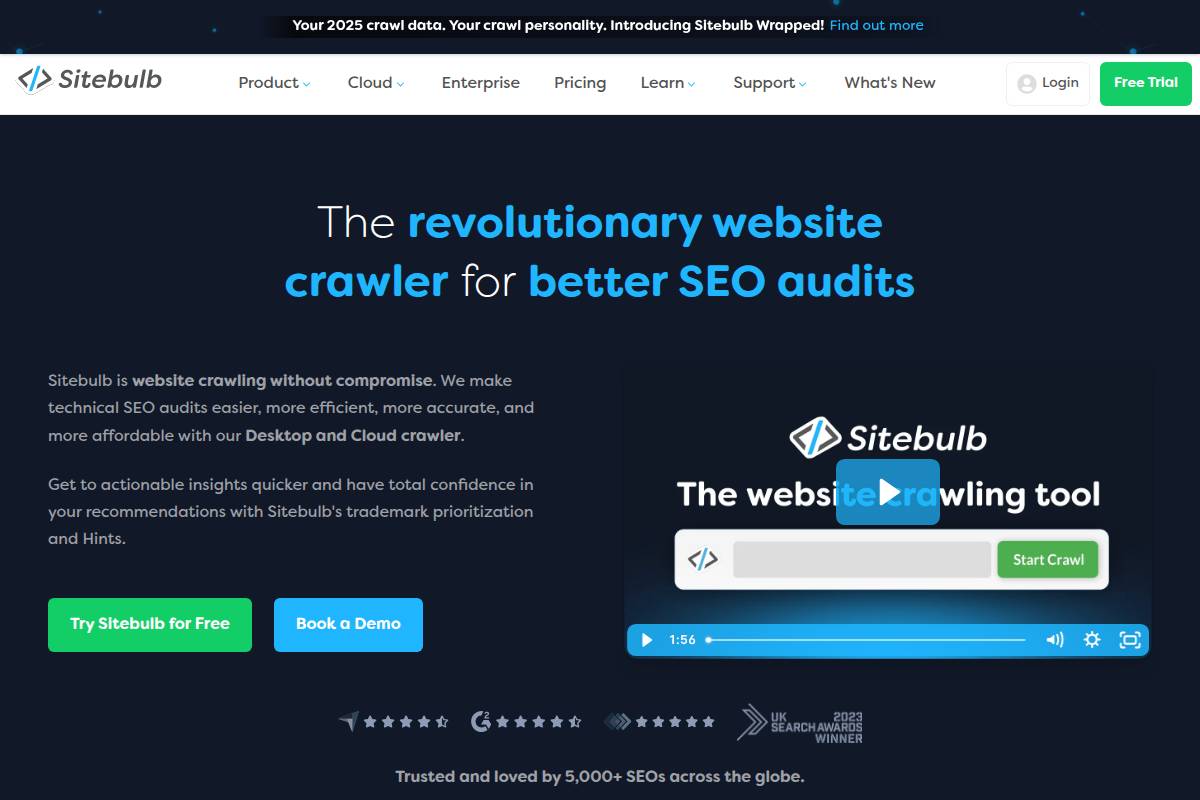
Sitebulb is recognized among SEO professionals for translating complex technical SEO data into actionable and visually engaging audit reports. Unlike traditional SEO crawlers, Sitebulb emphasizes graphical overviews, making it easier for teams and clients to understand and prioritize issues.
For instance, consulting firm Ayima reported faster onboarding with Sitebulb due to its intuitive visual flowcharts and dashboards, which reduced time spent interpreting raw crawl data. This focus on presentation ensures actionable insight is accessible to technical and non-technical stakeholders alike.
Technical Requirements
Sitebulb is deployed as a desktop application, available for both Windows and macOS operating systems. Its local install means the application processes data on your machine, rather than relying on cloud resources.
Large website crawls demand higher system specifications; Sitebulb recommends a minimum of 4GB RAM and a multicore processor, especially if you manage projects exceeding 10,000 URLs. Agencies running simultaneous audits often equip team members with 16GB RAM machines to ensure smooth performance.
Competitive Positioning
Sitebulb’s standout feature is its interactive audit visualization, setting it apart from rivals like Screaming Frog and DeepCrawl, which primarily focus on spreadsheet-based outputs. These visual aids help surface priorities more effectively during client presentations.
SEO consultants at Builtvisible frequently choose Sitebulb when onboarding enterprise clients, since visual issue prioritization and clear explanations help speed up technical buy-in from decision makers less familiar with SEO nuances.
Getting Started
To begin with Sitebulb, users simply download and install the application to their desktop. After launching, you configure a new project by entering your site’s URL and desired crawl parameters.
Once crawling begins, Sitebulb immediately generates layered visual audit reports. For example, eCommerce brands like Made.com have cited the tool’s mapping diagrams as essential for quickly locating crawl errors and orphaned pages across large catalogs.
Key Features
The following key features demonstrate why Sitebulb is widely adopted across agency workflows and technical site audits:
- Visual audit reports and prioritization
- JavaScript rendering support for modern websites
- Comprehensive crawl mapping, including link structure diagrams
- Built-in security and accessibility checks
- Export capabilities to PDF and CSV formats
| Feature | Sitebulb | Screaming Frog |
|---|---|---|
| Visual Reporting | Yes | Limited |
| Accessibility Checks | Yes | No |
| Cloud Support | No | No |
Pros
- Highly visual reports simplify communication with clients
- Strong focus on technical SEO and best practices
- Automatically prioritizes action items
- Comprehensive documentation supports onboarding
Cons
- Subscription-based pricing, no free version
- Runs solely on desktop, lacking remote or cloud access
Pricing
Sitebulb’s pricing is straightforward. Plans begin at $13.50 per month or $162 per year, positioning it as a value-driven alternative for small agencies and consultancies. Larger organizations managing multiple domains may find it cost-effective compared to custom enterprise solutions that can charge $500+ per month.
User Sentiment
Sitebulb receives consistent praise for its clear, visually-led reporting, which eases the learning curve and facilitates strategic discussion. Agency users highlight the tool’s ability to surface and prioritize technical issues rapidly, notably increasing audit efficiency for teams collaborating on large web properties.
While quantitative user ratings fluctuate slightly depending on the review platform, Sitebulb often scores between 4.6 and 4.8 out of 5, based on G2 and Capterra aggregated feedback.
Recommendations
When selecting SEO tools, the best choice often depends on your team’s experience, workflow, and business scale. Each tool has specific strengths tailored to different user groups and objectives. Consider ease of use, core features, and integration with your existing systems.
Best Tool for Beginners
Getting started with SEO can feel overwhelming. Tools that offer intuitive interfaces and comprehensive tutorials make the process smoother for newcomers.
Keywordly is well suited for newcomers who want structure and clarity without getting overwhelmed by raw SEO data. Its guided workflows help users organize keywords by search intent and build content plans that align with what already ranks in Google, reducing guesswork for any business type.
For example, a local bike shop used Keywordly to cluster product and service keywords, create focused blog content, and prioritize low-competition opportunities. Within a few months, several of their pages reached page-one rankings, driven by clearer content structure and better topical coverage rather than manual trial and error.
Yoast SEO is an essential WordPress plugin known for its simple traffic light system, helping new bloggers and site owners optimize content on the fly. Over 5 million WordPress sites leverage Yoast to improve readability and SEO without advanced technical skills.
Best Tool for Content Teams
“When content is your growth engine, your SEO tools should be built around content, not just data.”
Content teams need actionable data to refine publishing strategies and target the right topics. Real-time optimization and content analysis are critical.
Keywordly is designed specifically for this stage. It helps content teams organize keywords into structured clusters, analyze SERP patterns, and generate SEO-ready content outlines aligned with real search intent. Instead of managing keyword lists in disconnected documents, teams can plan and execute content using a centralized workflow.
This makes Keywordly especially valuable for marketing teams, agencies, and publishers producing content at scale, where consistency, topical coverage, and efficiency directly impact organic growth.
“For teams producing content at scale, tool choice matters less than workflow alignment — especially when rankings depend on consistency and topical coverage.”
Best Tool for Agencies
Agencies require platforms that offer extensive keyword tracking, competitor research, and in-depth reporting. The ability to manage multiple clients and large datasets efficiently is crucial.
- SEMrush provides an all-in-one suite, from PPC analysis to comprehensive SEO audits. Agencies such as Ignite Visibility cite SEMrush’s competitive domain overview as pivotal in winning client pitches by demonstrating specific growth opportunities.
- Ahrefs is renowned for its backlink analysis and link intelligence. Digital PR teams at companies like HubSpot rely on its Site Explorer tool to monitor referring domains and new backlink opportunities, helping them build authoritative link profiles that support higher rankings.
Best Tool for Enterprises
Enterprises face unique challenges, including managing massive websites and reporting to multiple stakeholders. Scalability, automation, and robust integration are vital.
- SEMrush meets enterprise demands through enterprise-level keyword tracking and white-label, exportable reports. Multinational e-commerce companies utilize its bulk analysis and historical data to monitor global SEO campaigns.
- Sitebulb offers in-depth crawl analysis and visual audit reports, making it possible for large in-house SEO teams to diagnose technical issues across thousands of URLs. A Fortune 500 retailer credited Sitebulb’s crawl visualization for identifying and resolving critical site architecture problems, improving crawl efficiency by 30% within one audit cycle.
Must-Have Free Tools
No modern SEO strategy is complete without leveraging Google’s native solutions—essential for performance monitoring and diagnosis.
Google Search Console helps content teams monitor indexing issues, track search queries, and submit sitemaps. A SaaS company used Search Console’s Core Web Vitals data to spearhead a site speed overhaul, resulting in a 15% lift in mobile conversions.
Google Analytics tracks user behavior and conversion pathways. By building custom dashboards, digital marketing teams at nonprofits have identified underperforming landing pages and re-allocated ad spend, reporting increased ROI through targeted content adjustments.
“The right SEO tool stack should remove friction, not add more steps to your workflow.”
“Choosing SEO tools is no longer about features alone — it’s about how well they support execution.”
Read this Article : Top SEO Content Writing Tools to in 2026: Software to Write, Optimize and Scale Content
Read this Article : The SEO Content Workflow: How to Plan, Create, and Optimize Content at Scale
FAQ
What’s the difference between SEO software and SEO analysis tools?
The distinction between SEO software and SEO analysis tools is rooted in their scope and intended use. SEO software platforms are typically all-in-one solutions, bundling multiple functionalities for comprehensive search optimization. In contrast, SEO analysis tools are often more specialized, targeting specific tasks or aspects of an SEO campaign.
For example, Ahrefs and Semrush are considered full-suite SEO software because they include modules for keyword research, rank tracking, backlink analysis, and site audits. Meanwhile, a tool like Moz’s Link Explorer focuses specifically on backlink profiles. Choosing between the two depends on whether your workflow demands a broad toolkit or targeted insights.
Do I need multiple SEO tools, or is one enough?
Relying on a single SEO tool can limit the breadth of insights you gain. Most professionals pair different tools to ensure comprehensive coverage of keyword research, technical auditing, and analytics reporting. Bundling solutions helps bridge gaps that may exist within a single platform, allowing for cross-verification and deeper analysis.
A typical agency stack might include Google Search Console for performance tracking, Screaming Frog for site crawling, and Semrush for competitive intelligence. By doing this, teams like those at Search Engine Land effectively manage large content portfolios and maintain technical website health more efficiently.
What is the most important feature to look for in a best SEO tool?
Prioritizing tool features should align with your business objectives and the complexity of your SEO projects. High-value attributes generally include data accuracy, comprehensive reporting, and scalability to support growing campaigns.
Enterprises like HubSpot often emphasize reliable reporting functionality, especially when managing large teams or agencies. An example is SEMrush, which delivers customizable reports and robust database coverage—allowing users to address both granular and holistic SEO needs effectively.
Are free SEO tools as effective as paid ones?
Free SEO tools play a foundational role in establishing and maintaining your website’s SEO. Google Search Console, for instance, is indispensable for monitoring search appearance, indexing, and basic site health. However, when advanced needs such as large-scale competitor analysis or technical site auditing arise, these tools may lack the necessary depth.
Organizations like Neil Patel Digital supplement free offerings with paid options such as Ahrefs or Moz Pro. Paid tools bridge the gap by offering advanced metrics, integration capabilities, and support that elevate ongoing SEO strategies beyond the basics provided by free platforms.
Which SEO tools are best for technical SEO analysis?
Technical SEO analysis requires a set of sophisticated diagnostics and auditing capabilities. Tools such as Screaming Frog and Sitebulb are highly rated for their ability to crawl large websites, identify broken links, analyze metadata, and surface crawl errors. These features are critical for webmasters managing enterprise-scale sites.
For example, the BBC uses Screaming Frog to crawl thousands of URLs, revealing issues that direct site architecture improvements. SEMrush also stands out by integrating technical audits with broader keyword and competitor tracking, ideal for teams handling both on-page and off-page optimization at scale.