
Introduction
SEO plays a pivotal role in the online visibility and long-term growth of digital businesses. As search engine algorithms become more sophisticated, aligning your content and website structure with SEO best practices is essential for staying competitive. Even seasoned marketers and agencies can fall prey to common SEO pitfalls, often undermining months of hard work.
Despite having access to premium SEO tools and resources, a surprising number of US businesses still encounter frequent mistakes that throttle their search performance. Take, for example, J.Crew’s temporary website disappearance from Google search in 2019 due to misconfigured robots.txt settings. Such errors not only impact rankings but can result in substantial revenue loss, especially for ecommerce and service providers whose leads depend on organic traffic.
This listicle spotlights the most prevalent SEO mistakes that affect businesses across the United States, drawing on real scenarios and industry insights. By becoming familiar with these issues, you can proactively identify weaknesses in your own digital strategies and foster better outcomes.
Through practical tips and actionable examples—such as HubSpot’s documented improvements in organic traffic by regularly updating old blog content—you’ll gain a deeper understanding of how to boost your search rankings, attract qualified users, and deliver superior site experiences. Identifying and avoiding common missteps will empower your team to achieve consistent SEO gains.
Keyword Stuffing
Overview
Keyword stuffing was once considered a shortcut to higher rankings, but this outdated SEO tactic now causes more harm than good. The practice involves cramming a web page with excessive keywords or phrases with the intent to manipulate search engine rankings rather than provide value to readers.
According to Google’s guidelines and corroborated by leading SEO authorities, keyword stuffing often disrupts natural reading flow, alienates users, and invites search penalties. The consequences extend beyond poor user experience—it can actually reduce a site’s visibility or result in total de-indexation, as detailed in this overview of top SEO mistakes.
Key Details
Keyword stuffing often appears on blog articles, product pages, and meta tags where competitive terms are repeated unnaturally. An e-commerce example is filling a product page for sneakers with nearly every sentence containing “best sneakers USA” or “buy sneakers online USA.”
Some marketers still attempt to force awkward repetitions of terms like “digital marketing agency USA” in headings, alt text, and descriptions to gain ranking for high-value searches. This not only disrupts the message but can also undermine credibility with both users and search engines.
What Makes It Special
While keyword stuffing used to work in the early 2000s, Google’s sophisticated algorithms—in particular, updates like Panda and Hummingbird—now target and penalize this approach. If a site’s content is detected as being spammy or unnatural, its rankings can diminish or disappear overnight.
Back in 2018, Overstock.com received a manual penalty after excessively stuffing links with commercial anchor texts. This case illustrates how quickly a business can lose organic visibility and trust when relying on obsolete techniques.
Considerations
Effective SEO requires a balanced integration of keywords into your content. Place primary keywords thoughtfully in your introductions, body, and metadata, but ensure everything reads naturally. Tools like SEMrush and Clearscope help writers monitor density without sacrificing flow.
For example, Airbnb’s city landing pages harmoniously balance target searches (“New York vacation rentals”) with natural language and user-centric information, enhancing both SEO performance and user engagement.
Best For
Understanding keyword stuffing and how to avoid it is vital for anyone aiming for organic growth. Writers, marketers, and digital strategists seeking long-term rankings, rather than quick but risky wins, benefit most.
Modern SEO success hinges on authenticity and relevance, so this is especially important for those working within competitive industries or managing large content portfolios.
Additional Info
Today’s best practice encourages focusing on semantic relevance over exact match repetition. For instance, Google’s BERT update values context around keywords rather than frequency.
Rather than repeating “best laptop for students” ten times, effective content naturally incorporates related terms—such as “affordable student notebooks” or “college laptop deals”—to create a richer and more useful page for both audiences and algorithms.
Ignoring Mobile Optimization
Overview
As mobile devices have become the primary access point for online content, disregarding mobile optimization can significantly harm both search rankings and user engagement. Recent data from Statista indicates that mobile devices accounted for more than 60% of US search queries in 2023.
Sites built only for desktops often look and function poorly on smartphones or tablets, deterring potential visitors. For example, Best Buy’s rapid increase in mobile traffic led to a major drop in conversions before they revamped their mobile experience, highlighting the tangible impact of neglecting mobile-first users.
Key Details
Google has formally adopted mobile-first indexing, which means your site’s mobile version is the primary basis for search ranking evaluation. If your content or functionality is missing or diminished on mobile, it directly jeopardizes your visibility.
Retailers like Walmart reported a sharp improvement in organic visibility after improving their mobile site, exemplifying the significance of aligning with Google’s mobile-first practices.
What Makes It Special
A poor mobile experience increases bounce rates, reduces dwell time, and causes users to abandon sites without converting. For instance, Google research found that a delay of even one second in mobile load times can reduce conversions by up to 20%.
Visitors expect quick access, easy navigation, and reliable display. When those needs aren’t met, even well-designed campaigns and strong keywords can lose effectiveness—resulting in missed business opportunities.
Considerations
Responsive design ensures your layout adapts seamlessly across device sizes. Fast-loading pages and accessible, thumb-friendly navigation encourage deeper user engagement.
Brands like REI have credited mobile-friendly site improvements for increased customer satisfaction scores. Focus on compressing images, minimizing scripts, and streamlining click paths for best results.
Best For
E-commerce and local businesses are especially reliant on mobile optimization because their audiences frequently use smartphones to research products and locate stores. Domino’s Pizza saw a significant order volume shift to mobile after redesigning its site for mobile-first sales.
Any business with substantial mobile traffic should treat optimization as a critical investment, as it directly influences revenue and online reputation.
Additional Info
Consistent testing is crucial for ongoing mobile success. Google’s Mobile-Friendly Test tool provides actionable insights for identifying and fixing mobile usability issues.
Regular audits help businesses stay aligned with changing user expectations and Google’s evolving standards.
Reference:
Stop Neglecting Mobile Optimization in Data Visualizations
Duplicate Content Issues
Overview
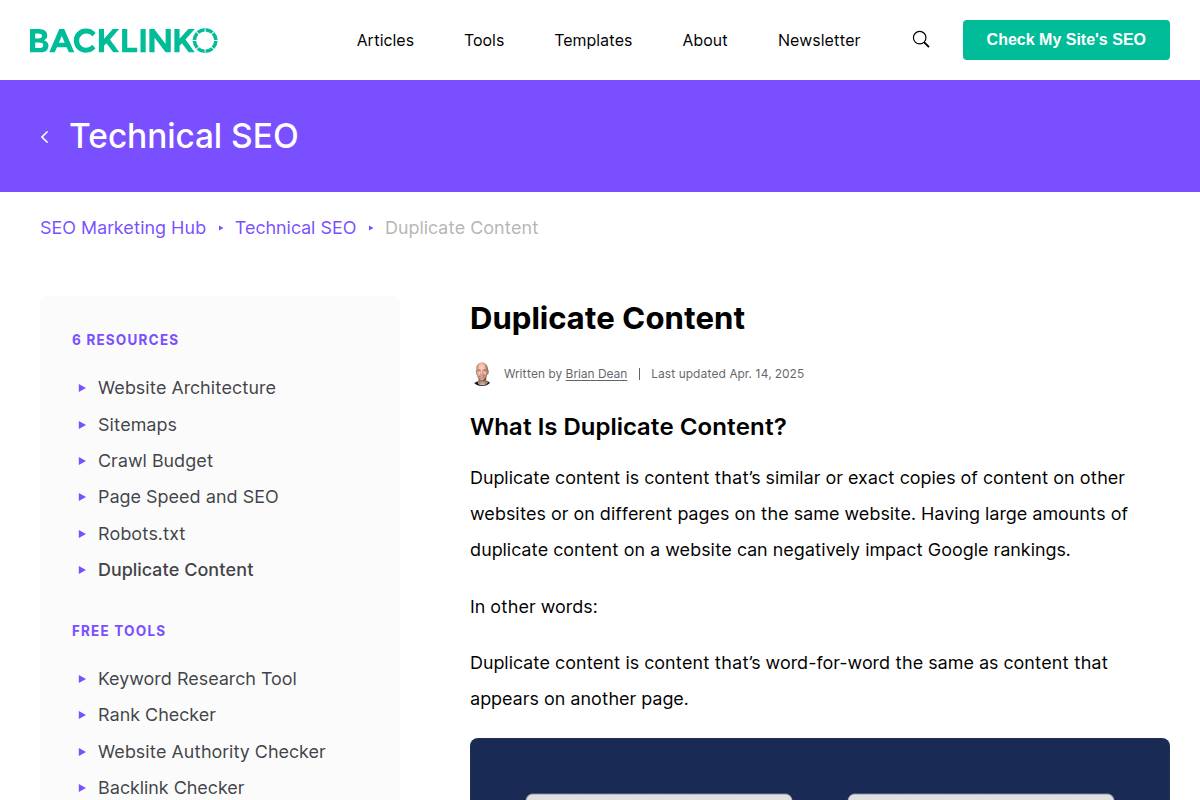
Duplicate content occurs when identical or substantially similar blocks of content appear across multiple URLs, either on the same site or different domains. Search engines like Google can struggle to determine which version is most relevant, causing confusion and diluted ranking power.
This problem often goes overlooked, yet it can significantly hinder a website’s visibility in search results. According to The 8 Top SEO Mistakes To Avoid in 2025, duplicate content is persistently cited as a barrier to strong search performance, especially on sites with large inventories or frequent content updates.
Key Details
The roots of duplicate content issues are surprisingly common. E-commerce platforms like Shopify and Magento frequently generate multiple URLs for product variants—different colors or sizes—resulting in near-identical product pages. News portals such as CNN or Reuters might publish syndicated content from wire services, leading to overlap across media outlets.
Boilerplate descriptions—such as policy disclaimers or event listings—are another major source. For instance, real estate websites often copy-paste listing descriptions, which can make hundreds of pages virtually indistinguishable to search engines.
What Makes It Special
Duplicate content is not just a technical hiccup; it has far-reaching implications. Google’s index budget is finite, and if it encounters repeat content, it may skip indexing important or newly published pages altogether.
A notable example is when Overstock.com saw a significant drop in rankings after large portions of its product catalog were detected as duplicates due to redundant manufacturer descriptions. Such ranking drops are not isolated; they can affect both small businesses and household names.
Considerations
Addressing duplicate content requires a deliberate technical and content strategy. Implementing canonical tags tells search engines which version of a page should be prioritized—critical for e-commerce sites with dynamic URLs.
Creating unique, value-driven content for every major page ensures better search visibility. For instance, Zappos enriches each product page with customer reviews and detailed sizing information, even when multiple variants exist.
Best For
This issue is especially relevant for businesses managing vast inventories or publishing frequent updates. E-commerce stores, such as Amazon and Best Buy, face ongoing challenges with variant pages, while news portals and large content-driven sites—like Forbes or WebMD—must protect against duplicate syndication and boilerplate repetition.
Additional Info
Routine monitoring for duplicate content can help mitigate future risks. Tools like Copyscape and Siteliner are widely used in the industry to search for content overlap and detect URL variations.
For instance, HubSpot relies on Siteliner’s scanning reports to audit its extensive blog archive, ensuring old posts aren’t resurfacing as unintentional duplicates due to content repurposing or migration errors.
Reference:
Duplicate Content and SEO: The Complete Guide
Slow Website Speed
Overview
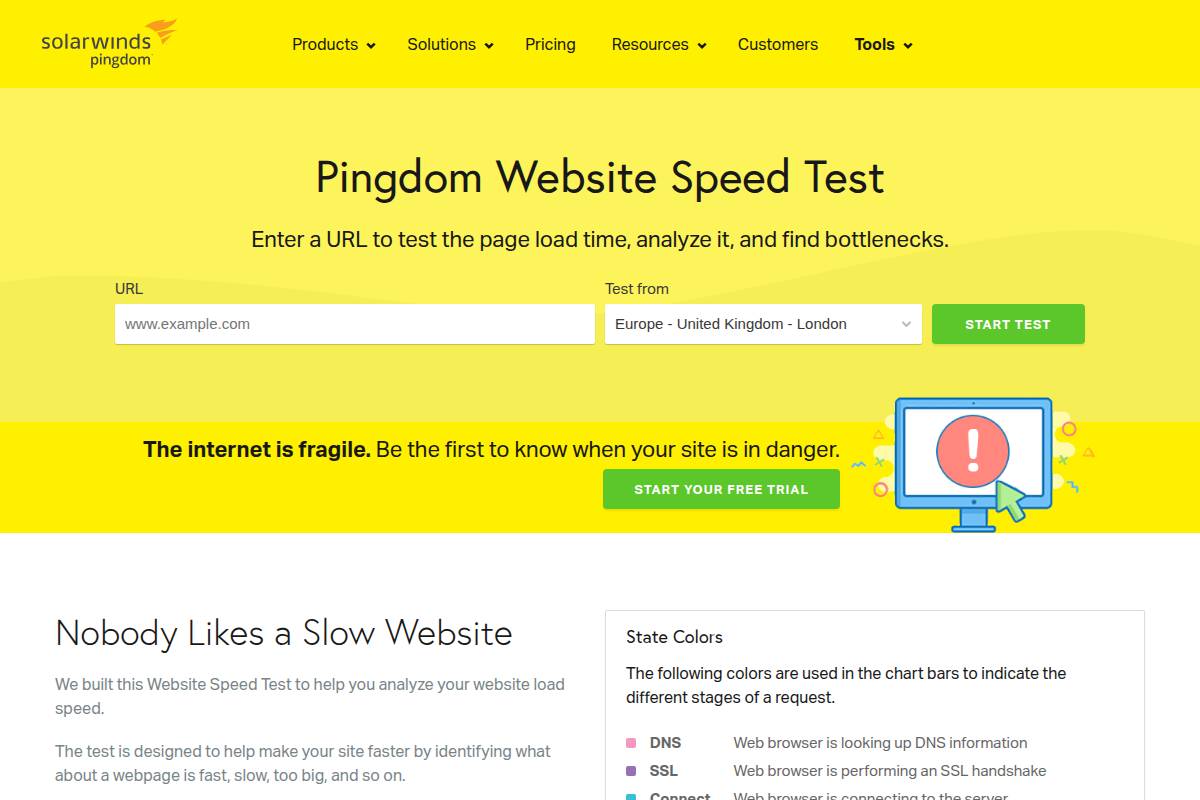
Website performance is a significant concern for content creators, marketing teams, and agencies who depend on search visibility for growth. As Core Web Vitals have become integral to Google’s ranking algorithm, the pressure to ensure fast-loading pages has intensified.
Slow sites disrupt user engagement. Amazon famously discovered that a 100-millisecond delay in load time led to a 1% decrease in sales. This isn’t just about theoretical best practices—speed is now a direct contributor to business outcomes and the way search engines perceive your site.
Key Details
Several technical factors can drag your site’s performance. Large, uncompressed images are a frequent culprit, consuming precious bandwidth and slowing render times. Inefficient or obsolete site code—such as outdated JavaScript libraries or CSS—also saps speed and prevents browsers from displaying content quickly.
Poor-quality web hosting can be equally problematic. For instance, if a blog hosted on a low-tier shared server starts gaining traction, increased traffic may overwhelm resources, leading to frustratingly slow page loads. Airbnb’s engineering team addressed similar scalability issues by reworking legacy infrastructure and adopting global hosting providers to support their user base.
What Makes It Special
Unlike aesthetic or content tweaks, speed improvements yield measurable, bottom-line results. Research from Google and Deloitte shows that even a one-second improvement in mobile site speed can boost conversions by up to 27% for large retailers.
Speed directly impacts organic rankings and conversion rates—Slower sites have higher bounce rates and less engagement. Even small delays can result in significant revenue loss, especially for ecommerce or heavily-trafficked platforms.
Considerations
A strategic approach is needed to tackle performance issues. Image optimization is one of the quickest wins—tools like ImageOptim and TinyPNG are industry standards for compressing large assets without loss of quality. Implementing server-side caching, such as through Varnish or Cloudflare, enhances server response times for frequent visitors.
For businesses with an international audience, deploying a content delivery network (CDN) like Akamai or Fastly ensures content is delivered from the nearest server location, reducing load times and providing a consistent user experience worldwide.
Best For
Speed optimizations are critical for visually rich websites, such as online magazines (Vogue.com has invested heavily in lazy loading for image galleries) and ecommerce stores with global reach like Shopify. Multinational businesses targeting users in different geographic regions also benefit greatly from these enhancements, as proximity to data centers directly influences site performance.
Any organization relying on video, high-res images, or interactive storytelling can expect measurable improvement in user metrics after addressing speed issues.
Additional Info
Continuous optimization is essential. Google PageSpeed Insights offers actionable diagnostics for site owners, highlighting specific bottlenecks in real time. Brands such as The Guardian regularly perform audits, using the insights to iterate and refine their web assets.
Establishing a bi-annual or quarterly speed audit process can prevent regressions and ensure that ongoing development does not inadvertently harm the user experience.
Reference:
Website Speed Test | Pingdom Tools
Missing or Poor Quality Meta Descriptions
Overview
Meta descriptions play a pivotal role in SEO by encouraging searchers to click on your content from the search results. These short summaries not only improve click-through rates, but they also shape what users expect to see on your page before clicking the link.
Since Google’s search algorithm sometimes rewrites meta descriptions, having an engaging, relevant summary influences both visibility and user interaction. Backlinko’s research shows that pages with unique meta descriptions can improve CTR by up to 5.8% in competitive industries.
Key Details
If you fail to add meta descriptions, or if you settle for generic ones, you risk missing out on valuable organic search traffic. Search engines might pull random snippets from your content, resulting in confusing or contextless previews.
Amazon, for example, optimizes each product page with tailored meta descriptions highlighting product features, which helps drive higher click-through rates—especially compared to pages left without custom summaries.
What Makes It Special
Compelling and relevant meta descriptions make your web page stand out on crowded search engine result pages (SERPs). A well-crafted description quickly communicates benefits and differentiators, grabbing attention before users ever land on your site.
HubSpot’s blog saw a 10% boost in organic traffic when they rewrote and individualized more than 300 meta descriptions for their highest value pages, illustrating the impact of targeted optimization.
Considerations
For optimal results, every meta description should be tailored to its specific page. Incorporate target keywords naturally to signal relevance while focusing on messaging that communicates real value to the end user.
For instance, Grammarly customizes its landing page meta descriptions to highlight distinct features, such as “real-time grammar correction,” appealing directly to searcher intent and increasing conversion potential.
Best For
This approach is particularly effective for content creators and marketers managing broad content portfolios, such as blogs or landing pages for ecommerce, SaaS, or service businesses. Precise meta descriptions can help distinguish your page from similar search listings and preserve valuable ranking opportunities.
Additional Info
To maximize visibility, craft meta descriptions between 155 and 160 characters for desktop results. This ensures the full description is displayed by Google without awkward cut-offs or missing calls to action.
For example, Moz recommends a 155-character target, as anything longer is typically truncated in search results, reducing effectiveness and clarity for users scanning SERPs.
Reference:
Meta Description and Meta Title Not Displaying Properly in …
Broken Internal and External Links
Overview
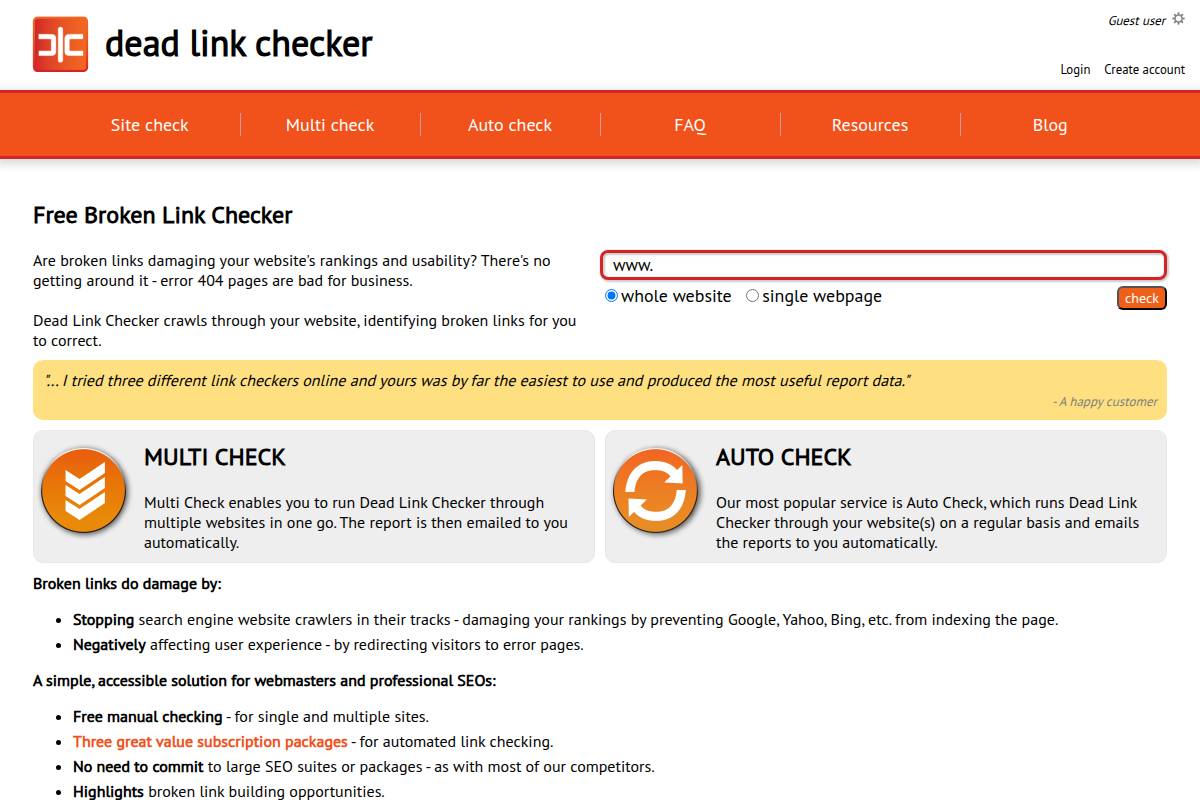
Broken links, whether they are internal connections within your own website or external links leading elsewhere, can significantly impact SEO and user experience. A user who clicks a link expecting valuable content but instead arrives at a 404 error page may lose confidence in both the website and brand reliability.
For SEO practitioners, these errors signal to search engines that a site may not be maintained regularly. Search engines like Google can reduce a site’s ranking when multiple dead links are detected, which ultimately results in lower organic visibility and diminished trust signals to users.
Key Details
Websites that undergo frequent updates, such as news outlets or e-commerce sites with high product turnover, are especially vulnerable to broken links. For example, Amazon must regularly review its massive product catalog to ensure that outdated product links are either redirected or removed. In large content environments, articles or resources may be unpublished or moved, causing previously established links to fail.
Another area where dead links are prominent is in user-generated content platforms. Wikipedia, due to constant editing and external sourcing, implements routine link-checking to maintain credibility. Failing to monitor links on such dynamic platforms can lead to a rapid accumulation of 404 errors, both internally and externally.
What Makes It Special
Broken links are more than just a minor inconvenience. Google’s documentation notes that an abundance of dead links is viewed as a sign of neglect, impacting indexing frequency and crawl budgets. Well-maintained sites, by contrast, are favored by search engines and are crawled more efficiently.
John Mueller from Google has stated that while a few dead links won’t tank your SEO, persistent and widespread issues can indicate broader site quality problems. Therefore, timely identification and correction of broken links directly reflect on the site’s upkeep and trustworthiness in Google’s eyes.
Considerations
Proactive link audits are an essential part of technical SEO hygiene for complex sites. Popular tools such as Ahrefs and Screaming Frog allow teams to systematically crawl websites, detect broken links, and provide prioritized reports for remediation.
For example, The New York Times uses automated site crawlers as part of their digital operations to ensure all news articles and archives maintain functional links, reducing the risk of lost SEO equity on evergreen content. Regular reviews, accompanied by automated alerts, streamline maintenance for large content databases.
Best For
Addressing broken links is especially crucial for enterprise-level and high-authority sites with expansive internal linking strategies. Large retailers and sites with extensive blog networks, such as HubSpot or Walmart, invest in dedicated SEO monitoring efforts for this reason.
Sites publishing thousands of pages, such as academic research libraries or government portals, also benefit significantly from structured link audits to prevent loss of critical search engine visibility due to link decay.
Additional Info
When encountering outdated URLs, it’s critical to take appropriate actions: update them to correct destinations whenever possible, implement 301 redirects if content has moved permanently, or remove the link altogether if the resource is no longer relevant. For example, NASA regularly updates and redirects research pages as new findings are published, preserving traffic and ranking signals.
Setting up routine crawls ensures that link rot remains a manageable technical challenge rather than a persistent drag on digital performance and user trust.
Reference:
Dead Link Checker: Free Broken Link Checking Tool
Overlooking Technical SEO Elements
Overview
Technical SEO forms the groundwork of every successful organic search strategy. No matter how brilliant your content may be, if search engines cannot efficiently crawl or index your website, visibility will suffer. Foundational factors like crawlability, indexation, and overall site health dictate whether your content even has a chance to rank.
Search engines depend on well-structured technical signals to assess your site. Issues like broken links, poor site speed, or improper redirects can quietly erode your search performance over time. In sectors such as e-commerce, technical oversights have cost online giants literal millions in lost organic revenue.
Key Details
Essential technical SEO elements include a correctly formatted XML sitemap, an optimized robots.txt file, schema markup for enhanced search results, and a clean, logical site architecture. These features ensure that search engines efficiently discover, understand, and properly index your pages.
For instance, Walmart’s technical SEO team implemented structured data at scale, gaining rich snippets and improving click-through rates across thousands of products. Tools like Screaming Frog can reveal overlooked crawl errors or duplicate content issues before they impact rankings.
What Makes It Special
Effective technical SEO is a silent multiplier. Even the highest-quality content may never rank if crucial technical barriers exist. For example, when the fashion retailer ASOS accidentally disallowed large portions of their site via robots.txt, they saw a sharp decline in organic visibility—despite continual content investment.
This underscores a key reality in SEO: technical missteps can instantly undercut months of hard work and investment in on-page optimization. Getting the basics right prevents wasted effort and ensures content has a fighting chance in competitive search landscapes.
Considerations
Conducting regular technical audits is crucial for maintaining site health. Google Search Console remains indispensable for monitoring issue discoveries, such as crawl errors and mobile usability concerns.
Many agencies perform quarterly technical audits using tools like DeepCrawl or SEMrush, systematically addressing flagged concerns. Consistent monitoring and remediation can prevent costly problems before they escalate, as SEO firm Distilled highlighted in its widely cited technical SEO case studies.
Best For
Technical SEO diligence is particularly important for agencies managing enterprise portfolios, developers responsible for website infrastructure, and in-house SEO teams tasked with ongoing performance. Businesses with large or complex sites—such as news publishers or online retailers—find the greatest benefit by embedding technical SEO best practices into every deployment cycle.
Additional Info
The search landscape constantly evolves, making it crucial to stay informed about Google’s technical requirements and best practices. Google’s documentation frequently updates guidance on issues like Core Web Vitals and JavaScript rendering, impacting how sites are assessed and ranked.
Keeping pace with ongoing algorithm and feature releases is not optional; it’s a requirement for maintaining technical excellence and long-term search visibility.
Reference:
The 10 Most Overlooked SEO Mistakes and How to Fix Them
Lack of High-Quality Backlinks
Overview
Backlinks—links from other reputable sites pointing to your domain—remain one of the most powerful ranking signals in Google’s algorithm. Earning links from authoritative sources signals trustworthiness and content value, directly impacting your rankings and visibility. For content-driven businesses, a robust, high-quality backlink profile sets the foundation for organic SEO growth.
For example, HubSpot’s consistent guest posting and data-driven reports have helped it attract thousands of links from recognized publications like Forbes and Inc., greatly enhancing its authority and search rankings. Achieving similar success requires ongoing, deliberate efforts to secure links that matter.
Key Details
Sustaining a stagnant backlink profile or accumulating links from spammy domains can erode your domain authority. Search engines increasingly scrutinize both the quantity and quality of backlinks when gauging site trustworthiness.
Consider the fall of J.C. Penney’s SEO in 2011, when manipulative link schemes led to ranking penalties from Google — underscoring that spammy tactics carry long-term risks. Top-performing sites monitor their inbound links and ensure relevance aligns with their target audience.
What Makes It Special
Cultivating quality backlinks builds sustainable SEO momentum. Unlike quick-win tactics, high-caliber external endorsements serve as long-term trust and authority signals. Link equity from respected industry sites continues to pass value, yielding recurring benefits from a single successful campaign.
For instance, Moz’s “Beginner’s Guide to SEO” earns thousands of citations from academic.edu, Search Engine Journal, and marketing blogs. These natural links support persistent high rankings years after publication, illustrating compounding SEO returns from quality-focused initiatives.
Considerations
Pursue backlinks from trusted, industry-appropriate sources to maximize impact. Outreach campaigns should target publications, partners, and resource directories that resonate with your niche and intended audience.
Startups can study how Ahrefs strategically earns links by publishing original research and data studies relevant to online marketing professionals and journalists seeking trustworthy sources.
Best For
Building a strong backlink profile is critical for businesses seeking rapid growth within competitive sectors where ranking on key terms can yield significant commercial value.
Tech firms vying for position on high-volume SaaS-related keywords, or e-commerce platforms competing for product searches, both benefit immensely from sustained quality link acquisition.
Additional Info
Audit your backlink landscape using industry tools such as SEMrush or Moz Link Explorer. These platforms visualize historical trends, flag toxic links, and benchmark competitors, ensuring your strategies remain effective and penalty-free.
For instance, SEMrush users can set up automated alerts to monitor new referring domains and track lost links, letting you quickly identify gaps or capitalize on emerging opportunities as your campaign matures.
Reference:
When it comes to backlinks, do you focus more on quantity …
Poor Content Structure and Readability
Overview
Content that lacks structure or is hard to read will quickly turn visitors away, sending negative signals to search engines. This not only impacts bounce rate but also diminishes the likelihood of organic ranking improvements.
Google’s search quality guidelines specifically mention how the organization and clarity of content are factored into their assessment. When users can’t navigate information easily, they tend to leave without engaging further, reducing dwell time and signaling that the content isn’t meeting their needs.
Key Details
Several recurring issues make content structures difficult to digest. Common culprits are missing headers, excessively long paragraphs, and pages packed with unformatted blocks of text.
For example, a recent review of The New York Times’ digital articles shows a deliberate use of short paragraphs, informative subheadings, and multimedia elements to pace readers and improve clarity. In contrast, forum posts on older platforms like Craigslist often perform far worse on readability and user retention due to their unstructured nature.
What Makes It Special
User engagement metrics, such as average session duration and scroll depth, serve as direct ranking factors in many algorithms. The more intuitive the layout, the longer readers will stay and interact with the page.
According to SEMrush’s content marketing report, pages with clear hierarchy and concise sections see up to 30% lower bounce rates than those with a chaotic structure. Structuring content appropriately translates directly to SEO gains.
Considerations
Breaking dense content into shorter paragraphs, organizing material with H2/H3 subheadings, and punctuating text with images or bulleted lists dramatically boost scanability. These elements help both readers and search engines alike understand the main themes.
For instance, HubSpot’s blog utilizes lists, visuals, and bite-sized sections to hold attention and drive repeat visits—demonstrating the effectiveness of this strategy.
Best For
Improving content structure is vital for bloggers, digital marketers, and teams focusing on top-of-funnel engagement. Anyone aiming to increase time-on-page and spark return visits will benefit from these best practices.
Marketing agencies use structured content layouts as a core part of their SEO offerings, highlighting their importance for businesses in competitive niches.
Additional Info
Readability tools have become essential for ensuring clarity and flow. Apps like Hemingway highlight overly complex sentences, while Grammarly helps refine grammar and punctuation on the fly.
Popular sites such as Forbes and Medium frequently run their contributors’ articles through these tools to maintain editorial standards and ensure their content is accessible to a broad audience.
Reference:
How to Improve Content Readability | The Content Lab
Neglecting Local SEO Optimization
Overview
Local SEO plays a pivotal role in capturing customers searching for services and products in their immediate area. Without focused local optimization, businesses miss out on valuable “near me” and city-specific searches that drive in-person visits and service bookings. Google estimates that nearly 46% of all searches have local intent, illustrating the massive audience that can be lost by ignoring this channel.
For example, a restaurant in Chicago without local SEO may not appear to someone searching “deep dish pizza near me” within city limits, resulting in lost foot traffic to competitors who have invested in their local signals.
Key Details
Establishing a complete and accurate digital footprint is critical for local visibility. Google Business Profile (formerly Google My Business), consistency in NAP (Name, Address, Phone number) details, and a robust set of local reviews all factor into how prominently your business appears in map packs and local search results.
Inconsistent NAP information across directories can confuse both Google’s algorithm and potential customers. A 2018 BrightLocal study found businesses with more reviews and a higher average rating improved their local pack ranking significantly, highlighting why scarcity of genuine reviews or incomplete profiles are major barriers to local search success.
What Makes It Special
For US-based audiences, local search reliability and accuracy are essential. National Retail Federation research shows 87% of US consumers use online searches to find nearby stores, suppliers, or service providers before visiting in person. Local SEO directly impacts decisions throughout the customer journey, from research to purchase.
Small businesses such as Ace Hardware and ServiceMaster Clean have seen documented growth in store visits by implementing location-specific keywords and focusing on reputation management.
Considerations
Effective local marketing begins with fully optimizing your Google Business Profile. This means updating hours, services, photos, and responding promptly to customer reviews. Genuine reviews on Google and industry-specific platforms can build trust and improve rankings.
Embedding local keywords—such as neighborhoods and city names—throughout your site’s content and meta tags can signal local relevance. A plumbing service in Austin, for example, may include landing pages for “emergency plumber in South Austin” to catch hyper-specific searches.
Best For
Prioritizing local SEO is crucial for businesses that depend on local clientele. This includes:
- Brick-and-mortar stores—like The Container Store or Main Street bakeries aiming for walk-in traffic.
- Service providers—such as real estate agencies, clinics, or HVAC repair companies servicing defined geographic areas.
- Local marketing agencies who tailor SEO strategies to boost visibility for community-based clients.
Additional Info
Participating in reputable local directories (like Yelp, YellowPages, or Angi) extends your business’s presence beyond Google alone. Consistent listings in these directories can improve authority and local trust.
For multi-location businesses, building dedicated landing pages for each location—such as Starbucks’ individual branch pages—helps connect customers to their nearest branch and supports better local ranking signals in each target area.
Reference:
The Hidden Costs of Ignoring Local SEO and How to Fix Them
How to Choose the Right One
Deciding which SEO fixes to prioritize can make a significant difference in how efficiently your site grows online. With a variety of issues that can affect search rankings and user experience, it’s important to use data-driven insights and reliable methods when identifying which technical or content-related tasks deserve urgent attention.
Evaluate Your Site’s Analytics to Pinpoint Urgent SEO Issues
Start by diving into your website’s analytics to identify critical problems. Google Analytics and Google Search Console are essential tools for uncovering declining traffic trends, pages with high bounce rates, and technical errors.
For instance, HubSpot discovered in their 2023 audit that a sharp traffic drop stemmed from a handful of broken internal links. By analyzing landing page performance and crawl errors, they quickly isolated issues that had a direct impact on conversions and search visibility.
Compare Potential Impact: Address Technical Errors and Mobile Optimization First
Some SEO problems impact your site more severely than others. Technical issues—such as 404 errors, slow load times, and poor mobile responsiveness—can effectively block both search engines and users from accessing your content.
Consider the case of Walmart. After optimizing their website for mobile in 2022, page load times improved by 20%, resulting in a 2% increase in conversion rate. Prioritizing foundational fixes like these often produces immediate, measurable results.
Prioritize Fixes That Align With Business Goals and Audience Behavior
Every website has unique objectives. Aligning your SEO improvements with core business goals ensures your efforts translate to concrete returns—such as increased leads or sales. If your audience skews heavily mobile, for example, ensuring flawless mobile navigation must rise to the top of your SEO to-do list.
Online printer VistaPrint shifted their focus toward optimizing product category pages based on audience engagement data, leading to a 24% jump in organic sales over six months.
Use Reliable SEO Audit Tools to Identify Hidden Errors
Manual reviews often overlook complex or subtle SEO issues. Robust tools like Ahrefs, SEMrush, and Screaming Frog scan every corner of your site, highlighting duplicate content, missing metadata, and crawl issues not visible from the surface.
After a comprehensive scan using SEMrush’s Site Audit, Moz identified an entire cluster of unindexed blog posts, which had been inadvertently blocked by their robots.txt file. Automated auditing flagged the problem, saving significant editorial effort and restoring organic visibility almost immediately.
FAQ Section
Common Questions About SEO Audits and Mistakes
Addressing frequently asked questions is essential for content creators and businesses focused on SEO growth. Each concern touches on practical issues agencies and in-house teams face daily—ranging from audit frequency to plugin optimization.
The following answers provide actionable insights, supported by real examples, to help you avoid costly mistakes and keep your digital strategies aligned with industry standards.
How often should I audit my website for SEO mistakes?
Regular site audits are key to maintaining search visibility and preventing organic traffic loss. Experts at Moz and SEMrush recommend a comprehensive SEO audit every quarter. This frequency lets teams detect issues like broken links, mobile usability errors, or slow page speed before they hinder search rankings.
For instance, after the New York Times redesigned its website, it ran quarterly SEO audits to uncover new indexation issues and duplicate content—allowing them to sustain their organic traffic through major platform transitions.
Are some SEO mistakes more damaging than others?
Technical SEO errors typically cause the greatest harm to your site. For example, Unbounce experienced a 34% drop in organic visits after a misconfigured robots.txt file blocked Google from crawling key landing pages.
Problems like server downtime, broken redirects, and critical mobile usability failures can swiftly cut rankings and traffic, making technical SEO health a top priority for every business and agency.
What is the easiest SEO mistake to fix for immediate results?
One of the fastest SEO wins is updating meta descriptions. HubSpot improved its landing page click-through rate by 20% simply by rewriting vague, duplicate meta descriptions with concise, targeted messaging.
This quick fix often requires no developer involvement but directly impacts your page’s attractiveness in Google’s results, which can lead to noticeable traffic gains in days.
Can using too many SEO plugins cause mistakes?
Excessive plugins can slow down your site and introduce conflicts. On WordPress, for instance, multiple poorly-coded SEO plugins like Yoast SEO combined with All in One SEO frequently clash over meta tag management, leading to duplicate tags or blocked resources.
Stick with essential, reputable plugins, and regularly audit them. CNN trimmed its plugin stack by 30% in 2022, resolving major site speed and mobile usability concerns tied to unnecessary add-ons.
How can I ensure my SEO best practices stay up-to-date?
SEO is constantly evolving. Leading agencies like Distilled stay current by following Moz, Search Engine Journal, and Google’s Search Central Blog for the latest updates and case studies.
Set up Google Alerts for SEO algorithm changes, and incorporate quarterly reviews of Google’s official documentation into your agency or marketing workflow to avoid outdated practices and remain competitive.