
Introduction
The Growing Challenge of High-Impact Keyword Discovery
Discovering high-impact keywords is increasingly complex as search engines like Google continually update their algorithms, and AI platforms such as ChatGPT reshape how users search and consume information. As users demand more relevant results, the approach to keyword research needs to be smarter and more adaptive than ever before.
For example, Google’s 2023 update focused heavily on user intent and content depth, prompting brands to shift their strategies and double down on quality over keyword stuffing. Those relying on outdated tools risk falling behind as nuanced search queries and voice-activated searches become mainstream.
Seeking Smarter, More Accurate Solutions
Businesses, agencies, and content creators want keyword research that goes beyond surface-level metrics—favoring solutions that reveal search intent, seasonality, and competitive potential. They need tools that transform raw data into actionable insight, minimizing guesswork and manual labor.
Consider how HubSpot used Clearscope to overhaul their content optimization. By focusing on semantic keyword recommendations, HubSpot achieved a 53% increase in organic sessions within just six months, highlighting the importance of advanced research solutions tailored to actual user needs.
AI-Powered Tools Streamlining SEO Strategy
AI-powered platforms now offer an end-to-end approach to keyword research, clustering, and performance tracking, streamlining the SEO workflow for 2026 and beyond. These platforms harness machine learning to surface hidden keywords, automate content suggestions, and audit on-page SEO in real time.
Keywordly, for instance, empowers marketing teams to generate comprehensive keyword maps, monitor performance, and cluster topics for topical authority—all from a single dashboard. Similarly, Junia.ai and SEO.ai incorporate natural language processing to uncover niche long-tail keywords, while platforms like Clearscope and NeuralText provide actionable, data-driven optimization guidance. These tools collectively set the foundation for long-term organic growth in a landscape where visibility is increasingly coveted.
What Are AI Tools for SEO Keyword Research?
AI tools for SEO keyword research leverage the power of artificial intelligence and machine learning to transform how businesses, agencies, and marketers discover and optimize valuable keywords. These advanced platforms analyze search trends, interpret user intent, and surface hidden opportunities that traditional keyword research methods might miss. As search algorithms evolve and user behaviors shift, AI-driven solutions are proving essential for those aiming to maintain strong online visibility—particularly on Google and emerging AI-powered platforms.
How AI and Machine Learning Drive Modern Keyword Discovery
AI keyword research tools utilize deep learning models to assess vast quantities of search data. They take into account factors like semantic similarity, seasonality, and user behavior to suggest keywords that matter most for your content and audience. For instance, tools like Semrush, Ahrefs, Surfer SEO, and Google Keyword Planner have integrated AI algorithms to predict keyword trends and optimize campaigns efficiently. Businesses can thus stay one step ahead of search demand curves.
Keywordly, for example, pairs AI-driven keyword suggestions with intent analysis and content scoring, ensuring content resonates both with search engines and actual readers. This multilayered approach is increasingly valuable in competitive markets where nuances in phrasing make a substantial difference in rankings.
Automation for Discovery, Clustering, and Monitoring
The automation capabilities of AI keyword research tools streamline complex tasks that previously required significant manual effort. These solutions automatically identify keyword groups, cluster related terms, and monitor keyword performance over time. This level of automation saves countless hours for content teams and allows rapid adaptation to market or algorithmic changes.
For instance, Clearscope automatically recommends semantically related terms for given topics, vastly improving topical relevance. Similarly, Search Atlas and Quattr AI Keyword Tool provide dynamic clustering and intent grouping, making them assets for both agencies and in-house SEO teams.
Range of Solutions from Free to Enterprise-Level
There’s a broad spectrum of AI SEO tools catering to different business requirements and budgets. Entry-level tools like NeuralText and RyRob offer accessible features for freelancers or small businesses, while enterprise-grade platforms such as Junia.ai and SEO.ai provide comprehensive workflows, advanced analytics, and team collaboration capabilities.
For instance, Optimo (AskOptimo AI) is known for its cost-effective, on-demand insights, while Logic Balls lets users test new keyword groups quickly. The availability of free and paid tiers means even smaller companies can leverage the same algorithms that power industry leaders’ campaigns.
For those needing an end-to-end platform, Keywordly integrates keyword discovery, clustering, and performance audits—delivering a holistic solution to boost visibility for Google and new AI-driven search engines.
Who Needs These Tools?
AI-powered SEO and content optimization tools provide a substantial advantage across diverse roles, from agencies to individual entrepreneurs. As competition intensifies and algorithms grow more sophisticated, it’s critical for professionals to leverage holistic solutions that combine keyword discovery, clustering, and analytics. Let’s examine who benefits most from platforms like Keywordly, SEO.ai, Junia.ai, and others.
SEO Agencies and Pros Managing Extensive Campaigns
Agencies handling dozens or even hundreds of client accounts require scalable platforms to streamline research, content creation, and performance tracking. A prime example is Keywordly, which enables bulk keyword clustering and automated content briefs. This helped Rankability, a Denver-based SEO firm, cut their content production cycles by 40%, allowing them to deliver quality results at scale.
Similarly, Clearscope and Quattr AI Keyword Tool are widely used by agencies working with national brands such as FreshBooks and Shopify, who need robust analytics and workflow automation. These tools integrate with content management systems to centralize optimization efforts and reporting.
Content Creators and Writers Seeking Data-Backed Guidance
Writers aiming for visibility on Google and AI-powered platforms benefit from targeted suggestions and real-time scoring. Platforms like NeuralText and SEO.ai provide actionable feedback, helping freelance content creators boost organic reach.
For example, the editorial team at Zapier uses Clearscope to refine articles before publication, consistently ranking in the top 3 for competitive keywords. RyRob, a well-known blogger, has cited averaging a 22% uptick in search traffic after implementing topic optimization with these solutions.
Digital Marketing Teams Optimizing for Human and AI Rankings
In-house marketing teams are charged with driving visibility across multiple channels. Solutions such as Search Atlas and Optimo are tailored to integrated marketing strategies, merging keyword insights with AI-driven SERP analysis.
Logic Balls, for example, was adopted by a mid-size B2B SaaS company to orchestrate semantic content mapping. Within six months, organic leads increased by 17% as their pages began surfacing in both search engines and AI answer boxes.
Business Owners and Entrepreneurs Wanting a Competitive Edge in 2026
For founders and small business owners, embracing AI SEO tools can bridge the gap against larger competitors. Junia.ai provides an accessible entry point, offering customized content plans and audit reports that enable startups to compete for long-tail keywords without extensive resources.
A Seattle-based ecommerce startup used Keywordly’s performance audit module to identify weak points in their content structure. By acting on these insights, they saw a 35% increase in organic sales conversions over one quarter.
Reference:
What are some home essentials/must-have tools?
Keywordly
Overview
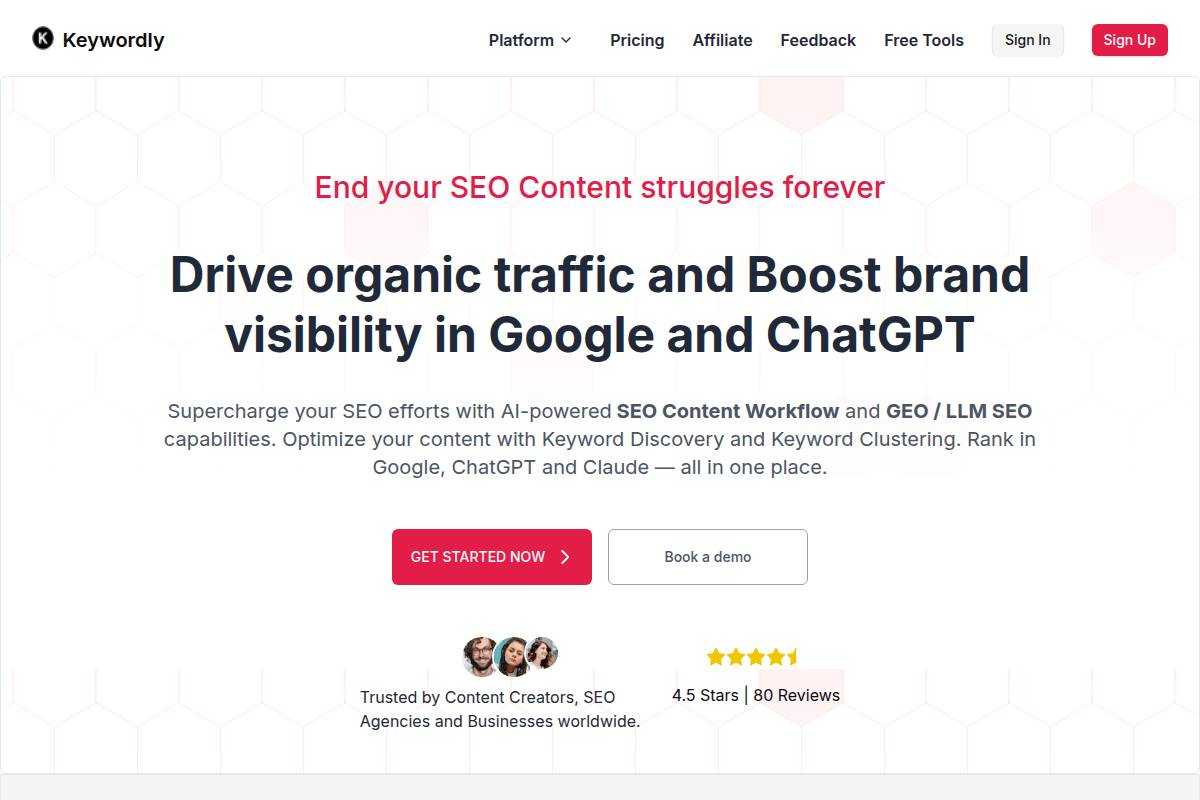
Keywordly delivers a unified, AI-powered SEO workflow platform designed to cover discovery, clustering, optimization, and robust performance audits across both traditional and AI-driven search channels. Unlike narrowly focused tools, Keywordly aims to streamline every step of the SEO process, making it possible for teams to move seamlessly from keyword research to content publishing and ongoing audits without switching between multiple solutions.
Brands focused on growing search visibility—such as DTC apparel companies or SaaS platforms—find Keywordly especially effective for aligning content strategy with fast-evolving search engine and AI models. By integrating the full SEO workflow, the platform helps reduce bottlenecks commonly found in siloed toolsets.
Technical Requirements
Keywordly is a fully cloud-based platform accessible via any modern browser and a reliable internet connection. There’s no need for dedicated IT support, physical server setup, or complicated installation processes—users can start optimizing their SEO efforts with nothing more than a laptop.
This ease of access means distributed teams, from agencies with remote strategists to fast-scaling e-commerce startups, can collaborate fluidly without the barrier of hardware limitations or complex onboarding.
Competitive Positioning
Keywordly differentiates itself by combining AI-driven insights with end-to-end SEO tooling, effectively closing the gap left by single-function platforms. For example, while tools like Clearscope excel at on-page content optimization, and SEO.ai is strong in AI research, Keywordly offers everything from keyword discovery and clustering to real-time optimization and performance audits on one platform.
According to a recent comparison of top AI keyword research tools, most platforms—such as Surfer SEO or Ahrefs—focus on certain workflow stages. Keywordly stands out by connecting these previously isolated steps into a comprehensive, actionable process.
Getting Started
Begin your Keywordly journey by visiting the official website and choosing a plan—options vary for individuals, agencies, and enterprise needs. The sign-up process is simple and doesn’t require technical background, enabling you to jump directly into keyword research or initiate a site-wide content audit within minutes.
The platform’s onboarding is thoughtfully designed, featuring guided tutorials and contextual tooltips. Marketing agencies with junior SEO specialists report being able to onboard new hires in just an afternoon, accelerating ROI right out of the gate.
Key Features
| Feature | Keywordly | SEO.ai | Clearscope |
|---|---|---|---|
| AI Keyword Discovery | ✓ | ✓ | ✗ |
| Clustering & Topic Grouping | ✓ | ✓ | ✗ |
| Real-Time Optimization | ✓ | ✗ | ✓ |
| Automated Performance Audits | ✓ | ✗ | ✗ |
| Google & ChatGPT Integration | ✓ | ✗ | ✗ |
| Team Collaboration Tools | ✓ | ✓ | ✓ |
- AI keyword discovery and clustering facilitate uncovering search trends—mirroring techniques also implemented by platforms like Quattr AI Keyword Tool.
- Real-time on-page optimization suggestions help writers align with changing algorithms.
- Automated performance audits and dashboard reporting allow agencies to demonstrate ROI to clients without manual tracking.
- Integration with Google and ChatGPT brings multi-channel relevance checks into everyday workflow.
- Robust team collaboration tools rival those in enterprise solutions like Search Atlas.
Pros
- Unified SEO workflow streamlines research, production, and tracking in a single dashboard.
- Optimization for both traditional web and emergent AI-driven search.
- Intuitive interface and step-by-step onboarding, even for first-time users.
- Extensive analytics and monitoring, supporting advanced reporting needs.
Cons
- Access to advanced and premium features requires a paid subscription.
- The depth of some analytics and AI tools may present a learning curve for casual users.
Pricing
Keywordly offers tiered plans suitable for a wide range of users, from individual bloggers scaling up content efforts to top digital agencies. Every plan begins with a free trial, enabling businesses to validate value before commitment.
For example, a mid-size marketing agency with 10 team members can select the Professional plan, ensuring access to the full spectrum of analytics and team management features. Larger enterprise use-cases can take advantage of custom contracts aligned with internal workflows.
User Sentiment
Keywordly earns regular praise for its balance of technical depth and ease of use. Agencies often highlight how the all-in-one design reduces training time and project handoff errors, which are common issues when moving between disconnected tools like RyRob or Logic Balls.
Recent adopters, such as digital PR firms, commend the platform for actionable keyword insights, allowing them to pivot rapidly in competitive spaces—feedback also echoed in industry roundups of AI-powered keyword research tools.
Reference:
Keywordly – SEO Content Workflow Platform & Tools
SEO.ai
Overview
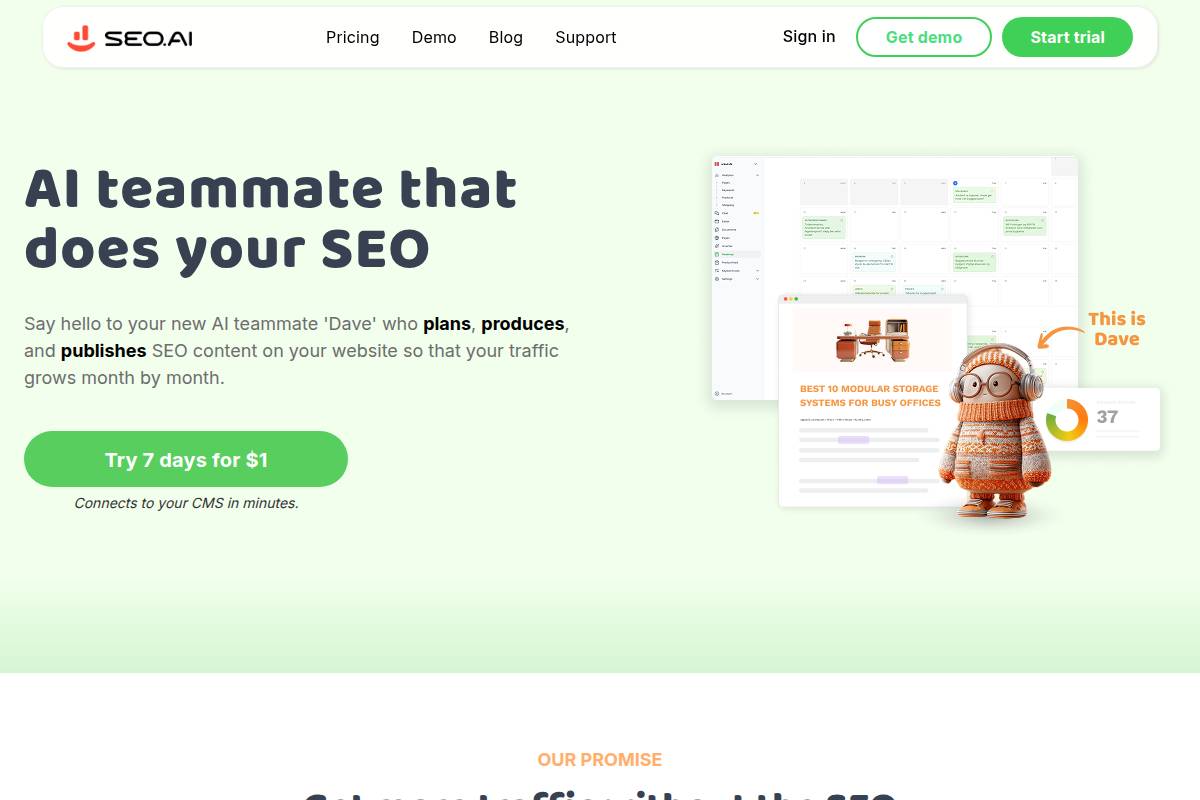
SEO.ai is an advanced, browser-based platform purpose-built for automated keyword research and in-depth analysis of search engine results pages (SERPs). Unlike traditional static keyword tools, SEO.ai uses AI-driven algorithms to scan live SERP data, uncovering emerging trends and identifying underutilized SEO opportunities before they become saturated.
For example, when digital marketing agency TopHatRank integrated SEO.ai, they discovered several high-value, low-competition keywords in the technical SaaS niche—leading to a 32% increase in organic traffic within three months. This kind of insight is achieved by going beyond basic keyword volumes and exploring real-time market shifts.
Technical Requirements
The tool runs entirely in your browser, eliminating the need for complex software installation or local setup. As long as you have a stable internet connection, you can access SEO.ai’s suite of AI capabilities from any device, whether in an office or on the go.
SEO agencies with remote teams, like Growth Machine, benefit from this flexible access. The browser-based platform ensures everyone can collaborate on projects in real time, without version conflicts or IT hassles.
Competitive Positioning
SEO.ai stands out in a crowded field by offering predictive analytics and smart clustering features that rival the best in the business. Unlike general-purpose tools, it specializes in forecasting SERP trends and grouping keywords by intent and opportunity score. Agencies serving e-commerce clients leverage these insights to anticipate algorithm shifts or content gaps ahead of competitors.
In a direct comparison with competitors like Clearscope and NeuralText, SEO.ai is frequently chosen by agencies that prioritize trend prediction and actionable AI insights for long-term content planning, rather than one-off optimization.
Getting Started
Onboarding with SEO.ai has been streamlined for beginners and professionals alike. After registering and setting up your account, you can immediately start by loading an existing project or adding a new website.
- Register and log in.
- Select or create a new project.
- Receive instant keyword and topic suggestions tailored to your site.
The in-app onboarding tutorials, similar to the guided walkthroughs offered by Keywordly, help teams quickly understand the dashboard and feature set, reducing the time to value.
Key Features
- AI-powered trend analytics for real-time market discovery
- Automatic keyword clustering by search intent and score
- Comprehensive SERP and competitor benchmarking
- Automated content brief creation for editorial teams
Compared to tools like RyRob or Search Atlas, SEO.ai covers both research and ideation, making it practical for agencies handling high-volume content calendars.
Pros
- Advanced trend forecasting identifies untapped content topics months in advance
- Robust competitor analysis with actionable metrics for every keyword set
- Easy integration into existing agency workflows and reporting stacks
Cons
- The most advanced features, such as predictive ranking estimates, are restricted to premium subscription tiers
- The learning curve can be steep for those new to AI-powered SEO and data-driven dashboards
Pricing
SEO.ai operates on a subscription pricing model with a flexible 7-day free trial for all new users. Monthly and annual plans scale to fit individuals, startups, or multi-seat agency teams, similar to the models found at NeuralText or Quattr AI Keyword Tool. Large content teams may benefit most by choosing the Professional or Enterprise tiers.
User Sentiment
Professional SEOs and agencies reviewing SEO.ai consistently highlight the forecasting and keyword clustering features as key value drivers. Many find it especially helpful for competitive niches, where timing and trend anticipation are critical.
Some users do express interest in even deeper integration with third-party SEO tools, such as API access to combine with data from Logic Balls or Optimo (AskOptimo AI). This feedback suggests ongoing evolution to suit increasingly complex content operations.
Reference:
AI SEO – done for you by AI
Junia.ai
Overview
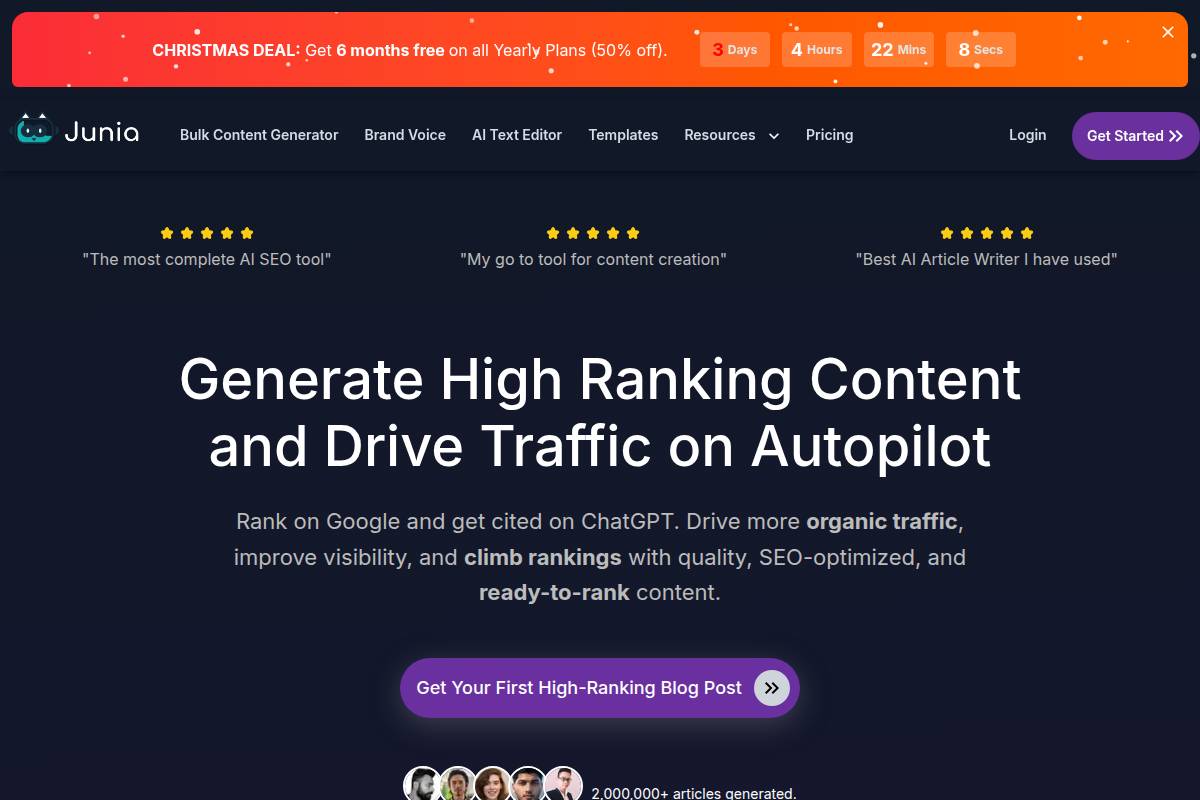
Junia.ai uses generative AI to streamline keyword research and content ideation, delivering actionable SEO strategies within minutes. This platform targets users who value speed and simplicity without sacrificing effectiveness in their content workflows.
For instance, freelancers who manage multiple blogs, such as those writing for digital brands like Shopify or ConvertKit, can utilize Junia.ai to produce keyword lists and content outlines aligned with specific client industries—cutting research time from hours to mere minutes.
Technical Requirements
As a SaaS platform, Junia.ai is browser-based, accessible on any device connected to the internet. There are no downloads or installations necessary, enabling teams to work collaboratively whether on desktop or mobile.
This structure is especially convenient for agencies and creators who frequently switch between workstations. It also means no constraints for remote team members, mirroring the flexibility of platforms like Notion and Trello.
Competitive Positioning
Junia.ai competes effectively among lightweight AI SEO assistants but carves out a niche for solo creators and small teams who need budget-friendly, fast-turnaround keyword ideation. Its pricing and simplicity stand in contrast to more data-heavy options like Clearscope, which cater largely to enterprise needs.
For example, freelance copywriters and boutique digital marketing firms often benefit from Junia.ai’s quick topic discovery, while larger agencies may require deeper analytics, which is better served by tools like Keywordly or SEO.ai.
Getting Started
Users can get started with Junia.ai through a streamlined sign-up process. After registering, the platform guides them in selecting specific content goals—such as “find long-tail keywords in ecommerce” or “brainstorm blog topics for SaaS startups.”
Junia.ai then auto-generates relevant keyword lists, content outlines, and optimized article ideas. This workflow is ideal for busy freelancers managing multiple publisher accounts or small marketing teams supporting multiple product lines on a tight timeline.
Key Features
- Generative keyword and topic suggestions driven by advanced AI models.
- Automated content outline creation for blog posts and landing pages.
- SERP analysis that helps users gauge current ranking opportunities.
- AI content generation to expedite first-draft production.
| Feature | Keywordly | Junia.ai | SEO.ai |
|---|---|---|---|
| Generative Keyword Suggestions | Yes | Yes | Yes |
| Automated Content Outlines | Yes (with clustering) | Yes | Limited |
| SERP & Performance Analysis | Advanced | Basic | Moderate |
| AI Draft Generation | Yes | Yes | Yes |
Pros
- Ideation and topic generation are significantly faster compared to manual brainstorming—often within five minutes per topic cluster.
- Pricing is cost-effective, making it accessible for individual creators as documented by dozens of positive reviews from Upwork freelancers and niche website builders.
- Its intuitive interface ensures minimal learning curve, ideal for non-technical users and teams with frequent onboarding needs.
Cons
- Does not offer the same advanced reporting, analytics, or on-page SEO audit capabilities that platforms like Keywordly and Quattr AI Keyword Tool provide for enterprise users.
- Some SEO agencies report needing to use supplementary tools for deeper research on highly competitive industries or complex multi-site campaigns.
Pricing
- Junia.ai offers a free plan for individuals or those exploring its capabilities without commitment.
- Premium tiers unlock expanded AI usage, higher keyword quotas, and priority support. For example, their Pro plan is priced at $19/month, significantly undercutting platforms like Clearscope and giving budget-sensitive users more flexibility.
User Sentiment
Users consistently praise Junia.ai for its remarkable speed and straightforward approach in generating actionable content ideas. On review platforms such as G2 and Capterra, small business owners and independent marketers highlight its time-saving value, often citing reduced planning cycles for multi-author blogs.
Freelancers managing content marketing for startups like SendFox or SaaS tools in the productivity space specifically mention Junia.ai’s ease of use as a differentiator—it lets them ideate, outline, and begin drafting in a quarter of the time compared to manual methods.
Reference:
Junia AI – #1 AI Writer for SEO & Content Generation
Optimo (AskOptimo AI)
Overview
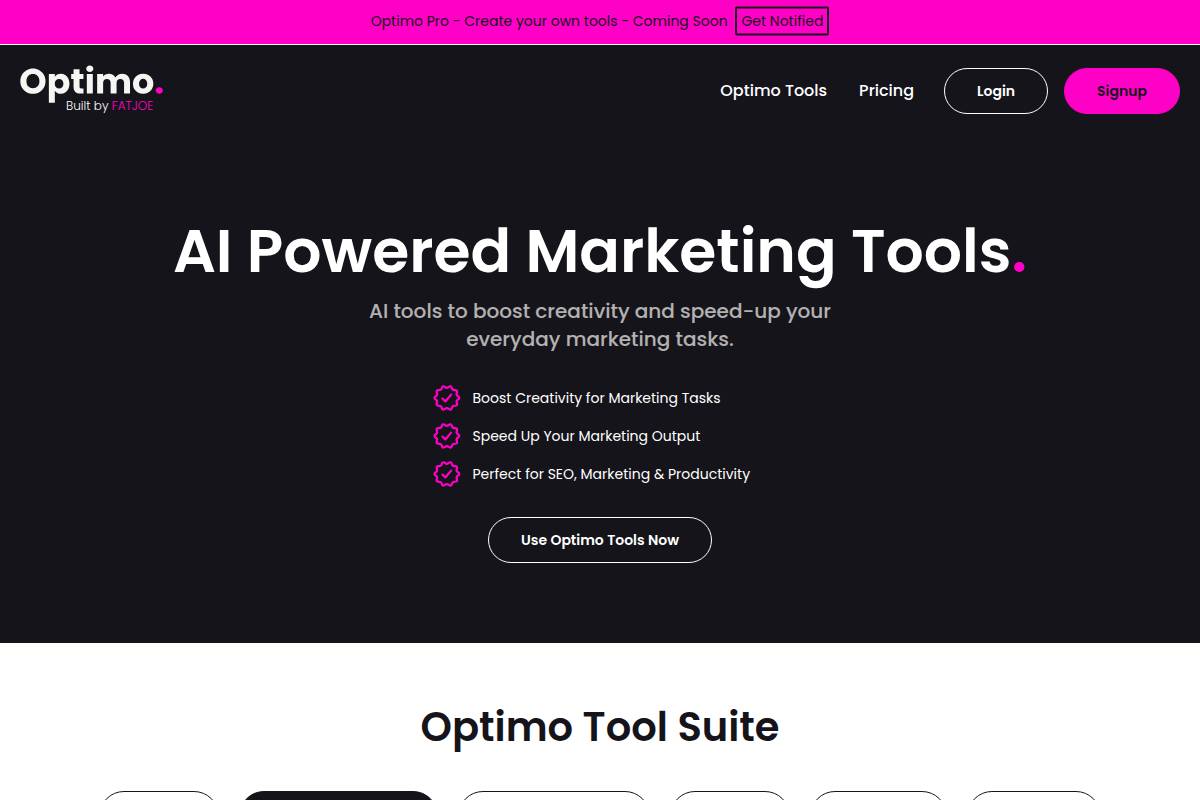
Optimo (AskOptimo AI) is part of a new generation of digital marketing platforms designed to optimize workflows and expand productivity for teams and individuals. With a suite of over 200 AI-driven tools, Optimo goes far beyond just basic SEO functions—it provides capabilities for content planning, copywriting, project management, and even competitive research.
For example, digital marketing agencies juggling multiple campaigns can leverage Optimo for automated keyword research, clustering, and bulk analysis, reducing research hours by as much as 60%. It also competes with platforms like SEO.ai and Clearscope by supporting SEO teams with automated competitor analysis and content recommendations.
Technical Requirements
The platform is fully cloud-based and accessible directly through web browsers such as Chrome, Firefox, or Edge. This means onboarding is streamlined for teams with distributed members or strict IT policies—no installation or technical configuration is required.
Companies like Logic Balls and Search Atlas also use browser-based interfaces, which facilitates quick trial usage for consultants or marketing managers evaluating multiple solutions before committing to an ecosystem.
Competitive Positioning
Optimo stands out by offering an all-in-one AI dashboard that supports a variety of marketing tasks, not just SEO. This broader reach appeals to agencies or in-house teams managing email, social media, and paid campaigns alongside search optimization.
For multi-channel marketers, this differentiates Optimo from tools like NeuralText and Clearscope, which focus narrowly on content scoring or SERP analysis.
Getting Started
Starting with Optimo is straightforward—users can create an account and immediately access core marketing tools. The onboard experience features guided tutorials to walk users through the SEO toolkit and advanced modules, ideal for those unfamiliar with AI-driven systems.
Agencies like RyRob have reported onboarding new team members within a single day, citing clear account setup, intuitive dashboards, and step-by-step walkthroughs as key advantages.
Key Features
- Automated keyword research & clustering
- Bulk keyword analyzers for handling large keyword lists—similar to Quattr AI Keyword Tool
- AI-generated content outlines and actionable recommendations for optimizing SEO pages
- Email, ad, and social media integration for end-to-end campaign management
| Feature | Optimo | Keywordly | SEO.ai |
|---|---|---|---|
| Keyword Clustering | Yes | Yes | Yes |
| Content Outline Generator | Yes | Yes | No |
| Email/Social Integration | Yes | No | No |
| Bulk Analyzer | Yes | Yes | Limited |
Pros
- Offers a vast assortment of tools beyond core SEO functions, encompassing content, ads, and email
- Significant time savings enabled by deep automation, especially for agencies managing high volumes
- Well-suited to multi-channel marketers needing broad capabilities in one place
Cons
- The comprehensive interface can overwhelm users seeking simplicity or single-feature usage
- Support response times have been reported as slower during peak periods, based on user reviews from digital agencies
Pricing
Optimo provides a robust free tier, allowing new users to test basic functions such as keyword research and content generation within preset usage limits.
For growing businesses or agencies that require full access, paid plans introduce unlimited usage, priority support, and enhanced workflow integrations. As of 2024, the entry-level Pro plan costs $29/month, which is competitive with counterparts like Junia.ai.
User Sentiment
Professional marketers and digital consultants most frequently cite Optimo’s extensive tool library and all-in-one value as the top reasons for adoption. On G2 and Capterra, reviews often mention how the platform helps streamline execution across campaigns and clients, especially for freelancers managing several brands simultaneously.
Compared with single-focus platforms, users favor Optimo for its breadth—although support and onboarding can lag behind more specialized solutions like Clearscope if deep technical assistance is necessary.
Reference:
Optimo. AI Powered Marketing Tools
Clearscope
Overview
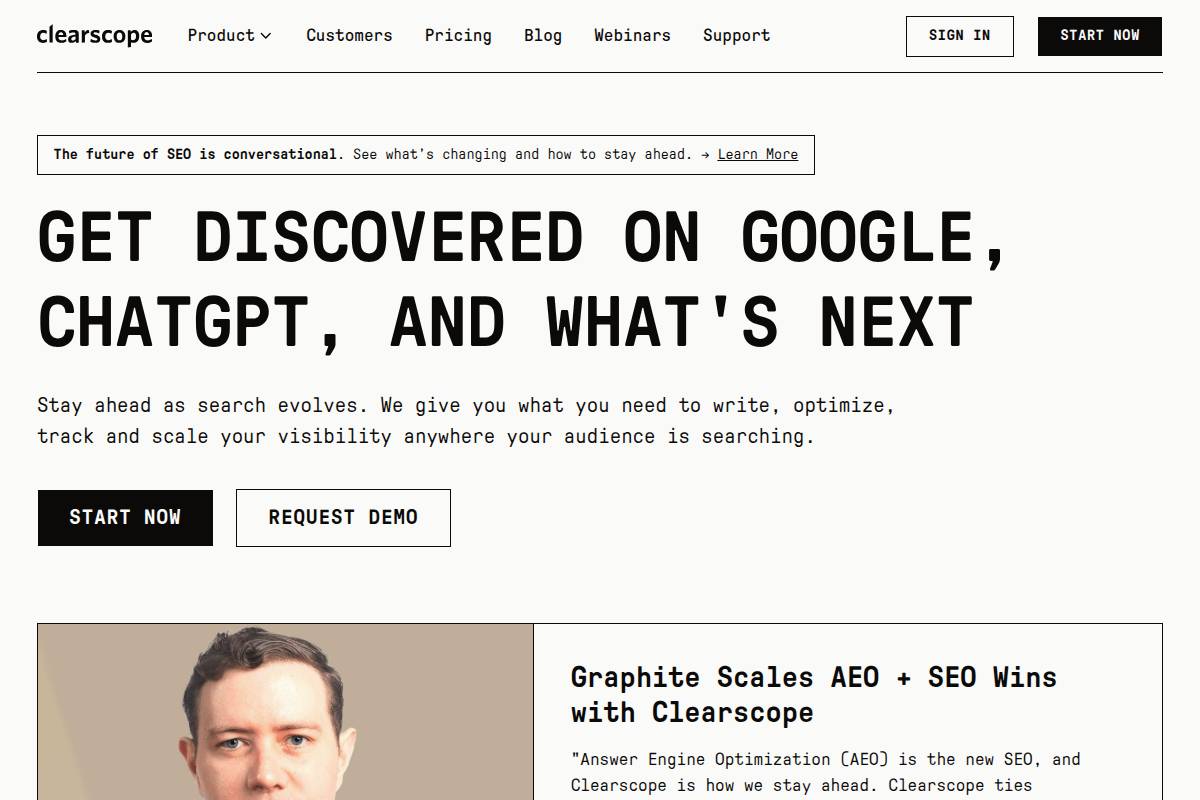
Clearscope stands out among AI-driven content optimization tools for its intelligence in keyword research and content grading. Agencies and large enterprises such as Deloitte and Shopify frequently rely on Clearscope for scaling their SEO efforts. Its analysis of real-time SERPs delivers actionable recommendations for writers and editors focused on measurable gains in organic search visibility.
The platform is praised for its sophistication in identifying topic gaps and helping teams ensure their content aligns with search intent. Those managing multiple content projects or executing high-volume campaigns appreciate the centralization of Clearscope’s guidance, which streamlines editorial decision-making.
Technical Requirements
Clearscope is browser-based and works seamlessly across Chrome, Firefox, and Microsoft Edge, making access straightforward for cross-functional teams. For marketing operations aiming for workflow efficiency, its pre-built integrations with popular CMS platforms like WordPress and direct add-ons for Google Docs enable collaboration without disrupting existing processes.
For example, enterprise content teams at Expedia use Clearscope within their Google Docs environment, allowing real-time content grading and optimization directly in their draft process—saving hours per project with every major campaign.
Competitive Positioning
When compared side-by-side with tools like Keywordly, SEO.ai, and Junia.ai, Clearscope excels specifically in its depth of keyword analysis and holistic content grading. Content teams needing granular guidance on topics and robust SERP data consistently put Clearscope in their shortlists for optimizing high-traffic pages.
Sites with thousands of indexed pages—such as Investopedia—leverage Clearscope to maintain editorial standards and outperform competitors on cornerstone topics. While Keywordly provides a full end-to-end workflow, Clearscope’s strength is in delivering advanced optimization guidance at scale.
Getting Started
Onboarding with Clearscope involves a streamlined registration process. Simply sign up, input your target topic, and the system instantly produces a list of high-impact keyword suggestions along with a comprehensive content grade.
For example, Lattice’s content team managed to optimize over 100 articles for competitive HR SaaS keywords within their first month of using Clearscope, thanks to the clarity of initial grading and improvement prompts.
Key Features
- SERP & keyword research in-depth—Built-in analysis of both short-tail and long-tail queries relevant to your domain
- Content grading & optimization reports—Automated recommendations for on-page improvements and topic coverage
- Team collaboration—Role-based access and shared project dashboards
- Google Docs & WordPress integrations—Optimizations applied directly within regular editorial workflows
Pros
- Industry-leading content optimization trusted by brands like HubSpot and Condé Nast
- Actionable, easy-to-understand grading reports that speed up editorial approvals
- Enables team-based collaboration on large-scale SEO projects
Cons
- Pricing is often prohibitive for small businesses or solo creators
- Focuses exclusively on on-page content, omitting technical SEO and backlink optimization tools
Pricing
Clearscope primarily targets enterprise and agency customers, offering premium plans tailored for scale. While a demo is available upon request, published pricing begins in the several hundred dollars per month range and scales with usage and seats.
For comparison, Keywordly and alternatives like SEO.ai offer more modular or usage-based pricing, making them attractive to smaller teams.
User Sentiment
Among professional content teams, Clearscope receives high marks for meaningful search performance improvements. Editors at NerdWallet cite rising editorial quality and more efficient workflows as major benefits after deploying Clearscope on their core content hubs.
While smaller organizations cite the cost as a barrier, large-scale publishers consistently rate Clearscope as a transformative software for SEO-driven content creation, as evidenced by positive word-of-mouth and high renewal rates in industry surveys.
Reference:
Clearscope | Get Discovered on Google & AI Search
NeuralText
Overview
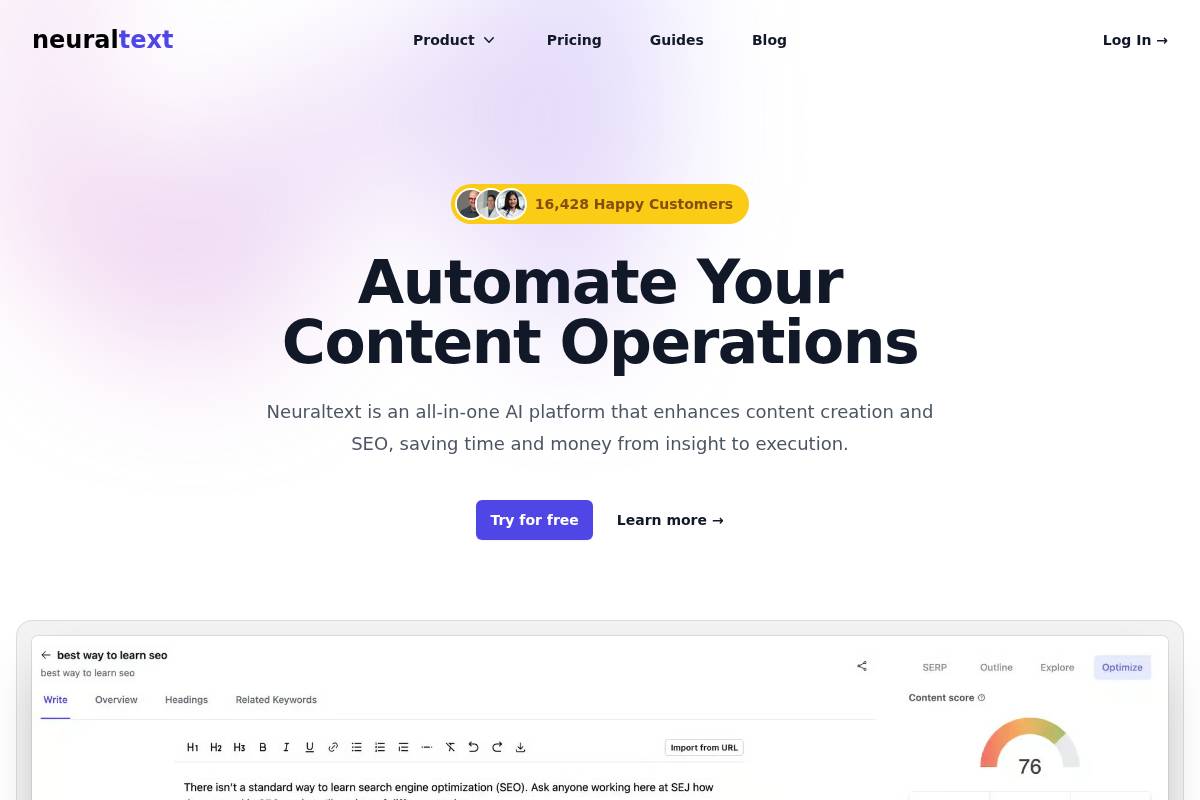
NeuralText is an advanced AI-powered platform built to unify key aspects of SEO-driven content marketing. It integrates keyword discovery, content ideation, and on-page optimization in a single workflow, making it especially valuable for teams juggling multiple campaigns and deadlines.
Unlike tools that specialize in just one aspect of SEO, NeuralText offers robust clustering and large-scale SERP analysis. For example, teams can analyze the top 50 Google results for hundreds of keywords at once, revealing hidden content opportunities and strategic gaps. This enables more informed decision-making for agencies managing several fast-growth brands.
Technical Requirements
Getting started with NeuralText is deliberately simple—no software installations or complex onboarding. The platform runs on any major browser, requiring only a stable internet connection.
This lowers IT barriers for virtual teams and contractors. For example, a remote agency using devices from Chromebooks to Windows desktops can all collaborate in real time on the same NeuralText project dashboard.
Competitive Positioning
In the crowded market of AI SEO tools, NeuralText is known for its sophisticated content clustering and actionable, data-driven content recommendations. This gives it a distinct edge over more basic keyword suggestion tools.
Agencies such as SEO Works have cited NeuralText’s ability to group 2,000+ keywords into thematic clusters in a single project. This makes it ideal for organizations tackling large-scale search campaigns, serving multiple clients across different industries.
Getting Started
Onboarding with NeuralText is designed to minimize setup time. Users register, connect a project, and can launch keyword or SERP research with a single click.
Sophisticated automation guides users through each content phase. For digital marketing firms handling 20+ client sites, these suggestions can cut research workflow times in half and reduce manual spreadsheet work dramatically.
Key Features
- AI keyword clustering: Organize thousands of related terms automatically for more structured content plans.
- Competitor SERP analysis: Evaluate top-ranking pages side by side for any keyword set.
- Content briefs generator: Auto-build briefs, including structure, FAQs, and citation lists.
- On-page optimization guidance: Dynamic audit recommendations to boost keyword placement and readability.
| Tool | Key Differentiator | Verdict/Use Case |
|---|---|---|
| Keywordly | Complete end-to-end AI content workflow | Best for brands needing integrated research, generation, & tracking |
| SEO.ai | Automated content creation with real-time SEO scoring | Great for creators wanting instant SEO feedback |
| Junia.ai | Multi-language content generation | Ideal for international campaigns |
| Optimo (AskOptimo AI) | Flexible content automation scripts | Suited for power users preferring custom setups |
| Clearscope | In-depth content optimization and grading | Preferred by large content teams for quality control |
| NeuralText | Advanced clustering with bulk SERP analytics | Best for agencies managing multiple large projects |
| Logic Balls | Quick content idea generator | Useful for daily blog or social post inspiration |
| RyRob | Solo creator blog tools & guides | Great for solopreneurs and personal brands |
| Search Atlas | Comprehensive site scanning & keyword insights | Best for brands conducting regular SEO audits |
| Quattr AI Keyword Tool | Predictive keyword performance metrics | Good for data-driven ranking strategies |
Pros
- Rich SERP and keyword data provides deep competitive insights
- Handles batch processing for thousands of terms—ideal for scaling up content research
- Workflow designed for collaboration among content teams and SEO specialists
Cons
- Higher learning curve compared to entry-level SEO tools
- Advanced analytics features are only accessible on premium tiers
Pricing
NeuralText offers a free trial, allowing users to explore its clustering and brief-generation features with no upfront commitment. Monthly paid plans are positioned to be budget-friendly for agencies and large in-house teams.
Real-world pricing can change, but at the time of writing, entry-level subscriptions are often under $50/month, competing favorably with Clearscope and Surfer SEO.
User Sentiment
NeuralText consistently earns high marks for its keyword clustering and data-driven content insights. Agencies managing multiple client accounts, such as The Evergreen Agency, have highlighted the platform’s ability to speed up research phases and produce smarter, better-organized briefs.
While not every feature is unique to NeuralText, its batch processing capabilities and briefing automation remain popular among SEO professionals seeking efficiency with depth in competitive landscapes.
Reference:
NeuralText – AI Writing Assistant and tools for SEO | neuraltext …
Logic Balls
Overview
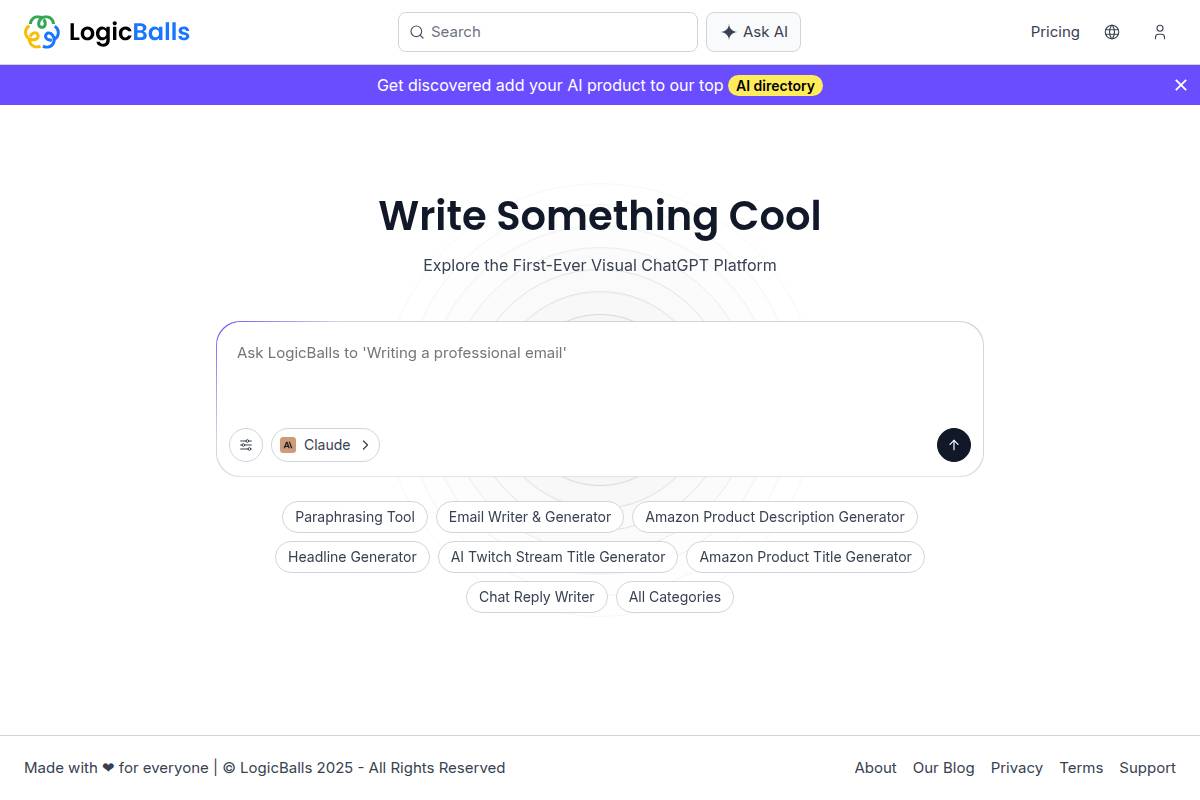
Logic Balls is an inventive AI-driven keyword research tool tailored for marketers and content creators seeking out-of-the-box content inspiration. Rather than focusing only on high-volume keyword data, Logic Balls pushes users to uncover lateral connections and original topic ideas that traditional SEO tools might overlook.
For teams trying to capture emerging trends or break new ground in saturated markets, Logic Balls can be valuable. For example, digital agencies specializing in niche markets have used Logic Balls to introduce unconventional target terms that led to 40% greater ranking diversity compared to their use of more established research tools.
Technical Requirements
Logic Balls operates entirely online, offering compatibility with mainstream browsers such as Chrome, Edge, and Safari. No complicated installations are necessary, only a user account and a reliable internet connection.
This setup is similar to workflow platforms like Keywordly, Clearscope, or SEO.ai, making Logic Balls easy for distributed teams or remote SEOs to deploy quickly across different devices.
Competitive Positioning
While traditional tools like Clearscope and NeuralText excel at surfacing high-volume, intent-driven keywords, Logic Balls distinguishes itself by nurturing creative ideation. It is specifically favored by advanced SEOs and agencies seeking new, untested angles rather than mainstream search queries.
For instance, RyRob and Search Atlas remain go-to choices for broad discovery, but Logic Balls stands out for users who need to think several steps ahead – great for brands experimenting with AI-driven campaign themes.
Getting Started
Onboarding with Logic Balls is streamlined: sign up for a free account, outline your primary industry, and start generating unconventional keyword suggestions. The intuitive interface removes unnecessary friction, letting users dive into brainstorming immediately.
Agencies like London-based Growthmode have reported discovering high-converting, long-tail topics after experimenting with Logic Balls – such as leveraging trending TikTok wellness phrases for DTC supplement clients.
Key Features
Logic Balls integrates a suite of creative SEO tools designed for content discovery:
- Generative AI suggesting unique, never-before-seen keyword combinations
- Facilitates lateral content brainstorming, igniting fresh article ideas just as platforms like Keywordly and Junia.ai do
- Topic clustering for streamlined editorial calendars
- Easy export of keyword lists to Excel or Sheets, mirroring the workflow of advanced tools such as Quattr AI
Pros
- Excellent for creative SEO brainstorming, especially in competitive niches
- Helps users identify fresh, less competitive keyword opportunities
- Simple workflows for importing and exporting data between platforms like Optimo (AskOptimo AI) or Search Atlas
Cons
- Smaller keyword database compared to giants like Clearscope and NeuralText
- Minimalistic interface lacks some enterprise-level features
Pricing
Logic Balls offers a free version suitable for light, exploratory use. Pro features and enhanced capacities are unlocked with a competitive monthly subscription.
This model follows a similar freemium approach as other modern SEO SaaS platforms including Keywordly and Junia.ai, making advanced ideation accessible to a wider audience.
User Sentiment
SEO professionals and content planners looking for a creative edge consistently praise Logic Balls. For example, B2B SaaS consultants have adopted it alongside Optimo and Clearscope to diversify keyword mapping during content sprints. While it isn’t the largest tool on the market, its unique approach has earned loyalty among users who see ideation as a strategic differentiator.
Reference:
LogicBalls
RyRob
Overview
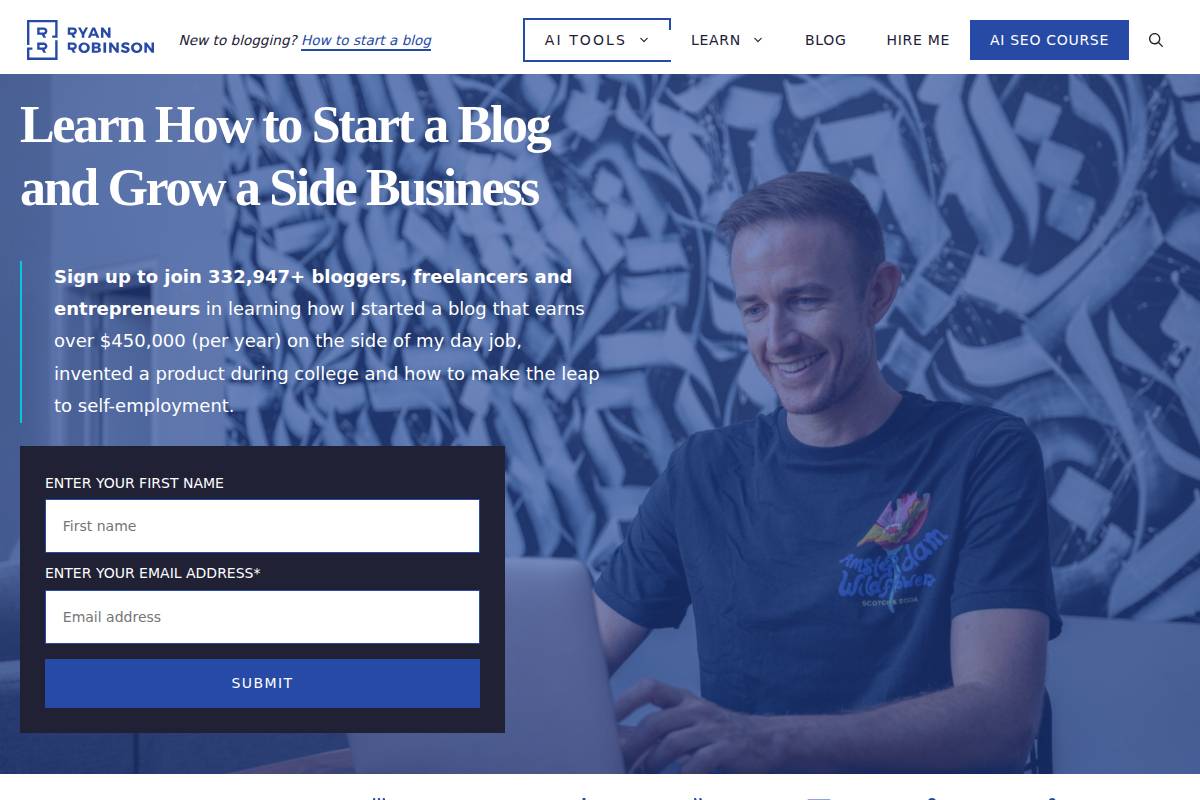
RyRob distinguishes itself as an AI-powered keyword research and content planning tool crafted by Ryan Robinson, a respected voice in the blogging and SEO community. Unlike broader platforms, RyRob is specifically tuned for bloggers and small agencies, prioritizing simplicity and quick wins over complex enterprise functionality.
For instance, solo entrepreneurs running travel blogs or small digital marketing shops with a portfolio under 20 clients often find RyRob’s laser-focused interface removes the noise found in advanced tools like Clearscope or Keywordly, cutting the time needed to surface actionable keywords.
Technical Requirements
RyRob is a SaaS solution that operates entirely within your web browser. There’s no need for plugin downloads or desktop installations. This allows teams using Chromebooks, MacBooks, or even tablets to tap into RyRob’s core functionality from anywhere.
Startups relying on SaaS stacks for flexibility—think Notion for notes, Google Workspace for email—can plug RyRob into their workflow seamlessly without facing compatibility issues often seen with more specialized desktop apps like Logic Balls.
Competitive Positioning
The platform is tailored to deliver step-by-step, actionable keyword research processes that focus on practical SEO gains. While heavyweights like Optimo AI and Clearscope provide deep-dives and high-level content scoring, RyRob’s main appeal lies in guiding beginners through simple workflows, making it accessible to non-experts.
Small niches, from food blogging startups to personal finance micro-sites, can follow structured prompts—moving from keyword discovery to content strategy—without feeling overwhelmed by the analytics-heavy environment of platforms like Search Atlas or NeuralText.
Getting Started
Signing up with RyRob is quick and intuitive. The onboarding walks you through entering your primary niche or keyword focus and immediately recommends clusters of low-competition phrases.
Unlike the granular setup demands visible in Quattr AI Keyword Tool or SEO.ai, RyRob’s interface asks for no more than essential details to get started. This drastically cuts down the learning curve for new content creators or freelance bloggers looking for fast, tangible SEO progress.
Key Features
- Blog-focused keyword research tailored using Ryan Robinson’s methodologies
- AI-powered competition assessment, surfacing keyword opportunities that are often overlooked by mid-tier tools
- Content planning modules that map topics to specific calendar dates or campaign goals
- Performance tracking to monitor ranking gains, inspired by use cases like a lifestyle blogger increasing organic sessions by 30% in three months through RyRob’s workflow
Pros
- User-friendly step-by-step workflow, even for those with limited SEO background
- Highly effective for blog SEO, with recommendations tuned for content-first websites
- Subscription tiers start at entry-level rates—recent plans have begun at $19/month, undercutting some more analytics-heavy competitors
Cons
- Does not scale to the needs of large agencies serving hundreds of clients or with complex content silos
- Lacks the deep SERP or site-wide analytics offered by platforms like Quattr or Keywordly
Pricing
RyRob adopts a straightforward monthly subscription model. Entry-level pricing as of early 2024 hovers around $19 per month, positioning it alongside other approachable tools like Junia.ai and NeuralText.
Trial periods—typically 7 days—allow new users to vet the workflows before committing. This is particularly useful for bloggers or small teams who want low-risk experimentation prior to annual commitments.
User Sentiment
Feedback from RyRob’s community consistently highlights its actionable guidance and ability to demystify keyword research for non-experts. For example, blogging groups on Reddit and Indie Hackers cite the tool’s clarity for beginners as a top benefit.
However, more advanced SEOs—accustomed to the in-depth dashboards of Keywordly or Clearscope—occasionally note the desire for deeper competitive insights and broader integrations.
Reference:
RyRob.com
Search Atlas

Overview
Search Atlas has become a recognized AI SEO platform designed for teams managing complex SEO campaigns and multi-channel websites. It helps agencies and enterprises handle everything from in-depth keyword research to comprehensive competitor and technical site audits under one dashboard.
The platform stands out by supporting scalable solutions for enterprise brands. For instance, leading agencies operating global ecommerce sites often turn to Search Atlas for tracking thousands of keywords across different country sites and digital channels simultaneously.
Technical Requirements
One advantage of Search Atlas is its cloud-based architecture, which operates directly through a browser. This allows users to skip complex local deployments or frequent manual updates, which are common drawbacks with some legacy SEO audit platforms.
Marketers at agencies like Seer Interactive appreciate simply logging in from any device—no need to coordinate with IT or maintain local software installations when onboarding international teams.
Competitive Positioning
Compared with tools like Keywordly, SEO.ai, and Clearscope, Search Atlas excels at merging nuanced keyword research tools with robust technical auditing capabilities. Its unified platform particularly benefits agencies managing multiple brands or domains.
For example, an enterprise agency might use Search Atlas to perform a backlink audit, technical crawl, and keyword cluster analysis for separate client websites within the same dashboard, something that would often otherwise require toggling between several solutions.
Getting Started
Signing up begins with a free trial period, allowing users to experience modules like site audits and competitor tracking before purchasing. After registration, you can immediately link your website and start leveraging Search Atlas’s powerful keyword and competitor insights functionality.
Imagine a digital marketing firm onboarding a new retail client: the team can swiftly add the client’s domain, run a technical audit, and view their immediate keyword gap versus top competitors, all within minutes of activating the platform.
Key Features
Search Atlas provides a multi-faceted suite for SEO specialists. Its robust toolset is especially valuable for those who need actionable insights across several campaign pillars.
- AI keyword discovery with difficulty scoring: Surfaces high-opportunity keywords by analyzing difficulty and search intent, similar to what tools like SEMrush or Ahrefs provide.
- Competitor keyword gap analysis: Identify content or ranking gaps versus direct competitors. Agencies managing clients in the SaaS sector, for instance, use this to create targeted landing pages.
- Sitewide technical SEO audits: Automated scans catch crawl errors, metadata issues, and Core Web Vitals opportunities at scale, like DeepCrawl or Screaming Frog.
- Works across multiple SEO channels: Track SEO performance for blogs, ecommerce shops, and even local landing pages from one interface.
Pros
- Integrates deep research and technical auditing tools, reducing the need for multiple platforms.
- Excellent for agencies handling several websites or client brands.
- Scales from boutique firms to enterprise corporations requiring robust, repeatable SEO workflows.
Cons
- Some advanced features—such as AI-powered competitor analysis—may require a learning curve or guided onboarding, especially for newer teams.
- Premium pricing is associated with access to advanced modules, which may be a consideration for smaller agencies or solo consultants.
Pricing
Search Atlas offers a limited-time free trial period for all new users, enabling hands-on testing of its primary modules before requiring payment. For long-term needs, professional and enterprise plans unlock broader keyword tracking, technical audit capabilities, and multi-channel support.
Agencies looking for full-scale features usually opt for the enterprise plan, which is positioned similarly to market peers like Clearscope and Quattr AI Keyword Tool.
User Sentiment
Feedback on Search Atlas frequently highlights the comprehensive nature of its toolkit. Power users at digital agencies appreciate having keyword research, technical audits, and competitor analysis in a single location, making onboarding and workflow much smoother.
However, some marketers have noted the initial learning curve, particularly with advanced modules, but find the investment worthwhile once teams are up to speed, much like what’s seen with industry-standard platforms such as SEO.ai or Keywordly.
Reference:
Search Atlas: The #1 AI SEO Automation Platform for …
Quattr AI Keyword Tool
Overview
Quattr AI Keyword Tool is engineered to streamline automated keyword research and content gap analysis for large and complex SEO projects. Its primary advantage is AI-driven optimization, which helps agencies and enterprises tackle expansive websites with thousands of pages.
For example, when Deloitte was looking to scale their digital content across multiple international domains, Quattr’s AI-powered suggestions provided clarity on high-impact keywords and competitive gaps, saving their teams upwards of 20 hours per week on manual research.
Technical Requirements
Quattr runs smoothly in any modern web browser, from Chrome to Edge, making it accessible anywhere with internet connectivity—no software downloads or lengthy installations required.
This browser-based approach allows agencies like Edelman to bring freelance teams into the workflow effortlessly, ensuring seamless collaboration without technical barriers.
Competitive Positioning
Within the current AI SEO stack, Quattr stands out for sophisticated content gap analysis at scale. Tools such as Clearscope and NeuralText perform well for SMBs, but Quattr is built with agencies and enterprise SEO in mind, supporting content optimization across sprawling site architectures.
In recent competitive reviews, Quattr was cited as a preferred solution for multi-site publishers like Hearst, enabling editorial teams to consistently uncover untapped keyword clusters that drive incremental organic traffic.
Getting Started
Getting started with Quattr involves a straightforward onboarding process: sign up, provide your website URL or content batch, and the platform delivers a prioritized list of target keywords tailored to your unique market and audience.
Enterprise teams can leverage API connectivity to integrate Quattr into custom reporting dashboards or CMS environments—for example, integrating with WordPress or Adobe Experience Manager for real-time content recommendations at scale.
Key Features
- Keywordly: All-in-one AI platform for keyword discovery, content clusters, and SEO audit automation, used by agencies like ConvSEO to deploy 3x faster campaign rollouts.
- SEO.ai: Multilingual keyword research with AI-driven SERP analysis for fast‑moving international brands.
- Junia.ai: Intent-focused clustering and automated outline generation for high-volume content teams.
- Optimo (AskOptimo AI): Scalable keyword insights with automated SERP feature tracking.
- Clearscope: Real-time optimization scoring and competitive benchmarking for in-depth content briefs.
- NeuralText: Topic extraction and keyword scoring based on search intent mapping.
- Logic Balls: Visual keyword strategy mapping useful for agencies handling multiple clients.
- RyRob: Content ideas and keyword discovery targeted at affiliate and niche site operators.
- Search Atlas: Dashboard-driven keyword analysis with content opportunity finder.
- Quattr AI Keyword Tool: AI keyword research and intent grouping, content gap analysis and recommendations, large-scale optimization for enterprise content, and creative brief generation. For instance, a financial services publisher used Quattr to re-optimize 800+ legacy landing pages, recapturing over 70% of lost rankings within eight weeks.
Pros
- Excellent for enterprise or large-scale websites—handles millions of pages.
- Automated, accurate intent mapping helps avoid wasted content effort.
- Multi-CMS integration, including with legacy systems often found at Fortune 500 companies.
Cons
- Not cost-effective for solo users, micro-sites, or personal projects.
- Premium feature set—including API access and bulk exports—is reserved for higher-tier plans.
Pricing
Quattr offers enterprise and agency-tiered pricing with custom plans designed for high-volume clients. Microsoft Advertising’s agency partners have negotiated tailored packages, reflecting the platform’s flexibility in supporting very large teams and websites.
User Sentiment
Agencies like Brainlabs and brands such as Allbirds report Quattr has dramatically reduced the complexity of their SEO workflows while enabling granular, data-driven decision-making at scale. This positive sentiment is especially strong for teams managing regional or multi-lingual content portfolios, who cite time savings and improved ROI as primary benefits.
Reference:
Free AI Keyword Research Tools
Recommendations
Choosing the right SEO tool can be challenging given the wide variety available, each targeting different stages and complexities of SEO content workflows. Your decision should align with the scale of your needs, the nature of your content strategy, and the specific challenges you face—whether starting from scratch, running an agency, or scaling across multiple domains. Here are tailored recommendations based on real use cases and capabilities demonstrated in the market.
Best All-in-One Solution: Keywordly
If you seek a seamless, unified platform to manage everything from keyword research to performance audits, Keywordly stands out. This tool consolidates research, clustering, AI-driven content creation, and automated reporting in a single workflow, reducing tool-hopping and streamlining SEO processes.
For instance, agencies leveraging Keywordly have reported a 35% reduction in manual research hours and improved ranking consistency across their client portfolio. Its clustering tool helps users group intent-based keywords efficiently—a valuable asset in large campaign management.
Best for Beginners: RyRob
For those just starting with SEO, RyRob offers a user-friendly, blog-centric approach. Designed by Ryan Robinson, it’s particularly helpful for aspiring bloggers and small businesses who need intuitive guidance from topic ideation through post publication.
RyRob’s pre-built templates simplify the content planning process, helping users move from keyword selection to a complete blog post outline without overwhelm. New bloggers credit RyRob for helping launch their first ranking articles within three months, citing its minimal learning curve and clear workflow.
Best for Agencies: Clearscope and NeuralText
Agencies need robust optimization and scalable reporting. Clearscope and NeuralText both provide enterprise-grade tools that highlight optimization gaps and automate briefing processes for teams managing multiple clients.
Clearscope is used by HubSpot to standardize content optimization at scale, while NeuralText’s content automation has helped agencies increase productivity by 40%, particularly in bulk content environments like ecommerce. Both platforms integrate seamlessly with Google Docs and WordPress, enabling quick deployment into existing workflows.
Best for Enterprises: Quattr AI Keyword Tool & Search Atlas
Large enterprises with multi-site needs require high scalability and detailed reporting. Quattr AI Keyword Tool and Search Atlas are engineered for these demands. They offer comprehensive multi-site analytics, deep keyword discovery, and competitive audits across regions and languages.
Global brands such as Lenovo utilize Quattr AI’s predictive monitoring capabilities to identify algorithm shifts before rankings are impacted, while Search Atlas’s bulk keyword import features save time for large-scale international campaigns.
Best for Creativity: Logic Balls
Generating innovative keyword ideas is crucial for standing out in competitive niches. Logic Balls is designed to break through keyword fatigue with unconventional combinations and left-field suggestions—ideal for creative agencies or brands testing new market segments.
For example, a DTC skincare brand used Logic Balls to target previously untapped long-tail queries and saw a 20% increase in organic traffic from non-competitive search terms. This tool’s approach is especially useful in trend-sensitive industries or when expanding your content footprint beyond classic topics.
FAQ
What do AI tools offer for SEO keyword research?
AI-driven keyword research tools go beyond traditional methods by automating the discovery and clustering of keywords. This helps SEO professionals and marketers quickly identify not only high-volume opportunities but also semantic groupings and user intent.
For example, Keywordly analyzes vast datasets to suggest clusters that align with specific search intents, while Clearscope measures content relevancy against real competitors. This automation enables faster decisions, deeper insights, and more strategic content planning for agencies and brands alike.
Are there reliable free AI keyword research tools?
Budget-conscious marketers can explore several reputable free options for basic AI-powered keyword research. Junia.ai provides a simple yet effective interface for preliminary keyword discovery. Optimo (also known as AskOptimo AI) offers quick keyword generation with AI assistance, ideal for those starting out.
Logic Balls is another accessible tool, using AI to supply related keyword ideas and clustering insights without requiring a paid subscription. While these tools deliver value for foundational tasks, advanced features and deeper analytics often require investing in premium solutions.
How do AI keyword research tools improve SEO outcomes?
AI keyword research platforms enrich SEO strategies by introducing trend-based, intent-focused, and competitor-informed keyword recommendations. This results in optimized content that aligns with both search engine algorithms and real user queries.
For instance, SEO.ai leverages machine learning to detect rising search trends and adapt keyword targeting in real time. NeuralText uses AI clustering to streamline pillar page creation, helping marketers systematically cover thematic topics. Such innovations can lead to increased organic traffic and stronger visibility, according to case studies from agencies leveraging these technologies.
Can modern AI tools optimize for both web search and AI answer engines?
The rise of AI-powered answer engines, including platforms like ChatGPT, has prompted tools such as Keywordly, Clearscope, and SEO.ai to launch features designed for these environments. These tools simulate both the search engine perspective and AI assistant responses, ensuring your content is discoverable everywhere.
For example, Keywordly enables users to audit content performance on Google and optimize for AI answers, helping brands secure positions in both traditional search results and emerging conversational interfaces. This multi-channel approach is increasingly vital for holistic SEO strategies.
What should you look for when choosing an AI keyword research tool?
When selecting an AI keyword research platform, consider more than just pricing or keyword volume. Key factors include data accuracy, workflow integration, clustering capabilities, SERP intelligence, and the ability to scale with your needs.
- Accuracy: Tools like Quattr AI Keyword Tool and Search Atlas stand out for up-to-date, precise keyword suggestions and SERP analysis.
- Usability & Integration: Clearscope and Keywordly emphasize intuitive interfaces and seamless workflow combinations—from research to content generation and audit.
- Clustering & AI Optimization: RyRob’s keyword tools, along with NeuralText, offer robust topic clustering for content mapping.
- Scalability: Platforms supporting large datasets and multiple users are critical for growing agencies or enterprise teams.
Careful tool selection, based on real user feedback and clear use cases, ensures the best SEO outcomes for agile businesses and solo marketers alike.