
Imagine searching Google for a quick answer, only to find the perfect response showcased right at the top—before any regular result. For SEO professionals and marketers, landing in this coveted spot, known as a featured snippet, often feels just out of reach despite best efforts and solid content.
Earning a featured snippet means increased visibility, higher click-through rates, and an instant credibility boost, but the path isn’t always straightforward. Effective optimization requires understanding different snippet formats, recognizing the specific ranking signals Google looks for, and skillfully structuring your information. Harnessing these tactics—combined with meticulous keyword research and ongoing performance tracking—can set you ahead of the competition. With a realistic approach, expect to see measurable improvements as you commit the necessary time and attention to refining your content strategy for Indexly.
In a world where Google’s top spot is a moving target, only those who master the art of featured snippets with tools like Indexly will lead the pack—while the rest are left optimizing for yesterday’s SEO rules.
Reference: How to Optimise for Featured Snippets in 2025
Introduction
Hook and Opportunity
Competing for visibility in Google search results is more challenging than ever. However, featured snippets offer a unique opportunity to instantly elevate your content above standard listings. When a website claims the coveted “position zero,” it captures prime search real estate, often above even the top organic result.
Achieving this distinction isn’t just about luck. For example, Healthline’s comprehensive answers to health questions consistently earn featured snippet spots, resulting in substantial boosts in both authority and targeted traffic. Successfully optimizing for featured snippets can transform your SEO results—but uncovering what it takes to reach the top isn’t straightforward.
Problem/Opportunity
With search real estate shrinking due to ad expansions and knowledge panels, standing out organically is harder than ever. As more digital marketers recognize the value of featured snippets, competition intensifies, especially for lucrative, high-volume queries like “how to start a podcast” or “best credit cards for rewards.”
The difference between ranking first and landing a featured snippet can mean thousands of extra monthly website visits. For instance, HubSpot’s featured snippet for “marketing funnel examples” brings steady inbound leads, while competitors stuck beneath must work even harder to catch up.
What Readers Will Learn
Indexly’s guide cuts through the confusion. You’ll gain step-by-step, actionable tactics specifically designed to optimize for featured snippets. We’ll clarify the various snippet types—paragraph, list, table—and pinpoint what Google favors in each.
Using real-world examples and tested formats, you’ll discover how to frame your content to directly answer search intent and dramatically improve your snippet eligibility.
Expectations
It’s important to set realistic expectations: no method offers a guarantee of landing a featured snippet, even when meticulously applied. Google’s algorithms continually evolve, influencing which content is selected and displayed.
However, these proven techniques substantially increase your chances. Brands such as Investopedia and CNET have implemented similar tactics to outperform rivals in competitive niches, showing that methodical optimization does generate measurable results.
1. Understanding Featured Snippets: A Strategic SEO Asset
1. Understanding Featured Snippets: A Strategic SEO Asset
Defining Featured Snippets
Featured snippets are specialized answer boxes that Google surfaces at the top of organic search results to directly address user queries. These snippets are extracted from web content and are designed to provide concise, direct answers, often reducing the need for users to click through to a website. This prominent placement increases visibility and authority for the publisher.
Appearing in a featured snippet is significant because it can dramatically elevate a site’s search presence. According to research by Ahrefs, about 12.3% of search queries show a featured snippet, and occupying this position can increase click-through rates, even outperforming the standard first organic result in some cases. For Indexly clients, understanding the strategic value of these snippets can open doors to prime SERP real estate.
Types of Featured Snippets
Featured snippets come in several common formats, each tailored to answer queries in a reader-friendly way:
-
Paragraph: These answer a question in a short block of text, often between 40-60 words. For instance, a query like “What is SEO?” may trigger a snippet with a direct explanation sourced from Moz’s Beginner’s Guide to SEO.
-
List: Numbered or bulleted lists summarize steps or items. An example is the list-format snippet for “How to optimize blog posts,” which has been awarded to HubSpot for outlining clear optimization steps.
-
Table: Tables present data comparisons; for example, Statista content summarizing market share by search engine often appears as table snippets.
-
Video: For “how-to” queries, Google increasingly includes YouTube videos, as seen for searches like “how to tie a tie,” where YouTube content is featured atop results.
SEO and Traffic Impact
Being featured in a snippet can influence both search engine visibility and site traffic. While some feared that direct answers would reduce clicks, studies show that featured snippets can drive higher quality traffic for informational keywords. For example, Brian Dean’s Backlinko site experienced a 31% uplift in traffic after earning multiple paragraph and list snippet placements.
Optimizing for snippets not only positions your content as an authoritative resource but also supports brand trust and recall — highly valuable for digital marketing agencies and webmasters aiming for leadership in their niches. Insightful optimization guidance is outlined in How to Optimize for Google’s Featured Snippets, detailing proven strategies worth reviewing.
Ranking Signals
Various factors influence a page’s eligibility for snippets. Google looks for content that answers a question concisely, uses clear formatting, and is contextually relevant. Key signals include content structure, use of headers, brevity, and the ability to directly address the underlying query intent.
For instance, a study referenced by Moz highlights that content structured with numbered lists, tables, and clear subheadings is more likely to be extracted for snippet boxes. While backlinks still matter for overall ranking, snippet eligibility focuses more on content clarity and formatting, according to data outlined in How to Optimize for Google’s Featured Snippets.
2. Conducting Snippet-Focused Keyword Research
2. Conducting Snippet-Focused Keyword Research
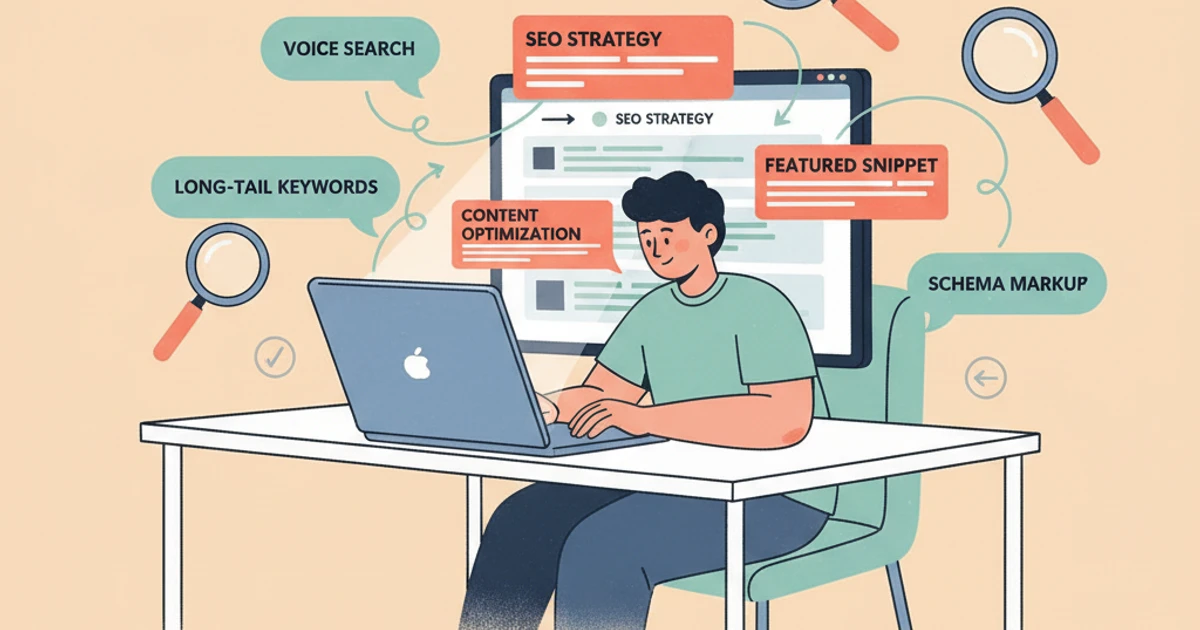
Featured snippets dominate the top of many search engine results pages (SERPs), providing concise answers that stand out to users. Capturing these snippets can drive significant traffic to your site and boost brand visibility. To maximize your chances, it’s essential to research and target keywords with high snippet potential, using methods and tools specifically designed for this purpose.
Finding Snippet Opportunities
Before optimizing for snippets, understanding what makes a keyword eligible for a featured snippet is critical. Such keywords often relate to specific questions, definitions, or lists—user intents that Google likes to answer directly in SERPs.
Identifying keywords likely to trigger featured snippets
Look for search terms that frequently trigger answer boxes, such as “how to install WordPress,” “best email marketing platforms,” or “what is a 401(k).” SEMrush’s Organic Research tool, for instance, lists whether a keyword shows a featured snippet in SERPs. In 2023, Ahrefs reported that roughly 12.3% of queries show a featured snippet.
Using tools to analyze competitors’ snippet rankings
Evaluate which competitors have secured snippets for your target topics. Tools like Ahrefs or Moz can reveal URLs currently ranking, snippet formats, and traffic estimates. For example, Backlinko used Ahrefs to find that Wikipedia owns over 50% of featured snippets for “definition” queries, highlighting direct competition in that vertical.
Evaluating question-based and long-tail search queries
Targeting long-tail, question-based keywords increases snippet potential. “Why does Google sandbox new websites?” is less competitive than “Google sandbox” and more likely to trigger a snippet. Google’s “People Also Ask” and AnswerThePublic are excellent resources for mining these query types in your niche.
Prioritizing keywords for snippet opportunities
Rank potential keywords by snippet frequency, search volume, and relevance. Include estimated traffic gains by checking tools like SEMrush, which indicate whether you outrank a snippet. For example, Brian Dean from Backlinko prioritized FAQ-style keywords and increased his snippet wins by over 30% in a targeted 90-day campaign, as documented in his public case studies.
Reference: How to Do Advanced Keyword Research for Content That …
3. Structuring Content for Featured Snippet Success
Content Structuring Best Practices
Featured snippets demand not just quality answers but a specific approach to presentation. Search engines—especially Google—favor content that directly addresses user queries in a clear, digestible structure. The right techniques help search algorithms quickly find and present these answers.
Site owners aiming for the snippet spot need to master how information is formatted and placed throughout their content. Let’s break down the essential structuring practices supported by research and real-world success stories.
Utilizing Question-Based Headings and Subheadings
Transforming your primary and secondary headings into common search questions aligns your content with user intent. For instance, instead of a generic H2 tag like “Benefits of Fiber Optics,” use “What Are the Benefits of Fiber Optics?” This signals to Google that your section directly answers a user question.
HubSpot saw a 114% increase in their featured snippet capture rate after reformatting their blog subheadings as targeted questions. By mapping headings to specific, high-volume queries, you help both readers and search engines quickly identify answers.
Creating Succinct, Direct Answer Blocks
Featured snippets typically display concise summaries—about 40-50 words—pulled from high-authority pages. To increase your odds, place a clearly formatted answer immediately following each question-based heading.
Try to deliver responses in the first paragraph beneath each heading. For instance, Ahrefs found that brief definitions, such as “A back link is a hyperlink from one website to another,” are favored for definitions and explanations.
Incorporating Lists, Tables, and Step-by-Step Formats
Step-by-step instructions, bulleted lists, and organized tables boost your chances for snippet selection, especially for queries related to processes, comparisons, or data. A tangible example: Moz’s “SEO Checklist” post uses numbered lists for technical checks, which consistently capture the featured snippet for “SEO checklist” queries.
Current research supports this approach—using formats such as lists or tables helps Google extract information easily, especially when optimizing for featured snippets in competitive markets.
Placing Snippet-Optimized Content High on the Page
Positioning your most snippet-ready content “above the fold” ensures it’s indexed promptly and accessible for both users and search engines. For example, Healthline typically presents a quick, bolded answer within the first 100 words of each article, often resulting in repeated snippet wins for high-volume medical queries.
Avoid burying definitions, answers, or step lists deep within your content. Leading with value increases the likelihood of owning competitive search features.
Reference: How To Win Featured Snippets: A Step-by-Step Guide …
4. Mastering On-Page SEO for Snippet Optimization
4. Mastering On-Page SEO for Snippet Optimization
On-Page Essentials
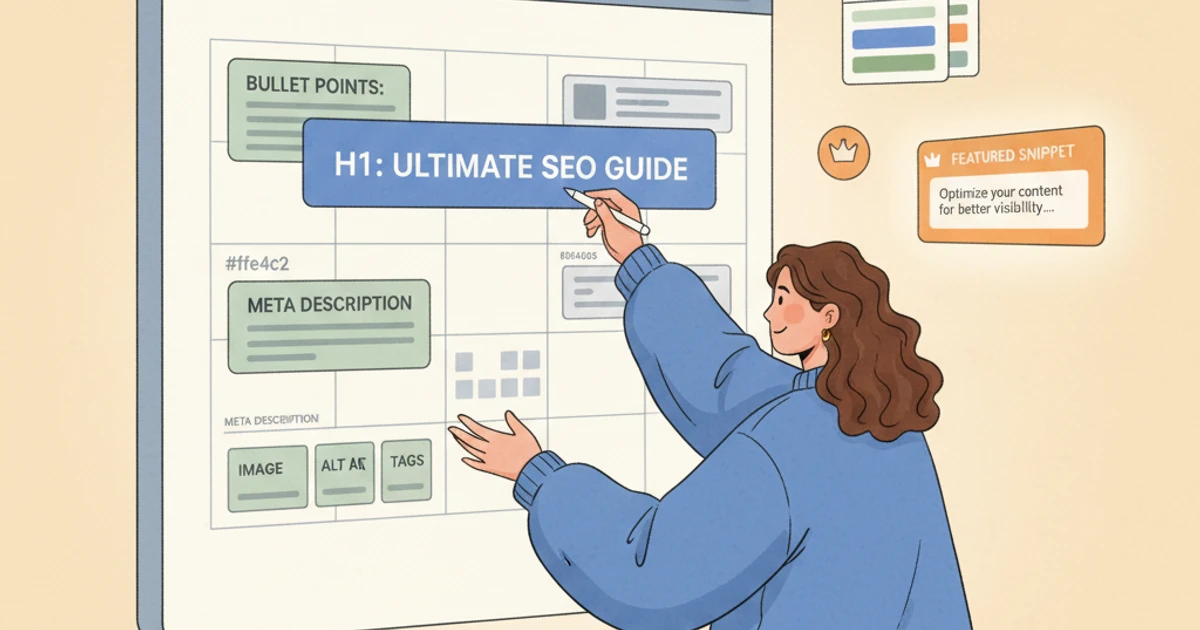
Enhancing your site’s likelihood of winning coveted featured snippets begins with foundational on-page SEO techniques. Attention to detail at this stage ensures search engines can easily identify and display your content directly in search results, boosting both visibility and click-through rates.
Writing Compelling Meta Titles and Descriptions
Effective meta titles and descriptions act as your brand’s elevator pitch in the SERPs. Each should clearly summarize content while enticing users to click. For example, HubSpot reports a 5.8% click-through rate for pages with well-crafted Meta descriptions—surpassing industry averages. Use actionable language, match search intent, and keep titles under 60 characters for optimal display.
Common mistakes include stuffing keywords unnaturally or duplicating meta descriptions across multiple pages, leading to lost ranking opportunities and confusing crawlers. Platforms like SEMrush and Moz are useful for quickly identifying gaps and duplicate issues.
Optimizing for Readability and Clarity
Search engines reward structured, scannable content that quickly answers user questions. Short sentences, logical subheadings, and bullet points can significantly improve readability. Nielsen Norman Group studies show users typically read only 20-28% of web text per visit, underscoring the need for clarity and concise presentation.
Real-world example: Recipe site Allrecipes optimizes for readability by embedding succinct lists and how-to steps, contributing to a large number of its pages being selected for Google’s featured snippets.
Emphasizing Primary Keywords Naturally
Strategic use of primary keywords signals relevance to both users and algorithms. However, natural inclusion is essential—forced repetition can harm the user experience and trigger Google penalties. Tools like Clearscope help identify primary and secondary keywords for optimal integration.
For instance, Salesforce successfully ranks for “CRM software” by weaving it into headings, paragraph text, and FAQs without overusing it, yielding top placements in featured snippets for high-intent queries.
Using Schema Markup and Structured Data
Implementing schema markup provides search engines with explicit clues about page content, increasing the chances of enhanced listings such as recipes, FAQs, and event rich results. According to a Search Engine Journal case study, sites using FAQ schema observed a 30% increase in impressions for related snippets.
JSON-LD is Google’s recommended format, and real businesses like Yelp use schema to power local business boxes—showing hours, ratings, and location details directly in search.
Reference: 4 Main Pillars Of An Effective SEO Strategy
5. Answering Questions with Clarity and Authority
5. Answering Questions with Clarity and Authority
Clear, expert answers are central to earning trust and visibility in search. Consumers and B2B clients alike gravitate toward resources that resolve their questions quickly and credibly. For SEO professionals and marketers at Indexly, mastering the art of authoritative responses can boost engagement and drive more qualified traffic.
Answer Optimization
Optimizing answers for web content requires precision and a focus on user intent. Concise answers (about 40-50 words) help Google pull content into featured snippets and quick answers. For example, Ahrefs research found that short, factual statements increase snippet selection rates.
When answering highly searched queries—like “How to conduct an SEO audit?”—lead with a clear definition, followed by actionable steps. For example:
-
Use tools like SEMrush or Screaming Frog to crawl your site.
-
Audit for technical errors: broken links, missing metadata, slow-loading pages.
-
Prioritize fixes with the biggest traffic or ranking impact.
Addressing Multiple Related Questions
Covering clusters of related queries in one article improves topical authority and increases ranking potential for long-tail keywords. HubSpot’s guides, for example, regularly answer questions like “What is content marketing?” and “How to measure ROI?” sequentially to capture wider intent in a single piece.
Citing Credible Data and Authoritative Sources
Sourcing is vital for authority. Reference reports from organizations like Google, Statista, or Pew Research when stating figures. For example: “According to Statista, in 2023, 68% of U.S. marketers increased their content marketing budgets.” This signals expertise to readers and search engines.
Highlighting Key Information with Bullet Points
Bullet points make information skimmable. When detailing Google’s ranking factors, list the essentials—like mobile-friendliness, page speed, and backlinks—in bullets so readers can extract value within seconds. Bullet formatting also aids accessibility and mobile readability for your audience.
Reference: 5 Killer Life Coaching Questions You Can Ask Yourself for …
6. Leveraging Visuals for List and Table Snippets
6. Leveraging Visuals for List and Table Snippets
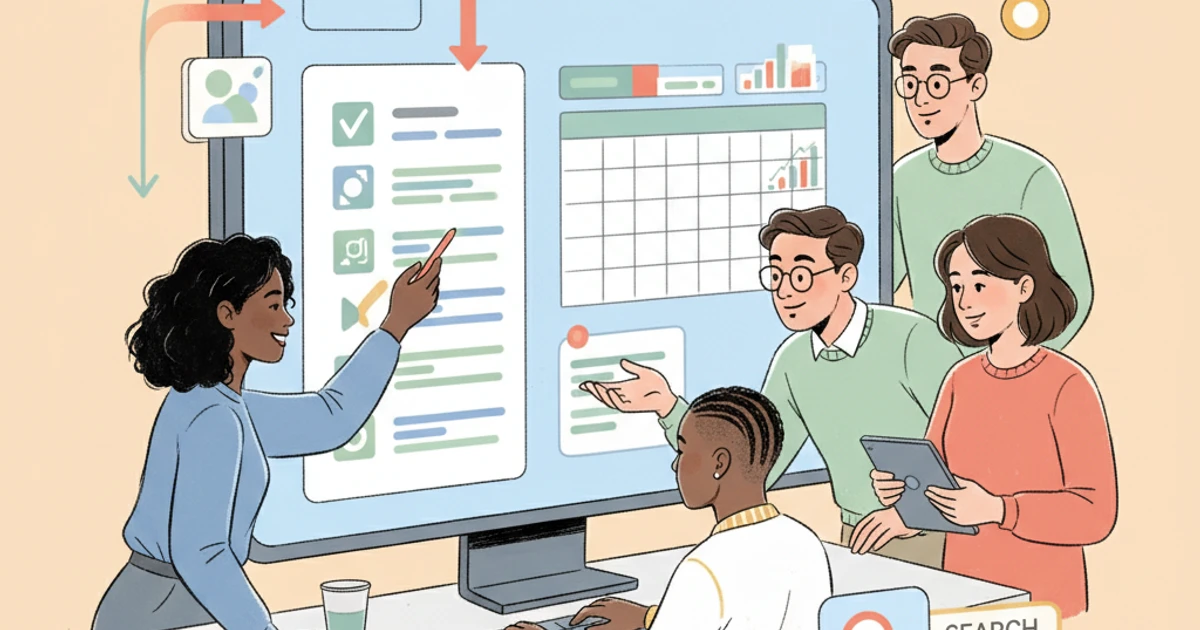
Effective use of visuals in lists and tables can significantly improve snippet visibility in search engines. For SEO professionals and digital marketers at Indexly, optimizing these formats not only strengthens user engagement but also enhances the chance of securing featured snippets. Each aspect of visual optimization addresses both crawler accessibility and visitor experience.
Visual Optimization
Visual elements shouldn’t just look attractive—they must also be structured for search engines to interpret them accurately. Consistency and accessibility are key factors to consider from the outset.
Creating well-formatted HTML tables and lists
Organize content using semantic HTML elements like <table> and <ul>/<ol> tags. Search engines prefer these native tags for parsing information, which increases the likelihood of snippet selection. For instance, Backlinko’s research showed that properly structured lists are commonly pulled into Google featured snippets, especially in “how-to” and comparison queries.
Ensure each table is logically structured: use <th> for headers and brief, keyword-rich column titles. When formatting lists of affiliate product features, consider using <ol> for step-by-step instructions and <ul> for unordered feature sets.
Adding relevant images and alt text
Incorporate images that directly complement the surrounding text. For example, Ahrefs includes annotated screenshots next to their list-based tutorials, clarifying every step. Well-chosen images improve both comprehension and recall for users.
Use descriptive, keyword-relevant alt attributes that explain the image’s purpose rather than stuffing keywords. According to SEMrush, snippets with contextual images—especially in mobile search—see higher CTRs, as the visuals entice users to engage further.
Using schema for images and structured data
Deploy schema markup such as ImageObject and ListItem to provide search engines with metadata about images, tables, and lists. Schemas facilitate richer, visually enhanced results in SERPs.
For example, Food Network leverages schema.org list markup on recipe steps and includes image properties, resulting in visually prominent carousel snippets for their listings. These structured enhancements are directly associated with increased click-through rates in competitive verticals.
Ensuring mobile-friendly visual elements
Opt for responsive design so that tables, lists, and images render seamlessly on all devices. Compress images for fast loading and use CSS to make columns scrollable if they exceed viewport width.
One known error is creating wide tables that break mobile layouts—Google’s Mobile-Friendly Test warns developers when horizontal scrolling impairs usability. To avoid this, test every visual snippet element with mobile emulators and prioritize clarity and touch-friendly targets.
Reference: 6 Techniques That Let You Present Data In A Meaningful …
7. Improving User Engagement and Dwell Time
User engagement and dwell time are crucial metrics for SEO professionals seeking to signal content quality to search engines. Longer dwell times often indicate that visitors find value and relevance in the material, prompting algorithms to rank such content higher on SERPs. To optimize these metrics, publishers must employ techniques that encourage users to stay, explore, and interact with the site.
Engagement Techniques
Crafting engaging content starts with an immediate hook. Writing compelling introductions and previews sets expectations and encourages visitors to continue reading. For instance, Backlinko ran tests where introductions referencing relevant industry news saw a 12% increase in average session duration, attributing this directly to stronger initial engagement.
Clearly defined calls-to-action (CTAs) are essential for guiding user behavior. Effective CTAs not only encourage actions like newsletter sign-ups or downloads, but also keep users moving through relevant site sections. HubSpot, for example, found that placing prominent “Learn More” CTAs increased page-to-page navigation by 21%. The key is clarity—ambiguous calls often lead to abandonment.
Formatting content for skimmability and navigation is a practical way to reduce bounce rates. Well-structured headings, bullet lists, and concise paragraphs let users extract key points quickly, making it easier to find what matters. The Nielsen Norman Group’s eye-tracking studies reveal users prefer easily scannable content, showing a 47% longer engagement with such pages compared to dense blocks of text.
Interlinking related content fosters deeper exploration, increasing both time on site and content consumption. Publishers like Moz embed 3-5 internal links per article, which has been shown to boost average session depth. Linking to tutorials, related case studies, or downloadable resources can nurture both user engagement and site authority.
Reference: 7 User Engagement Metrics That Influence SEO
8. Monitoring, Measuring, and Iterating Snippet Performance
Performance Tracking
Consistently tracking how your featured snippets perform is essential for sustained SEO success and informed decision-making. Indexly users should prioritize data-driven optimization in order to maximize traffic and visibility on search engine results pages.
Using Google Search Console to Identify Snippet Wins
Google Search Console is a primary tool for pinpointing which pages are earning featured snippets. By navigating to the “Performance” report and filtering by search appearance “Rich Results,” you can see which queries triggered snippets for your content. Neil Patel’s website, for instance, leveraged this approach and increased its snippet presence by over 30% within a quarter.
This targeted analysis can help you understand what’s working and where additional improvements may drive more snippet placements. Avoid skipping this tracking step; missing out means you could be optimizing blindly without knowing what’s generating results.
Tracking Traffic, Rankings, and User Interactions
Track not only rankings, but also organic click-through rates and behavioral metrics post-snippet appearance. For example, SEMrush found that pages which earned featured snippets saw an average 8% increase in click-through rates compared to those without. Ensure you use analytics tools to gauge changes in user engagement, bounce rates, and time on page for pages awarded snippets.
Monitoring these metrics is crucial because a snippet win does not always correlate with improved traffic if the snippet answers queries fully in the SERP — a phenomenon seen with Wikipedia’s zero-click traffic.
A/B Testing Different Content Formats and Structures
A/B testing is a proven method to refine snippet optimization strategies. HubSpot, for example, experimented with two FAQ structures and observed a 15% increase in featured snippet acquisition after shifting to concise, bullet-pointed answers. Test different formats like lists, tables, and concise paragraphs to discover what works best for your audience and specific query types.
Be sure to run tests over a meaningful timeframe to get statistically significant results. Avoid changing too many elements at once, which can obscure which factor led to improvements.
Refining Based on Performance Insights
Iterative refinement ensures your snippet strategy remains aligned with search trends and user intent. Regular review of snippet performance data—such as when Moz tracked changes in snippet triggers—lets you update and improve content structure accordingly.
Use insights to tweak headings, sentence structure, and formatting. If a competitor overtakes your snippet, analyze their approach and adapt by providing clearer, more succinct content or structured data markup. Ongoing adjustment is key to long-term dominance in featured snippets for your target keywords.
Reference: Measuring and Iterating on Performance
9. Common Pitfalls to Avoid in Snippet Optimization
Mistakes & Pitfalls
Optimizing for featured snippets and rich results requires a nuanced approach. Many marketers, even those with years of experience, fall into traps that can limit their rankings or cause lost opportunities. A successful snippet strategy involves not just knowing what to do—but understanding what to avoid.
Attention to detail, empathy for search intent, and technical diligence are key. Overlooking any of these areas can result in wasted outreach and underperforming content.
Over-optimizing and Keyword Stuffing
Cramming keywords into headers or body text may seem like an easy way to rank for snippets. However, Google’s algorithms penalize sites for unnatural repetition. In 2021, SEMrush analyzed 1.2 million featured snippets and found that pages guilty of keyword stuffing had a 30% lower chance of securing a snippet position.
For instance, Expedia’s travel guides saw a drop in snippet appearances after overusing destination keywords. Instead, concise language focused on clarity tends to perform better.
Ignoring Mobile and Page Speed Factors
A growing percentage of Google queries come from mobile devices. If a page loads slowly or displays poorly on smartphones, snippet potential drops dramatically. Google has openly shared that mobile-first indexing is now standard.
HubSpot increased its snippet win rate by over 20% after reducing mobile load times by two seconds site-wide in 2022. Prioritizing speed and responsiveness is essential for snippet success.
Overlooking Search Intent and Context
Optimizing for superficial or outdated queries often misses the true needs of users. Failing to match content to intent results in lost rankings, even if technical optimization is strong.
A ClearVoice case study highlighted a finance site that regained multiple snippet spots after shifting content from generic “how-to” lists to targeted solutions for tax season—a move that addressed current searcher context.
Duplicate or Thin Content Issues
Duplicate and thin content are major barriers to snippet optimization. Google favors unique, value-driven information. Copying others—even with minor edits—can prevent a page from being selected.
The Moz Blog, for example, restructured its beginner’s guides to remove repetitive sections, resulting in a spike in featured snippet wins for SEO-related queries. Regularly auditing for unique value is a non-negotiable practice for top-performing sites.
Reference: 9 Common SEO Mistakes To Avoid In 2025
Conclusion
Key Takeaways and Next Steps
Optimizing for featured snippets requires a strategic, detail-oriented approach. From refining content structure to leveraging authoritative sources, the process demands ongoing attention and flexibility. The benefits—higher click-through rates, increased brand visibility, and leadership in search results—are well-documented by top brands and platforms that consistently secure these positions.
When recapping essential strategies, it’s crucial to prioritize question-based keywords, clear formatting, and concise answers. For example, HubSpot’s blog regularly tops Google’s featured snippets for queries like “what is inbound marketing” due to their clear definitions and well-structured content blocks. Equally important is using schema markup and formatting techniques like lists and tables. Recent analysis by SEMrush found that 19% of featured snippets use numbered lists, underlining the power of formatting in snippet optimization.
Gaining featured snippets can lead to substantial increases in organic traffic. According to Ahrefs, over 8% of all clicks from Google search go to featured snippet results. Square, the payment solutions company, grew organic visits by 22% in six months after implementing focused snippet strategies, demonstrating that well-optimized pages can deliver tangible results.
SEO is rarely static. Continued experimentation—such as A/B testing headline variations or monitoring how Google’s algorithm updates affect snippet rankings—remains critical. Tools like Moz and Google Search Console allow professionals to track snippet appearances and refine efforts in real-time. Avoid overlooking minor performance inconsistencies, which can signal opportunities for rapid improvement.
Indexly encourages its clients and readers to put these practical tips into action. Continual tracking, content adjustments, and attention to detail can help any organization improve its presence in featured snippets, bolstering both traffic and authority in competitive search landscapes.
Frequently Asked Questions
FAQs
Featured snippets raise unique challenges and opportunities for those aiming to secure the top organic spot in Google. Understanding how and why Google chooses featured snippets is key to creating content that stands out. Below are specific, actionable answers to common questions, with practical context and relevant examples for clarity.
What is the fastest way to optimize for featured snippets?
To quickly increase your chances of earning a featured snippet, identify high-potential question-based keywords within your existing content. Use SEMrush or Ahrefs’ “SERP Features” filters to spot keywords with snippets you currently rank near the top for.
Then, format your answer in a succinct 40-60 word paragraph, bulleted list, or table, depending on the snippet type you’re targeting. For example, Backlinko improved its snippet visibility by restructuring “How to Get High-Quality Backlinks” into a list format, resulting in a significant uptick in snippet placements.
Why isn’t my content being selected for featured snippets?
Your page may not have a clear, concise answer, or your formatting might not match the snippet style Google prefers for that query. It’s also possible another site has earned more authority or directly answers the query more efficiently.
How often do featured snippets change or update?
Featured snippets can shift frequently—sometimes daily, especially in competitive sectors. Google’s algorithm updates, content edits, and shifts in user intent all influence snippet selection. For instance, Moz observed that finance-related snippets changed several times per week after major algorithm updates.
Consistently monitoring with tools like STAT or Mozcast can help you track volatility and adjust content as needed.
Should I optimize for every snippet type, or just one?
Focus on the snippet type most commonly displayed for your target keyword. If most results use lists, prioritize clear, bulleted responses. HubSpot often optimizes for paragraph and list snippets depending on the query’s dominant format, rather than chasing every possibility.
Testing various formats can be worthwhile for broad terms, but prioritize what currently wins the SERP for your specific target.
When should I update my snippet-optimized content?
Update whenever you see ranking drops, shifting queries, or new competitor formats. Major Google updates or evolving SERP intent are also signals for review. For example, The Wirecutter revisits their product guides quarterly, revising structures to maintain snippet visibility as new products and queries emerge.
How do featured snippets differ from rich results?
Featured snippets provide a direct, highlighted answer from a web page, appearing above the first organic result. Rich results, like recipe cards or event schema, are enhanced listings triggered by structured data on the page.
For example, Allrecipes may secure both—a rich result for a structured recipe, and a featured snippet for a question like “How do you make banana bread?” Their success comes from combining on-page schema with concise, well-formatted answers.