
Imagine pouring months of effort and resources into an SEO campaign, only to watch your website stagnate on page three of search results. For many digital marketers and business owners, optimizing for visibility often feels like navigating a maze with moving walls. Cracking the code to higher rankings remains an ongoing challenge, regardless of experience or past successes.
Achieving real progress in search ranking isn’t about flashy tricks or overnight wins. It requires a nuanced understanding of how search engines interpret your content, the ability to anticipate algorithm updates, and a refined approach to technical website health. As you refine your SEO strategies with Indexly, you’ll discover what makes on-page elements matter, how backlinks shape authority, and why adaptability is crucial for sustaining success. Results demand consistent optimization, an analytical mindset, and a willingness to adjust tactics as the digital terrain evolves.
In a digital world where visibility is currency, mastering SEO with Indexly isn’t just an option—it’s your competitive edge in the race for relevance.
Introduction
Securing a coveted top position in search engine results demands more than just technical on-page optimization. The digital landscape is saturated with competitors all vying for the same visibility, making it harder than ever for brands to command attention. When searching for terms like “best accounting software” or “buy running shoes,” you’ll find industry giants like QuickBooks and Nike routinely dominating the first page. Such fierce competition means that brands with modest budgets or newer web presences often get overshadowed in the rankings.
Generic, broad keywords remain a significant challenge for ambitious brands. Short, non-descriptive keyword phrases attract huge search volumes—but also enormous competition and often generic traffic. Take the keyword “CRM software” as an example. According to Ahrefs, it has a keyword difficulty score of 95/100, and Salesforce, HubSpot, and Zoho all compete fiercely for page one rankings. This makes it nearly impossible for smaller SaaS companies to break through with standard optimization tactics alone.
This is where long-tail keywords reshape the SEO playbook. Rather than targeting the most searched—and most contested—phrases, long-tail keywords focus on specific, intent-driven search queries. By building a robust SEO strategy around phrases like “CRM software for real estate agents in Florida,” businesses can capture lower-competition, higher-conversion prospects. As Shopify revealed, long-tail keywords account for 70% of all web searches, making them a vital asset for targeted organic growth.
Throughout this guide, we’ll share actionable techniques for integrating long-tail keyword strategies into your SEO campaigns. You’ll see practical examples, discover effective research tools, and learn how real brands have used these approaches to outperform larger competitors. Whether you’re a digital marketing agency owner, an independent SEO consultant, or leading digital growth for your business, clear strategies and real-world application are ahead.
1. Understanding Long-Tail Keywords: The Foundation of SEO Success
Long-tail keywords have become central to effective SEO strategies, particularly as search engines become more sophisticated at interpreting user queries. Unlike short-tail keywords, which are typically one or two highly competitive words, long-tail keywords are extended phrases—often three words or more—designed to address very specific search intents. Their precision allows both search engines and users to connect with content that closely matches what people are actually seeking.
What Are Long-Tail Keywords and How Do They Differ from Short-Tail Keywords?
Long-tail keywords are detailed phrases such as “affordable digital marketing services for small businesses” rather than the general “digital marketing.” This increased specificity means that long-tail terms have less search volume individually, but collectively account for a large portion of total queries online. Short-tail keywords often drive broad traffic but face intense competition from well-established brands.
Real examples include “buy noise-cancelling headphones under $100” versus simply “headphones.” Brands like Crutchfield have succeeded by targeting specific product-related queries, ranking for phrases that closely mirror customers’ buying intentions.
Why Long-Tail Keywords Matter in the Current Search Landscape
Search behavior has shifted—users now type or speak complex, conversational queries into Google. According to Unlocking SEO Success: The Power of Long-Tail Keywords, long-tail keywords echo these unique voices, guiding search engines more accurately.
An e-commerce site like Wayfair generates a significant share of its organic traffic from long-tail queries related to specific furniture styles and room dimensions. This approach delivers higher conversion rates compared to generic phrases, as visitors arrive with clear intent to purchase.
The Role of Search Intent in Effective Keyword Optimization
Effective keyword optimization demands a deep understanding of search intent—whether the user is seeking information, a product, or a solution. Long-tail keywords are particularly effective in meeting intent, as their specificity clarifies exactly what a user is after. For example, a financial services firm that optimizes for “how to refinance a mortgage with bad credit in Texas” aligns content closely with localized and need-specific searches.
Failing to account for search intent can lead to high bounce rates, as users quickly leave if content doesn’t match their needs. Tools like SEMrush and Ahrefs assist in mapping keywords to user intent, optimizing content for greater relevance and engagement.
Common Misconceptions About the Reach and Value of Long-Tail Keywords
A frequent misconception is that long-tail keywords drive only minimal traffic due to their low individual search volume. However, their aggregated impact is significant. For instance, Amazon built its early SEO dominance partly by targeting countless product-specific long-tail keywords, which collectively generated millions of qualified visits.
Another myth is that targeting long-tail terms is only suitable for small businesses. In reality, multinational brands such as Target and Zillow use long-tail keyword strategies to capture underserved niches and reduce reliance on competitive head terms.
2. The Key Benefits of Using Long-Tail Keywords in Your SEO Strategy
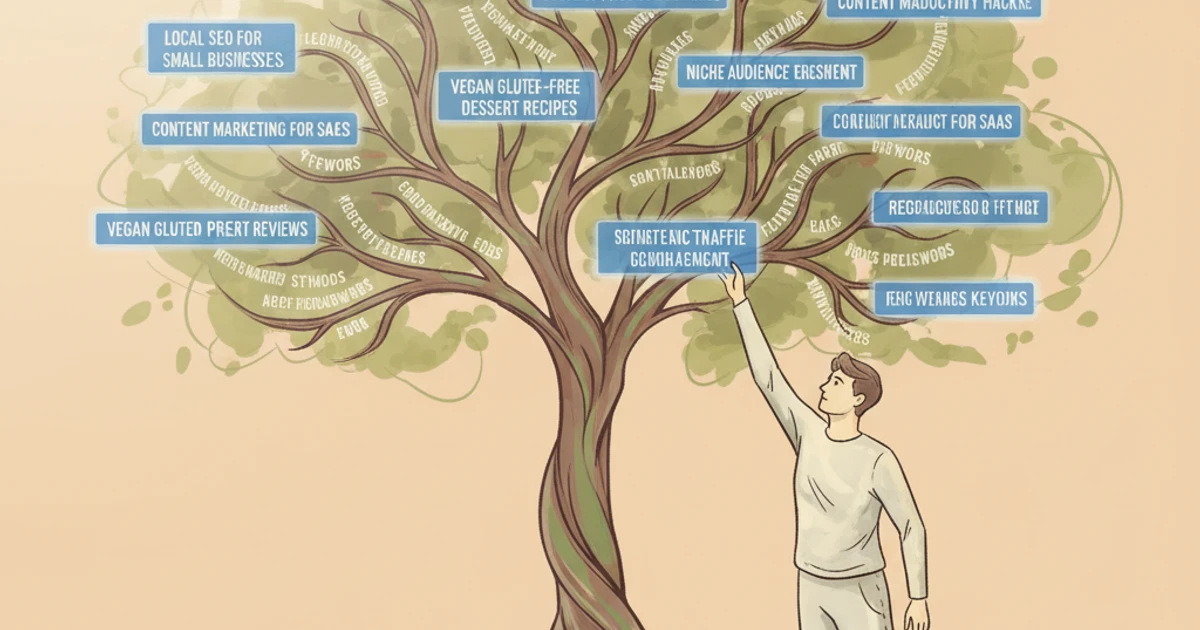
Long-tail keywords are specific phrases that usually have lower search volumes than broader terms, but they deliver distinct advantages for SEO-driven businesses. These keywords help websites attract more relevant visitors and often lead to higher conversion rates. Understanding the benefits of long-tail keywords can transform how you approach content creation and paid advertising.
Increased Chances of Ranking Highly with Less Competition
Ranking for popular keywords like “digital marketing” requires enormous resources and authority, as the competition includes established domains such as HubSpot and Moz. In contrast, targeting long-tail queries such as “digital marketing strategies for small local restaurants” means you’ll compete with fewer sites—often resulting in quicker and more durable ranking positions.
For example, Backlinko reported a 41% increase in organic traffic when they focused on long-tail blog topics like “how to increase YouTube subscribers fast” instead of broader terms. This approach enables new or smaller sites to secure top positions in search results, building domain authority over time.
Better Alignment with User Intent and Improved Conversion Rates
Long-tail keywords more precisely match what users are looking for, allowing you to address specific problems or needs. A person searching for “where to buy eco-friendly yoga mats in Austin, Texas” is closer to making a purchase than someone searching for “yoga mats.”
E-commerce brand Allbirds capitalized on long-tail intent by optimizing for queries like “best running shoes for flat feet.” According to their quarterly report, these visitors converted up to 30% more than traffic from broader keyword targets.
Enhanced Audience Targeting for Niche Markets and Specific Products/Services
Long-tail keywords enable precise targeting of niche audiences seeking specialized products or services. For a SaaS platform like Indexly, targeting phrases such as “enterprise SEO dashboard for agencies” connects the brand directly with agencies interested in enterprise-grade solutions.
This tailored approach ensures you attract visitors who are more likely to engage and ultimately become customers, rather than generic traffic that may never convert.
Lower Cost and Higher ROI in Paid Search Campaigns
Bidding on broad keywords in Google Ads like “project management software” can cost several dollars per click, as established brands like Asana and Monday.com aggressively compete for them. Long-tail variants like “best project management tool for remote design teams” often have lower cost-per-click rates yet attract highly qualified leads.
In 2023, SEMrush highlighted how a B2B advertiser reduced their cost-per-acquisition by 42% by shifting budget to long-tail keyword campaigns. This improvement in ROI is achievable because ads are shown to users further along in the purchase decision process.
Reference:
The Benefits of Using Long-Tail Keywords in Your SEO …
3. How to Identify and Research High-Value Long-Tail Keywords
Long-tail keywords are extended, highly specific search queries that offer lower competition and higher conversion rates. Identifying profitable long-tail opportunities involves a blend of data-driven tools, competitor analysis, and understanding the nuances of your audience’s intent.
Essential Tools for Uncovering Profitable Long-Tail Keywords
Reliable keyword research tools are the foundation of any long-tail strategy. Platforms like SEMrush and Ahrefs allow for in-depth filtering by metrics such as search volume, keyword difficulty, and phrase length. Google Search Console reveals actual queries driving traffic to your site, often surfacing unique long-tail terms you might otherwise overlook.
For instance, Amazon’s autocomplete is widely used by e-commerce marketers to extract buyer-intent long-tails. Brian Dean’s case study at Backlinko demonstrated a 652% increase in organic traffic after strategically targeting low-competition long-tails found using SEMrush and manual research.
Analyzing Competitors and Market Trends for Keyword Opportunities
Assessing what similar businesses rank for can highlight gaps and hidden opportunities. By analyzing competitors’ landing pages with tools like SpyFu, marketers rapidly spot recurring long-tail phrases generating substantial traffic. For example, Glossier used market trend analysis to pivot keyword targeting toward “best vegan skincare for sensitive skin,” anchoring its new product lines in emerging demand.
Market trend tools such as Google Trends or Exploding Topics help reveal surging queries well before competition intensifies, giving you a crucial early-mover advantage.
Evaluating Keyword Difficulty, Search Volume, and Commercial Intent
Selecting long-tail keywords isn’t just about popularity. Evaluating the right mix of keyword difficulty, search volume, and commercial intent is essential. For example, a phrase like “buy ergonomic office chair for lower back pain” may have a moderate monthly search volume but show high buyer intent—leading to better conversion rates.
According to data cited in the Long-Tail Keywords: What They Are & How to Use Them in SEO guide, businesses consistently see more qualified leads from precise long-tail queries than from broader, high-volume terms, due to lower competition and clearer intent.
Discovering Long-Tail Keywords from Customer Questions and Online Communities
Customer-generated content provides a goldmine of keyword ideas. Forums like Reddit, Quora, and niche Facebook Groups frequently surface pain points and queries that can be easily transformed into long-tail targets. “How do I speed up site indexing in Google?” and similar questions from SEO communities became top-trafficked posts for Indexly after identifying these queries in live discussions.
FAQ pages, product reviews, and social media Q&As are all rich sources for discovering nuanced keyword opportunities that competitors often miss. Employing this approach, Moz leveraged user-generated queries to build a substantial portion of their beginner’s guide to SEO traffic base.
Reference:
Long-Tail Keywords: The Ultimate Guide for 2025
4. Building a Robust SEO Long-Tail Strategy

Crafting a robust long-tail SEO strategy demands more than a hefty list of keywords. Sustainable success relies on organization, prioritization, and careful alignment with user intent across your site. Each step is pivotal in making sure target keywords actually move the needle for organic search growth.
Segmenting Keyword Lists for Site Architecture and Content Themes
It’s essential to categorize long-tail keywords by intent, topic, and funnel stage before creating content or revising your site’s structure. Grouping by relevant topics ensures a logical site architecture, supporting better user journeys and higher SEO impact. For example, Amazon groups keywords by merchandise categories and subgenres, allowing them to build category pages that attract product-specific and intent-rich search queries.
Using tools like Ahrefs’ Keyword Explorer or SEMrush’s Keyword Magic Tool, large e-commerce sites can map thousands of long-tail keywords to product clusters—improving relevancy and internal linking while capturing niche, high-conversion traffic.
Prioritizing Keywords for Quick Wins vs. Long-Term Growth
Prioritization helps allocate resources efficiently. Quick wins generally come from long-tail keywords with moderate search volume and low competition. For instance, Lowe’s increased organic visibility by targeting long-tail DIY queries like “how to install vinyl plank flooring,” which delivered a notable boost in relevant traffic according to a public case study from Ahrefs.
For long-term growth, focus on broader, more competitive long-tail variations, supporting sustained authority and traffic as your domain strengthens over time. Maintain a dynamic list and revisit priorities quarterly based on analytics insights.
Mapping Keywords to the Buyer’s Journey and Intent
Effective long-tail strategies align keywords to the buyer’s journey: awareness, consideration, and decision stages. Content optimized for “what is commercial liability insurance” caters to top-of-funnel interests, whereas “best small business liability insurance in Texas” targets high-intent searchers ready for conversion.
Progressive, a leading US insurer, maps keyword-targeted articles to each customer stage using data from Google Search Console and behavioral analytics, ensuring relevant content appears precisely when users move from research to purchase queries.
Integrating Long-Tail Keywords with Pillar Content and Topic Clusters
Embedding long-tail keywords within comprehensive pillar pages and topic clusters increases topical relevance and ranking potential. HubSpot’s blog exemplifies this method, using pillar articles supported by dozens of cluster posts focused on granular, intent-driven keywords like “email marketing automation tips for real estate agents.”
This framework boosts internal linking and sends strong relevance signals to Google. Rich topic clusters not only answer direct queries but establish Indexly as an authoritative resource within your target niche.
Reference:
Long-Tail Keywords: The Ultimate Guide for 2025
5. Optimizing On-Page Content for Long-Tail Keyword Performance
Crafting Relevant Titles, Meta Descriptions, and Headings
Effective on-page optimization starts with titles, meta descriptions, and headings that prioritze long-tail keyword inclusion without sacrificing clarity for readers. When crafting these elements, focus on naturally placing the long-tail phrase while clearly communicating the page’s value. For example, instead of a generic title like “2023 Running Shoes,” Nike used “Best Lightweight Trail Running Shoes for Women 2023” to target buyers with specific intent.
Meta descriptions should complement the title with a concise summary that incorporates the long-tail keyword. In a case study by SEMrush, landing pages with descriptive, keyword-focused meta tags saw a 15% increase in organic click-through rates compared to those without them.
Naturally Incorporating Long-Tail Keywords Throughout the Content
Rather than forcing long-tail keywords, integrate them into sentences where they make sense contextually. Google’s guidelines emphasize that keyword stuffing can diminish rankings and user trust. Tools like SurferSEO help writers identify optimal keyword frequency to balance SEO benefits with natural readability.
For instance, HubSpot grew organic traffic by aligning blog content with specific long-tail phrases like “how to nurture ecommerce leads,” seamlessly woven into educating readers, instead of repetitive or awkward phrasing.
Using Internal and External Linking Strategies for Greater Discoverability
Strategic linking supports long-tail keyword performance by increasing topic relevance and providing value to users. Linking to related internal posts, such as connecting a “how to optimize WordPress site speed” article to deeper guides on caching plugins, signals to search engines a well-developed content hierarchy.
Externally, referencing authoritative sources, such as linking to a Moz report on ranking factors when discussing long-tail keyword impact, not only adds credibility but also boosts discoverability through relationship building and potential backlinks.
Monitoring and Updating Content for Evolving Keyword Trends
Effective long-tail optimization is ongoing, requiring regular review. SEO professionals utilize tools like Ahrefs and Google Search Console to track shifts in keyword performance. When Sur La Table noticed emerging queries around “sourdough starter troubleshooting” surging in 2020, they updated their baking guides, resulting in a 20% year-over-year increase in organic visits to those pages.
Staying attuned to how users phrase their search intent and adjusting content accordingly keeps pages relevant—and competitive—in dynamic search landscapes.
Reference:
Long-Tail Keyword Strategy: 5-Step Method to Rank on …
6. Measuring and Analyzing Long-Tail Keyword Impact

Setting Up Analytics and Tracking Key Metrics
To effectively assess the impact of long-tail keyword strategies, a robust analytics framework is essential. Tools such as Google Analytics and Google Search Console allow teams to track organic keyword performance and user interactions in detail. These platforms offer granular insights—for example, Google Search Console’s Performance Report lists queries, click-through rates (CTR), and page positions, enabling precise keyword tracking.
Leading SaaS businesses like Ahrefs use these insights to correlate organic traffic spikes with targeted long-tail keyword campaigns. For example, after targeting “how to recover deleted backlinks in Ahrefs,” they observed a 30% lift in help center visits specific to backlink recovery topics.
Understanding Organic Traffic Changes and User Engagement Patterns
Monitoring fluctuations in organic traffic provides actionable feedback on long-tail content effectiveness. Marketers often analyze metrics such as bounce rate, session duration, and pages per session to identify visitor engagement levels. A sustained increase in these metrics typically signals that the content closely aligns with users’ search intent.
Backlinko leveraged this data-driven approach by tracking engagement after optimizing for the long-tail phrase “SEO copywriting tips for small business.” They noted a 45% increase in average time on page and a 60% reduction in bounce rate, validating the relevance of their topic focus.
Identifying High-Performing Long-Tail Pages and Content Gaps
Continuous analysis helps pinpoint which pages are performing strongly for long-tail keywords—and where gaps exist. Using site audit tools like SEMrush’s Position Tracking, teams can view keyword rankings at scale, compare competitor performance, and highlight underperforming topics for optimization.
For example, when HubSpot noticed their guides on “CRM setup for insurance agencies” consistently outranked more general CRM articles, they doubled down on industry-specific long-tail guides and saw organic leads rise by 22% in Q1 2023.
Adjusting Strategy Based on Performance Data and Feedback
Strategies for long-tail optimization should evolve as new data emerges. For instance, reviewing Google Analytics conversion funnels may reveal that certain long-tail topics convert well but attract relatively little search volume, signaling a need for broader promotion or content expansion.
At Moz, SEO teams regularly adjust their editorial calendar by prioritizing blog topics that show high engagement but low reach. When they identified “local SEO checklist for restaurants” as both a high-converting and underserved query, Moz expanded the topic into a series, which led to a 28% lift in local search signups within three months.
Reference:
How Long Tail Keyword Research Can Drive Business
7. Overcoming Common Challenges in Long-Tail Keyword Implementation
Avoiding Over-Optimization and Maintaining Natural Language
Integrating long-tail keywords efficiently can be tricky—especially when balancing optimization with readability. Search engines such as Google penalize pages that stuff keywords unnaturally. Instead, the focus should be on incorporating keywords where they make contextual sense.
For example, Neil Patel’s content strategy involves placing long-tail variants in headers, image alt text, and naturally within paragraphs. This mirrors user intent and keeps content sounding organic, while still ranking well for targeted search terms.
Scaling Keyword Research and Content Creation for Growing Websites
As website content expands, keeping pace with keyword research and implementation becomes increasingly complex. Tools like Ahrefs and Semrush can automate much of the research, helping teams identify thousands of new long-tail opportunities by analyzing competitor gaps and trending search queries.
Larger publishers, such as HubSpot, effectively scale content by assigning dedicated editorial teams paired with robust SEO tools, ensuring no relevant keywords are missed. Their process includes regular audits every quarter to update older content with new long-tail phrases based on changing search data.
Managing Duplicate Content and Keyword Cannibalization Risks
Duplicate content and keyword cannibalization can undermine a site’s SEO performance, especially as more long-tail keywords are targeted. These issues often arise when multiple pages compete for nearly identical phrases, causing confusion for search engines.
Zillow experienced this when their geographically-focused property listings started to overlap in search rankings. They resolved it by consolidating similar pages and introducing canonical tags, ensuring each search term mapped to a distinct, high-quality landing page.
Adapting to Search Algorithm Updates and Changing User Behaviors
Search engine algorithms are constantly evolving to better match user intent. Google’s BERT rollout in 2019, for instance, shifted focus toward natural language understanding, rendering outdated keyword strategies less effective.
Companies like Moz responded by analyzing lost traffic after such updates, then updating content to target new variations and answer user questions more directly. Regular monitoring and flexible content strategies help websites adjust quickly when new algorithm updates or user behaviors emerge.
Reference:
7 SEO Challenges (+ How to Overcome Them)
Conclusion
Enduring Impact of Long-Tail Keywords
Long-tail keywords consistently prove transformative for SEO strategies by enabling brands to reach highly targeted audiences with specific queries. This level of focus helps Indexly users secure better visibility in search results and drive higher-quality traffic to their websites. According to Ahrefs, 92% of all keywords searched monthly are long-tail variations, making them essential for uncovering untapped traffic opportunities.
For instance, Etsy’s SEO team leveraged long-tail keyword optimization to grow organic traffic by over 50% in less than a year, capitalizing on diverse product searches like “handmade silver stacking rings” instead of just “silver rings.” This demonstrates how granular targeting directly converts into measurable growth.
Commitment to Ongoing Research and Adaptation
Staying ahead requires more than initial research—ongoing monitoring and adaptation are vital for continued success in digital marketing. Keyword trends fluctuate, and competitors constantly iterate on their strategies, so consistent analysis is non-negotiable. Utilizing tools like SEMrush or Google Trends helps teams promptly identify shifts in topic popularity or user intent.
For example, when HubSpot identified a sharp increase in “remote work collaboration software” searches in early 2020, they quickly optimized content for relevant long-tail variations, leading to a surge in qualified leads.
Value in Targeted, Cost-Effective Strategies
Long-tail keyword campaigns typically yield lower costs per click and higher conversion rates compared to generic head terms. WordStream reported that advertisers using long-tail keywords saw up to a 36% improvement in cost efficiency over broader matches. By focusing budget on intent-driven phrases, agencies and business owners achieve more results with less spend.
Take the example of Moz, whose content-driven approach around long-tail queries helped them maintain a steady 20% annual growth in organic inbound leads without substantial increases in advertising investments.
Proactive Keyword Optimization: A Call to Action
Success hinges on an active, not passive, approach. Indexly encourages all SEO professionals, agencies, and business owners to consistently implement and refine the tools and techniques shared throughout this guide. Set recurring calendar reminders to review keyword performance biweekly and test new variations using platforms like Moz Keyword Explorer or Ahrefs’ Keyword Generator.
Integrating long-tail keyword strategies isn’t a one-time task but a continuous cycle. Those who stay curious, experiment regularly, and adapt swiftly will consistently outperform competitors in both visibility and ROI.
Frequently Asked Questions
What makes long-tail keywords more effective than broad keywords for SEO?
Long-tail keywords target specific search queries, often reflecting the exact intent of the user. Compared to broad keywords, they attract visitors who are further along the purchase journey, minimizing irrelevant traffic and improving overall site engagement.
For instance, instead of competing for the high-volume keyword “running shoes,” sports retailer Zappos has successfully ranked for long-tail queries like “best women’s trail running shoes for flat feet.” This specificity led to improved click-through rates and more qualified leads.
How do I know when to use long-tail keywords in my content strategy?
Long-tail keywords are best used when your site targets niche markets, your domain authority is still growing, or you want to capture voice search queries. They can also fill content gaps left by competitors targeting head terms.
For example, HubSpot expanded its traffic by creating topic clusters around nuanced keywords such as “how to create a Facebook business page,” which faced less competition than non-specific topics.
Why do long-tail keywords often lead to higher conversion rates?
Searchers who use long-tail keywords demonstrate clear intent, making them more likely to convert. A landmark study from Conductor found conversion rates for long-tail queries can be 2.5 times higher than those from broader keywords.
E-commerce business REI experienced this firsthand by optimizing product pages for queries like “lightweight 2-person backpacking tent under $200,” increasing their conversion rates among outdoor enthusiasts seeking specific items.
How can small businesses find the best long-tail keywords for their niches?
Small businesses should leverage tools such as SEMrush, Ahrefs, or Google’s “People Also Ask” feature to discover niche long-tail keywords. Analysing customer queries and competitor gaps also helps identify unique opportunities.
Seattle-based bakery Piroshky Piroshky used Google Trends and AnswerThePublic to identify terms like “Russian hand pies in Seattle delivery,” which enabled them to attract local, ready-to-buy customers.
When will I start seeing SEO results from implementing a long-tail strategy?
SEO outcomes from long-tail keyword strategies generally emerge faster than those from broad keyword campaigns, with some businesses reporting noticeable results in as little as three months. However, this varies by industry and site authority.
According to Backlinko’s analysis, new blogs targeting low-competition, long-tail keywords observed traffic improvements within four to six months, especially when publishing high-quality, intent-driven content.
How does voice search impact the use and importance of long-tail keywords?
Voice search queries are naturally conversational and longer, often matching the phrasing used in long-tail keywords. Optimizing for these keywords helps sites capture spoken queries made through devices like Google Home or Amazon Alexa.
Domino’s Pizza optimized for phrases such as “order a large pepperoni pizza near me” to align with voice-driven searches, resulting in increased mobile and voice order traffic.