
Introduction
Staying ahead in SEO is essential for any business aiming to grow its digital presence. Search algorithms are evolving rapidly, pushing brands, content creators, and agencies to adapt their strategies to maintain top visibility. In 2026, competition within the United States market is especially fierce, making awareness of the latest SEO trends not just helpful, but vital for sustained growth and organic traffic.
Several factors drive this urgency, including major search engine updates, the rise of AI-powered search experiences, and shifting user expectations. For example, Google’s latest core update in March 2024 impacted over 40% of top-ranked search results, with many industry leaders like HubSpot and Shopify adapting their content strategy to focus on helpful, experience-driven content. Users now expect highly relevant, authoritative answers delivered quickly—raising the bar for all businesses competing for attention.
To provide clarity in this rapidly changing landscape, this listicle examines the 10 most impactful SEO trends shaping rankings and driving organic traffic success in the U.S. market this year. Whether you manage content for an agency, optimize sites for small businesses, or oversee growth for a large eCommerce platform, understanding and leveraging these trends can directly impact your search visibility and business outcomes.
Google Search Generative Experience (SGE)
Overview
Google’s Search Generative Experience (SGE) introduces a fundamental shift in how users interact with search results. Rather than relying on a list of links, SGE uses generative AI to synthesize answers and summarize key information at the top of the search interface. After a year of incremental testing, SGE continues to roll out features in the United States, reflecting Google’s investment in improving relevance and efficiency for searchers.
Recent updates have expanded SGE access from a select group of Search Labs users to a broader base, as Google’s AI team pushes generative results into more search scenarios. This progression underscores the rapid pace of generative AI adoption within major platforms.
Key Details
SGE delivers AI-generated summaries directly above standard organic rankings, condensing key points and offering contextual insight in a compact format. Unlike previous Featured Snippets, these summaries address more nuanced and open-ended queries, especially those involving product comparisons or complex instructions.
For example, a search like “+best mattress for back pain 2025+” triggers SGE to outline comparative highlights from sources such as Sleep Foundation and Consumer Reports in bullet points, sometimes followed by quick-answer FAQs. SGE can also surface shopping options, reviews, and guides, radically changing the format users see.
What Makes It Special
The traditional intent behind search—in which users scan blue links for answers—has shifted. SGE delivers answers via dynamic AI-powered content, making users more likely to engage with content summaries or visual elements instead of clicking through.
This change prioritizes engagement and experience, as detailed in 2024 search trends and priorities. Sephora’s product pages, for instance, have seen higher placement in SGE-driven results by offering dense, answer-oriented content coupled with visual optimization.
Considerations
With SGE, traditional on-page SEO tactics—like keyword density and meta optimization—must adapt. Content strategies now require a focus on concise, authoritative information that can be easily summarized by AI. Incorporating schema markup and optimizing for long-tail, conversational queries increases the likelihood of being surfaced in SGE summaries.
Brands succeeding in this landscape, such as REI with their expert advice pages, embed structured data and present detailed FAQs, making their content more accessible to SGE’s algorithms. As a result, digital teams should regularly audit their content for depth, clarity, and schema alignment.
Best For
SGE best serves brands and creators targeting rich-featured snippets or answer-focused search queries. Websites providing in-depth guides, actionable how-tos, or product reviews—like Wirecutter or Mayo Clinic—see their authoritative content highlighted in SGE summaries.
For content marketers and SEOs, developing content clusters designed to address specific queries and intent—while maximizing accessibility via structured data—is crucial to capturing these prized positions.
Additional Info
For a deeper dive into technical guidance or updates, consult the official Google SGE documentation and industry case studies discussing visual optimization and content intelligence. Staying current with these resources will help teams adapt their strategies as SGE becomes the new norm across broader search experiences.
AI-Powered Content Creation

Overview
AI content generation tools like ChatGPT, Jasper, and Google’s Gemini have moved from experimental phases to core components of content teams’ daily operations. These platforms empower businesses to automate article drafting, product descriptions, and email copy, reducing production timelines significantly.
For example, Jasper recently revealed their enterprise clients doubled output speed across marketing campaigns, while large publishers like Buzzfeed have tested OpenAI’s models to scale quiz and article creation. The mainstream accessibility of these tools is reshaping how agencies and brands deliver content at scale.
Key Details
These AI tools enable organizations to generate a wide variety of content rapidly. Teams can personalize blog posts for different audience segments in minutes, and optimize copy for SEO using built-in keyword suggestion engines.
For instance, e-commerce platforms such as Shopify leverage AI to rewrite thousands of product descriptions, customizing language per region or audience. Jasper’s custom templates and SurferSEO’s integration also enable efficient, data-driven optimization, leading to improved organic search visibility.
What Makes It Special
The primary strengths of AI-driven content creation are efficiency and scalability. Teams can now deploy hundreds of articles per month, a feat that would be cost-prohibitive with traditional workflows.
However, companies like CNET learned that human oversight and originality remain essential. In early 2023, CNET paused some AI-generated finance articles after errors surfaced, underscoring that while AI generates drafts, editorial review for credibility and uniqueness cannot be skipped.
Considerations
Google maintains that AI-generated content is not inherently penalized, provided it meets quality standards and serves users’ interests. Their guidance as of 2026 emphasizes that content, regardless of method, should be helpful and original.
Brands should monitor output for accuracy and duplicity, using AI as a brainstorming or first-draft tool rather than a complete replacement for human expertise, particularly when E-E-A-T (Experience, Expertise, Authoritativeness, Trustworthiness) matters most.
Best For
Agencies managing multiple clients, publishers scaling article production, and ecommerce firms updating catalogs benefit most from AI content generation. For example, The Washington Post’s “Heliograf” system automated news alerts, while HubSpot uses AI to generate blog post drafts, freeing teams to focus on insight and strategy.
Rapid A/B testing and seasonal campaign rollouts become practical, giving a competitive edge to organizations with high content demands.
Additional Info
Below is a table comparing recommended AI content tools for content creators and SEO teams:
| Tool | Features | Pros | Cons |
|---|---|---|---|
| ChatGPT (OpenAI) | Conversational interface, plugin support, API integration | Flexible outputs, extensive community, robust language handling | May require prompt engineering, factual errors possible without oversight |
| Jasper | Marketing templates, SEO integrations (SurferSEO, Grammarly), team collaboration | Easy to scale branded content, strong support, fast generation | Subscription pricing, quality varies by prompt specificity |
| Gemini (Google) | Native Google app integration, multilingual capabilities | Strong search/data grounding, seamless with Google ecosystem | Still rolling out advanced features, less customizable than competitors |
Selecting the right platform depends on your content volume, workflow automation needs, and preferred integrations with SEO and analytics tools.
Reference:
11 best AI content writing tools (reviews included!)
E-E-A-T (Experience, Expertise, Authoritativeness, Trustworthiness)
Overview
The E-E-A-T framework describes what Google values most in assessing website quality: Experience, Expertise, Authoritativeness, and Trustworthiness. Google’s introduction of an additional “E” for Experience in its search quality evaluations expands on the original E-A-T principles, making real-life know-how a key ingredient for top content.
With a rapidly evolving search landscape, and updates detailed in resources like the 9 Biggest SEO Trends of 2025 & How to Leverage Them, understanding and demonstrating E-E-A-T on your website is more important than ever. Businesses failing to adapt may see their rankings slip as Google sharpens its focus on these signals.
Key Details
Modern search engines examine content for more than keywords or backlinks. Author bios must now highlight concrete expertise and credentials. Google looks for signals such as professional qualifications, verifiable work experience, and author transparency—especially on high-stakes topics.
For example, Investopedia incorporates detailed author bios including financial certifications and links to their LinkedIn, presenting a clear and trustworthy authority in the finance niche. Search engines give extra weight to this type of demonstrated, real-world expertise.
What Makes It Special
E-E-A-T has a particularly pronounced impact on “Your Money, Your Life” (YMYL) categories—areas affecting health, finance, or safety. Content from subject matter experts is heavily prioritized in the search results for these niches.
For instance, Mayo Clinic’s health content stands out because all articles are reviewed by medical professionals whose credentials are prominently displayed. That level of transparency and rigor directly correlates to higher search visibility for high-trust topics.
Considerations
Building E-E-A-T requires actionable steps. Robust author pages should display comprehensive details, such as academic degrees, industry certifications, and relevant career experience. Adding client testimonials and case studies helps create additional trust signals.
Many successful agencies, like NerdWallet, publish not only bios but also editorial guidelines and rigorous sourcing policies, making their expertise clear to both users and algorithms.
Best For
E-E-A-T is critical for sites operating in regulated or sensitive industries—finance, healthcare, law—as well as personal brands or thought leaders seeking to build digital authority.
High-authority voices such as Suze Orman in personal finance or Dr. Sanjay Gupta in medical journalism consistently rank well because their trust factors are easily quantified and displayed.
Additional Info
Google’s Search Quality Evaluator Guidelines highlight E-E-A-T as a central component when rating content reliability. These guidelines continue to evolve, reflecting Google’s emphasis on user safety, accuracy, and accountability in online content.
Reference:
Creating Helpful, Reliable, People-First Content
First-Party Data and Privacy-First Strategies
Overview
Marketers are navigating a fundamental transition as third-party cookies are phased out by browsers like Chrome, Firefox, and Safari. This shift pushes brands to rely more heavily on first-party data—information collected directly from their audiences through owned channels. As privacy regulations tighten, leveraging this data responsibly is not optional but essential.
For example, The New York Times fully transitioned to first-party data in 2021, removing third-party advertising identifiers and achieving improved engagement rates while protecting reader privacy. Brands across industries are following suit to future-proof their marketing efforts and retain customer trust.
Key Details
Effectively harnessing zero- and first-party data hinges on active user participation and transparent data collection practices. Tactics often involve interactive website features such as preference centers, gated content, and loyalty program registrations that encourage users to share their information directly with the brand.
Sephora, for instance, uses its Beauty Insider loyalty program to collect preferences, purchase history, and feedback from millions of customers, enabling tailored recommendations and marketing campaigns. Such initiatives foster meaningful insights without relying on invasive tracking.
What Makes It Special
First-party data strategies make it possible to deliver personalized experiences that comply with privacy frameworks like the GDPR and CCPA. Because the data comes directly from customers who have chosen to engage, brands can craft relevant messaging, improved offers, and seamless journeys—all while upholding legal obligations.
Shutterfly, an e-commerce platform specializing in photo gifts, leverages first-party purchase and interaction data to personalize its marketing emails at scale without violating consumer trust or regulatory standards.
Considerations
Implementing privacy-first approaches calls for significant investment in technology. Brands should upgrade their CRM systems and integrate dedicated consent management platforms that automate user preferences and ensure compliance.
Companies like Salesforce and OneTrust have seen widespread adoption as businesses deploy their solutions to manage consent at scale, reducing risk from evolving regulatory requirements and safeguarding customer data.
Best For
Privacy-first, first-party strategies particularly suit brands that prioritize ethical data stewardship and aspire to build durable, trust-based customer relationships. This model benefits retailers with frequent buyer touchpoints, publishers aiming for subscription growth, and SaaS companies looking to deepen account engagement.
Enterprises like Patagonia and REI underscore this ethos by highlighting transparency in their data practices, aligning marketing methods with their broader brand values around trust and responsibility.
Additional Info
Regulatory oversight is increasing. The FTC proposed new rules in 2024 aiming to enhance transparency around how companies collect and use sensitive consumer data. Meanwhile, state-level laws like the California Privacy Rights Act (CPRA) grant users more control, motivating brands to build robust consent and preference mechanisms.
Staying ahead requires vigilance. Gartner predicts that by 2025, 65% of the world’s population will have its personal data covered under privacy regulations, putting further pressure on businesses to refine their data strategies for compliance and customer loyalty.
Reference:
Creating a First Party Data Strategy in Marketing
Voice Search Optimization
Overview
Voice search has gained significant traction as smart devices, such as Siri, Google Assistant, and Amazon Alexa, become integral to daily life. Users are increasingly relying on voice assistants to search for information, navigate the web, and perform transactions hands-free.
According to Comscore, it’s estimated that by 2024, over half of U.S. households will own a smart speaker, reflecting the mainstream adoption of voice-enabled technology. This trend presents new opportunities for organizations to reach audiences who prefer speaking over typing.
Key Details
Optimizing for voice search involves a shift from traditional keyword targeting to more natural, conversational phrasing. Voice queries tend to be longer and structured as questions, such as “What’s the best Thai restaurant near me?” rather than “best Thai restaurant NYC.”
This requires content creators to adapt their keyword strategies and focus on answering specific questions succinctly. For example, Walmart’s mobile app has incorporated conversational AI to improve product discovery, which directly addresses the way users speak rather than type.
What Makes It Special
Voice search optimization enhances accessibility for a broader range of users, including those with disabilities. It also lets businesses tap into fresh types of user intent—searches are often more urgent or location-based than typed queries.
For instance, Domino’s Pizza has capitalized on voice ordering, enabling a frictionless experience for users looking to reorder their favorite items. This integration of convenience and immediacy helps brands stay ahead in user-centric search trends.
Considerations
Building FAQ pages allows businesses to address the exact questions users ask voice assistants—boosting the likelihood of being featured in voice results. Structured data, like schema markup, helps search engines better interpret content for voice-driven answers.
Local optimization is key: approximately 58% of consumers use voice search to find local business information, according to BrightLocal. Ensuring accurate, up-to-date Google My Business listings is critical for local discoverability.
Best For
Voice search strategies work especially well for businesses with local relevance, content publishers aiming for featured snippets, and ecommerce sites focused on purchase intent. For example, Target revamped its shopping app to support voice-based product searches and streamline the online-to-offline user journey.
Local service providers—like plumbers or restaurants—see strong ROI from voice optimizations aligned with “near me” queries, helping them stand out in Google Assistant and Apple Maps searches.
Additional Info
Voice search usage continues to rise in the U.S. Over 135 million Americans used voice assistants monthly as of 2023, according to Statista, with the top use cases including quick information retrieval and local recommendations.
This upward trend underscores the necessity for brands to stay proactive about voice SEO—tailoring web pages to serve natural, question-based content that voice platforms prioritize.
Reference:
Voice search SEO: how to optimize for voice search
Visual Search and Multimodal SEO
Overview
The rapid evolution of visual platforms is redefining how users search for and consume information. Visual search tools such as Google Lens and Pinterest Visual Search allow individuals to explore products, ideas, and answers using images rather than text queries.
For example, Pinterest’s visual search lets users select any part of an image to find visually similar items, driving substantial referral traffic for ecommerce and lifestyle brands. Google Lens processes over 12 billion searches per month as of 2023, with users increasingly leaning on cameras to discover products or identify objects in their surroundings.
Key Details
More consumers are now seeking instant, visually-driven information. Real-time visual search enables users to snap a photo of a product or barcode and receive detailed results, reviews, and purchasing options on mobile devices. This convenience supports impulsive shopping and immediate information discovery.
Companies like Houzz have embraced visual search, enabling homeowners to identify furniture or decor in photos and seamlessly locate similar products within their catalog. This approach both shortens the user journey and increases conversions.
What Makes It Special
Multimodal and visual SEO strategies reach audiences that are highly visual and frequently use smartphones for browsing and purchasing. These users expect instant, image-based results and are less likely to type traditional queries.
For instance, Zara’s app allows customers to upload photos of looks they admire and find matching items in their inventory, catering to fashion-savvy, mobile-first shoppers.
Considerations
To leverage visual search, brands must use clear, high-resolution images, descriptive alt text, and implement structured data (schema markup) to help search engines understand media content. This groundwork is vital for visual discoverability.
Optimizing for platforms like Google Images or Pinterest also requires careful curation of filenames, captions, and metadata to ensure accurate indexing and improved rankings. For brands, neglecting these elements can limit exposure in visual SERPs.
Best For
Industries that rely on strong imagery see exceptional returns from visual search investment.
- Retail: Apparel companies like ASOS saw a 48% higher conversion rate from customers engaging with visual search tools.
- Fashion: Brands utilize visual discovery on Pinterest and Instagram for product inspiration and direct shopping.
- Food: Recipe sites benefit from users searching by dish images, notably on Google Lens.
- Home Decor: Platforms like Houzz and Wayfair drive discovery via shoppable images and tags within room photos.
Additional Info
Visual search can transform organic traffic. For example, Lowe’s reported a 30% increase in mobile visual search traffic within six months after integrating the feature into their app. Pinterest revealed that 61% of all searches on its platform are now visual, underscoring the shift away from text.
Brands adopting these technologies often tap into new customer segments and improve engagement rates. However, not all companies have published detailed statistics, so available case studies mainly come from larger retailers and visual-first platforms.
Reference:
The New Era of Search: Visual & Multimodal SEO in 2025 |
Helpful Content Update
Overview
Google’s 2024 “helpful content” algorithm update marks a significant evolution in how the search engine evaluates and ranks web pages. Prioritizing content designed to genuinely inform and assist users, this update continues to move away from rewarding keyword-stuffed, surface-level information.
This recalibration follows increased user frustration with search results cluttered by formulaic articles written primarily to satisfy search engines rather than actual readers. For example, Google’s March 2024 documentation highlights that feedback led the company to devalue content that recycled information without adding unique insights or experiences.
Key Details
The updated algorithm digs deeper into site content to assess usefulness, originality, and the likelihood of meeting user intent. It examines signals that indicate how satisfied users are, such as bounce rates and time spent on page.
For instance, analysis by SEMrush has shown that sites offering firsthand expertise—like Mayo Clinic’s health articles written by medical professionals—have seen improved rankings compared to affiliate sites simply summarizing existing information.
What Makes It Special
This update specifically targets “SEO-first” thin content. Pages created purely to attract search traffic without providing depth or actionable value are more likely to lose rankings. Instead, the algorithm prefers pages that answer nuanced questions with substance and credibility.
An illustrative case is the decline in visibility for certain coupon aggregator sites, as reported by Search Engine Land, in contrast to niche publishers like Wirecutter or NerdWallet, which offer in-depth product analyses and user-centric advice.
Considerations
Auditing and re-optimizing outdated or shallow content is critical. Begin with a comprehensive content inventory, using tools like Screaming Frog or Ahrefs to identify underperforming pages and pinpoint gaps in coverage or originality.
For example, marketing teams at HubSpot regularly run quarterly content audits, evaluating posts for metrics like organic traffic, engagement, and conversion rates—then update or consolidate content as needed to maintain quality standards.
Best For
This algorithm update benefits organizations that transition to audience-first content strategies. Brands investing in trust-building, authoritative articles—particularly those that involve subject-matter experts—are poised to see gains.
One notable case: Moz shifted from short update blog posts to more comprehensive guides and saw an 18% increase in year-over-year organic search traffic, demonstrating the impact of prioritizing content quality and user value.
Additional Info
Practical approaches include rewriting outdated pages with up-to-date insights, adding original data, and weaving in unique perspectives or firsthand experiences. Enhancing user engagement—such as embedding how-to videos or interactive tools—can also signal higher value to Google’s systems.
For instance, Adobe’s content hub leverages customer case studies and dynamic design demos, which contribute to lower bounce rates and improved engagement, aligning directly with the helpful content update’s objectives.
Reference:
What creators should know about Google’s August 2022 …
Video SEO and YouTube Shorts
Overview
The rapid growth of short-form video content is reshaping digital marketing strategies. Platforms such as YouTube Shorts and Instagram Reels are generating billions of daily views, driven by mobile-first consumption patterns. In 2023, YouTube Shorts alone surpassed 50 billion daily views, demonstrating the appetite for concise, snackable content.
This surge isn’t just about volume; it’s enabling creators and brands to capture fleeting attention spans and quickly deliver impactful messages. YouTube’s integration of Shorts into its platform has allowed established channels like Dude Perfect and Edutopia to broaden their audience reach with content tailored for quick consumption.
Key Details
Short-form video finds its home primarily on YouTube Shorts, Instagram Reels, and TikTok. Optimal length generally ranges from 15 to 60 seconds, with vertical (9:16) formats offering best on-screen presentation. Consistent branding, visible watermarks, and clear calls-to-action can drive viewer retention.
To improve discoverability, concise yet keyword-rich descriptions are essential. For example, MrBeast strategically uses trending topics within his Shorts’ titles and descriptions, increasing organic reach via YouTube Search and Google Discover. Effectively tagging and selecting appropriate categories further enhance visibility.
What Makes It Special
Google has evolved to display more video answers within SERPs and often embeds Shorts at the top of mobile results, elevating their visibility. Recent algorithm updates have prioritized video content because it boosts engagement and addresses user intent for ‘how-to’, product review, or educational queries more efficiently.
For instance, Lowe’s found that DIY Shorts ranked higher for home improvement queries, driving traffic and sales directly from search. This cross-pollination between SEO and video enables brands to dominate both traditional and emerging search verticals.
Considerations
While short-form content has become highly effective, maintaining production efficiency without sacrificing quality is crucial. Outsourcing editing or leveraging AI-powered tools like Descript can lower costs, but authenticity must not be lost in the process.
Brands such as Chipotle use a blend of high-quality in-house shoots and user-generated content to balance professionalism with approachability. Sustainable content calendars and batch-shooting techniques can help maintain consistency across platforms without overwhelming resources.
Best For
Short-form video excels for organizations focused on entertainment, education, and product reviews. For example, BuzzFeed Tasty has dominated recipe discovery, while CNET leverages Shorts for bite-sized tech reviews, boosting engagement among younger audiences.
Educational non-profits like Khan Academy have also expanded their reach by reformatting lessons into Shorts, showing the versatility of the format across industries.
Additional Info
Implementing a robust video SEO checklist maximizes results. Key elements include:
Reference:
YouTube Shorts SEO: 13 Effective Ways To Boost Your …
- Use keyword-focused titles and descriptions for each Short or Reel
- Upload high-resolution vertical videos (minimum 1080×1920)
- Add engaging thumbnails—even for Shorts, as these display in some feeds
- Enable and optimize auto-captions to improve accessibility
- Cross-promote Shorts on main channel and partner platforms for wider reach
Core Web Vitals and User Experience
Overview
Google’s focus on measurable website performance has driven widespread adoption of Core Web Vitals—three metrics designed to quantify actual user experience. The most widely discussed metrics are Largest Contentful Paint (LCP), First Input Delay (FID), and Cumulative Layout Shift (CLS).
For example, LCP measures how quickly the main content of a page loads, directly influencing how users perceive site speed. CLS quantifies how much visible content unexpectedly shifts during page load, which affects usability, especially on media-rich sites like The New York Times.
Key Details
Core Web Vitals now play a significant role in Google’s ranking algorithm. Pages with strong Core Web Vitals performance often see higher placement in search results—Google has stated clear, documented ranking benefits for meeting their thresholds.
Improving technical optimization often involves compressing images, minifying code, or leveraging CDNs. Shopify, for instance, improved homepage LCP by 23% after switching from PNGs to WebP images and introducing lazy loading, leading to measurable gains in page engagement.
What Makes It Special
User experience aligns more closely with SEO than ever before. When sites achieve optimal Core Web Vitals, bounce rates can decrease, and conversion rates may improve.
Case studies, such as Vodafone’s implementation, show a 31% improvement in sales conversion rate after enhancing LCP and FID scores, underscoring the direct connection between page experience and business KPIs.
Considerations
Implementing Core Web Vitals optimizations often requires significant development resources, particularly for mobile performance and accessibility. Businesses with complex codebases or legacy frameworks—like large e-commerce platforms—may face higher costs and longer timelines when making necessary improvements.
Investing in responsive design and ARIA roles can help achieve accessibility and speed benchmarks, both of which are part of emerging SEO best practices.
Best For
Prioritizing Core Web Vitals is essential for brands targeting competitive keyword environments and relying heavily on organic search visibility.
Companies like Zappos and Etsy have publicized their use of structured performance testing and cross-device optimization to maintain leading positions in SERPs, ensuring a seamless experience for mobile and desktop users alike.
Additional Info
Several free and paid tools can monitor and improve Core Web Vitals, such as Google’s PageSpeed Insights, Lighthouse, and commercial solutions like WebPageTest.
For ongoing optimization, integrating these tools into your regular QA process—such as setting performance budgets or scheduling automated audits—is recommended for content-heavy and transactional sites aiming for top-tier organic results.
Reference:
Understanding Core Web Vitals and Google search results
Local SEO and Google Business Profile Optimization
Overview
Local SEO has become a central focus for businesses that interact with customers at specific locations. Accurate local listings and proactive reputation management are increasingly influential, intersecting directly with how companies show up in local search results.
For instance, Moz’s annual “Local Search Ranking Factors” survey consistently highlights business listings, citations, and reviews as dominant local ranking signals. Inaccuracies or inconsistency in these elements can result in lost visibility or even customer trust.
Key Details
Google Business Profile (previously Google My Business) is the cornerstone of local SEO efforts. Mastering it can elevate a business into the “local pack”—the trio of listings that appear above organic results in Google’s local searches.
Review management tools such as Birdeye and Grade.us provide structured ways to request, manage, and respond to customer feedback. According to BrightLocal’s 2023 survey, 87% of consumers used Google to evaluate local businesses, illustrating just how pivotal these profiles have become. Appearing in the local pack can dramatically boost physical store visitation and conversions.
What Makes It Special
Optimizing for local search uniquely benefits brick-and-mortar businesses by driving measurable foot traffic. For example, a national brand like Walgreens leverages up-to-date Google Business Profiles to direct nearby shoppers to their closest store, often highlighting in-stock items or special services.
This approach enables local businesses—and particularly those with multiple locations—to compete effectively against larger, non-local competitors, securing more walk-ins and geo-targeted leads.
Considerations
Ensuring NAP (Name, Address, Phone) consistency across all listings is non-negotiable. Even minor discrepancies can fragment a business’s digital presence and dilute ranking potential.
Brands like Starbucks invest in automated tools to audit their directory listings and fix NAP inconsistencies at scale. Smaller businesses may opt for platforms such as Yext or Whitespark to monitor and update their details across dozens of local directories efficiently.
Best For
Local SEO strategies work especially well for businesses with a specific service area or a physical storefront. Healthcare providers, for example, rely on accurate Google Business Profiles to appear in searches like “urgent care near me,” while law firms and plumbers target city-specific queries.
Service-area businesses, restaurants, and retailers—such as Best Buy or local HVAC contractors—are all able to convert searchers directly from Google’s local features to appointments or in-store visits.
Additional Info
Google’s most recent local update shifted ranking factors, including emphasizing proximity and review recency. Features like “justifications” in local SERPs pull directly from your profile and can highlight unique services or offers, such as “curbside pickup available.”
Keeping up with SERP changes and utilizing features like Google Posts or Q&A can make a tangible difference. For example, after a 2023 update, Texas-based restaurant El Bolillo Bakery enhanced its visibility by prompting happy customers for reviews after each transaction, increasing its placement in the local pack significantly.
Reference:
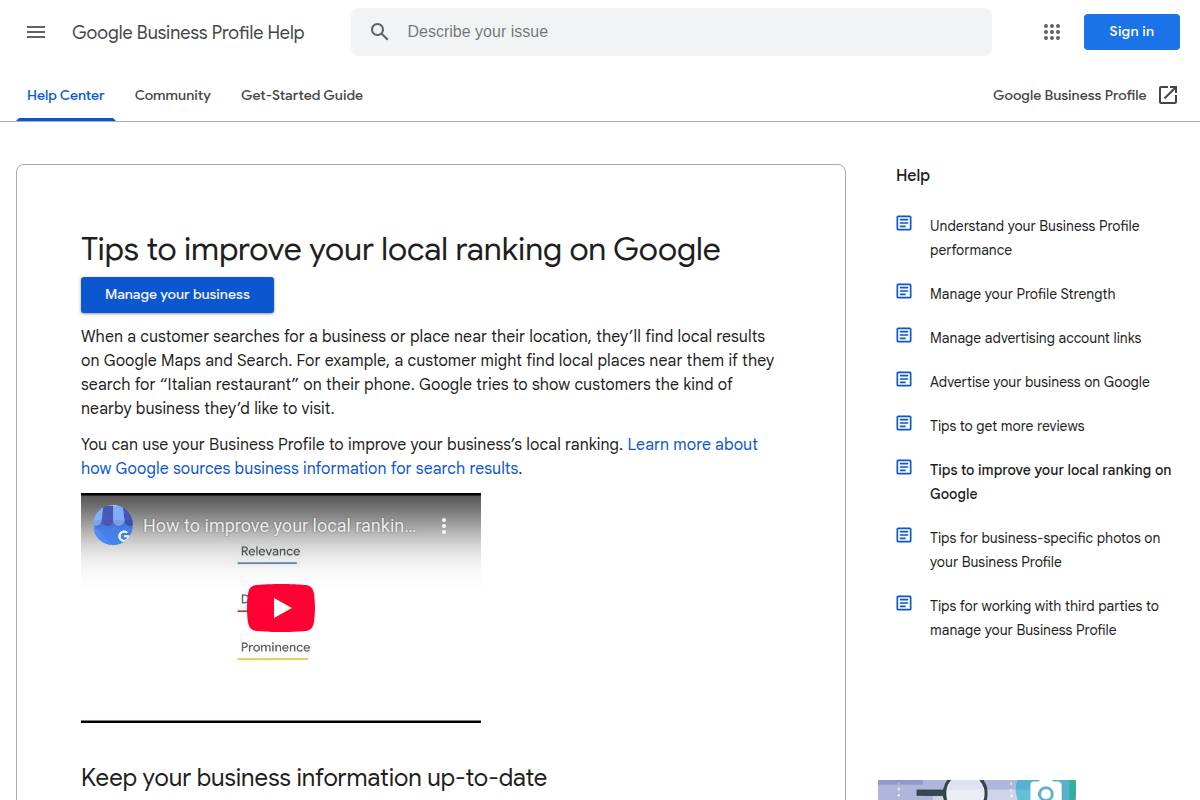
Tips to improve your local ranking on Google
How to Choose the Right SEO Trend to Focus On
Step-by-Step Decision-Making Guide Based on Audience, Niche, and Resources
Choosing which SEO trend to prioritize requires a structured approach that considers your unique audience, business sector, and available resources. Not every trend delivers equal value to every business, so it’s critical to align your efforts with your organizational goals.
Begin by researching which search engine updates or strategies are most relevant to your audience. For example, a SaaS company targeting enterprise clients may benefit from optimizing for Google’s B2B-focused rich results, while an e-commerce brand might emphasize Core Web Vitals or shopping integrations. Assess how much time and expertise your team can realistically invest before committing to resource-intensive trends.
Comparison Matrix: Resource Requirements, Difficulty, and Impact
To compare trends more objectively, use a simple table to map resource needs, technical complexity, and potential ROI. For instance, implementing AI content optimization (using SurferSEO or Clearscope) often brings higher upfront costs and moderate technical barriers, but offers measurable ranking improvements.
| Trend | Resource Needs | Difficulty | Potential Impact |
|---|---|---|---|
| Core Web Vitals | High (dev resources) | Technical | Large traffic boost (Google, 2021) |
| AI Content Optimization | Medium (tool costs) | Moderate | Improved SERP rankings |
| Video SEO | Medium (production) | Creative | Higher engagement rates |
Aligning Trends with Broader Digital Marketing Goals
Your chosen SEO trend should complement your organization’s broader digital marketing strategy. For instance, if brand awareness is the primary KPI, focusing on video SEO and YouTube optimization—like HubSpot’s use of branded video content for reach—can amplify results across channels.
If data indicates your audience prefers consuming in-depth written guides, trends like advanced topic clustering (demonstrated by Backlinko) may better support organic growth. Cross-reference SEO trends with marketing objectives such as lead generation or user retention.
Prioritization Advice for Quick Wins and Long-Term Strategies
Balancing immediate wins with sustainable growth is essential. Quick wins, such as updating on-page content with schema markup, can deliver noticeable traffic increases with minimal investment. For example, Moz reported a 30% rise in click-through rates after implementing FAQ schema on resource pages.
For lasting impact, dedicate resources to multi-phase initiatives—such as site speed improvements or content hub development—that have a compound effect over time. An e-commerce business like Wayfair invests in ongoing structured data enhancements alongside short-term product page optimizations, yielding both rapid results and durable gains.
Frequently Asked Questions
What is the most important SEO trend for businesses in 2024?
As SEO continually evolves, a leading trend this year is the integration of AI-driven content and advanced search intent modeling. Google’s increasing use of AI, like its Search Generative Experience (SGE), has forced content creators to focus on quality, topical authority, and fulfilling searcher intent more than ever before.
For example, companies including HubSpot have adopted topic clusters, where a core pillar page links to multiple related subtopics, which has significantly improved their visibility and rankings. According to a 2024 Ahrefs study, sites using topical clusters saw up to a 35% boost in organic sessions within six months.
How can I measure the impact of adopting a new SEO trend?
To determine whether a new SEO tactic delivers results, analytics tools are essential. Google Search Console, Google Analytics, and third-party platforms like SEMrush can track changes in keyword rankings, organic traffic, and user engagement over time.
An example is Moz tracking schema implementation for one of its own blog categories. Within 90 days, their click-through rates increased by 12% after adding structured data, directly attributable to enhanced SERP visibility.
Do Google algorithm updates affect all industries the same way?
Not all industries experience the effects of Google updates equally. Sectors like health, finance, and retail are often impacted the most due to strict standards around content quality and trustworthiness. For instance, the March 2024 “helpful content” update caused major visibility drops for several ecommerce brands while leaving some B2B sites nearly unchanged.
SEMrush’s Sensor tool regularly shows volatility spikes by industry, demonstrating how algorithm impacts are rarely uniform across niches.
Is AI-generated content safe for SEO and Google rankings?
The safety of using AI-generated content depends on quality control and human oversight. Google’s guidelines stress the importance of value and originality, rather than the tool used to create content. Sites like Bankrate and CNET have experimented with publishing AI-assisted articles, but faced scrutiny and ranking drops when content failed to meet quality standards.
Maintaining editorial review and avoiding duplicate, thin, or misleading content is paramount to avoid visibility penalties.
What are quick steps to optimize for Core Web Vitals?
Improving Core Web Vitals can quickly enhance user experience and search rankings. Prioritize optimizing Largest Contentful Paint (LCP), First Input Delay (FID), and Cumulative Layout Shift (CLS) by minimizing image sizes, leveraging browser caching, and streamlining code execution. Walmart’s site speed overhaul, which achieved a 20% faster LCP, resulted in a 2% increase in conversions within three months according to their 2023 performance report.
Using tools like Google PageSpeed Insights or WebPageTest.org provides actionable diagnostics and helps set priorities for swift technical improvements.