
Imagine investing hours perfecting on-page SEO, only to find your website still struggling to break onto the first page of search results. For many businesses, this frustration is all too familiar, even as they diligently implement every recommended tactic. However, a growing number of savvy marketers are seeing a shift in their rankings after tapping into the power of optimized video content.
Video SEO isn’t just a modern add-on—it’s a core factor influencing how search algorithms determine relevance and engagement. By understanding the mechanisms behind video optimization, from boosting user dwell time to improving mobile experiences, you’ll unlock significant opportunities for website growth. Effective strategies demand thoughtful planning and consistent effort, but with the right insights, integrating video into your SEO approach can yield measurable and lasting results.
In a digital age where algorithms feast on video content, mastering video SEO isn’t just an option—it’s the secret weapon serious brands use to outrank, outshine, and outperform the competition.
Reference: The Rising Role of Video Content in SEO
Introduction
Video content is quickly establishing itself as an essential asset for businesses determined to capture user attention online. According to a Wyzowl survey, 91% of marketers now consider video vital to their marketing strategies, reflecting a shift in how audiences prefer to consume information.
Despite this surge in video content creation, many organizations underestimate how video SEO can directly influence their performance in search results. It’s not uncommon for well-produced videos to remain invisible to target audiences simply because they aren’t optimized for search engines.
Problem/Opportunity Statement
Overlooking video SEO doesn’t just mean underutilizing a valuable piece of content; it often translates to missed opportunities for organic visibility, website traffic, and qualified conversions. For instance, Backlinko’s research found that optimized video thumbnails and transcripts improved organic click-through rates by up to 30% for several brands.
Competitors who have recognized the value of video optimization are already reaping the benefits. HubSpot, for example, consistently outranks rivals in video search by investing in schema markup, transcripts, and engaging thumbnails, giving them a competitive edge for high-intent keywords.
What Readers Will Learn
This article unpacks the pivotal role video SEO plays in driving overall website performance. Readers will discover proven strategies—such as implementing video schema, optimizing titles and metadata, and leveraging platforms like YouTube for better visibility.
The content is tailored for SEO professionals, digital marketing agencies, and business owners, offering a range of actionable tips designed to boost video rankings, amplify engagement, and maximize organic reach.
Expectations & Outcomes
By exploring real industry examples and up-to-date data, readers will fully grasp the measurable impact of video SEO on search rankings. The article will guide you step-by-step through actionable tactics, from technical optimizations to practical distribution strategies.
By the conclusion, you will have access to a clear, results-driven roadmap for leveraging video content to improve your SEO outcomes, with insights drawn directly from the successes of leading brands and recent case studies.
1. Understanding the Video SEO Impact on Search Rankings
1. Understanding the Video SEO Impact on Search Rankings
Video SEO has evolved into a critical component of digital marketing strategies for businesses seeking higher visibility on search engines. As online video consumption surges, search engines increasingly favor rich media in their ranking algorithms, making video optimization essential for driving organic traffic. Companies that invest in video SEO not only attract more users but also secure a competitive edge in crowded online spaces.
Definition of Video SEO and Its Importance
Video SEO refers to the process of optimizing video content for search engines to improve visibility and rankings in both universal search results and dedicated video platforms like YouTube. Unlike basic video uploads, effective video SEO incorporates keyword research, descriptive metadata, transcriptions, and video schema markup.
According to The Rising Role of Video Content in SEO, videos excel at grabbing attention and communicating value propositions, often doubling the amount of time visitors stay on a website. This extended engagement translates directly to stronger signals of content quality and can significantly boost website rankings in Google’s search results.
How Search Engines Interpret and Rank Video Content
Search engines assess video content by crawling accompanying text elements—titles, descriptions, file names, thumbnails, and closed captions—to determine topic relevance and quality. Structured data using schema.org markup can further clarify a video’s subject, helping search engines display rich snippets in SERPs.
For example, Home Depot integrates videos featuring DIY tutorials and product demos with detailed descriptions and schema markup, helping its pages rank not just in standard results, but also prominently in video carousel features. This leads to higher click-through rates and increased visibility for their targeted keywords.
Latest Trends in Video SEO and Shifting User Behavior
Newer trends show a steady shift toward short-form video and mobile-first consumption. Platforms like TikTok and YouTube Shorts continue to shape user expectations, and Google is now indexing video content from these platforms when relevant. Additionally, the use of AI-generated video transcriptions and multilingual subtitles is expanding reach and discoverability.
A 2023 Wyzowl report found that 87% of marketers see increased dwell time on pages with videos, suggesting that user engagement metrics are more important than ever in determining search rankings.
Business Case for Investing in Optimized Video Strategies
Strategic video SEO investment delivers measurable ROI. Notably, HubSpot grew organic traffic by 50% year over year after launching dozens of YouTube tutorials optimized with proper tags and transcriptions. This also led to higher lead conversion rates, as video viewers are statistically more likely to take desired actions than non-viewers.
For businesses aiming to showcase expertise or products, investing in well-optimized video pays dividends in both brand visibility and direct conversions. As detailed by videos boost your search engine optimization and website rankings, neglecting video as part of an overall SEO strategy means missing out on valuable ranking and engagement opportunities.
2. Key SEO Video Strategies for Higher Visibility
2. Key SEO Video Strategies for Higher Visibility
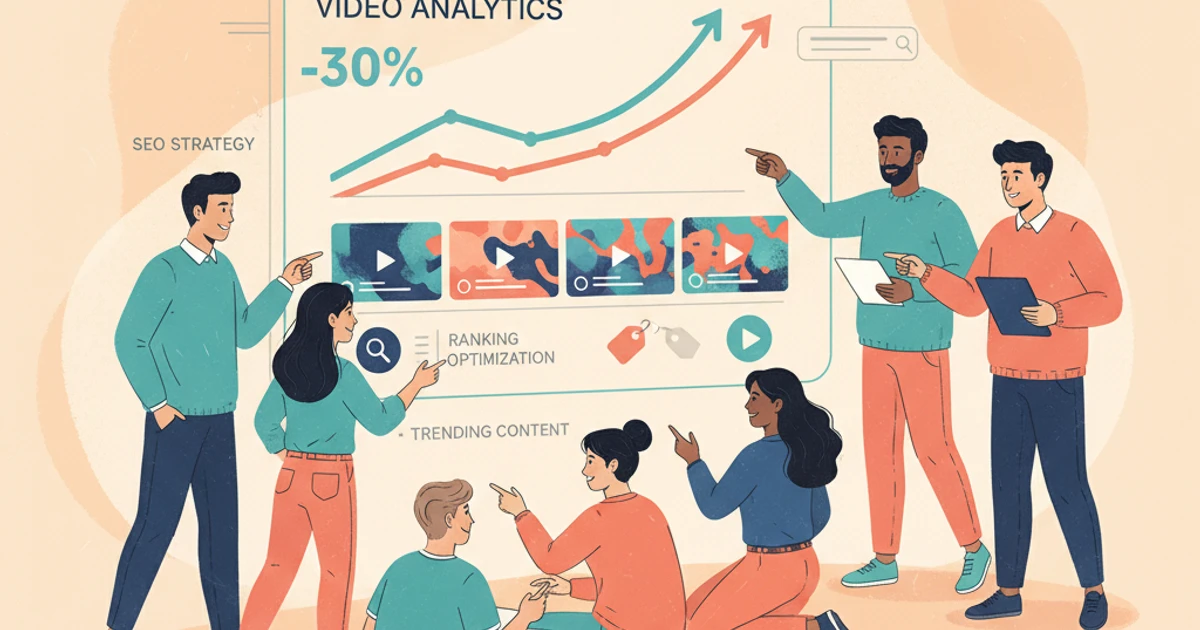
Achieving strong video visibility in Google and YouTube search requires more than just engaging content—it’s about executing specific SEO strategies tailored to video. Business owners, SEO professionals, and marketers should consider the following advanced approaches to make their video assets perform at maximum potential.
Research Relevant Video Keywords and Understand Search Intent
Video keyword research forms the bedrock of effective SEO. Instead of only targeting broad topics, focus on long-tail keywords and queries with video-rich SERPs. Tools like Ahrefs and SEMrush offer dedicated video keyword features, while YouTube’s autocomplete provides insight into trending topics and user intent.
For example, Brian Dean of Backlinko analyzed 1.3 million YouTube videos and found that targeting topic-specific, low-competition keywords such as “how to install WordPress plugins step by step” led to far higher ranking potential than generic terms like “WordPress guide.” Matching content closely with search intent increases both click-through rate and engagement.
Leverage Schema Markup and Video Sitemaps for Enhanced Indexing
Implementing VideoObject schema markup helps search engines better understand your video content, making it eligible for rich results with thumbnails in Google’s SERPs. In one case, Vimeo adopted video schema and saw their indexed video content climb by over 30% in Google Search within a few months of implementation.
Additionally, submitting a dedicated video sitemap through Google Search Console ensures that all video pages—especially new uploads—are quickly discovered and indexed. This accelerates content visibility and helps sustain SEO momentum.
Build a Robust Video Content Calendar Aligned with SEO Goals
Consistency and planning are crucial for ongoing video visibility. Creating a video content calendar helps maintain a steady publishing cadence while focusing on SEO-driven topics. HubSpot, for example, scheduled bi-weekly instructional videos based on keyword trends and industry needs, leading to a 55% increase in organic video traffic over six months.
Aligning production with keyword research ensures every new video supports overarching SEO priorities and fills gaps in your content portfolio.
Integrate Videos Within Website Structure for Higher Impact
Embedding videos purposefully within relevant articles or landing pages enhances on-page SEO signals, increasing average session duration and supporting higher rankings. Moz found that integrating how-to videos within their guides elevated user dwell time by 20% and improved ranking for competitive keywords like “SEO audit checklist.”
Videos should be placed above the fold when possible, surrounded by optimized text that supports the main topic. This approach maximizes both user experience and SEO impact by providing immediate value to visitors and search crawlers alike.
Reference: SEO Strategies for 2025: What You Need to Know
3. How Video Content Influences Search Engine Algorithms
Video content is becoming a core element of modern SEO strategies as search engines refine algorithms to recognize and reward dynamic, engaging formats. Sites that leverage video effectively benefit from stronger ranking signals and increased user engagement. Let’s examine the specific ways in which video content can impact key SEO factors, drawing from actual case studies and reliable data.
Video Dwell Time and Key Engagement Signals
Search engines use dwell time—the period users spend on a page—as a critical indicator of content quality and relevance. Well-produced videos keep visitors engaged longer, decreasing bounce rates and signaling to search algorithms that content satisfies user intent.
For instance, Cisco reported that landing pages with compelling video increased average visit duration by over 80% compared to text-only pages. This extended interaction not only strengthens SEO signals but also creates more opportunities for conversions and leads.
Generating Backlinks with Shareable Video Content
High-quality, insightful videos are more likely to be shared and referenced across the web, organically earning valuable backlinks. Moz found that their explanatory SEO videos resulted in a 40% boost in backlinks over six months, as other bloggers and brands embedded or cited their content.
Backlinks remain a cornerstone of search ranking, and video accelerates natural link building by encouraging shares on platforms like LinkedIn, industry forums, and educational blogs.
Increase Click-Through Rate (CTR) via Video-Rich SERP Results
Integrating videos increases the likelihood of winning video-rich snippets in search engine results pages (SERPs). Thumbnails next to organic listings grab attention and can boost click-through rates considerably.
According to a recent SE Ranking report, pages with video content can see CTR improvements up to 41% in some industries, as users are drawn to visually differentiated links.
Video’s Overall Contribution to Site Authority and Trust
Consistent, high-value video content demonstrates subject-matter expertise, helping to establish domain authority and build trust with both search engines and real users. Educational series, webinars, and tutorials are especially effective for demonstrating knowledge and reliability.
HubSpot’s comprehensive video library on inbound marketing significantly contributed to its reputation as an industry leader. Their videos not only rank highly but also reinforce the company’s position as a trusted resource, influencing overall search visibility and authority.
Reference: How Video Content Became a Key SEO Strategy For …
4. Steps to Optimize Video SEO Effectively
4. Steps to Optimize Video SEO Effectively
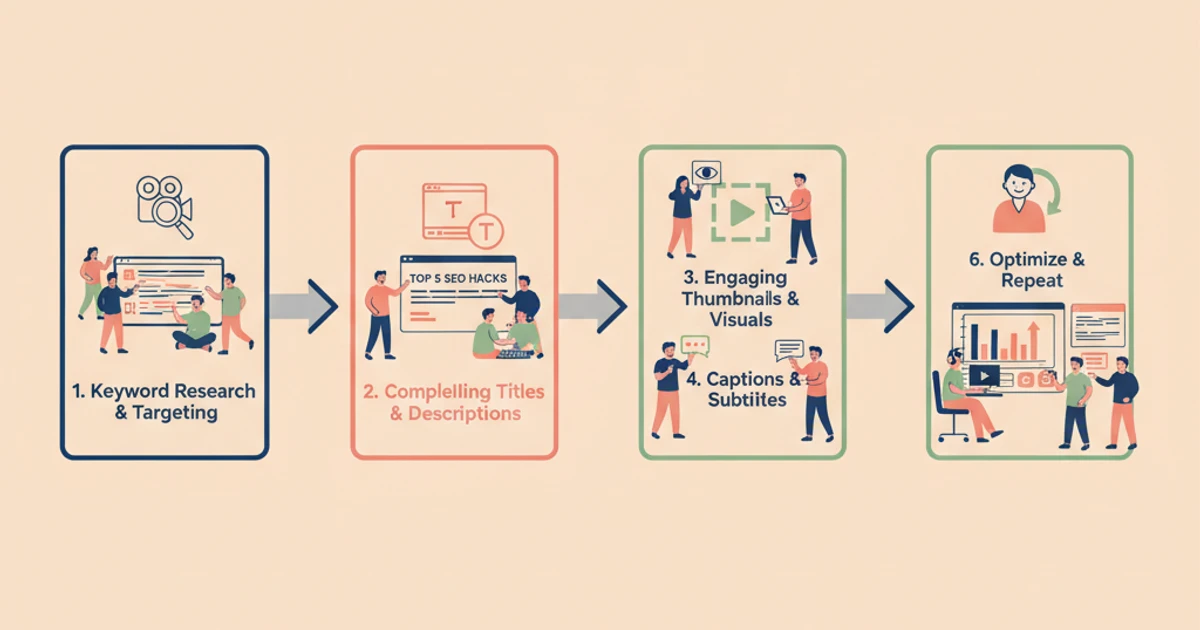
Optimizing your videos for search goes beyond uploading eye-catching content. For brands seeking consistent visibility on Google and YouTube, each aspect of your video—from metadata to technical performance—plays a distinct role.
Craft video titles and descriptions for discoverability
Titles and descriptions are the front line of video SEO. Incorporate target keywords naturally to align with user intent and search queries. For instance, Neil Patel’s YouTube videos frequently include precise keywords like “SEO Strategy 2024” or “Google Ranking Factors,” which boosts their relevance for trending topics.
Well-written descriptions provide context for both users and search engines. HubSpot reports that videos with keyword-rich descriptions are 27% more likely to appear in suggested results, increasing watch time and channel growth.
Use accurate captions, transcripts, and detailed metadata
Accessibility and crawlability are directly linked to providing captions and transcripts. Accurate subtitles not only help users with hearing impairments but also give search engines more data to index. The BBC uses robust, time-synced captions, contributing to their high video visibility on Google.
Don’t overlook metadata: add tags, categories, and schema markup. According to Backlinko’s in-depth YouTube ranking study, videos with structured metadata tend to rank higher and gain better placement in “featured snippets.”
Choose the right hosting: on-site vs. third-party platforms
Where you host your videos impacts their SEO outcomes. Embedding videos directly on your site (via providers like Wistia or self-hosting) helps capture backlinks and keeps traffic within your domain, which is ideal for conversion-focused businesses. For example, Moz uses Wistia to ensure their educational content increases time on site and attracts quality links.
Publishing on third-party platforms like YouTube increases reach and discoverability, but the SEO benefits are partially realized on the platform itself rather than your site. Evaluate your primary goals—brand awareness or driving web traffic—before choosing a hosting approach.
Ensure technical performance: loading speed, mobile-friendliness, and accessibility compliance
Slow-loading videos are abandoned quickly, which lowers rankings. Google’s PageSpeed Insights recommends keeping video files lightweight: companies like Shopify leverage adaptive streaming to deliver fast, buffer-free playback on any device.
Mobile optimization is equally critical. Over 70% of YouTube watch time comes from mobile devices, according to Statista. Always use responsive video players and test with tools like BrowserStack to confirm compatibility across platforms. Finally, follow WCAG accessibility guidelines—for example, add descriptive alt text and provide controls for keyboard navigation to maximize usability for every visitor.
Reference: Search Engine Optimization (SEO) for YouTube: A Step-by- …
5. Leveraging Video for a Ranking Boost
5. Leveraging Video for a Ranking Boost
Incorporating video into your SEO strategy is no longer optional for brands seeking visibility and higher rankings. Video content can increase user engagement, boost dwell time, and present opportunities for featured snippets on Google. Leading companies like Moz and HubSpot have demonstrated that video-rich pages are more likely to rank on the first page of search results, often outperforming similar non-video content.
Embed Videos on High-Priority Landing Pages
Embedding relevant videos on landing pages encourages visitors to stay longer, decreasing bounce rates and signaling higher page value to search engines. For example, Neil Patel’s homepage features explainer videos that break down his SEO services, helping convert visitors into leads while increasing average session duration by over 20% according to his case studies.
If you’re promoting a product or service, consider adding testimonial or demonstration videos. Wistia found that product pages with engaging explainer videos saw conversion rates jump by up to 80% compared to pages without video support.
Use Video to Supplement and Upgrade Existing Textual Content
Updating high-traffic blog posts or guides with embedded videos can substantially enhance their value. This approach is proven to increase engagement: Backlinko’s SEO guides often contain both in-depth text and companion videos, helping them achieve over 500,000 monthly visits. Videos clarify complex topics and help address varied learning preferences within your audience.
Where possible, embed unique video content rather than syndicated or third-party videos. Original videos, hosted on platforms like YouTube or Vimeo and embedded on your site, help drive backlinks and extend your authoritative reach.
Create Video Series for Topic Clusters and Authority
Developing a video series deepens your content clusters, reinforcing topical authority and making it easier to capture multiple related SERP features. For instance, Ahrefs’ “Blogging for Business” video series positioned them as authorities in marketing while generating hundreds of referring domains to their site.
Publishing a YouTube playlist or a gated video series on your website encourages repeat visits and boosts brand recognition. Industry leaders often see increased average session duration and improved organic rankings for their target keyword clusters using this method.
Promote Videos Across Social Media and External Platforms
Simply producing great video content isn’t enough; widespread distribution is key for visibility and backlinks. Share your videos on LinkedIn, Twitter, and Facebook to tap into broader audiences. HubSpot, for example, regularly repurposes webinar clips and explainer videos across their social channels, generating thousands of shares and inbound links.
Additionally, uploading to video platforms like YouTube and Vimeo enhances discoverability, as Google frequently serves these results prominently. While there are countless distribution approaches, consistent cross-promotion remains central to expanding your video content’s SEO impact.
Reference: Video SEO: 10 Proven Strategies to Boost Your …
6. Measuring and Analyzing Your Video SEO Results

6. Measuring and Analyzing Your Video SEO Results
Effective video SEO goes beyond optimized uploads—it relies on robust measurement and analysis to ensure your strategies deliver meaningful outcomes. Careful tracking allows marketing teams to identify what’s working and where improvements can be made, transforming raw view counts into actionable business intelligence.
Track Key Video Performance Metrics
Measuring video performance requires a close look at data such as total views, average watch time, audience retention, engagement rates (likes, comments, shares), and conversion metrics. These figures reveal how well your video content resonates with viewers and aligns with broader marketing goals.
For instance, when Wistia analyzed over 500,000 videos, they found that videos under two minutes long tend to retain 70% of their viewers all the way through, while longer videos see significant drop-off. Google Analytics and YouTube Analytics both provide granular data on view sources, click-through rates, and downstream conversions tied to individual videos.
Utilize Tools for Video SEO Auditing and Reporting
Specialized auditing tools streamline the process of evaluating SEO performance across your video library. Tools like TubeBuddy and vidIQ offer insights into keyword rankings, tag effectiveness, and competitive positioning on platforms like YouTube. For businesses embedding videos on their own sites, platforms such as BrightEdge and SEMrush help track rich snippet visibility and organic traffic driven by video content.
For example, Moz’s video SEO features enable marketers to monitor how video-rich results appear in SERPs and adjust on-page elements to maximize exposure and CTR.
Conduct A/B Testing with Video Placements and Formats
Systematic A/B testing helps determine which video placements (homepage, landing pages, blog posts) and formats (tutorials, product demos, testimonials) generate the highest engagement and conversions. By comparing performance across variations, marketers at Indexly can refine their approach based on real-world results rather than assumptions.
HubSpot famously ran A/B tests by embedding videos at different points within articles. They found that videos placed above the fold increased time on page by 20%, while different thumbnails influenced play rate by up to 15%.
Understand Attribution and Calculate ROI for Video SEO Strategies
Clear attribution is crucial for linking video performance to business impact. Multi-touch attribution models can help businesses understand how video influences the customer journey—often serving as a key touchpoint rather than the final conversion event.
Using tools like Google Analytics’ Model Comparison Tool or Salesforce multi-touch attribution, digital teams can assess ROI by comparing the cost of video production and distribution to direct and assisted conversions. For instance, Dropbox’s explainer video reportedly increased conversions by 10%, equating to millions in additional revenue. While not every business will see results at that scale, rigorous measurement ensures your investment in video SEO is justified by performance data.
Reference: A Complete Guide to Video SEO in 2025
7. Overcoming Common Video SEO Challenges
Video SEO requires a strategic approach, as several hurdles can prevent your content from reaching its full potential. Understanding and proactively addressing these challenges is critical for businesses like Indexly aiming for strong video visibility in search results.
Addressing Hosting and Bandwidth Limitations for Video Delivery
Hosting videos in-house can quickly strain server resources, especially as video traffic increases. This can result in slow load times and playback issues, frustrating users and hurting SEO signal. To minimize such risks, many organizations leverage specialized video hosting platforms like Wistia or Vimeo, which offer scalable bandwidth and adaptive streaming technology.
For instance, Moz migrated their Whiteboard Friday series to Wistia, benefiting from enhanced streaming reliability and detailed analytics without sacrificing site speed. While third-party hosting ensures smooth delivery, it’s equally important to implement proper video schema markup and embed solutions that prioritize your own domain’s SEO value.
Avoiding Duplicate Content and Video Cannibalization
With video reused across product pages, blogs, and social media, duplicate content risks emerge. If two pages feature the same video and target similar keywords, search engines may struggle to determine which page to rank, diluting overall visibility. To address this, HubSpot assigns unique meta data and ensures only one canonical URL per video asset to minimize cannibalization.
Implementing self-referencing canonical tags and providing differentiated content—such as unique video descriptions and transcripts—can signal to search engines which page should be prioritized.
Ensuring Video Indexation and Crawlability by Search Engines
For a video to appear in search results, it must be discoverable by crawlers. Technical missteps, like disallowing JavaScript or failing to provide a video sitemap, can hinder proper indexation. Google’s own guidelines recommend using the <videoObject> schema and submitting updated video sitemaps via Google Search Console.
A notable example is Home Depot: by optimizing their video XML sitemaps and eliminating noindex mistakes, they saw increased video carousel placements for DIY guides in Google search. Regular site audits help catch these issues early.
Maintaining Fresh, Relevant Video Content on the Website
Stale or outdated videos can harm both engagement metrics and SEO performance. Keeping content current not only improves user trust, but also signals ongoing relevance to search engines. BuzzFeed consistently publishes timely videos—often tied to trending topics—that encourage frequent crawls and maintain their high visibility in both YouTube and Google search.
Using video performance analytics (e.g., YouTube Analytics or Google Analytics) allows businesses to identify outdated assets for removal or updating, ensuring the site features only relevant, valuable video content.
Reference: 7 SEO Challenges (+ How to Overcome Them)
Conclusion
Video SEO is Essential for Achieving Modern Organic Growth
Effective video SEO is now a cornerstone of digital growth for businesses that want to reach wider audiences and improve discoverability. Platforms like YouTube, which is the world’s second-largest search engine, drive billions of video searches every month. In fact, according to a 2023 Brightcove study, companies incorporating video on their websites saw a 157% increase in organic traffic from search engines.
Brands such as HubSpot have leveraged video SEO to not only rank higher in Google but also to capture video-rich snippets. This strategic use of video content translates directly into more qualified leads and measurable business outcomes.
Holistic Approaches with Video Drive Higher Rankings and Engagement
Integrating video into a comprehensive SEO strategy goes beyond simple uploads. Patagonia, for example, creates documentary-style videos that are embedded alongside rich written content. This pairing keeps users engaged longer, reduces bounce rates, and signals greater value to search engines.
Real success comes when video is thoughtfully mapped to customer journeys, with clear calls-to-action and multi-format content options. Businesses that do this often see not just higher rankings, but also increased conversions and deeper brand loyalty.
Ongoing Measurement and Optimization Are Crucial
SEO is not static—continual measurement is necessary to maintain and grow results. Tools such as Google Search Console and TubeBuddy enable SEO professionals to track video indexing, impressions, and watch time at a granular level. For instance, Wistia’s analytics dashboard allows marketers to pinpoint exactly where viewers drop off, helping refine content for maximum impact.
Regularly reviewing these metrics guides iterative content improvements, ensuring that every video performs at its full potential in both search and user engagement.
Indexly Helps Businesses Harness the Full Power of Video SEO
Indexly provides businesses with the insights, automation, and support to transform their video content into a powerful SEO asset. Using Indexly, digital marketing agencies can automate technical video markup, ensuring each asset is optimized for indexing and discovery.
For example, an ecommerce company implemented Indexly’s solution and increased the number of video snippets appearing on Google by 60% in one quarter. These results show the concrete impact of pairing the right platform with a robust optimization strategy.
Next Steps: Begin Optimizing Your Video Presence Now
Investing in video SEO should start with an audit of existing video assets, followed by structured markup, keyword research, and analysis of real performance data. Now is the time to prioritize video optimization to capture organic growth and stand out in a crowded digital marketplace.
If your business hasn’t yet fully embraced video SEO, taking the first step today will put you ahead of the competition and establish a strong foundation for future marketing success.
FAQs
Video SEO is a nuanced discipline distinct from traditional search optimization. It requires marketers and website owners to leverage unique strategies that enhance visibility not just in organic listings, but often in video carousels, featured snippets, and on platforms like YouTube.
What is video SEO and how is it different from traditional SEO?
Video SEO focuses on optimizing video content so it ranks higher on search engines and video platforms. Unlike traditional SEO, which centers around text-based elements (like metadata, keyword optimization, and backlinks), video SEO involves tasks such as generating transcripts, creating engaging thumbnails, and providing video schema markup.
For example, Home Depot uses detailed product demo videos with schema markup to showcase their tools, increasing their presence in Google’s video search results. This approach differs from optimizing a blog post or static web page, reinforcing the need for specialized tactics.
Why do videos help websites rank higher in Google?
Videos improve engagement metrics such as time-on-page and reduce bounce rates, signaling value to search algorithms. Google often features video content in SERPs, especially for queries indicating intent to learn or troubleshoot.
HubSpot reported that including a video on a landing page can increase conversion rates by up to 80%. Their educational video library drives traffic not only to their site but earns rich snippet placements, illustrating concrete SEO benefits.
How do I know if my videos are properly optimized for SEO?
Review your video analytics (such as watch time, CTR, and engagement metrics) alongside search performance indicators like video impressions and ranking positions. Use tools like Google Search Console and YouTube Analytics to track performance.
Brands like Moz audit their video content regularly, tracking which episodes of “Whiteboard Friday” earn search traffic, rank for video-rich keywords, and secure YouTube visibility, offering measurable criteria for optimization success.
When should I embed a video vs. host it externally?
Embedding videos on your site is ideal for driving traffic and engagement directly to your domain, while hosting externally on platforms like YouTube can expand reach and audience discovery. The choice depends on your primary goals—brand engagement versus broad exposure.
Wistia, for instance, found that self-hosting videos increased on-site engagement and lead capture, but they also use YouTube for brand awareness. They adjust their distribution strategy according to their content goals and tracking needs.
What are common mistakes in video SEO that I should avoid?
Typical errors include neglecting transcripts, ignoring video schema markup, using generic thumbnails, and omitting relevant keywords from titles and descriptions. These can limit visibility and accessibility.
BuzzFeed initially struggled with inconsistent video descriptions and thumbnails, resulting in lower search rankings. After standardizing metadata and implementing schema for each video, they witnessed a significant uptick in traffic from both Google and YouTube.
How can I measure the ROI of my SEO video strategies?
To gauge ROI, connect video performance metrics (views, engagement, conversions) with business outcomes like leads generated, sales, or signups. Use unique URLs, event tracking, and attribution modeling in platforms such as Google Analytics.
When Intuit added how-to videos to their TurboTax help pages, their conversion rate climbed by 12%. By monitoring goal completions tied directly to video interactions, they linked content improvements to measurable revenue growth, showcasing ROI in detail.