
Ranking on the first page of Google often feels like a race where only the well-prepared cross the finish line. For countless marketers and content creators, the biggest hurdle isn’t creating quality content—it’s figuring out exactly which words and phrases their audience is searching for. This quest for the right keywords can feel both critical and overwhelming, especially when every competitor is vying for a spot at the top.
Learning the art and science of keyword research unlocks a direct path to greater visibility, more organic traffic, and content that consistently attracts the right readers. Yet, building an effective keyword strategy requires more than guesswork or a list of random search terms. This article demystifies the basics and breaks down each step, from understanding what keyword research really is to discovering how platforms like Keywordly.ai use artificial intelligence to streamline and supercharge the entire process. While strategizing for long-term results does demand careful analysis and a bit of patience, the right tools and approach can make research faster, more efficient, and far more rewarding.
Keyword research isn’t just about finding words—it’s the art of decoding what your audience is truly searching for, and with Keywordly’s AI-powered platform, you turn that insight into unstoppable organic growth.
Reference: A step-by-step guide to keyword research
1. Understanding the Basics: What Is Keyword Research and Why It Matters
What is keyword research? (Definition & significance)
Effective digital marketing begins with understanding what your target audience is actively searching for online. Keyword research refers to the process of identifying and analyzing the specific words and phrases users type into search engines when seeking information, products, or services relevant to your niche.
This process serves as the critical cornerstone of SEO and content marketing strategies. Without proper keyword research, even the most well-written content may fail to connect with a relevant audience. For instance, an e-commerce site like REI increases organic traffic by focusing on buyer-intent keywords for their product pages, ensuring their content matches what potential customers actually seek.
The role of keyword analysis in SEO success
Keyword analysis doesn’t stop at discovery—it involves evaluating which search terms offer the greatest potential for ranking and attracting valuable traffic. By analyzing metrics like search volume, keyword difficulty, and intent, marketers can prioritize terms most likely to deliver results.
Platforms such as Keywordly.ai simplify this process. By quickly analyzing keyword opportunities at scale and clustering related terms, these tools enable businesses to build content that addresses actual user needs. This strategic approach has helped companies like HubSpot grow their organic traffic by more than 50% over a year, simply by targeting intent-based keywords uncovered through thorough research.
How keyword research impacts content visibility and organic growth
Ranking high for relevant search terms dramatically boosts the visibility of your website. When you create content based on well-researched keywords, you improve the chances of being found by people looking for exactly what you offer.
For example, Glassdoor saw a 27% increase in organic visits after refining its job content around the highest-value keywords in its industry. Keywordly.ai streamlines this journey from research to optimization, increasing the likelihood of capturing more qualified search traffic and fostering sustainable, long-term growth.
Key benefits for businesses, agencies, and content creators
Effective keyword research brings significant advantages beyond just better rankings. For businesses, targeting the right keywords translates into a higher ROI from content marketing efforts. Agencies can leverage these insights to build comprehensive strategies that deliver measurable results for clients.
Guides content planning and ideation: By identifying trending or underserved topics, tools like Keywordly.ai help marketers prioritize which content to create, saving resources and time.
Supports business growth and brand authority: Increased visibility on search engines strengthens your brand’s credibility, as seen with businesses like Backlinko, which became an authoritative SEO resource by systematically targeting niche keywords in their content.
Integrated AI-driven solutions ensure that every stakeholder—from individual creators to large agencies—can compete for visibility and growth without the manual guesswork of the past.
2. Foundations of Effective Keyword Research: Key Concepts and Types
Fundamental knowledge of keyword research forms the basis for effective SEO strategy. It’s not just about finding high-traffic words—understanding keyword types, user intent, and critical metrics is essential for matching business objectives with what real people search online. According to Conductor’s complete guide on keyword research, successful research identifies user needs, helping websites connect with the right audience.
Types of keywords: short-tail, long-tail, and branded vs. non-branded
Keyword types serve unique roles in digital marketing campaigns. Short-tail keywords, such as “laptops” or “running shoes,” are broad and highly competitive. While they attract significant search volume, it’s often challenging to rank well for these terms, especially as a newer brand.
Long-tail keywords are more specific, like “best lightweight running shoes for flat feet.” These phrases have lower search volume but tend to convert better, as they reflect more defined user needs. Zappos, for instance, capitalizes on these by targeting product-driven long-tail searches. Branded keywords involve company or product names—for example, people searching for “Keywordly platform demo”. In contrast, non-branded keywords like “AI SEO research tool” reach potential users not yet familiar with your brand. Capturing both types ensures a balanced presence; branded search brings returning users, while non-branded terms introduce you to new markets.
Search intent: informational, navigational, transactional, and commercial investigation
Search intent reveals the reason behind a query. Informational keywords (“how does AI SEO work”) are about learning, while navigational keywords (“Keywordly login”) help users reach a specific website. Transactional intent, such as “buy SEO audit tool online,” shows the user wants to purchase.
Commercial investigation falls between research and action; queries like “best all-in-one SEO content platforms” indicate a user is considering options before buying. Matching content to these intents is critical—HubSpot, for example, separates product pages and educational resources to engage prospects at each decision stage. Keywordly.ai’s advanced AI analyzes intent and helps users organize keywords accordingly, ensuring higher relevance and engagement throughout the customer journey.
Common keyword metrics: search volume, keyword difficulty, CPC, and trends
Metrics provide a data-driven lens for evaluating keyword potential. Monthly search volume shows overall query demand, while keyword difficulty predicts how tough it may be to rank for a term. For example, “SEO” is highly competitive (difficulty >80), as reported by tools like Ahrefs or SEMrush.
Cost-per-click (CPC) indicates competition in paid channels—a high CPC, as seen with “enterprise SEO software” (often over $20), signals lucrative commercial value. Trend analysis can uncover rising opportunities; “AI content optimization” has seen a significant uptick according to Google Trends since late 2022. Keywordly.ai streamlines access to these metrics, displaying them within its dashboard so marketers can quickly identify the best options for their projects.
How understanding these fundamentals guides successful research
These foundational elements—keyword type, intent, and core metrics—direct smarter keyword targeting. By weighing opportunities against difficulty, marketers maximize organic visibility while aligning content to real audience needs.
When teams use structured research, such as the tools in Keywordly.ai, they can efficiently filter, cluster, and match keywords to business goals and user search behaviors. This reduces wasted resources on irrelevant terms and ensures content efforts consistently support growth, authority, and lead generation initiatives.
3. Step 1: Defining Your Goals and Audience for Keyword Research Success

3. Step 1: Defining Your Goals and Audience for Keyword Research Success
Identifying Business Objectives and Aligning SEO Strategies
Effective keyword research begins with a clear understanding of your business objectives. This foundation ensures your SEO efforts genuinely support your broader goals, such as increasing e-commerce revenue, generating B2B leads, or expanding brand awareness. For example, Glossier, the cosmetics company, aligns its SEO with the goal of building a direct relationship with its customers, prioritizing keywords that reflect both brand and product searches.
Set measurable SEO goals by establishing KPIs like organic traffic growth, target keyword rankings, or conversion rates. For instance, setting a goal to capture a 10% increase in organic search traffic within six months forces your keyword research to focus on queries with high potential volume and intent. Without this clarity, it’s easy to chase irrelevant keywords that yield little impact.
Understanding Your Target Audience’s Needs, Behaviors, and Pain Points
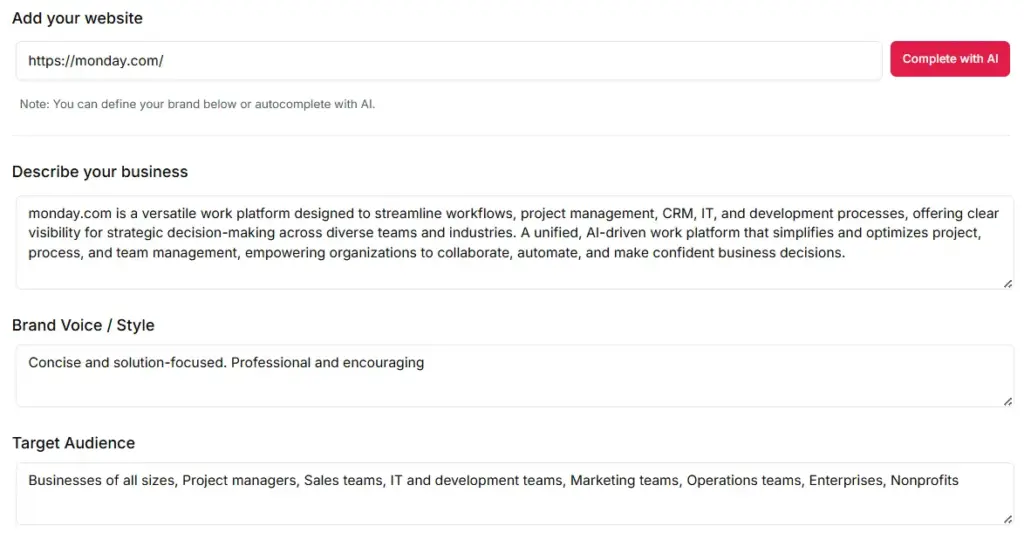
Knowing your audience—who they are, what they care about, and their challenges—drives relevant keyword selection. Researching common attributes like age, location, industry, and job titles uncovers essential search trends. For example, Adobe targets creative professionals by understanding their frequent software-related queries and pain points around workflow efficiency.
Developing detailed personas can help refine your keyword list. Map out typical questions or frustrations your ideal audience faces. If you’re an SEO agency like Moz, identify that small business owners may search for “affordable SEO software” or “how to improve Google ranking” during their research process.
Mapping Your Customer Journey for Keyword Opportunities
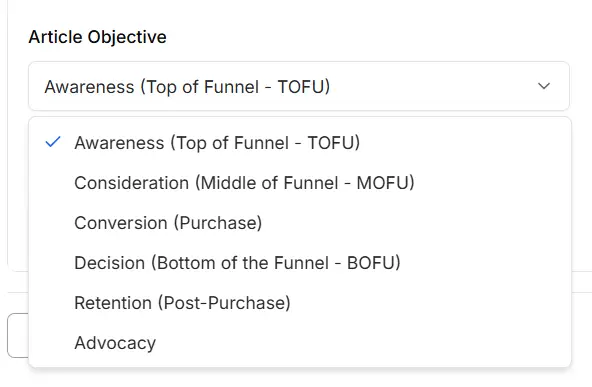
Addressing the full customer journey—awareness, consideration, decision—enables you to pinpoint content and keyword opportunities at each stage. This mapping ensures your content serves users whether they’re browsing for options or ready to buy. Awareness-stage keywords like “what is digital marketing” differ vastly from decision-stage queries like “HubSpot pricing.”
Successful brands like HubSpot use journey mapping to match content with intent—serving introductory blog posts for newcomers and comparison guides for prospects weighing purchase decisions. This strategic approach ensures no stage is missed in keyword targeting.
How Keywordly.ai Assists in Audience-Focused Keyword Discovery
Keywordly.ai leverages AI to analyze user behavior and uncover keywords driven by real audience interests. By processing search trends, platform usage data, and engagement signals, it recommends keyword clusters tailored to your audience’s needs.
The platform’s streamlined workflow prioritizes high-impact keywords for every customer journey phase, allowing marketers to skip guesswork and rapidly deploy precise, data-driven SEO campaigns. For content creators and agencies alike, this automation means more time invested in strategy and less on tedious manual research, providing a competitive SEO advantage.
Reference: Advanced Tips and Strategies for Keyword Research
4. Step 2: Building a Seed List—How to Begin Keyword Discovery
Brainstorming Relevant Topics and Seed Keywords
Effective keyword discovery always starts with a strong seed list, rooted in a thorough understanding of your business, products, or services. Taking time to brainstorm ensures you surface topics authentically aligned with your brand and audience, laying the groundwork for actionable research.
Begin by listing the main topics that describe what your organization offers. For example, a SaaS platform like HubSpot—a leader in inbound marketing software—might start with topics such as “email marketing,” “CRM software,” and “lead nurturing.” Invite colleagues from customer service or sales to a brainstorming session; their frontline insights can reveal everyday language and pain points that ideal keywords often reflect.
Leveraging Competitor Research for Initial Ideas
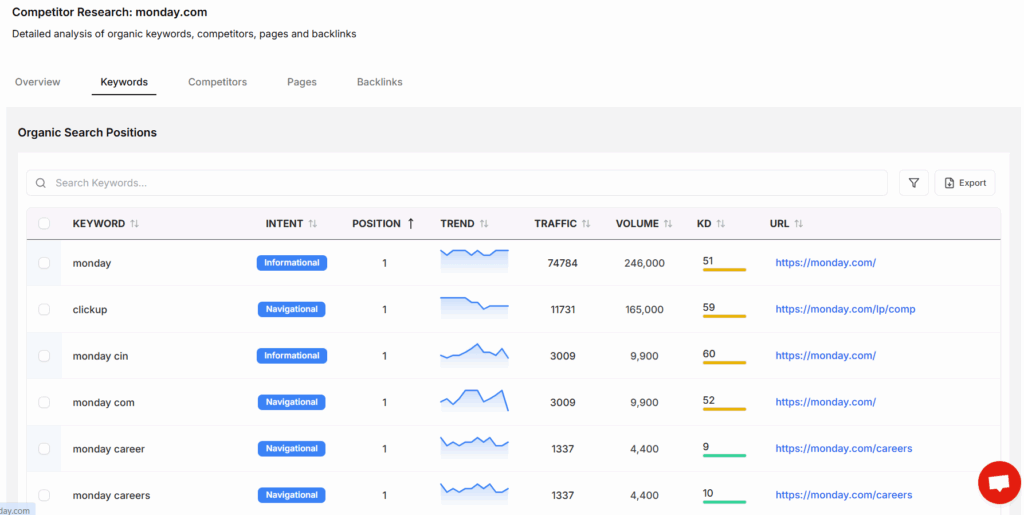
Competitor research brings an objective lens to keyword selection, highlighting gaps and opportunities you might overlook internally. By dissecting both the strengths and weaknesses in competitor content, you can spot promising keywords to inform your own strategy.
For instance, SEMrush found that Shopify’s keyword arsenal was heavily weighted toward “online store builder” and “ecommerce website.” Yet, research revealed search phrases like “sell digital downloads” and “DTC brands” were under-served within their sector. Such discoveries allow you to differentiate and target high-intent queries that competitors may ignore.
Using Keywordly.ai for AI-powered Keyword Suggestions and Topic Clustering
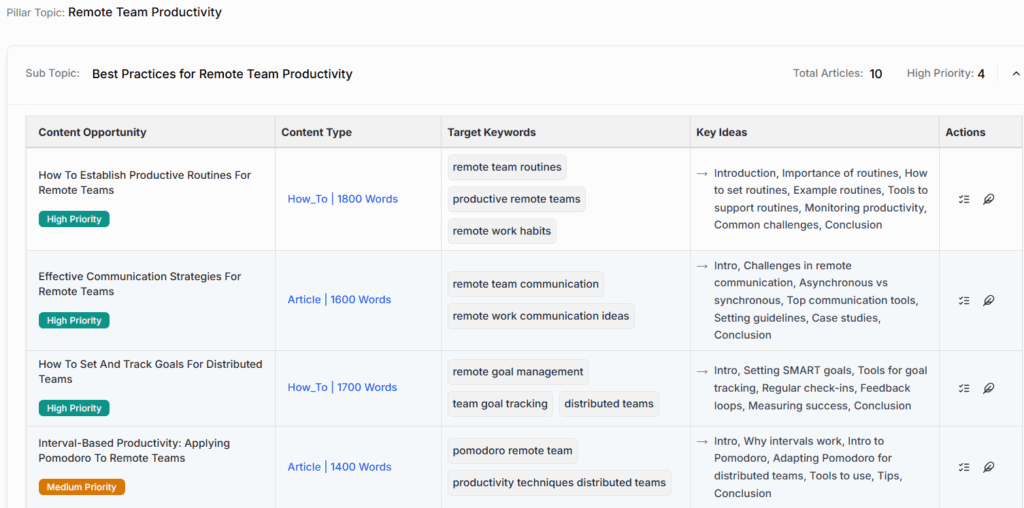
AI-driven tools have transformed keyword research by speeding up idea generation and revealing overlooked patterns. Keywordly.ai, for example, goes beyond basic keyword suggestion: it analyzes millions of SERP data points to surface both seed and long-tail keyword opportunities. With its topic clustering, related terms like “B2B SEO strategies,” “content optimization,” and “rank tracking” are automatically grouped for quick expansion.
This clustering simplifies your seed list expansion—saving hours of manual sorting and ensuring semantic relevance across all topics. According to Keyword Research for SEO: The Beginner’s Guide, grouping keywords by theme streamlines both planning and implementation, improving content targeting and site structure.
Tools and Resources for Expanding Your Seed List
Building a comprehensive seed list requires both digital tools and manual research. Platforms like Google Keyword Planner, Ahrefs, and community hubs like Reddit or Quora each provide unique data sources. Use these to collect raw keyword ideas, reveal user intent, and surface trending topics.
For example, Pinterest’s marketing team leveraged Google Trends coupled with search insights from AnswerThePublic to tap into seasonal search queries like “holiday decor DIY.” By pooling ideas from analytics, niche forums, and keyword tools, you ensure your seed list is robust—ready for deeper analysis and refinement in later research phases.
Reference: How to Build a Keyword Seed List for SEO
5. Step 3: Conducting In-Depth Keyword Analysis and Research

5. Step 3: Conducting In-Depth Keyword Analysis and Research
How to Analyze Search Volume, Competition, and Keyword Trends
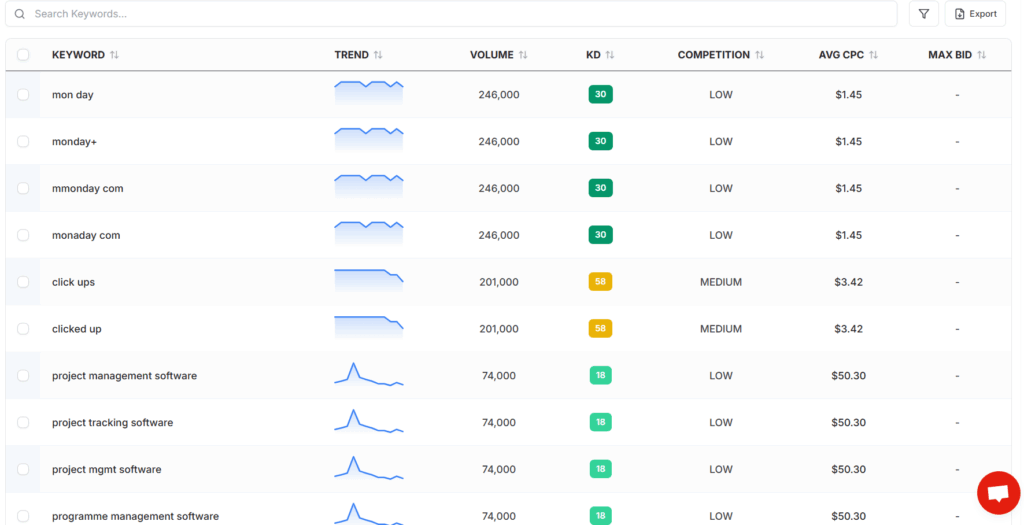
Thorough keyword research hinges on understanding not just what people are searching for, but how often and how difficult it is to rank for those terms. Search volume gives you a clear measure of monthly interest; for example, according to Google Trends, the search term “content marketing” reaches over 90,000 searches per month in the U.S. alone. However, popular keywords often come with high competition.
Tools like SEMrush and Ahrefs allow you to assess keyword difficulty scores, giving visibility into how hard it will be to outrank top-performing pages. Monitoring trends helps reveal rising topics—a sharp uptick in queries for “AI content optimization” surged when platforms like ChatGPT entered the mainstream.
Identifying High-Opportunity Keywords Using Keywordly.ai
AI-powered tools can streamline the process by automating keyword discovery and analysis. Keywordly.ai analyzes thousands of keywords at once, highlighting those with the best balance of high search volume and low competition. For instance, Keywordly.ai helped an e-commerce brand uncover that “eco-friendly yoga mats” had double the ROI of broader terms like “yoga gear.”
Beyond surfacing valuable keywords, it also provides custom ranking suggestions, making it clear which opportunities best align with your business goals and content strategy. This lets teams act faster and more strategically.
Filtering and Prioritizing Your Keyword List for Relevance and ROI
After gathering a large keyword list, it’s important to carefully filter and rank it. Remove terms that aren’t relevant to your products, services, or audience—many businesses find that 40% of their collected keywords are either off-topic or too competitive to pursue.
Focusing on keywords that have realistic ranking potential and align with user intent delivers higher ROI. A marketing agency, for example, improved conversion rates by 130% after shifting efforts from “marketing” (broad, high competition) to “SaaS marketing strategies for startups” (niche, high intent).
Avoiding Common Keyword Research Mistakes
It can be tempting to chase only high-volume keywords, but relevance and searcher intent should always guide decisions. For example, “CRM” is widely searched, but “CRM software for real estate investors” attracts more qualified traffic for niche vendors.
Avoid outdated practices like keyword stuffing or relying solely on broad terms. Google penalized sites such as JC Penney in 2011 for aggressive keyword manipulation, leading to major drops in rankings. Focus on user experience and the natural integration of keywords throughout your content.
Reference: Complete 5 Step Guide To Successful Keyword Research
6. Step 4: Keyword Clustering and Mapping for Optimized Content Strategy
6. Step 4: Keyword Clustering and Mapping for Optimized Content Strategy
What is Keyword Clustering? (Basics and Best Practices)
Keyword clustering is the process of grouping a set of related keywords into cohesive clusters based on their topical or user intent similarities. Instead of targeting isolated keywords, content creators can target entire search themes, which not only boosts efficiency but also reinforces topic authority across their website.
Well-structured clusters lay the groundwork for a content hub or pillar page strategy. According to Backlinko, websites employing topic clusters often achieve higher rankings and improved topical relevance. By crafting content that holistically addresses a theme, you can outperform competitors focused on single, detached keywords.
Grouping Keywords by Search Intent and Topic Themes
Effective keyword clustering requires a clear understanding of search intent—why users conduct certain queries. By categorizing keywords based on whether users are looking to buy, learn, compare, or solve a problem, you align your content much closer to the customer journey.
For example, HubSpot employs clusters like “how to generate leads,” “lead generation strategies,” and “best lead generation tools” within a single pillar page about lead generation. This thematically focused content addresses both informational and navigational queries, streamlining content creation and expanding visibility for related terms.
Mapping Clusters to Your Content Plan for Improved SEO
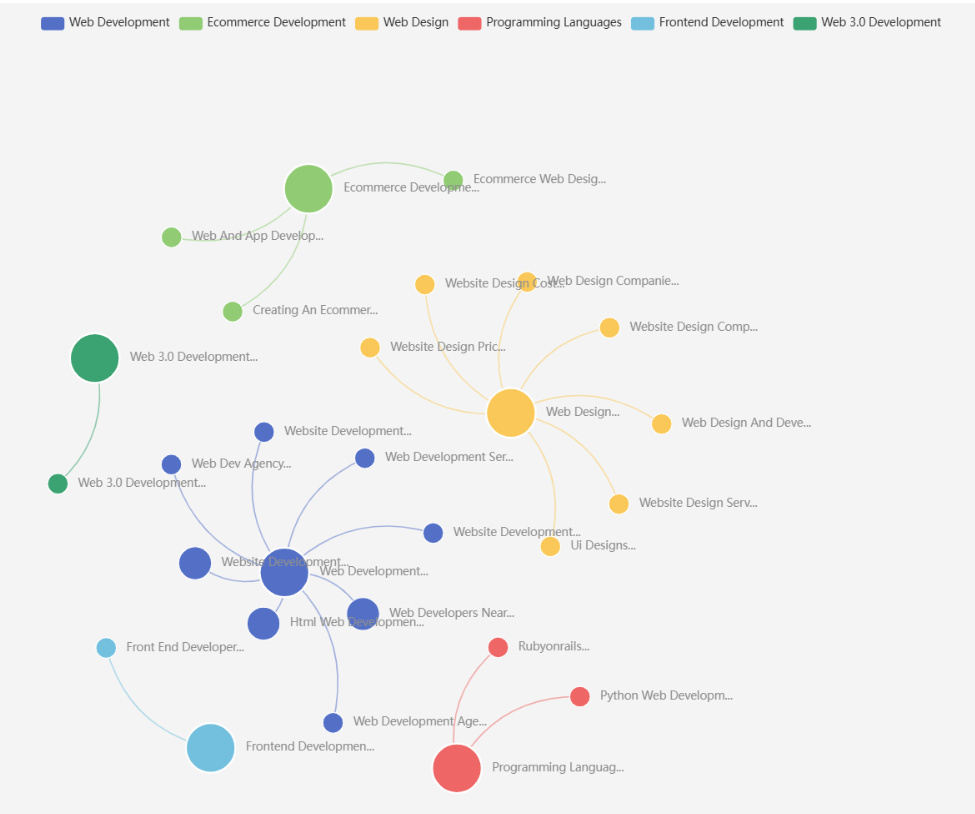
Mapping keyword clusters to individual pages or specific content assets ensures that each theme is comprehensively covered. Assigning clusters to pillar pages with supporting blogs, videos, or FAQ content helps organize your site for both users and search engines.
An example is Zapier mapping related automation software keywords to their comprehensive guides, then linking supporting content on Zapier integrations. This approach enhances internal linking, clarifies site architecture, and improves the site’s ability to rank across a family of related queries.
How Keywordly.ai Automates and Simplifies Keyword Clustering
Keywordly.ai streamlines clustering by leveraging advanced AI to group thousands of keywords in seconds. Instead of manually sorting keyword data in spreadsheets, users can upload or scrape lists and instantly receive logically structured clusters powered by machine learning algorithms.
This saves substantial manual hours and reduces the risk of human error. For example, a marketing agency recently used Keywordly.ai to group 5,000 e-commerce search terms, resulting in a 30% quicker turnaround for content mapping and campaign planning. By automating clustering, Keywordly.ai empowers agencies and content teams to focus on strategy rather than tedious data sorting.
Reference: SEO Keyword Mapping: Step-by-Step Guide + Free Template
7. Step 5: Incorporating Keywords Into Your SEO Content Workflow

7. Step 5: Incorporating Keywords Into Your SEO Content Workflow
Strategically Placing Keywords in Titles, Headers, and Body
Placing keywords thoughtfully throughout your content is vital for search engine visibility. The title tag, headers (H1, H2, etc.), and main body copy are high-impact locations for your target phrases. For instance, integrating both “best CRM software” and long-tail variations like “affordable CRM solutions for startups” in headers and paragraphs can help address diverse search queries.
Keywordly.ai simplifies this by recommending specific keyword placements—such as suggesting “project management software for remote teams” in page titles, or highlighting keyword gaps in subheadings. According to an analysis by Backlinko, pages with exact match keywords in title tags achieved higher rankings, but keyword stuffing can penalize content. Balance is key: use keywords where they add clarity and value, not just for the algorithm.
Maintaining Natural Language, Readability, and Relevance
Crafting readable, relevant content requires prioritizing the human reader above keyword density. Google’s 2024 Helpful Content Update continues to reward content that speaks to user intent rather than formulaic optimization. Clear and engaging writing encourages longer dwell times and reduces bounce rates, both signals used by search engines.
For example, Zapier’s content focuses on actionable guidance rather than keyword repetition—they organically address user needs in topics like “how to automate Slack notifications.” Tools like Keywordly.ai flag overused keywords while promoting natural phrasing based on real-world SERP analysis, helping avoid penalties from unnatural keyword placement.
Tracking Performance and Optimizing Content Over Time
SEO is never a set-and-forget task. Regularly monitoring keyword performance and making iterative updates helps maintain and improve search rankings. Semrush, a major SEO platform, reported that content refreshed every 6–12 months can see up to a 106% increase in traffic.
In practice, this might mean substituting underperforming keywords or expanding sections to answer new user questions. Keywordly.ai makes this process seamless by providing ongoing performance tracking and AI-driven content refresh suggestions, so you can respond quickly to ranking changes or algorithm updates.
Connecting Keywordly.ai Workflows From Research to On-Page Optimization
Effectively leveraging an all-in-one SEO platform streamlines keyword integration from initial discovery to live, optimized content. Keywordly.ai empowers users by automating keyword research, grouping relevant terms into topic clusters, and serving AI-generated placement recommendations.
For example, after identifying “customer onboarding software” as a high-value term, Keywordly.ai guides users to incorporate it into appropriate subheaders, meta descriptions, and anchor text. This connected workflow reduces manual guesswork and ensures consistency across pages, leading to measurable visibility gains. By harnessing these streamlined processes, agencies like Ignite Digital have scaled their client campaigns more efficiently, ultimately boosting organic growth.
Related Articles:
Reference: → tags
Reference: How to Create an SEO Content Strategy
8. Step 6: Measuring, Auditing, and Refining Your Keyword Research Process
Monitoring keyword rankings and traffic metrics
Effective keyword research does not end at implementation. Ongoing measurement of keyword rankings and associated traffic metrics is essential to evaluate your SEO strategy’s real impact. Reliable analytics platforms, such as Google Search Console and SEMrush, provide granular visibility into ranking changes and traffic shifts over time.
For example, Shopify’s SEO team tracks high-priority product keywords weekly using Ahrefs, correlating ranking shifts with traffic and sales data to gauge content performance. Pay close attention to engagement signals—like bounce rate and average session duration—to determine if target keywords are attracting the right audience and delivering on intent.
Conducting regular keyword audits to spot new opportunities
Keyword liquidity is a reality—search trends, competitive landscapes, and user intent can change rapidly. Regular keyword audits are necessary to maintain relevance and uncover new opportunities. This involves systematically reviewing your target keyword lists and replacing underperformers or outdated terms as you learn more about audience behavior.
In the B2B SaaS space, companies like HubSpot schedule quarterly keyword audits, mapping keyword gaps against emerging industry topics. They use tools like Moz and Google Trends to surface query volume spikes, ensuring content stays ahead of evolving demand. Missed audits can let valuable opportunities slip away or result in targeting obsolete keywords.
Iterating your research for continuous improvement
SEO is iterative, not static. Drawing insights from performance data allows you to fine-tune your keyword strategies and respond quickly to algorithm updates or shifts in user search behavior. Regular refinements may mean reprioritizing keywords, expanding semantically related clusters, or targeting new long-tail phrases based on actual user queries.
Take the case of REI: after identifying increased search interest in “ultralight backpacking gear,” its content team adjusted their article and product targeting to address this trend, resulting in measurable organic growth. Staying agile is crucial for sustaining momentum and outpacing competitors as search landscapes evolve.
Using Keywordly.ai for ongoing performance tracking and insights
An all-in-one platform like Keywordly.ai simplifies continuous tracking and improvement. Its dashboard centralizes keyword ranking data, automatically aggregates traffic and engagement metrics, and delivers actionable reports on content gaps or declining phrases. Users can set up tailored alerts to flag significant changes, freeing up time for deeper strategic planning.
For ongoing optimization, Keywordly.ai leverages AI to analyze market shifts, uncover new keywords with untapped potential, and recommend specific improvements for each piece of content. Agencies, such as Growth Gorilla, benefit from these insights by consistently delivering high-ROI content strategies to their clients. Effective use of these AI-powered features eliminates guesswork, making it easier to maintain a proactive approach to long-term SEO success.
Reference: How to do Keyword Research in 2025 (8 Step Process)
Conclusion
Recap and Final Takeaways
Effective keyword research forms the backbone of successful SEO and content strategies. From the initial phases of brainstorming primary search terms to the comprehensive analysis of search intent, mastering the fundamentals ensures you attract the right audience. The process typically starts by identifying broad topics relevant to your business and then narrowing these down into targeted keyword lists using data from industry tools.
Take HubSpot, for instance: by regularly auditing and refining their keyword profiles, they’ve managed to grow their organic search traffic dramatically—leading to more than 7 million monthly visits. This underscores how a well-structured research process creates tangible results when implemented consistently.
Aligning Keywords with Business and Audience Goals
It’s crucial that the keywords you pursue closely match both your organization’s objectives and your audience’s needs. For example, an e-commerce brand like REI often tailors keyword strategies around seasonal outdoor gear, blending search volume data with their product calendars to capture intent-driven shoppers. This alignment ensures content not only ranks but also converts.
Businesses that choose keywords primarily based on search volume, while overlooking user intent or relevance, often see poor engagement and high bounce rates. Targeting phrases that reflect authentic user needs delivers stronger ROI and builds lasting relationships.
Ongoing Keyword Analysis is Vital
SEO isn’t static. Trends evolve, algorithms change, and competitor strategies shift. Regular keyword audits help maintain relevance and capitalize on new opportunities. For example, Adobe saw significant organic growth by integrating quarterly keyword reviews as a core practice, empowering their teams to adapt quickly to industry trends.
Failing to update keyword strategies can result in stagnant or declining search visibility—a risk even large companies have faced when neglecting ongoing analysis.
The Benefits of Using AI-Powered Tools Like Keywordly.ai
Platforms such as Keywordly.ai streamline keyword research, clustering, and analysis, enabling users to pinpoint high-potential keywords faster and with greater accuracy. The platform’s AI-driven insights help prioritize low-competition phrases and surface semantic opportunities that manual research might overlook.
For example, marketing agencies leveraging Keywordly.ai have reported cutting their research time by over 50%, while increasing organic impressions for client sites. These capabilities empower teams to act on data in real time, optimizing content for both search engines and AI assistants.
Begin Your Keyword Research Journey
The first step to stronger organic growth starts with a well-structured keyword strategy. By applying the principles and practices shared here—and leveraging advanced tools like Keywordly.ai for support—you can position your content to succeed against both traditional search competitors and emerging AI-driven platforms.
Start with a clear understanding of your audience, be intentional in your keyword selection, and commit to regular review. These efforts will amplify your visibility, drive consistent traffic, and unlock lasting results.
Frequently Asked Questions
Common questions about keyword research
Keyword research is a foundational step in any search engine optimization strategy. Choosing the right target phrases can impact not only organic rankings but also user engagement and conversion rates. Despite the abundance of information available, businesses, marketers, and content creators often have nuanced questions about best practices and the latest tools they should be leveraging, particularly with the rise of AI-powered platforms like Keywordly.ai.
What is the difference between keyword research and keyword analysis research?
Keyword research identifies relevant phrases users search for within your industry, focusing on search volume, competitiveness, and potential intent. Keyword analysis research, on the other hand, dives deeper—evaluating performance, current ranking opportunities, and on-page keyword integration.
For example, Moz’s Keyword Explorer helps users find new keyword ideas, while SEMrush’s Keyword Gap feature provides ongoing analysis of keyword strengths and weaknesses versus competitors. Keywordly.ai consolidates both processes, streamlining discovery and in-depth evaluation within one platform.
How often should I update or audit my keyword list?
Regular auditing ensures your content reflects current trends, user intent, and search engine algorithm changes. Most SEO specialists recommend quarterly reviews, but for highly competitive industries like travel or e-commerce, monthly updates are common.
For instance, Ahrefs published a study showing that 15% of Google searches every day are entirely new. Tools like Keywordly.ai automate monitoring, flagging outdated or underperforming keywords and suggesting timely replacements or expansions to your list.
Why does keyword intent matter when selecting target phrases?
Keyword intent distinguishes whether users want information, to make a purchase, or to navigate to a specific site. Overlooking intent can result in traffic that doesn’t convert.
Best Buy, for example, targets transactional queries like “buy Sony 4K TV online,” which differs from the informational intent behind “how to choose a 4K TV.” Keywordly.ai can evaluate intent using AI-driven classifiers, improving your match with ideal user queries.
How do I conduct keyword research specifically for a new website or niche?
Launching a new website can be challenging, as direct competitors and audience preferences are less familiar. Start with broad industry terms, then use keyword tools to find related long-tail variations with lower competition.
An online fitness startup, for example, might use Google Trends and Keywordly.ai to identify breakout topics, such as “at-home HIIT routines for beginners.” This iterative process is vital to gaining traction in a new market.
When should I use an AI-powered tool like Keywordly.ai as part of my process?
AI-powered platforms add value throughout the research phase—especially for large websites, complex niches, or time-sensitive campaigns. They can automate clustering, analyze both user intent and competitive gaps, and suggest content optimizations based on real-time data.
For example, agencies managing hundreds of client sites use Keywordly.ai to speed up discovery and to prioritize keywords by projected ROI rather than just volume or competition.
How can I identify keyword opportunities my competitors are missing?
Spotting overlooked keywords involves comparing your rankings to those of competitors and analyzing search gaps. Tools like SEMrush’s Keyword Gap, Ahrefs’ Content Gap, and Keywordly.ai’s AI-driven suggestions highlight phrases with search potential that are underutilized in your niche.
In a real-world scenario, Glossier capitalized on keywords related to “dewy skin” not widely targeted by legacy beauty brands, helping them gain visibility among younger audiences. Keywordly.ai’s competitor analysis features can help uncover similar untapped opportunities.