
Half of all consumers who search for a local business online will visit a store within 24 hours. As digital landscapes shift, the challenge isn’t just getting noticed—but standing out in crowded local markets. With constantly changing algorithms, rising competition, and evolving customer behaviors, staying ahead in local search requires more than just the basics.
Success hinges on understanding the nuances of local rankings, optimizing your presence across platforms, and leveraging emerging trends that are shaping 2025. From mastering on-page elements to building a trusted online reputation, navigating the complex world of local SEO demands focused effort and ongoing strategy. The investment pays off: stronger search visibility draws more traffic, warmer leads, and lasting growth for those ready to adapt.
In 2025, mastering local SEO isn’t just about ranking higher—it’s the difference between being your neighborhood’s best-kept secret or its go-to solution. Is your team’s content strategy ready to lead the local search revolution?
Reference:
Local SEO: The Definitive Small Business Guide [2025]
Introduction
Compelling Hook
Showing up in local search results is no longer just about having your business listed online—it’s about being visible when it counts most. Increasing competition within local SEO makes it harder for independent businesses, startups, and even established brands to outrank rivals and capture valuable organic traffic.
Companies like Joe Coffee in New York faced disappointingly low foot traffic until they focused on optimizing their Google Business Profile, generating a 27% increase in local map pack impressions in just five months. This kind of growth is only possible when businesses pay close attention to emerging local SEO tactics, investing resources in what delivers the most impact.
Local SEO isn’t just about rankings; it’s about real-world impact on customer acquisition and retention. In 2023, DataBox reported that 78% of local mobile searches resulted in an offline purchase within 24 hours. With this much immediacy at stake, missing out on local search visibility means missing out on real business.
The Roadmap Ahead
This guide provides practical strategies to stand out in today’s competitive landscape. You’ll find actionable advice, optimization checklists, and detailed examples—including how Dentologie, a Chicago-based dental startup, tripled appointment bookings by leveraging hyperlocal keywords.
Whether you manage a local service brand or optimize listings for multiple clients, you’ll discover the latest tactics to boost your visibility, attract nearby customers, and secure higher search rankings that drive tangible results.
1. Setting the Stage: Understanding Local SEO in 2024
What is Local SEO and Why It Matters
Local SEO refers to optimizing a business’s online presence so it appears prominently when nearby customers search for relevant products or services. In 2024, the relevance of local SEO continues to grow as consumers rely more on digital channels, with Google reporting that 46% of searches have a local intent. This trend empowers businesses to target users searching in real time, often leading to higher engagement and conversion rates compared to broader SEO.
Visibility is especially crucial for businesses like restaurants, service providers, and retail shops looking to draw foot traffic or immediate sales. For example, Home Depot enhanced their Google My Business listings and saw a measurable increase in map pack visibility, directly translating to in-store visits and revenue growth.
Key Trends Influencing Local Search
The behaviors shaping local search have evolved with new technologies and user expectations. In 2024, granular mobile queries such as “best vegan pizza near me open now” and conversational voice searches, powered by smart assistants, have surged, requiring businesses to anticipate nuanced local phrasing.
Search engine result pages (SERPs) are also being personalized based on a user’s location and browsing history. For instance, Starbucks leverages local signals and user data to adjust SERP content regionally, ensuring nearby locations and relevant offers are prioritized for the searcher.
Major Algorithm Updates
Algorithm updates from platforms like Google and Bing increasingly impact local rankings. In the past year, Google’s Vicinity update tightened the proximity signal, causing businesses further from city centers to lose map pack rankings. Bing has also deployed AI-driven ranking signals, impacting how citations and reviews are weighed.
The trend toward zero-click searches, where Google presents answers directly, has made local business profiles vital real estate. A study found that nearly 65% of “restaurant near me” mobile searches result in map pack or direct business profile exposure, reducing opportunities for traditional organic clicks.
Business Case for Local SEO
Local SEO delivers measurable benefits across business types. Small businesses like Joe Coffee Company in New York reported a 30% increase in walk-in customers after a campaign focusing on review management and citation building based on best practices from Local SEO: A Guide to Local Search in 2024.
For agencies and larger enterprises, local search unlocks high-intent audiences that frequently convert. According to Google, 76% of people who search for something nearby visit a business within 24 hours, making local optimization a priority for driving foot traffic and rapid sales.
2. Optimizing Google Business Profile for Maximum Exposure

Claiming and Verifying Your Profile
A verified Google Business Profile (GBP) is essential for establishing credibility and visibility in local search results. Claiming your profile ensures you have full control over the business information that appears on Google Maps and Search.
To claim your GBP, visit the Google Business Profile Manager, search for your business, and follow the step-by-step prompts to claim ownership. Verification typically involves receiving a postcard with a unique code mailed to your business address, but phone, email, or instant verification methods are sometimes available, depending on your business category and standing. Prompt verification is crucial; according to Google, profiles that are verified appear more prominently in local search and map results, helping brands like Ace Hardware reach more customers in their service area.
Optimizing Business Information
Customers rely on consistent, up-to-date information when searching for local businesses. Ensure your business name, address, and phone number are accurate and match your details on your website and other directories. Inconsistencies can confuse algorithms and users, negatively impacting search performance.
List your business under the most appropriate primary and secondary categories—for example, “SEO Service” for digital agencies like Moz. Set precise hours, update them for holidays, and specify offered services or products. This level of detail helps platforms like Google filter relevant results and signals reliability to potential clients.
Leveraging Photos, Posts, and Attributes
Google data shows businesses with photos receive 42% more requests for directions and 35% more click-throughs to their website. Uploading fresh, high-quality images of your office, team, or work in action—such as SEMrush posting pictures of their team at industry events—builds trust and visual appeal.
Use GBP posts to promote new blog content, customer achievements, or special offers. For example, digital agency Victorious regularly updates their GBP with tips and case studies, boosting engagement. Adding attributes like “wheelchair accessible” or “online appointments” ensures your profile is inclusive and relevant to more users.
Monitoring and Responding to Reviews
Review signals directly impact local ranking and reputation. Set up email or push notifications so you never miss new feedback on GBP. Timely responses demonstrate commitment to client experience, which searchers notice.
Respond professionally to both positive and negative comments. For instance, WebFX typically replies within 24 hours, addressing issues and thanking clients by name, which fosters loyalty and signals an active, customer-focused brand. This proactive approach often leads to higher retention and more referrals.
Reference:
Tips to improve your local ranking on Google
3. Building Consistent and Trustworthy Local Citations
Selecting Directories and Citation Sources
Building a strong local SEO foundation begins with carefully choosing where to create your business listings. Not all directories are created equal; some hold more authority, relevance, and visibility for specific industries.
For example, a law firm like Jones Day benefits from listings on Avvo or FindLaw, while a restaurant such as Shake Shack should prioritize sources like TripAdvisor and Yelp. National platforms (Google Business Profile, Bing Places) guarantee broad exposure, but including respected local directories, such as the Chamber of Commerce, can build credibility within a specific region.
Ensuring NAP Consistency
Accurate and consistent Name, Address, and Phone Number (NAP) information across every listing influences trustworthiness and impacts local search rankings. A single mismatch—such as “Suite 200” vs. “Ste 200”—can dilute your digital profile and confuse search engines.
According to the Local SEO: The Definitive Guide for 2026, unmatched details remain a top reason for diminished visibility in the Google 3-pack. Frequent errors include outdated addresses following an office move or using alternate brand spellings on different platforms.
Managing and Auditing Citations
Maintaining citation integrity requires regular management. Tools like BrightLocal and Moz Local streamline this process by scanning hundreds of listings to highlight inconsistencies, duplicates, or missing information.
Regular audits are essential. One insurance agency, using Moz Local, discovered they were missing listings on several secondary directories in their state, resulting in a 12% lift in map pack impressions after updating those citations.
Addressing Duplicate Listings
Duplicate business listings often confuse users and search engines, leading to ranking drops or inaccurate mapping. This is especially common for multi-location brands or after rebrands and mergers.
Manual detection—searching for variations of your business name—or automated tools can surface these duplicates. Moz Local and BrightLocal allow users to merge or suppress duplicates, safeguarding against loss of authority. As Backlinko’s local SEO guide confirms, resolving them is critical for reliable citations and improved visibility.
Reference:
Epic Guide to Local SEO: Building Local Citations | Advice Local
4. Creating Location-Specific Content That Ranks
Location-Focused Landing Pages
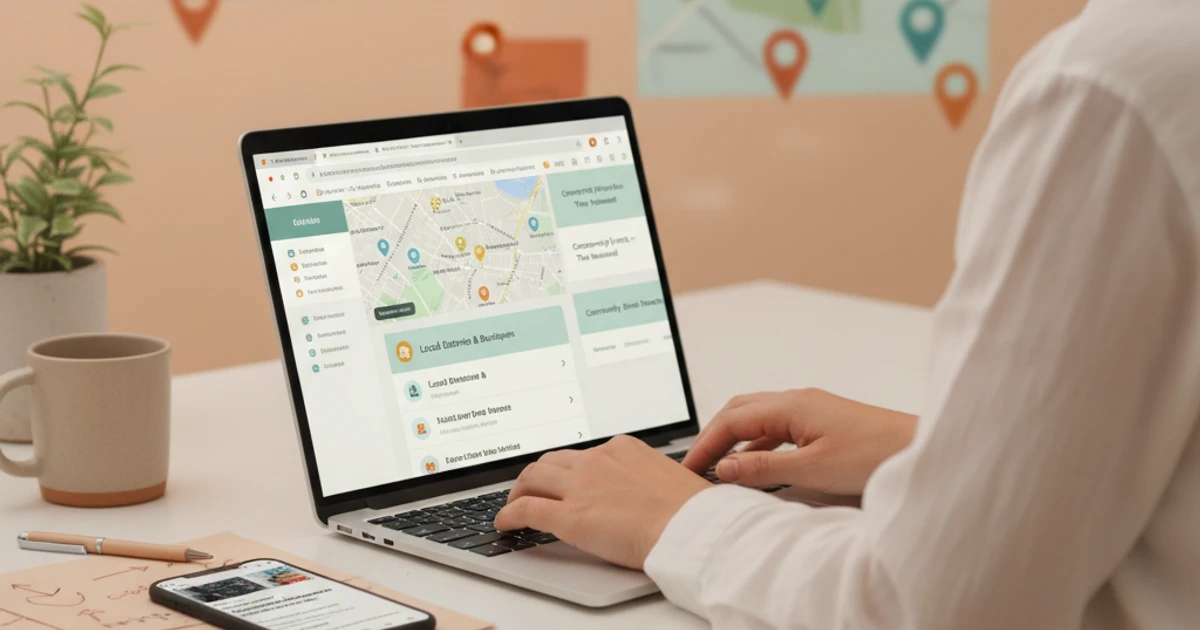
Businesses targeting multiple regions often struggle with generic content that fails to resonate locally. Creating tailored landing pages for each location enhances both user relevance and organic rankings. This strategy involves more than duplicating pages with minor tweaks; each page should provide unique value for its target area.
For example, SERVPRO has developed individual landing pages for cities like Los Angeles and San Francisco, each highlighting specific services, testimonials, and local imagery. Optimizing on-page elements—such as titles like “Water Damage Restoration in San Diego,” unique H1s, and locally focused meta descriptions—not only aligns with search intent but also improves click-through rates.
Incorporating Local Keywords
Effective use of local keywords goes beyond simply appending a city name to popular search terms. Conducting research with tools such as SEMrush or BrightLocal can help identify high-traffic search phrases backed by real demand.
For instance, a dog grooming chain might find substantial volume for “Austin mobile dog groomer” versus a generic phrase. Naturally weaving these local keywords into content, headings, and calls-to-action preserves readability and context, which mitigates the risk of keyword stuffing while maintaining relevance.
Event, News, and Community Content
Local engagement drives authority. Publishing timely coverage of neighborhood events, sponsorships, or guides significantly increases relevance and value for users. For example, Seattle Credit Union regularly highlights partnerships with local nonprofits and upcoming community events on dedicated blog sections.
Resource pages—like “2025 Dallas Summer Festival Guide” or “NYC Small Business Resources”—showcase insider knowledge and commitment to the area. This builds trust with both audiences and search engines.
Structured Data Implementation
Structured data provides clarity to search engines about a business’s offerings, location, and reputation. Implementing schema markup for business type, address, reviews, and events helps secure rich search results and featured snippets.
Businesses such as Yelp and Eventbrite leverage event and review schema to display ratings and event details directly within results, boosting click-through and visibility. Adopting this approach is a critical step for local SEO success.
Reference:
A Guide to Creating Location-Specific Landing Pages
5. Earning and Leveraging Quality Local Backlinks
Local Link-Building Opportunities
Securing authoritative backlinks from within your geographic market is essential for boosting local search rankings and building trust in your community. Local partnerships and collaborations can offer distinctive backlink opportunities unavailable through national sources.
Begin by identifying nearby organizations, such as the Seattle Metropolitan Chamber of Commerce, industry associations, or respected local businesses likely to list partners or sponsors on their sites. Resource pages on city websites or university directories can also be highly effective, providing not only a backlink but exposure to targeted local audiences. For example, Boston.gov’s Community Centers page links to local businesses that collaborate or support their programs.
Community Organization Partnerships
Engaging with your community through event sponsorships or charitable efforts often results in backlink opportunities and positive branding. Sponsoring events like the San Francisco Marathon gives businesses a featured spot on event websites, which often come with a link and logo placement.
Building relationships with local schools, non-profits, or civic centers can also yield valuable backlinks. Chattanooga-based law firm The Hamilton Firm received strong local links by supporting Chattanooga’s Salvation Army food drives, demonstrating that partnerships with trusted non-profits can have measurable SEO benefits while supporting meaningful causes.
Guest Posting in Local Media
Becoming a thought leader in your area involves contributing expertise through guest articles and opinion pieces in local digital media. Pitching articles to online publications like Crain’s Chicago Business or prominent city blogs provides an authoritative backlink and establishes your reputation locally.
For instance, marketing agency Portent wrote for The Seattle Times’ business section, discussing digital marketing trends, which both highlighted their authority and attracted new regional clients. This approach not only delivers backlinks but fosters relevance and brand trust with a local audience.
Tracking and Measuring Backlink Impact
To ensure your efforts deliver results, use tools like Ahrefs or SEMrush to monitor local backlinks as they appear. These platforms identify new referring domains, assess link authority, and help track changes over time.
Analyze how new backlinks affect traffic and keyword rankings. If a partnership with a local chamber drives a 20% increase in organic visitors from your target region, it’s a sign your backlink strategy is on the right track. Monitoring metrics ensures ongoing optimization and demonstrates the business value of local link-building.
Reference:
10 Ways Any Business Can Earn Local Backlinks
6. Managing and Growing Positive Customer Reviews
Encouraging Meaningful Reviews
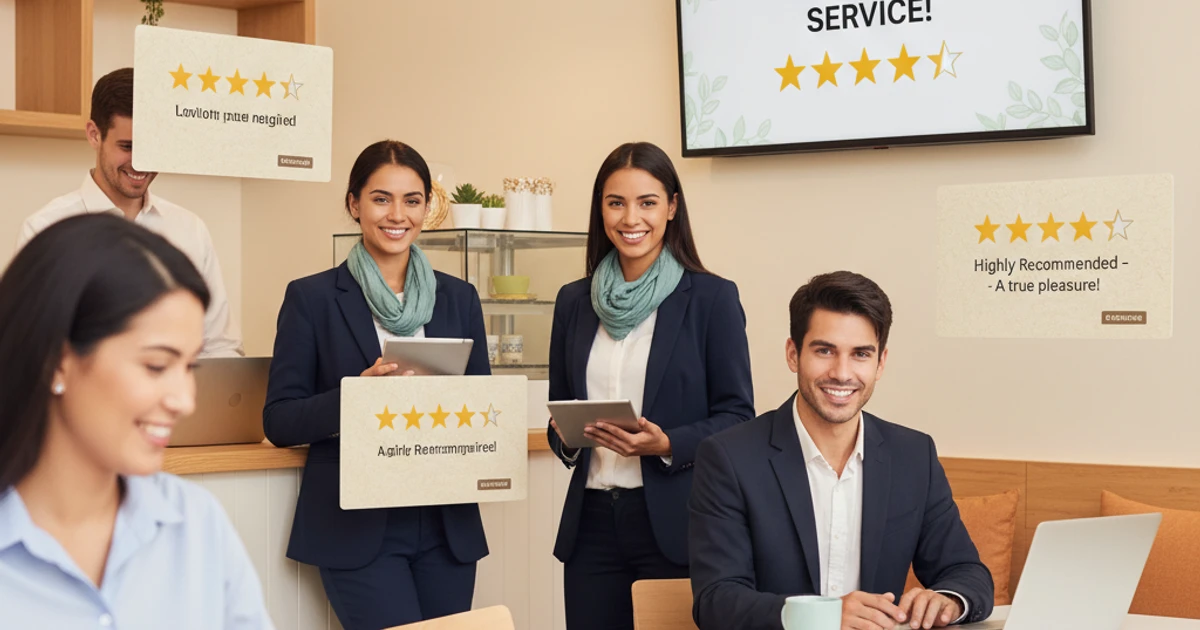
Building a library of authentic reviews starts with proactive customer engagement. After a positive service experience, businesses can invite customers to share their honest feedback by following up through email or SMS. For example, software companies like HubSpot send automated, personalized survey links shortly after user interactions, which increases response rates.
Ease of use is crucial to capturing more feedback. Adding direct review links on invoices or post-project emails minimizes friction. The restaurant chain Shake Shack, for instance, includes a QR code on their receipts, enabling guests to leave reviews with just a few taps, which led to a 25% increase in review submissions within six months.
Responding to Feedback
Professional and timely responses to customer reviews demonstrate attentiveness, regardless of the tone of the feedback. Starbucks regularly replies to both glowing praise and customer complaints on platforms like Google and Twitter, showing an openness to dialogue.
Addressing specific concerns, such as a delayed order or product incompatibility, helps rebuild trust and highlights a commitment to improvement. A 2022 BrightLocal survey found that 91% of consumers are more likely to use a business that responds to all reviews, not just positive ones.
Integrating Reviews Into Marketing
Positive reviews serve as powerful social proof. Featuring testimonials prominently on your website’s landing pages or case studies provides tangible evidence of customer satisfaction. Slack embeds selected customer quotes on their homepage, contributing to higher conversion rates for new signups.
Review snippets can also enhance local ads and social media presence. Google Ads extensions allow businesses to display review highlights, while retailers like Warby Parker frequently spotlight five-star comments in their Instagram Stories to boost credibility among prospects.
Adhering to Platform Guidelines
Understanding each platform’s unique rules is essential. Google and Yelp both prohibit offering incentives for reviews and have algorithms in place to detect fake feedback. In 2023, Yelp flagged and removed more than 26,000 suspicious reviews linked to non-compliance with its guidelines.
Maintaining integrity by avoiding fake reviews is non-negotiable. Facebook’s Community Standards also require transparency and honesty. Violating these can result in penalties, lost trust, and even account suspensions, underscoring the necessity of keeping all review strategies above board.
Reference:
Six Strategies for Successfully Managing Positive …
7. Enhancing Website for Local Search Optimization
Website Speed, Mobile Optimization, and UX
Local users often expect quick, seamless access to information, especially when searching on mobile devices. Ensuring your website loads in under three seconds can significantly reduce bounce rates and strengthen your local SEO, as demonstrated by Walmart, which found a 2% increase in conversions for every one second improvement in page load time. Google’s PageSpeed Insights provides actionable recommendations tailored to both mobile and desktop performance.
Designing an intuitive navigation structure with local customers in mind means making key information, such as service areas and opening hours, prominent and accessible. A restaurant like Shake Shack optimizes its mobile site for quick table bookings and location-specific menus, helping customers find the nearest spot efficiently.
Local Schema Markup
Schema markup helps search engines understand your business’s specifics, such as address, hours, and services. Implementing LocalBusiness and PostalAddress schemas boosts visibility in local searches and can improve appearance in Google’s local pack.
For example, Home Depot uses detailed schema to appear for “hardware store near me” with rich snippets, enhancing click-through rates. Google’s Structured Data Testing Tool can verify correct implementation and preview how your listings will display.
About and Contact Page Optimization
Local consumers trust businesses that transparently display details. Listing your location, service areas, team bios, and a dynamic Google Maps embed fosters reliability. For instance, hair salons like Supercuts provide an interactive map and clear list of offered services on their contact page, aiding both customers and search engines.
Effective CTAs, like reservation forms or click-to-call buttons, reduce friction for local visitors. Multiple contact methods can be shown in bold, contrasting text for easy scanning.
FAQs and Chatbots
Addressing frequent local questions—like parking availability, holiday hours, or curbside pickup options—on an FAQ page can boost trust and drive relevant local traffic. Target ran a study indicating that detailed FAQs decreased repetitive support tickets by 20%, freeing up staff for high-value tasks.
Integrating chatbots such as Intercom or Drift enables real-time support for local queries, improving user satisfaction and engagement. Businesses can tailor chatbot responses based on service area, store hours, or local promotions, ensuring customers receive timely, location-specific help.
Reference:
Local SEO: Guide and 7 Expert Tips for 2025
8. Leveraging Social Media and Community Engagement for Local SEO
Amplifying Local Content
Building strong local SEO starts with actively sharing hyper-local content where your target audience spends time. Platforms like Facebook, Instagram, and Nextdoor have become go-to sources for neighborhood updates and events. When businesses regularly post blogs about local happenings or promote area-specific events, they increase their visibility among potential customers living nearby.
For example, San Francisco-based bakery Tartine Bakery often shares posts highlighting collaborations with local coffee shops and community markets, using area-specific hashtags like #MissionDistrict and geotagging their locations. This approach not only boosts engagement but also helps content appear in searches by users looking for local suggestions.
Participating in Local Groups
Active participation in community forums and Facebook Groups nurtures trust and brand presence within a locality. By offering insightful answers or sharing relevant expertise, businesses position themselves as go-to resources.
Real estate agencies such as Redfin have succeeded by joining neighborhood forums and offering guidance on home-buying in regional subreddits. Their representatives engage by answering questions and providing market insights, which drives traffic to their local listings and establishes credibility.
Geotargeted Social Campaigns
Paid advertising customized for a specific city or neighborhood sharpens local reach. Platforms like Facebook, Instagram, and TikTok allow businesses to serve ads only to users in designated ZIP codes, making campaigns more efficient and relevant.
In 2023, Chicago’s Deep Dish Pizzeria ran a Facebook ad campaign targeting users within three miles of their primary location, resulting in a 22% increase in local orders during the first month. Tailoring offers—like a discount on new menu items to nearby residents—can significantly lift both online and foot traffic.
Encouraging Local Shares and Mentions
Motivating customers to share their experiences organically broadens reach. Contests for sharing photos of local products or rewarding check-ins on Instagram Stories not only create buzz but leverage user-generated content for greater credibility.
For example, Austin’s BookPeople bookstore incentivizes patrons to use a branded hashtag with monthly giveaways. The store tracks user content tied to its hashtag, reposting customer reviews and event photos, which strengthens community bonds and attracts new foot traffic.
Reference:
How to Build a Local Social Media Following | Local SEO – Moz
9. Measuring, Monitoring, and Refining Local SEO Performance
Key Metrics to Track
Measuring the success of local SEO starts with identifying the right metrics. Performance data helps pinpoint strengths, weaknesses, and opportunities, informing strategic decisions. Local businesses rely on these measurements to adjust digital strategies for better visibility and conversions.
Organic traffic from local queries—particularly those containing geo-specific keywords—is a prime indicator. For example, a Houston-based dental practice tracked a 23% year-over-year increase in organic sessions after optimizing their website for local queries like “Houston family dentist.” Monitoring Google’s local pack/map rankings provides insight into where your business appears in high-visibility local searches. LawnStarter, a lawn care booking platform, attributes a 40% uptick in new user sign-ups to consistent local pack presence in multiple U.S. cities. Click-through and conversion rates from local search results indicate whether search visibility translates to tangible business value.
Google Analytics and Google Search Console Setup
Configuring Google Analytics and Search Console correctly is foundational for actionable insights. Tracking traffic to specific local landing pages, coupled with goal tracking for calls, form submissions, or online bookings, delivers fine-grained data. For example, HubSpot configures custom events in Google Analytics to measure appointment requests specifically from local landing pages.
Search Console’s performance reports allow marketers to monitor impressions, clicks, and keyword ranking changes for geo-targeted queries. This data surfaced the need for many hotel brands to optimize for “near me” searches, resulting in rich snippets and increased direct bookings during 2023 according to Search Engine Journal’s case studies.
Audits and Competitive Benchmarking
Regular audits and competitor comparisons reveal new ranking opportunities and gaps in local SEO execution. Conducting a citation audit, for example, helps ensure accuracy and consistency across directories such as Yelp, Apple Maps, and local chamber of commerce websites. Moz Local is widely used for this purpose, enabling brands like Anytime Fitness to correct citation inconsistencies across hundreds of U.S. locations.
Competitive benchmarking measures performance against local rivals. Using tools like BrightLocal, a restaurant chain may discover competitors outranking them for key terms like “best vegan brunch Seattle,” prompting focused content or link-building efforts to close the gap.
Adapting Strategies Based on Data
Real progress in local SEO comes from acting on data, not just collecting it. Analyzing trends in click-through rates, for instance, can prompt updates to meta descriptions or title tags for poorly performing pages. In one documented case, a multi-location law firm refined its practice area pages after user data flagged low engagement, resulting in a 15% improvement in conversion rate within two months.
Iterating content and technical optimizations should become routine. Monthly reviews can inform whether to prioritize location expansion content or double down on technical audits. Staying agile, as Starbucks does by continually updating its localized landing pages, ensures sustained performance gains and relevance in evolving search landscapes.
Reference:
9 Key Metrics for Local SEO in 2025
10. Advanced Local SEO Strategies for Agencies and Enterprises
Multi-Location and Franchise Optimization
Managing local SEO for organizations with multiple locations presents unique operational and strategic challenges. Deciding between centralized or localized management can impact both efficiency and local search visibility, especially for franchises or large retail brands.
Centralizing SEO processes often means implementing standardized workflows using tools like BrightLocal or Yext, which are widely adopted among enterprise businesses like Anytime Fitness. For instance, McDonald’s uses a hybrid approach: central management for branding and compliance, but local franchisees update hours and promotions to maintain accuracy. In contrast, unique location landing pages with localized keywords and custom attributes (e.g., address, city-specific offers) drive local relevance, as seen with Target’s city-level store profiles. Scalable citation management tools help suppress duplicates and ensure uniformity across hundreds of directories, while still reflecting local nuances.
Hyperlocal Advertising & Geo-Fencing
As consumer searches become more location-specific, hyperlocal paid advertising and geo-fencing provide agencies a tactical edge. These strategies enable brands to reach users based on precise physical locations, such as near specific retail outlets or competing businesses.
For example, Dunkin’ implemented geo-fenced push notifications in Boston, targeting users within 500 meters of select stores. Google Ads’ Local Campaigns and platforms like GroundTruth allow granular audience segmentation down to the block or zip code. Running paid social ads for pharmacies during flu season, with offers visible only to people within a mile radius, consistently outperforms generic campaigns for foot traffic conversion.
AI and Automation Solutions
With routine SEO tasks multiplying at scale, agencies and enterprise teams increasingly turn to automation and AI for efficiency gains. Automating citation and review management reduces manual workload, lowers costs, and speeds up responses to customer feedback.
Tools such as Moz Local and Birdeye automate updates to hundreds of listings after a single data change. AI-based content platforms like Jasper and SurferSEO help create and optimize landing pages tailored for specific locations, using real-time SERP analysis and keyword data. Although AI-generated content should be reviewed by humans for tone and compliance, platforms leveraging machine learning can reduce on-page SEO effort by up to 60% for multi-location deployments, according to Search Engine Land’s recent survey.
Scaling Local SEO Across Teams
Building repeatable processes and frameworks allows agencies to maintain consistency across dozens or hundreds of locations. Documented guidelines ensure teams produce and optimize content that’s locally relevant but aligned with brand standards across regions.
Publix Super Markets employs a dedicated local SEO taskforce to train in-store managers and franchisees on uploading images, responding to reviews, and monitoring Google Business Profile changes. Central dashboards—like those from SEMrush or SOCi—give marketing leaders visibility over local rankings, content updates, and performance trends. Consistent communication and stakeholder alignment prevent conflicting changes or outdated content from slipping through at scale.
Reference:
10 Local SEO Strategies To Amplify Client Results
Conclusion
Recap and Next Steps
Effective local SEO continues to evolve, and success in 2024 hinges on the consistent application of proven strategies tailored to your market. Building a robust Google Business Profile, cultivating authentic customer reviews, and optimizing localized content are foundational steps for businesses aiming to improve their search visibility.
Take, for example, how dental clinics like Midtown Dental Group in New York increased local traffic by 24% in six months after investing in location-specific landing pages and proactive review management. Their strategy highlighted the importance of blending technical optimization with authentic engagement—a crucial takeaway for businesses aiming to compete locally.
Continuous, Data-Driven Improvement
Staying ahead in local SEO also requires a commitment to data-driven refinements. Regularly monitoring ranking shifts, user engagement, and conversion data empowers teams to make informed decisions. Tools such as BrightLocal or Whitespark allow agencies and in-house teams to benchmark progress and identify new optimization opportunities. For instance, using BrightLocal’s heatmap feature, one Austin-based law firm uncovered underperforming zip codes and revised their localized ad targeting accordingly, resulting in a 30% uptick in leads.
Adopting a culture of continuous testing and iteration ensures your local authority strengthens over time and adapts to shifting search trends and user behaviors.
Action Steps and Support
To drive ongoing growth, prioritize implementing each local SEO tactic—whether that’s enhancing local citations, gathering verified reviews through platforms like Trustpilot, or leveraging schema markup for business listings. Set quarterly milestones for measuring impact and iterating campaigns based on the data.
For content creators, agencies, and businesses ready to scale their efforts efficiently, dedicated SEO workflow platforms like SEMrush or ContentKing provide essential capabilities from project planning to live site health tracking. Exploring these platforms enables marketing teams to centralize their optimization tasks while benefiting from automated insights, ultimately supporting long-term local search authority and measurable business growth.
Frequently Asked Questions
Common Local SEO Questions in 2024
Staying ahead in local SEO requires a solid grasp of evolving ranking factors, review strategies, and multi-location best practices. Businesses are increasingly seeking clarity about what drives results in local search and how to implement these strategies effectively.
What are the most important local SEO ranking factors in 2024?
Google continues to place significant weight on three primary signals: Google Business Profile (GBP) optimization, high-quality local citations, and user-generated reviews. According to Google’s 2024 local search update, businesses with fully completed GBPs, new photos, and regularly posted updates see 30% increased visibility in the Local Pack compared to profiles left untouched.
For example, Home Depot optimizes its GBP with 100+ location-specific photos and weekly Q&A engagement to rank highly for “hardware store near me” searches across multiple regions.
How often should local citations and listings be updated?
Local citations should be audited and updated quarterly. Inaccurate information can confuse customers and harm search rankings. Moz Local found that consistent NAP (name, address, phone number) data across directories is linked to a 23% higher average ranking position for service-based businesses.
Tools like BrightLocal and Yext allow agencies to automate regular checks and bulk updates for multi-location clients.
Why are reviews so critical for improving local SEO?
Reviews act as social proof and influence both rankings and conversion rates. Google’s algorithm weighs review quantity, recency, and response rate. In 2023, a ThriveHive study showed that companies receiving 50+ fresh Google reviews per month saw up to 60% higher click-through rates from local maps.
National chains such as Marriott have dedicated customer care teams to respond to guest reviews within 48 hours, improving public perception and signal responsiveness for local searches.
How long does it take to see results from local search optimization?
Most businesses notice measurable improvements within 3-6 months of consistent optimization. For example, after cleaning up old citations and launching a review acquisition campaign, Joe’s Auto Repair in Austin improved its GBP ranking from 12th to 3rd position for “auto repair near me” within four months.
However, highly competitive metro areas or industries with well-established competitors may require 6-12 months for significant movement.
What local SEO strategies work best for multi-location businesses?
Scalable tactics include creating dedicated, optimized location pages for each branch, deploying localized content, and ensuring GBP profiles feature unique business descriptions and images per site. Starbucks executes this by having individual GBPs and custom landing pages for each store, driving hyperlocal intent traffic.
Automation tools that manage bulk updates and synchronize all locations’ data are vital for franchises or agencies with hundreds of storefronts.
When should a business consider hiring an agency for local SEO?
Agencies become valuable when in-house teams lack technical expertise or bandwidth to manage citations, reviews, and continual GBP optimization across many locations. In 2023, RealPage Property Management engaged SEMrush’s agency partners to overhaul 1,000+ apartment listings, leading to a 34% average increase in local organic traffic within 6 months.
In highly regulated, competitive industries—such as healthcare or legal—outsourcing ensures compliance while freeing up internal resources for growth-focused tasks.
Leave a Reply