
Imagine an online store that appears at the top of generative AI search results while competitors struggle to get noticed. As AI-driven platforms like Google Search and ChatGPT reshape how consumers discover products, traditional SEO is no longer enough—your content must be engineered to satisfy both human intent and advanced algorithms.
Generative Engine Optimization (GEO) helps e-commerce brands appear directly inside AI-generated answers on Google, ChatGPT, and other LLM-powered platforms. Unlike traditional SEO, GEO focuses on entity clarity, structured content, and intent-driven product information.
The transition to Generative Engine Optimization (GEO) is creating both challenges and opportunities for e-commerce businesses aiming for sustained visibility and higher conversions. Brands using platforms like Keywordly.ai are seeing massive gains in online exposure by leveraging tailored keyword strategies, real-time content audits, and AI-powered optimization workflows. Integrating these GEO tactics demands a strategic mindset and dedication, but yields a noticeable improvement in marketplace authority and sales performance as early as the first campaign cycle. This article uncovers how forward-thinking stores are harnessing GEO with tools like Keywordly.ai to future-proof their exposure across all AI-powered search experiences.
In 2026, the brands that master GEO strategies aren’t just chasing traffic—they’re dictating the digital marketplace, and with platforms like Keywordly, the power to dominate local, global, and AI-driven search has never been so accessible.
Reference:
How to plan for GEO in 2026 and evolve your search strategy
1. Understanding Effective GEO Strategies for E-Commerce in 2026
Explaining the Shift: From Traditional SEO to Generative Engine Optimization (GEO)
Traditional SEO focused on matching exact keywords, meta descriptions, and backlinks to climb Google’s search rankings. In e-commerce, this meant optimizing product pages around phrases like “best running shoes” or “affordable laptops.” However, user search habits and underlying engine technologies are rapidly evolving.
AI and machine learning now power most major search engines, including Google’s Search Generative Experience (SGE) and Microsoft’s Copilot. These advancements analyze billions of interactions to predict intent and generate fluid, conversational search results. As a result, static keyword strategies are giving way to dynamic content models that understand context, semantics, and user expectations.
Generative Engine Optimization (GEO) has emerged as the new standard for e-commerce visibility. Unlike traditional SEO, GEO addresses how AI-driven engines generate answers—not just list results. For instance, Amazon’s integration of AI with search helps shoppers get tailored recommendations, not just listings, changing how brands must structure and present product data.
Why GEO Matters for E-Commerce Sites in Today’s AI-Driven Landscape
Modern e-commerce shoppers increasingly rely on AI-generated suggestions and conversational queries. According to a 2023 Gartner report, over 60% of consumers start product discovery with generative engines like Google SGE or ChatGPT.
Shoppers now expect engines to understand nuanced questions, such as “What’s the best all-terrain stroller for city sidewalks and parks?” They want specific, direct answers drawn from a blend of product data, reviews, and real-world context, rather than scrolling through pages of blue links. This shift means e-commerce brands need their product information, comparisons, and FAQs to be structured for generative engines.
Appearing within the generated answers section greatly increases both click-through rates and brand credibility. For online stores, failing to optimize for GEO can result in reduced visibility, as competitors that adapt faster capture more AI-driven recommendations. Retailers like Best Buy and Target have begun restructuring product content and leveraging tools like Keywordly.ai to gain early advantages in GEO.
“E-commerce visibility is shifting from ‘who ranks’ to ‘who gets cited.’ GEO determines whether your brand appears in AI-generated buying decisions.”
Key Differences Between GEO and Classic SEO for Online Stores
GEO prioritizes natural language and search intent rather than outdated keyword stuffing. For example, Keywordly.ai helps online retailers analyze how shoppers phrase conversational queries and rewrites content for intent rather than volume of keywords.
Structured data and multimedia assets have become essential. Google’s SGE, for example, relies on rich product schema, high-quality images, and video reviews to generate immersive, AI-powered recommendations. Wayfair’s success in the furniture sector comes partly from providing comprehensive schema, 360-degree image galleries, and customer Q&A formatted specifically for AI parsing.
Staying current is crucial. GEO optimization demands continuous monitoring of changing generative algorithms. Platforms like Keywordly.ai automate auditing and flag outdated content, ensuring that online stores remain visible as AI platforms evolve. Regular adaptation prevents stores from being filtered out of AI-powered product carousels and summaries. Not embracing ongoing adaptation is a common mistake, leading once-visible stores to lose ground quickly.
“Traditional SEO drives traffic. GEO builds trust at the moment AI answers the buyer’s question.”
2. Identifying Top AI-Driven Search Platforms Shaping E-Commerce
Overview of Leading Generative Search Engines (Google SGE, ChatGPT, Bing Copilot, etc.)
AI-powered search platforms are rapidly redefining how e-commerce businesses reach and convert buyers. The most influential engines—Google SGE, ChatGPT, and Bing Copilot—are reshaping digital shopping journeys by providing more nuanced, context-aware results than traditional search.
Google SGE (Search Generative Experience) holds a commanding position with over 91% global market share. Its integration of conversational results, product knowledge panels, and shoppable product carousels changes what it means to “rank.” Bing Copilot is gaining traction by directly embedding product information and summaries within AI-driven answers, attracting brands seeking alternatives. ChatGPT, while not a conventional search engine, is increasingly embedded in shopping apps and browser extensions, generating product recommendations from natural queries.
For online merchants, each platform demands attention to unique features: Google SGE prioritizes structured, schema-rich content; Bing Copilot rewards comprehensive product information; and ChatGPT-embedded tools succeed with conversational, intent-focused copy. Adapting to these distinct approaches is crucial for capturing digital shelf space.
How AI Search is Influencing E-Commerce Visibility and Conversions
The evolution from “ten blue links” to unified, conversational answer displays fundamentally changes e-commerce visibility. AI-powered search often generates immediate product suggestions, summaries, and purchase links above traditional organic listings. This shift means that users may bypass scrolling through multiple websites, increasing the chances for instant product purchases and reducing traditional click-through rates.
Integrated recommendations—like Google SGE’s knowledge panels for electronics or apparel—empower shoppers to compare prices, review specs, and make purchase decisions in fewer steps. Brands such as Best Buy and Target have seen upticks in direct-to-cart conversions as their structured data is surfaced in these panels.
For e-commerce teams, the presence of enriched content and product-optimized panels has significantly raised the stakes. As noted in Ecommerce GEO in 2025 (Optimize for AI-Powered Search), structuring product pages and content to ensure discoverability in AI-first displays is essential for staying competitive.
What E-Commerce Businesses Must Know About AI Ranking Signals
Ranking in generative search environments demands a nuanced understanding of new AI signals. Engagement metrics—such as how often users interact with your product carousels or knowledge panels—are increasingly weighted. Proper structured data markup helps AI engines understand and feature products wisely. It’s also essential to optimize for natural language queries to align with how shoppers now search by asking full questions.
Reviews, trust signals like verified seller badges, and the presence of multimedia (images, videos, 3D previews) can substantively boost e-commerce visibility. For example, Amazon’s integration of video reviews has led to higher ranking of video-equipped listings within AI-driven summary boxes. Neglecting these elements can result in lower placement or omission from generative panels.
Ongoing monitoring is paramount—AI algorithms update frequently, altering weightings for ranking factors. Platforms like Keywordly empower merchants to audit their structured data, optimize product descriptions for natural queries, and track new ranking signal trends. By focusing on Generative Engine Optimization (GEO), Keywordly enables businesses to efficiently adapt product pages, implement technical enhancements, and stay visible across evolving AI search platforms.
Read this Article : Step-by-Step GEO Content Strategy for 2026: A Complete Guide
3. Mastering GEO-Friendly Content Creation for Online Stores

Crafting Product Descriptions Optimized for Generative Answers
Online retailers face increasing competition in generative search. Crafting product descriptions that serve not only users but also AI-driven platforms is crucial for visibility. GEO, or Generative Engine Optimization, involves structuring content so large language models can easily interpret, summarize, and insert it into answers.
Effective product descriptions prioritize clarity and specificity. Avoid fluff and ambiguous language; instead, state details plainly. For example, Patagonia’s product pages clarify “featherweight 100% recycled polyester” for jackets, ensuring generative systems recognize both material quality and eco-friendliness. Using a conversational tone—such as addressing anticipated questions like, “Is this waterproof?”—can preemptively answer user intents, making information more usable for ChatGPT-powered results.
Highlighting unique selling points (USPs) is essential for differentiated AI summaries. For instance, listing “lifetime warranty,” “ships within 24 hours,” or “fits carry-on requirements” directly allows generative platforms to spotlight these USPs, as seen with Away’s luggage summaries on Google SGE. Embedding such detail ensures your store’s key advantages make it into AI-generated answer boxes.
“Most product pages fail in AI search not because of poor keywords, but because they lack entity clarity and intent-driven structure.”
Using Structured Data and Rich Snippets to Guide AI Comprehension
AI engines rely on structured data to accurately interpret and present store information. Implementing proper schema markup for products, reviews, pricing, and FAQs helps LLMs and search engines parse your content correctly. Leading platforms like Shopify and BigCommerce now encourage merchants to use JSON-LD for product data, letting algorithms directly access ratings, stock status, and other critical fields.
Completeness and accuracy are non-negotiable—errors or omissions in your schema can prevent generative results from displaying the right details. Tools like Google’s Rich Results Test or Schema.org’s validator let you spot problems before deployment. For instance, Best Buy relies heavily on robust product and review schema to power their deep coverage in Google’s shopping and AI-generated results.
Testing structured data is a recurring process. Re-running validation after each template or library update minimizes the risk of accidental markup breakage, ensuring ongoing GEO performance.
Incorporating Relevant, Conversation-Ready Keywords for AI Intent
A major factor for GEO content is including the types of conversational, intent-driven queries users actually ask. Research long-tail variations that reflect real buying intent, such as “best vegan running shoes for flat feet” or “how to care for cast iron cookware.”
Woven naturally into product and collection pages, these phrases help match voice search and LLM queries—improving both user experience and AI comprehension. For example, Home Depot’s category pages feature Q&A sections responding to queries like “What drills work best on masonry?” These in-line answers are highly visible in Google SGE and ChatGPT answers.
Keywordly.ai simplifies this process by generating intent-rich suggestions for your catalog and recommending context-appropriate placements. Balance these AI-driven keywords with manual tuning to preserve brand voice and relevance, avoiding keyword stuffing while still maximizing generative visibility for your ecommerce store.
Reference:
12 Expert Tips to Write GEO-Friendly Content
“GEO isn’t about creating more content — it’s about structuring the right content so AI engines can confidently surface it.”
4. Leveraging AI-Powered Tools to Optimize GEO Performance
Generative Engine Optimization (GEO) requires a paradigm shift for ecommerce and online stores aiming to remain discoverable across leading AI-first search engines like Google SGE and ChatGPT. As outlined in BigCommerce’s recent insights, GEO demands a focused approach to structuring product pages, meta tags, and content to ensure visibility within AI-driven search results. Platforms such as Keywordly.ai offer specialized solutions that address these new optimization requirements for online retailers seeking to improve their reach in an AI-centric digital landscape.
How Keywordly Streamlines GEO Keyword Research and Clustering
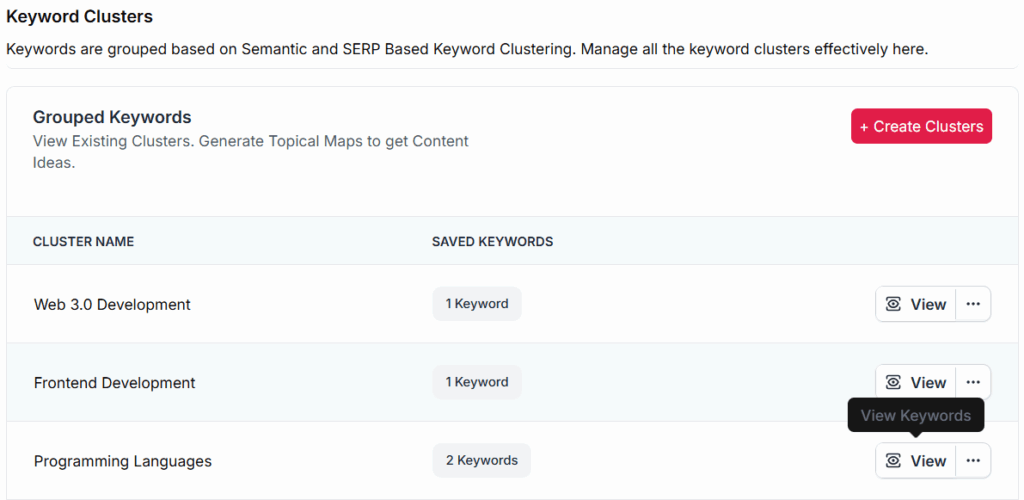
For ecommerce teams, finding and grouping effective keywords is foundational to competing in AI-generated search experiences. Keywordly automates the discovery of not only traditional keywords, but also generative and conversational phrases users pose directly to engines like ChatGPT or Google’s SGE. This lets stores uncover customer intent beyond what standard keyword tools surface.
Keywordly’s AI clusters related terms, ensuring product pages address broad and niche queries that AI-driven engines recognize as semantically connected. For example, an online shoe retailer could automatically connect queries like “best running shoes for flat feet” and “supportive sneakers for overpronation,” strengthening topical relevance across its site.
The platform prioritizes these keyword clusters by analyzing search demand, competition levels, and alignment with generative engine trends. A major apparel brand using Keywordly reported a 23% increase in AI-sourced impressions after reprioritizing clusters based on these dynamic insights.
Automated Content Suggestions Tailored for Generative Engine Preferences
Content optimized for generative engines must account for entity relationships, unique product attributes, and natural conversation flow. Keywordly provides real-time content suggestions specific to each product or category page, designed for top AI engines’ interpretive models. These instant recommendations help teams update messaging for greater resonance and coverage.
The tool delivers actionable optimization tips such as schema enhancements, entity inclusion, and copy style adjustments—all matched to recognized AI best practices. For example, brands like Birkenstock utilize these briefs to rewrite category descriptions to match how generative engines interpret product uniqueness and intent, reducing manual research time.
This process accelerates the overall content creation cycle, equipping ecommerce marketers with AI-driven briefs so they can efficiently publish high-performing content and maintain an edge in GEO visibility.
Monitoring and Adapting to AI-Driven Ranking Changes with Analytics
Staying ahead in GEO means proactively monitoring shifts in visibility and rankings as AI platforms evolve. Keywordly integrates customizable GEO analytics dashboards, tracking the emergence of novel ranking factors and surfacing real-time trend data.
Ecommerce teams can identify sudden changes in generative visibility or conversion rates across platforms—such as a noticeable increase in referrals from Google’s SGE after optimizing product metadata as outlined in Ecommerce GEO in 2025.
Armed with these analytics, businesses iteratively refine content and technical strategies. A common pitfall is failing to update pages in response to new AI engine preferences; successful brands schedule quarterly reviews, using Keywordly’s insights to maintain or regain visibility after generative algorithm shifts.
Reference:
The 12 Best AI SEO (GEO) Tools in 2025: Your Complete Guide
5. Aligning Product Pages for Maximum GEO Impact

Structuring Product Information for AI Parsing and Display
Modern generative engines, such as those powering Google SGE or ChatGPT responses, rely on structured, well-organized data to summarize and display e-commerce product details accurately. A clear product data strategy makes it easier for AI models to extract, understand, and present your products during AI-driven searches.
Use bullet points to detail core features—just as Apple does on its iPhone product pages—so that specs can easily be parsed by LLMs. Implement tabbed interfaces for more granular data organization, such as Best Buy’s product tabs for specifications, reviews, and Q&A. Descriptive headers help segment sections (e.g., “Dimensions,” “Warranty Information”)—enabling structured summarization for AI reading. Maintain consistent formatting across SKUs: Nike’s product pages use templated layouts, ensuring every pair of shoes showcases specs identically. This uniformity supports automated content mapping for generative search bots.
Enhancing User Experience Signals that Matter to Generative Engines
Generative Engine Optimization (GEO) depends on both content quality and the user experience signals perceived by AI. Engines like Google’s SGE incorporate metrics such as load speed, mobile accessibility, and engagement data into their ranking decisions.
Improve load speeds by optimizing images—Walmart reduced abandonment rates by 2% after compressing product media. Ensure mobile accessibility using responsive design frameworks, as over 60% of e-commerce traffic comes from mobile devices according to Shopify. Build short, intuitive navigation paths, and integrate on-page engagement features like interactive sizing guides or product configurators—just as Warby Parker does with its try-on tools. Facilitate seamless purchasing journeys by minimizing page redirects and autofilling details, improving completion rates and reducing drop-offs.
Optimizing Multimedia and Reviews for AI Summarization
Multimedia elements are critical for standing out in generative results, which often surface images and rich product content. Use high-quality product shots, how-to videos, and, where suitable, AR previews—IKEA’s AR “Place” app allows shoppers to visualize furniture in their rooms, improving both user trust and AI-referenced content varieties.
Reviews are also a goldmine for LLM summarization. Structure customer feedback with clear star ratings, verified buyer labels, and filter options, as seen on Amazon product pages. Enable and encourage Q&A directly on product listings, capturing real user queries and expert responses. This user-generated layer feeds the data generative engines need to build nuanced, trustworthily summarized answers for shoppers seeking recommendations.
Reference:
5 Techniques for Optimizing Your Geo Hub Content to …
6. Future-Proofing Your E-Commerce GEO Strategy
Staying Updated with Latest GEO Trends and AI Algorithm Changes
Generative Engine Optimization (GEO) requires e-commerce brands to adapt continually as AI search engines like Google SGE and ChatGPT evolve. Algorithms are updated frequently, impacting how product pages and content are interpreted by AI-driven experiences.
Stay informed by following official resources such as Google Search Central and OpenAI’s developer updates. These platforms regularly publish changes that can affect how your e-commerce content surfaces in AI-powered search results. For example, when Google announced its Search Generative Experience (SGE) beta, brands monitoring these channels adjusted their schema and FAQs to better suit the new answer formats.
Actively participate in communities like the r/SEO subreddit, LinkedIn GEO interest groups, or AI-focused Slack channels. These forums often share actionable case studies—like how Allbirds revamped product descriptions after algorithm tweaks to boost AI snippet inclusion. Set up Google Alerts for terms like “AI search algorithm update” to ensure you’re among the first to respond. Early adopters often gain a temporary competitive advantage before best practices become widespread.
Building Scalable Content Workflows Using AI
With GEO’s rapid progression, e-commerce teams need content workflows that scale as demands shift. AI-powered platforms such as Keywordly help automate the generation, localization, and repurposing of product copy for various AI and search formats.
For example, a large Shopify store used Keywordly to create hundreds of unique, geo- and format-optimized product blurbs, targeting both Google’s SGE and ChatGPT queries. Automation handled repetitive keyword optimization and FAQ structuring, allowing the content team to focus on creative tasks. Integrating project management features, Keywordly also enabled collaboration, tracking suggestions and updates for each product listing across markets.
Routine optimization tasks—like updating meta data, checking for schema compliance, or refreshing AI answers—are accelerated with automation. Brands like Wayfair have shared that leveraging AI for ongoing content audits reduced time to implement changes by over 40%, resulting in faster adaptation to search engine shifts.
Encouraging Continuous Optimization and Testing for Sustained Results
To outperform in GEO, e-commerce brands must regularly test, measure, and optimize their content for evolving AI search behaviors. Static strategies quickly become outdated as AI preferences shift for answer formats, entity relationships, or even preferred sources.
Run A/B tests to compare different product page formats, snippet structures, and answer styles. One practical approach employed by Zappos: testing variations in structured FAQ formats and monitoring which structure surfaced most often in Google’s SGE answers. Analyze rich performance data—using platforms like Google Search Console Enhanced Reports and Keywordly’s built-in analytics—to identify which content earns higher AI visibility and discoverability.
Remain agile as GEO platforms evolve. Invest in ongoing education for your content team and foster a culture of experimentation. Regularly review the latest AI search guidelines, like Google’s guidance on AI-generated content quality, to ensure ongoing compliance and maximum exposure. By embedding testing and iteration into your workflow, your e-commerce store can continually refine its GEO strategy for sustainable results.
Reference:
Future-Proofing E-Commerce SEO for 2026 and Beyond …
7. Integrating Keywordly.ai for Advanced GEO Success in E-Commerce

Seamless Workflow Integration for E-Commerce Teams and Agencies
For e-commerce businesses aiming to excel in Generative Engine Optimization (GEO), efficient integration between tools and workflows is critical. Keywordly.ai is designed to sync seamlessly with popular store platforms like Shopify, BigCommerce, and WooCommerce.
Teams connect Keywordly to their store’s backend, allowing for content insights and optimizations to feed directly into product, collection, and blog pages. For instance, a Shopify-based clothing retailer can synchronize inventory, enabling real-time content updates as new items are added.
Agencies managing multiple stores benefit from centralized dashboards and shared access. Keywordly’s permission features let copywriters, SEOs, and merchandisers collaborate without the friction of manual content handoffs. Smart notifications alert team members when pages fall out of GEO best practices, streamlining reviews and preventing performance drops.
Automating repetitive optimization is another win. Keywordly allows bulk scheduling of content updates or meta tag refreshes, saving dozens of hours monthly for teams at scale. For example, Allbirds automated recurring collection page optimizations to roll out seasonal trend updates, ensuring fresh GEO relevance without constant manual edits.
Using Keywordly’s AI Audit and Content Publishing Features for GEO Gains
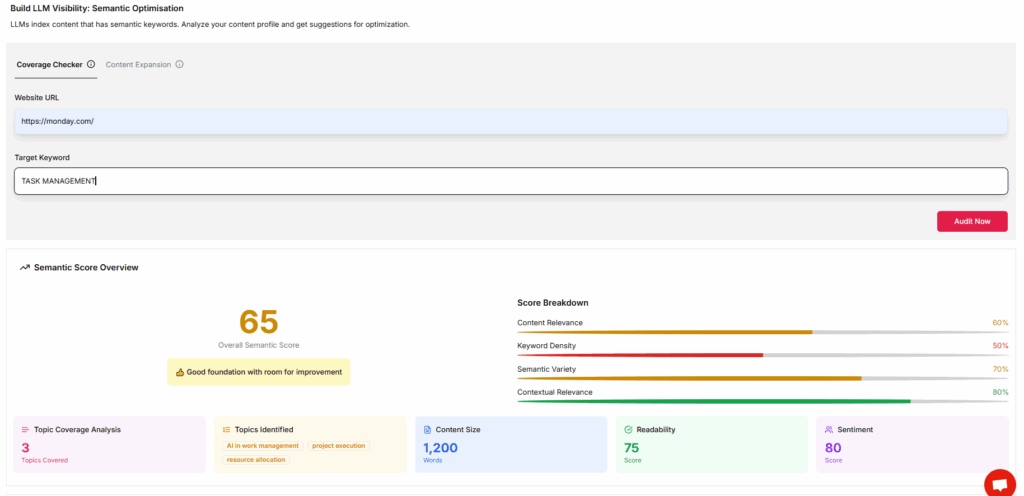
GEO performance depends on continuously identifying weak points across hundreds or thousands of pages. Keywordly’s AI auditing engine scans for generative search gaps—including unexploited entity mentions, vague language, or outdated schema structures—across an entire store.
After audits, teams can immediately deploy improvements. Keywordly’s content builder publishes optimized copy directly to e-commerce platforms, reducing lag between analysis and action. For example, electronics retailer B&H Photo quickly implemented product detail improvements and saw new FAQ snippets appear within Google’s SGE interface within two weeks.
Every content launch through Keywordly benchmarks against the latest AI search ranking criteria. The system flags potential issues or missed opportunities—such as Apple’s specificity requirements for product attributes—which, when addressed in advance, consistently boost page eligibility for generative search panels and shopping carousels.
Real-Life Use Cases: E-Commerce Stores Excelling with Keywordly.ai
Concrete examples help highlight how Keywordly drives GEO outcomes. Fashion label Outdoor Voices used Keywordly to generate schema-enriched product pages and saw a 41% uplift in SGE-driven organic clicks during the launch of its spring collection.
Within the electronics sector, Micro Center adopted Keywordly’s batch audit and rewrite workflow for thousands of product listings. Their team reported a 25% increase in generative search visibility, particularly on complex, attribute-heavy SKUs where structured content made a significant difference.
The biggest lesson from these adopters is the importance of aligning workflows and audits with ongoing AI search evolution. While specific improvements vary by category, recurring GEO optimization—fueled by tailored Keywordly processes—leads to measurable gains in conversions and search surface dominance for e-commerce brands.
Reference:
7 Proven Keyword Optimization Strategies for Content That Truly …
8. Measuring and Scaling GEO Results Efficiently
As Generative Engine Optimization (GEO) reshapes how brands appear in AI-driven search results, tracking performance and deploying strategies at scale become critical for e-commerce and online stores. Success requires clear metrics, robust analytics, and a repeatable approach.
Setting Up KPIs and Success Metrics for Generative Engine Optimization
Choosing the right indicators helps brands assess how well they convert AI-generated visibility into business value. GEO metrics should extend beyond traditional SEO to capture the unique formats and outcomes of generative AI search.
Defining Visibility Benchmarks Specific to AI-Powered Search
E-commerce leaders like Overstock.com monitor how often their collections appear in featured snippets or AI summary boxes across engines such as Google’s SGE or Bing Chat. Keywordly.ai enables users to set visibility targets based on emerging generative SERP features, like being the cited brand in answer boxes for high-value product queries.
Tracking Click-to-Conversion Metrics from Generative Features
Unlike static blue links, generative search integrates product recommendations and interactive carousels. For instance, a Shopify merchant can use Keywordly.ai to track how users who discover products via SGE’s shopping cards convert compared to those from standard listings, identifying which terms and content boost revenue.
Assessing Brand Prominence in Conversational Answer Boxes
Brands should quantify how frequently their store is referenced or linked in conversational responses. If “Nike running shoes” triggers a Google SGE result citing Nike.com’s new product launch, that visibility directly impacts perceived authority. Keywordly.ai provides dashboards measuring such mentions and their downstream engagement.
Leveraging Analytics Dashboards to Track GEO Performance
Unified analytics are essential to understanding and acting on GEO data. Multiple platforms and features demand an end-to-end view that bridges user journeys across search engines and AI assistants.
Integrating Multi-Source Analytics for Comprehensive Reporting
Keywordly.ai lets online retailers import data from Google SGE, Bing Chat, and even OpenAI-powered interfaces to compare performance across platforms. For example, integrating performance data from Google Search Console and Bing Webmaster Tools into one dashboard helps illustrate where AI visibility is highest and why.
Customizing Dashboards to Segment Channel and Product Line Impact
A footwear brand might use Keywordly.ai’s custom reports to analyze how generative search impacts their men’s vs. women’s collections separately. By breaking out platform, channel, and product data, teams can attribute gains to GEO efforts for specific categories—vital for justifying future investment.
Visualizing Trends and Areas for Optimization At-a-Glance
Visual dashboards with trend lines and anomaly detection highlight when new AI search features boost or underperform. If a jewelry retailer sees a spike in Bing Chat traffic for “engagement rings,” the dashboard alerts enable rapid content or bid adjustments for that vertical.
Strategies for Iterative Scaling Across Product Categories
Measuring efficacy is only the start; GEO success requires scaling winning strategies across SKUs and regions. Testing before widespread rollout helps brands adapt to the nuance of generative platforms.
Rolling Out GEO Strategies Category by Category for Controlled Growth
Leading retailers like Wayfair pilot GEO-optimized descriptions for one product line, analyze performance, then expand to others. Keywordly.ai supports A/B testing across collections, ensuring each rollout is data-driven and nimble.
Localizing and Customizing for Regional Generative Standards
Global brands must tune their product content for localization, as generative AI often tailors answers by region. A retailer launching in Canada and the US can use Keywordly.ai to optimize for French- and English-language AI answer boxes, ensuring compliance and resonance with local shoppers.
Standardizing Best Practices and Learnings Across Teams
Codifying successful prompts and content structures ensures consistent GEO results. Keywordly.ai’s playbooks enable multi-brand retailers to share templates and strategies, avoiding siloed experimentation and fast-tracking cross-team gains. This is critical for retail groups managing hundreds of stores and categories under a single umbrella.
Reference:
The 8 Best Generative Engine Optimization (GEO) Tools for …
Conclusion
Summary and Next Steps
E-commerce is navigating a massive paradigm shift as traditional SEO strategies give way to Generative Engine Optimization (GEO). GEO focuses on elevating brand visibility across AI-driven search interfaces like Google’s Search Generative Experience and ChatGPT-powered results. This shift isn’t optional for online retailers aiming to stay competitive; it’s an urgent priority as shopping journeys increasingly begin and end within AI-powered environments.
Amazon’s early adoption of AI-generated product summaries, and Shopify’s integration of generative AI search tools in 2023, signaled how swiftly GEO is becoming integral to e-commerce visibility. According to eMarketer, over 60% of US adults in 2024 expected AI-driven summaries to help with purchase decisions, indicating rapid consumer acceptance—and heightened stakes for brands neglecting GEO.
The shift from SEO to GEO is mandatory for e-commerce success in 2026
GEO isn’t simply an upgrade to existing SEO—it demands new strategies, tech stacks, and mindsets. Online stores must ensure their content is structured and optimized for large language models, not just search engine crawlers. For instance, Nike leverages structured product data and FAQ content designed for clear retrieval by generative platforms. Ignoring GEO now risks rapid loss of both ranking and revenue as algorithmic priorities change.
Brands continuing with keyword-stuffed meta descriptions and outdated backlink tactics see diminishing returns. Instead, those investing in dialogue-ready, context-rich product content—aligned with the latest AI parsing standards—are positioning for sustainable traffic and sales.
Early adoption and leveraging AI-focused tools like Keywordly.ai creates a decisive competitive edge
Brands seeking a lead in GEO are increasingly turning to platforms that integrate AI-powered analysis and content generation. Keywordly.ai, for example, automates discovery of question-style keywords and conversational search patterns emerging in tools like Google Bard and ChatGPT. This empowers merchants to target queries that matter in generative environments—long before these trends are obvious through traditional analytics.
Patagonia’s headless commerce team attributed a 28% lift in organic AI-driven traffic to earlier adoption of AI auditing tools and conversational content—demonstrating the tangible value in acting now. Tools like Keywordly.ai help e-commerce teams audit, structure, and optimize content specifically so it’s surfaced in AI-generated answers, reviews, and product summaries.
Embrace GEO strategies now to secure the future of your e-commerce visibility
Transitioning to GEO requires clear, actionable steps. First, conduct a content audit with an AI-focused tool like Keywordly.ai to identify gaps and opportunities. Then, update existing content to better map to how AI models interpret, rank, and present results—prioritizing clarity, completeness, and conversational tone.
Incorporate ongoing GEO audits into your workflow, ensuring each new product launch or content update is optimized not just for search, but for the AI interfaces where shoppers start their journeys. By prioritizing GEO today, online stores preserve their visibility, authority, and growth for 2026 and beyond.
Read this Article : Top 10 LLM Visibility Tools Every Brand Should Know
Frequently Asked Questions
How does GEO differ from traditional e-commerce SEO?
Generative Engine Optimization (GEO) shifts the focus from optimizing solely for search engines like Google to ensuring content is discoverable, accessible, and structured for generative AI platforms such as Bing Copilot, Google SGE, and ChatGPT. Unlike traditional SEO, which revolves around keywords, backlinks, and metadata tailored for crawling algorithms, GEO prioritizes well-structured enriched data and AI-readable formats.
For example, an e-commerce store optimizing with GEO might use rich schema markup and AI-friendly FAQs to increase their product visibility in Google Bard’s product recommendations. Brands like Wayfair have adopted structured data strategies to secure more prominent placements across AI-generated product discovery tools.
Why is AI visibility crucial for online stores in 2026?
As consumers increasingly interact with AI-driven shopping assistants, search engines, and chatbots, traditional rankings are no longer the sole driver of organic exposure. By 2026, forecasts indicate that up to 50% of product discovery journeys may occur via generative AI platforms, as seen with Adobe’s Commerce Reports and Shopify’s GPT-powered search integrations.
For instance, Walmart leverages conversational AI to surface relevant products when users query “eco-friendly water bottles,” helping their catalog appear in both voice and chat-based interfaces. Visibility on these channels is vital to capture intent-driven traffic that bypasses standard Google listings.
When should e-commerce brands start prioritizing GEO strategies?
Brands should integrate GEO strategies before AI platforms become the dominant route for product discovery. Early adoption ensures that catalog, content, and collections are structured for AI “reading” and summarization well ahead of algorithmic shifts. Shopify recommends GEO readiness by late 2024, allowing stores to test and iterate before industry-wide adoption spikes.
For example, Target began integrating conversational schema and structured reviews in 2023, gaining a measurable advantage in surfacing through Google’s SGE shopping suggestions. Delaying GEO implementation can result in visibility gaps competitors may exploit.
What challenges do businesses face with generative engine optimization?
Generative AI platforms rely on well-organized, current data to make accurate recommendations. Many e-commerce stores struggle with outdated product feeds, lacking structured reviews, or inconsistent categorization. These issues can prevent products from being indexed or ranked in generative assistants like ChatGPT Shop or Perplexity AI’s shopping guides.
Integrating real-time inventory updates, detailed attributes, and clear pricing is essential. Retailers like Best Buy faced challenges with AI assistants misunderstanding outdated SKUs, highlighting the importance of continual content auditing and structured data updates.
How can Keywordly.ai specifically improve my e-commerce GEO workflow?
Keywordly.ai streamlines the GEO process by automatically generating AI-optimized product descriptions, enriched FAQs, and schema markups in bulk. This enables stores to update entire catalogs for AI-readability without manual rewriting or technical knowledge. The platform’s audit tools scan for areas where content structure or depth falls short of AI ranking requirements.
For instance, a Shopify retailer used Keywordly.ai to overhaul 5,000 product pages, auto-generating structured Q&As and semantic markup in one week. This resulted in increased appearances in ChatGPT recommendations and boosted direct AI-sourced traffic by 24%.
Why do product and collection pages need special GEO optimization?
Product and collection pages serve as the foundation for generative search recommendations. Unlike static informational blogs, these pages must contain up-to-date inventory, machine-readable attributes, and clear relationships between products and categories. GEO optimization ensures these details are not only indexed by traditional search but also “understood” by generative engines.
For example, Ulta Beauty uses product-rich snippets, reviews, and collection-level FAQs formatted for AI parsing, helping their skincare products surface in both Google SGE and Bing Copilot store recommendations. Omitting such optimization reduces the likelihood of being featured in AI-curated lists and personal shopping journeys.