
Picture a company investing countless hours into crafting insightful blogs and engaging videos—only to watch them linger in online obscurity. Despite their expertise and effort, their audience never quite grows, traffic stalls, and competitors surge ahead. At the heart of this missed opportunity lies a disconnect between content creation and purposeful SEO.
Strategically weaving SEO into the fabric of content planning turns invisible assets into discoverable, high-impact resources. Readers here will unlock frameworks for aligning keyword research with audience intent, discover the latest search trends, and understand how to measure true content performance. While impactful content isn’t built overnight, grasping the synergy between SEO techniques and tailored messaging can transform online visibility and turn quiet corners of the web into thriving destinations.
In a digital world where content is king, SEO is the crown that determines who sits on the throne. At Keywordly, we believe a content strategy without SEO is like building a cathedral in the desert—impressive, but invisible.
Reference:
A creator’s guide to SEO content strategy
Understanding SEO Content Strategy: Foundations for Success
What is SEO content strategy?
An SEO content strategy is the process of planning, creating, optimizing, and distributing content that aligns with search intent while supporting long-term business goals through organic search visibility.
SEO and content strategy work best when they are aligned—content strategy defines what you publish, while SEO determines how that content is discovered.
The fundamental difference between traditional content and SEO-focused content lies in planning and intent. Traditional content often starts with topics driven by brand objectives or creativity, while SEO content begins with keyword research, competition analysis, and a technical understanding of what search engines value. For example, Moz’s popular “Beginner’s Guide to SEO” is meticulously structured around high-traffic search queries, demonstrating how strategic keyword selection and user intent fuel its ongoing success.
Every digital business, from SaaS platforms like HubSpot to high-volume publishers like Investopedia, now incorporates dedicated SEO roles. These professionals analyze intent data, coordinate with writers, and use advanced tools like Semrush or Ahrefs to ensure new content fills market gaps and sustains long-term performance. HubSpot attributed a 40% increase in its organic blog traffic between 2018 and 2020 to a renewed SEO content strategy.
The Impact of Search Intent
Search intent refers to the underlying reason a user types a particular query into Google or Bing—whether they’re seeking information, looking to make a purchase, or wanting to solve a problem. Understanding and addressing search intent is foundational to any effective SEO content strategy because it ensures the content meets both the audience’s needs and Google’s ranking criteria.
For example, when Backlinko optimized their “SEO Techniques” guide by focusing on actionable strategies (rather than just theoretical discussion), they matched both informational and transactional search intent. This approach contributed to the guide ranking in the top three for over 20 high-intent keywords and driving thousands of qualified leads per month.
Aligning content with specific intent—such as using “best headphones under $100” for comparison shoppers or “how to start a podcast” for beginners—improves relevance, user engagement, and search rankings. Tools like Google’s Search Quality Evaluator Guidelines and Ahrefs’ Keyword Explorer help professionals distinguish between informational, navigational, commercial, and transactional intent, allowing precise targeting in content planning.
How to Build an SEO-Driven Content Strategy
SEO Across the Content Strategy
An effective content strategy SEO approach ensures every piece of content is keyword-mapped, intent-focused, and optimized to rank, convert, and retain users.
SEO is most effective when it’s woven into every phase of the content lifecycle, not simply bolted on at the end. Integrating SEO from strategy to post-publication ensures that content attracts, engages, and retains the right audience. This structured approach leads to better rankings, higher organic traffic, and measurable business outcomes.
Why SEO and Content Strategy Must Work Together
Treating content strategy and SEO as separate efforts often leads to traffic without conversions or content that never ranks.
Incorporating SEO tactics into planning, drafting, publishing, and updating content ensures consistency and impact. For instance, HubSpot’s inbound marketing methodology starts with keyword research during topic ideation, applies on-page optimization throughout drafting, and continues with performance monitoring after launch. This full-cycle strategy contributed to their growth in organic search traffic by over 50% within a single year.
SEO Considerations in Topic Ideation and Research
Factoring search demand and intent early in ideation can dramatically raise content’s potential. Tools such as Ahrefs and SEMrush help identify keyword opportunities and competitor gaps. For example, Backlinko’s detailed skyscraper technique relies on analyzing top-ranking pages before even outlining new content, resulting in highly-targeted articles that rank for dozens of long-tail search terms.
Optimizing Content Drafts for Search Visibility
During drafting, writers must naturally integrate primary and secondary keywords, optimize H2s/H3s, and use internal links. A noted example comes from the SEO software company Moz, which achieved a sustained ranking for competitive terms like “domain authority” by consistently using structured headings, concise meta descriptions, and schema markup in their draft process.
These elements help readers and crawlers alike navigate content efficiently, directly improving dwell time and reducing bounce rates.
“Content is still king, but context is queen.” — David Lee
Continuous SEO Improvements Post-Publication
The SEO journey doesn’t end at publication—ongoing optimization is critical. Refreshing historical content with new data, links, and multimedia led one site, Express Writers, to achieve a 260% increase in organic traffic within 90 days. According to the roundup of 19 SEO case studies to improve your strategy in 2025, regular updates and experimentation are hallmarks of high-performing content strategies.
Keyword Research and Mapping for Strategic Content Development

Effective Keyword Strategy
Developing a targeted keyword strategy is foundational for any content initiative with SEO ambitions. Identifying which search queries drive the most value demands both data-driven analysis and an understanding of your audience’s intent. Real-world success stories illustrate how pinpointing high-intent keywords can make a measurable difference in traffic and conversions.
“If you have more money than brains, you should focus on outbound marketing. If you have more brains than money, you should focus on inbound marketing.” — Guy Kawasaki, emphasizing strategic, organic content focus.
Identifying High-Value Keywords for Your Audience
Determining high-value keywords starts with thorough research using platforms like SEMrush and Ahrefs. Amazon increased their organic search traffic after analyzing buying intent behind searches such as “wireless headphones under $100,” targeting both the product and price sensitivity. This approach led them to content creation that addressed specific customer needs rather than generic topics.
Using metrics like search volume, keyword difficulty, and conversion rate data helps prioritize opportunities. For example, Zapier’s blog team regularly audits Google Search Console to identify rising long-tail queries and then crafts posts tailored to those terms, resulting in measurable organic growth over time.
Using Keyword Mapping to Organize Your Content Plan
Keyword mapping assigns target keywords to specific pages or topics, ensuring your content plan aligns with both audience needs and site structure. Moz details how they mapped terms like “SEO basics” to educational guides and “local SEO tips” to actionable blog posts, helping maximize ranking potential for each topic.
This method not only aids in content organization but also helps teams avoid covering the same topic across multiple assets, which dilutes potential ranking power.
Incorporating SEO-Driven Keywords for Maximum Impact
Incorporating SEO-driven keywords requires seamless integration that feels natural to the reader. Shopify’s content team, for instance, routinely updates their high-performing guides—like their “Start a Dropshipping Business” page—to weave in new variations and questions identified through Google’s “People also ask.”
This strategy not only keeps the content fresh but also allows Shopify to cover an array of related long-tail keywords, strengthening topical authority and capturing broader search intent.
Avoiding Keyword Cannibalization and Overlap
Keyword cannibalization occurs when multiple pages target the same keyword, causing them to compete against each other in search rankings. HubSpot tackled this by consolidating dozens of blog posts about “email marketing tips” into a comprehensive, updated guide, which resulted in a 25% traffic boost to the consolidated resource.
Routine content audits using tools like Screaming Frog or Sitebulb can reveal overlapping topics, allowing teams to merge, redirect, or update content and maintain clear keyword focus for each page. This not only maximizes ranking potential but also improves user experience and site clarity.
Reference:
How to Create a Successful Keyword Mapping Strategy
Read this Article: What Is Keyword Research? Basics and Step-by-Step Process
Content Creation Best Practices for SEO-Driven Success
SEO-Optimized Content Creation
Creating content that ranks well in search engines requires a strategic approach that balances technical optimization with engaging storytelling. Expert SEO professionals and agencies emphasize tactics that attract both algorithms and human readers. Drawing on lessons from recent SEO case studies, here’s how leading brands turn quality content into sustainable growth.
“Focus on attracting relevant traffic that converts.” — Sarah Williams
Crafting Compelling Headlines with SEO in Mind
Headline optimization isn’t just about cramming in keywords—it’s about addressing user intent in a way that piques curiosity and delivers clarity. A headline like “How Zapier Increased Organic Traffic by 70% in Six Months” captures both the subject and a striking result, signaling value to users and search engines alike.
BuzzFeed exemplifies this with its mix of curiosity-driven and keyword-optimized headlines, helping it consistently earn featured snippets. Integrating primary keywords near the front of your title tag increases click-through rates, as confirmed in multiple industry reports.
Balancing Readability with Search Optimization
Readability is often the difference between content that converts and content users abandon. Tools like Hemingway Editor and Yoast SEO help content creators maintain a reading grade level accessible to a broad audience while layering in target keywords naturally. For example, Backlinko’s actionable guides break complex SEO processes into concise, bulleted steps, improving engagement and dwell time.
When rewriting for clarity, remember that Google’s algorithms increasingly prioritize user experience—well-structured, scannable content not only pleases readers but also enhances rankings.
Structuring Posts for Featured Snippets and SERP Enhancements
Featured snippets have become prime real estate in search results, offering direct answers at the top of the page. Marketers at HubSpot secured multiple snippet positions by structuring their content into succinct lists or clear Q&A sections. The use of ordered lists and tables for answers, definitions, or step-by-step instructions is highly effective for voice search and snippet capture.
For example, a guide on “On-Page SEO Checklist” can utilize bullet points, numbered lists, and short introductory summaries to improve chances of being pulled into Google’s rich snippets.
Using Images, Videos, and Multimedia to Improve Rankings
Visual content isn’t just for aesthetics—it plays a measurable role in improving SEO outcomes. As demonstrated in one of the most successful SEO case studies to improve your strategy, integrating original infographics can increase backlink acquisition by up to 178% in certain campaigns.
Websites like Moz and Neil Patel use video explainers and interactive tools to keep visitors engaged, lower bounce rates, and foster brand authority—all factors Google considers in its ranking algorithms. Compressing images for fast load times and ensuring proper alt text for accessibility remain critical technical best practices.
Reference:
SEO Content Optimization Best Practices Overview
Read this Article: AI Content Writing: 5 Proven Steps to Create High-Quality Content
On-Page SEO Techniques to Optimize Every Piece of Content
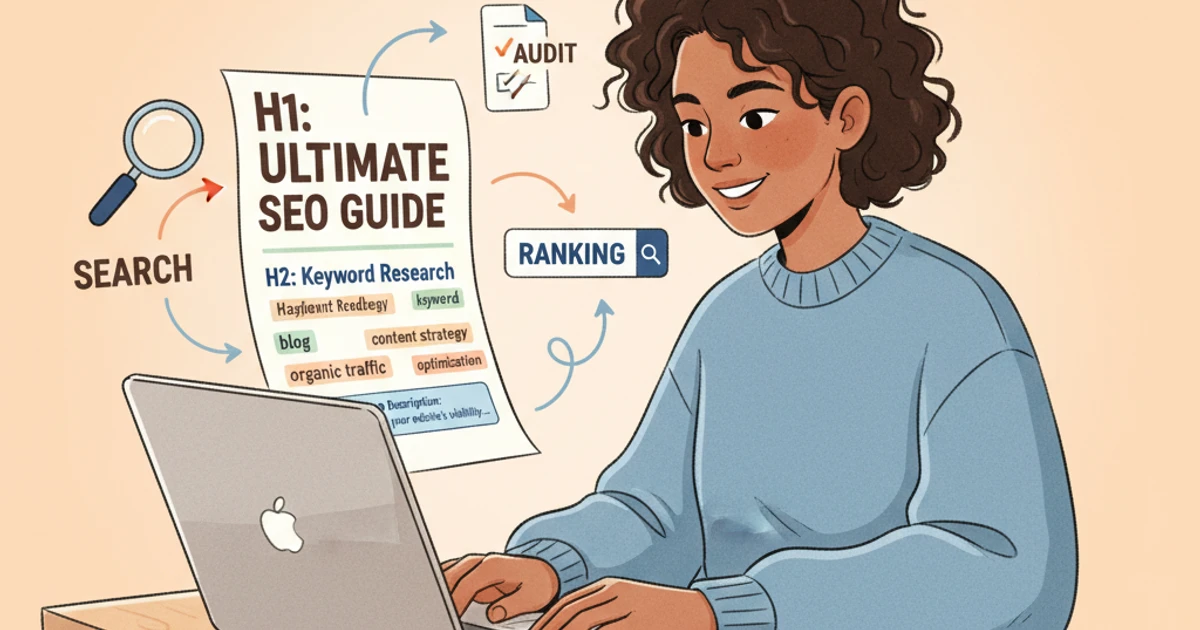
Fundamental On-Page Optimization
Consistently optimizing your website’s core on-page elements lays the foundation for better search rankings and a stronger user experience. Focusing on key factors such as metadata, linking strategies, structured data, and site performance ensures every piece of content has maximum visibility and engagement in search engines like Google.
Optimizing Meta Titles and Descriptions for CTR
Meta titles and descriptions serve as the first impression for searchers on results pages. The copy must be compelling, accurately describe your page’s topic, and include key target phrases. For example, HubSpot improved their organic click-through rates by 10% after conducting A/B testing on meta descriptions, making them more actionable and aligned with user intent.
Incorporating power words and clear value propositions can distinguish your listings in crowded SERPs. Tools such as SEMrush and Ahrefs let you analyze competitor meta copy to identify gaps and optimize your snippets for increased clicks.
Creating Effective Internal and External Linking Structures
Establishing a logical internal linking hierarchy helps search engines understand topical relationships between your content. For instance, Wikipedia’s extensive cross-linking model aids in both user navigation and search performance. Linking to authoritative external sources, such as government data or research studies, enhances credibility. Moz found that integrating relevant outbound links increased trust and user engagement, which can indirectly benefit SEO.
Regular audits using tools like Screaming Frog can help ensure no broken or orphaned pages disrupt the internal link ecosystem on your site.
Utilizing Schema Markup and Rich Snippets
Implementing schema.org structured data allows your content to qualify for rich results like FAQ accordions, reviews, and ratings. For example, Recipe websites that adopted Recipe Schema saw an increase in visibility through image-rich cards and step-by-step instructions on Google’s search results. A 2021 Search Engine Journal report found that pages with rich snippets earned up to 30% higher click-through rates than those without.
Deploying schema is straightforward with plugins like Yoast SEO for WordPress or Google’s Structured Data Markup Helper.
Improving Page Speed and User Experience for SEO
Google’s Core Web Vitals underscore the importance of fast-loading, interactive pages. Amazon estimated that a mere one-second delay in page load could cost $1.6 billion in annual sales, highlighting the business impact of speed. Compressing images, leveraging browser caching, and minimizing heavy scripts are proven methods to boost load times.
Optimizing for mobile responsiveness, clear navigation, and uncluttered layouts also enhances user satisfaction. Pagespeed Insights and GTmetrix provide actionable recommendations tailored to your website’s unique bottlenecks.
Reference:
On-Page SEO Techniques for Measurable Growth
Building Authoritativeness and Trust With Content SEO Role
Establishing Authority and Credibility
Search engines and users alike are more likely to engage with content that demonstrates genuine authority and trust. Building this reputation means going beyond keyword optimization to show deep knowledge and consistent reliability on your website. Several actionable strategies can help achieve this recognition.
Establishing Topical Authority in Your Niche
Focusing your content around tightly defined topics helps develop perceived expertise in your sector. For example, HubSpot became an industry leader in inbound marketing by publishing dozens of comprehensive guides, whitepapers, and blog posts on topics like lead generation, content strategy, and email marketing. Their extensive library consistently addresses user questions, establishing them as a trusted resource in digital marketing circles.
Creating topic clusters—a core pillar page linking out to multiple related articles—can further reinforce authority. Tools such as SEMrush’s Topic Research assist in identifying niche themes and related queries, ensuring thorough topical coverage.
Showcasing Expertise and Author Credentials
Demonstrating expertise with visible author bios increases credibility. Sites like Healthline and WebMD prominently feature the credentials of their medical writers, often including a brief biography, professional experience, and relevant certifications. This transparency reassures users that content comes from qualified experts rather than anonymous or unverified sources.
Adding links to external profiles — such as LinkedIn or scholarly articles — offers additional evidence of real-world authority, a practice encouraged by Google’s E-E-A-T (Experience, Expertise, Authoritativeness, Trustworthiness) guidelines.
Leveraging User Reviews and Testimonials
User-generated content, such as reviews or testimonials, strengthens perceived trustworthiness. For instance, Trustpilot hosts over 180 million reviews across businesses, and when companies such as Adobe and Shopify display these endorsements, it offers social proof for potential customers. Incorporating structured data for reviews also increases the likelihood of earning rich snippets in search results, further boosting visibility and trust.
Soliciting feedback via follow-up emails or integrating on-site review widgets can facilitate a consistent flow of fresh, authentic endorsements.
Maintaining Accuracy and Content Freshness
Regularly updating content is crucial for maintaining accuracy and SEO strength. Finance platform NerdWallet, for example, revisits articles on topics like best credit cards or home loans every few months to reflect new regulations, product launches, and rate changes. This active maintenance signals to search engines and users that your information can be relied upon over time.
Implementing a content audit schedule—using tools such as Screaming Frog or Google Search Console—can help identify outdated or underperforming pages, ensuring your site remains a trusted, relevant resource in your industry.
Reference:
Creating Helpful, Reliable, People-First Content
Measuring Success: Analytics and SEO Content Performance

Track and Optimize SEO Results
Regularly measuring your SEO content performance is essential for understanding what’s resonating with your audience and what needs refinement. For Indexly and many digital marketers, this process is the backbone of data-driven decision-making in content strategy.
Tracking Rankings, Traffic, and Engagement Metrics
Monitoring rankings for high-value keywords reveals how visible your content is in relevant searches. Tools like Ahrefs and SEMrush make it straightforward to track position changes for targeted terms. For example, Booking.com meticulously follows rankings for thousands of travel-related keywords to adjust their landing pages accordingly.
Website traffic and engagement metrics—such as bounce rate, average session duration, and pages per visit—can be assessed via Google Analytics. When HubSpot adjusted their blog structure in 2023, they saw a 25% increase in average session duration by continuously tracking and tweaking their content layout.
Setting up SEO-Driven Content KPIs
Defining specific KPIs aligns your SEO efforts with your overall business goals. These may include increasing organic sessions by a designated percentage, improving keyword rankings for core topics, or boosting the conversion rate on landing pages. For instance, Moz tracks KPIs like click-through rates from SERPs and conversion rates from organic leads to ensure their content supports sales outcomes.
Using Google Search Console and Analytics for Insights
Google Search Console (GSC) provides query-level data, impressions, and click performance, helping uncover opportunities and technical issues. Indexly frequently uses GSC to identify underperforming pages that have plenty of impressions but low click-through rates, signaling the need for improved meta descriptions or titles.
With Google Analytics, it’s possible to segment user data—for example, distinguishing between organic, paid, and referral traffic. In one campaign, Neil Patel’s agency leveraged Analytics to discover that blog traffic was converting 3x better than social media traffic, informing future content investments.
Iterating Content Strategy Based on Performance Data
An iterative strategy means using real performance insights to refine and redeploy your efforts. After analyzing their content with tools like Screaming Frog and Ahrefs, Shopify re-optimized outdated blog posts based on declining traffic trends, resulting in a 40% traffic recovery in six months.
This data-driven feedback loop allows businesses and agencies partnering with Indexly to avoid guesswork and ensure SEO content continues to drive measurable value.
Reference:
SEO Performance Metrics for Enterprise Success
Overcoming Challenges in SEO Content Integration
Removing Barriers to SEO Success
Integrating SEO best practices within content workflows is often impeded by organizational and technical roadblocks. Overcoming these obstacles demands collaboration, adaptability, and the willingness to leverage both established tools and emerging trends. Below, we explore practical ways to address critical challenges digital teams encounter in harmonizing SEO efforts with content strategies.
Bridging Silos Between SEO and Content Teams
Misalignment between SEO specialists and content creators can limit organic growth. When teams have disparate goals or communication gaps, content may rank poorly or fail to drive qualified traffic. To foster collaboration, organizations like HubSpot have implemented regular cross-department brainstorming sessions, resulting in an 80% increase in blog traffic over two years by aligning keyword research with the editorial calendar.
Using unified project management platforms, such as Asana or Trello, can also streamline workflows. Joint access to keyword documents and SEO briefs ensures that optimization is baked into content from inception to publication, not treated as an afterthought.
Navigating Algorithm Changes and Content Updates
Search engine algorithms are in constant flux, requiring ongoing vigilance. After Google’s 2023 Helpful Content Update, several publishers observed fluctuations in organic rankings, notably in the health and finance sectors, as explained by Search Engine Land. Webmasters at Investopedia responded by updating over 700 articles in three months, focusing on clarity and factual accuracy to recover lost visibility.
Monitoring Google Search Console and industry news allows teams to respond swiftly to updates, ensuring published content continues to meet ranking criteria. Creating a routine content review schedule can further buffer against the risk caused by unanticipated algorithm shifts.
Dealing with Duplicate Content and Thin Pages
Duplicate content issues often arise on large websites with overlapping product or service pages. eBay tackled this by consolidating thousands of similar listings and using canonical tags, which reduced index bloat and improved core keyword rankings by 15% over six months. It’s important to proactively audit content—tools like Screaming Frog or SEMrush can quickly flag duplicates or thin content for resolution.
Expanding thin pages with unique, value-driven information—such as detailed product specs or customer FAQs—helps capture additional long-tail queries and strengthens topical authority.
Adapting Strategy for Mobile and Voice Search Trends
With over 63% of global Google searches conducted via mobile devices (Statista, 2023), optimizing for mobile usability is no longer optional. Brands like Walmart have restructured site layouts for better mobile performance, resulting in a 2% increase in conversion rates. Simple measures—such as faster load times, intuitive navigation, and mobile-friendly formatting—directly impact both ranking and user experience.
For voice search, incorporating natural language queries and conversational keywords has allowed Home Depot to capture more “how-to” and instructional search traffic. Analyzing search intent and structuring content to answer spoken questions is now fundamental to long-term SEO strategy.
Reference:
Pressing SEO Challenges of 2026 and How To Overcome …
Future-Proofing Your SEO Content Strategy
Staying Ahead in SEO
SEO is constantly evolving, influenced by advancements in technology, changes to search engine algorithms, and shifts in user expectations. Keeping your strategy ahead of the curve requires deliberate action, not just optimization for what’s working today. Understanding emerging trends allows you to pivot before they’re mainstream, securing a competitive advantage.
Staying Ahead of Emerging SEO Trends
Anticipating the next shift in SEO often means monitoring updates from authoritative sources like Google’s Search Central blog or Search Engine Land. Analyzing recent rollouts—such as Google’s Helpful Content Update—offers insights into where search is headed, with a focus on satisfying user intent and content value over keyword stuffing.
Brands like HubSpot have stayed ahead by embracing topic clusters and pillar pages early, resulting in increased organic traffic and improved keyword rankings. According to HubSpot, implementing this strategy boosted their traffic by over 50% in under a year, demonstrating the impact of trend anticipation.
Leveraging AI and Automation in Content SEO Role
Artificial intelligence isn’t just a buzzword in content SEO—it’s reshaping how organizations produce, optimize, and analyze content. Tools like Clearscope and Surfer SEO leverage AI to help marketers identify relevant topics, optimize on-page factors, and streamline content creation workflows.
For example, The New York Times utilizes AI-driven content analysis to surface stories more likely to engage readers and rank well, resulting in improved session durations and reader retention rates.
Continuous Learning and Skill Development
SEO professionals who commit to learning new skills remain prepared for algorithm changes and evolving best practices. Free MOOCs such as Coursera’s Google SEO specialization or industry certifications from SEMrush Academy can keep you up to date with practical knowledge.
Participating in local SEO conferences—like MozCon or BrightonSEO—provides hands-on learning, networking, and exposure to the latest technologies and case studies. Many agencies credit ongoing professional development as a key driver behind sustained rankings.
Preparing for Next-Gen Search Experiences
Search is rapidly expanding beyond traditional text queries. Voice search, image recognition, and multimodal search—like Google Lens—require new content strategies and technical considerations. Adapting involves optimizing for featured snippets, natural language queries, and semantically rich content.
For instance, Domino’s has integrated voice ordering into its digital presence, capturing additional traffic from smart speakers. Starbucks’ investment in AR and mobile app features also exemplifies how adapting to new search experiences can support both discoverability and user engagement.
Reference:
How to future-proof your content and SEO strategy
Conclusion
Key Takeaways and Next Steps
An effective SEO content strategy is fundamental for sustained business growth. By developing content that aligns with user intent and harnesses the latest search engine algorithms, businesses can secure enhanced visibility, drive qualified traffic, and establish themselves as industry authorities. For example, companies like HubSpot and Ahrefs have built extensive organic reach by consistently delivering comprehensive, keyword-targeted content across their blogs and resource hubs.
Consistent integration of SEO-driven content provides measurable ROI over the long term. HubSpot reported a 55% increase in organic leads over 12 months after committing to a structured SEO content plan, illustrating how deliberate, data-based strategies outperform sporadic content production. Businesses that map topics to keyword opportunities, develop E-A-T (Expertise, Authoritativeness, Trustworthiness), and optimize for both desktop and mobile experience greater reach and engagement.
Recap of Why an SEO Content Strategy is Essential for Business Growth
An SEO content strategy offers more than just rankings—it fuels sustained discovery by your target audience. Nike’s Nike Journal has not only captured fitness-related keyword searches, but also expanded the brand’s digital presence by offering valuable stories and expert advice, driving traffic and reinforcing product demand.
Key Takeaways for Integrating SEO-Driven Content Effectively
Effective strategies involve:
- Regular keyword research using tools like SEMrush or Moz to identify search trends.
- Content audits to eliminate outdated or underperforming material, improving overall quality—as demonstrated by Backlinko, which pruned 30% of its articles and saw a notable boost in organic traffic.
- Structured internal linking to drive user flow and signal content authority.
Reinforcing SEO’s Role in Sustainable Digital Visibility
SEO ensures long-term discoverability in crowded digital markets. A case in point: The New York Times reported that ongoing SEO investments have been instrumental in maintaining their top positions for news-related queries despite algorithm changes, underscoring the value of consistency and technical optimization.
Encouragement to Audit and Evolve Your Content Strategy with Indexly
Continuous refinement is critical for sustained SEO performance. Conducting quarterly content audits, analyzing user behavior with advanced analytics, and evolving keyword targeting can keep your strategy aligned with shifting market demands. For businesses seeking an edge, Indexly provides comprehensive tools to monitor, benchmark, and enhance your content performance, supporting growth at every stage.
Read this Article: 10 Proven Ways to Create a Content Strategy Plan That Delivers Results
Frequently Asked Questions
Common SEO Content Strategy Questions
Understanding the nuances of SEO content strategy is essential for anyone looking to grow their online presence. Professionals in the field often ask targeted questions about how best to align content and SEO goals. Below, we address some of the most frequent inquiries with actionable insights and industry examples.
What is SEO content strategy?
SEO content strategy is a structured approach to creating content that targets search demand, satisfies user intent, and improves rankings while supporting business objectives.
How is content strategy SEO different from regular content planning?
Content strategy SEO integrates keyword research, SERP analysis, and performance tracking into the content planning process.
What is an SEO content strategy and why does my business need one?
An SEO content strategy is the planned deployment of web content—such as blogs, landing pages, and guides—that targets keywords to drive organic traffic and build authority. This approach helps brands expand their digital footprint and attract more qualified leads. For instance, HubSpot’s SEO-driven content helped them achieve over 7 million monthly visits, highlighting the compounding power of a strategic approach.
Businesses benefit from formal SEO content strategies by ensuring consistent messaging, better keyword targeting, and measurable ROI from organic search efforts.
How often should I update my content for optimal SEO results?
Content requires regular updates to stay competitive in search rankings. Google’s algorithm factors in content freshness, so revisiting content every 6-12 months is recommended for evergreen topics. Ahrefs found that updating old blog posts resulted in a 30% average traffic increase, which demonstrates tangible SEO gains from content refreshes.
Seasonal or news-driven content may need even more frequent updates to remain relevant and authoritative.
Can I integrate SEO into existing content, or do I need to start from scratch?
SEO improvements can often be made to existing content rather than starting anew. Auditing and optimizing high-performing articles—by revisiting keywords, adding internal links, and improving readability—drives results. Backlinko’s case study on republishing a single post led to a 260% increase in organic traffic.
Re-optimizing legacy pages typically offers quicker wins and less upfront effort than creating new content from the ground up.
What metrics should I track to measure content SEO performance?
Tracking the right metrics helps steer your SEO content strategy. Key performance indicators include organic traffic, bounce rate, average time on page, number of ranking keywords, and conversion rates. Tools like Google Analytics and SEMrush provide dashboards to monitor these metrics in detail.
For example, Moz tracks keyword ranking improvements and organic referral traffic to evaluate their blog’s content impact.
How can I balance user experience with keyword optimization?
Balancing user intent and keyword use ensures content is both discoverable and engaging. Use keywords naturally in context—avoid stuffing. Provide clear navigation, rich visuals, and comprehensible structure. For example, The New York Times uses targeted keywords but maintains a strong editorial voice and readability throughout its articles.
Focusing on searcher intent and employing tools like Clearscope or SurferSEO can help optimize for both SEO and user experience.
When should I seek professional help for my SEO content strategy?
Expert assistance is beneficial when in-house resources are limited, technical SEO becomes complex, or growth stalls despite regular efforts. For context, Shopify’s in-house team partnered with agencies for a site-wide content strategy overhaul, fueling immense organic growth.
Consider outside help if you’re undertaking site migrations, major rebrands, or need detailed content audits you cannot manage internally.