
Unlocking SEO success comes down to more than just picking high-volume keywords; it’s about strategic optimization that attracts the right audience, delivers measurable growth, and keeps pace with Google’s evolving algorithms.
Modern keyword optimization relies on optimized keyword SEO approaches that prioritize relevance, context, and user intent over repetition. Google keyword optimization examples often show that pages ranking highest use keywords naturally within headings, body content, and internal links—without keyword stuffing.
Search engines use complex keyword management algorithms to evaluate how well keywords are distributed, contextualized, and supported by related terms. Learning how to use algorithms to enhance keyword optimization allows marketers to identify gaps, improve keyword placement, and adapt content based on performance signals.
“Modern keyword optimization relies on optimized keyword SEO approaches that align with how search engines interpret relevance and context.”
A sustainable keywords optimization strategy balances keyword usage, content depth, and continuous performance analysis. By focusing on proven tactics—like advanced keyword clustering, in-depth research, and leveraging AI-powered tools such as Keywordly—you’ll discover how to elevate rankings, target relevant search intent, and track performance with precision. These techniques require thoughtful planning and ongoing refinement, but the results are increased organic visibility and sustainable growth for any brand committed to smart SEO.
By the end of this guide, you’ll understand how to apply keyword optimization strategies that align with modern search algorithms and ranking signals.
In the race for digital dominance, keywords aren’t just doors to your content—they’re the architects of your brand’s visibility. With Keywordly’s AI-powered workflow, mastering keyword optimization isn’t a secret art; it’s the smart play for those serious about search success.
Introduction
Achieving sustained visibility in the current search environment demands more than simply publishing content. Google’s algorithms are now heavily focused on semantic relevance, user experience, and intent-driven results. This means ranking well is as much about strategic optimization as it is about content quality. Businesses that fail to prioritize smart SEO practices quickly find themselves outperformed on both search engines and AI-driven platforms like ChatGPT and Copilot.
Who Should Focus on Keyword Optimization?
Keyword optimization is essential if you are:
- Creating content that needs to be keywords optimized for search visibility
- Managing large websites with evolving keyword strategies
- Looking to apply optimized keyword SEO tactics without keyword stuffing
A structured keyword optimization approach ensures your content aligns with search intent, algorithms, and ranking potential.
“Ranking success comes from keywords optimized with intent and structure—not from adding more keywords to the page.”
Seven Actionable Strategies Using Keywordly’s SEO Workflow
Keyword optimization is no longer about inserting keywords—it’s about applying optimized keyword SEO approaches that align with how search engines evaluate relevance.
Here’s a practical keyword optimization strategy you can apply to any page:
- Keyword selection and optimization strategies based on intent and competition
- Map primary and supporting keywords to content sections
- Optimize titles, headings, and meta elements naturally
- Use content optimizer keywords to improve topical relevance
- Apply internal linking and semantic variations
- Review keyword performance using data and algorithms
This keywords optimization strategy helps content rank without over-optimization.
“Knowing what keywords to target is only half the work—how you optimize them determines whether content ranks or gets ignored.”
1. Conducting Effective Keyword Research for SEO and Keyword Optimization
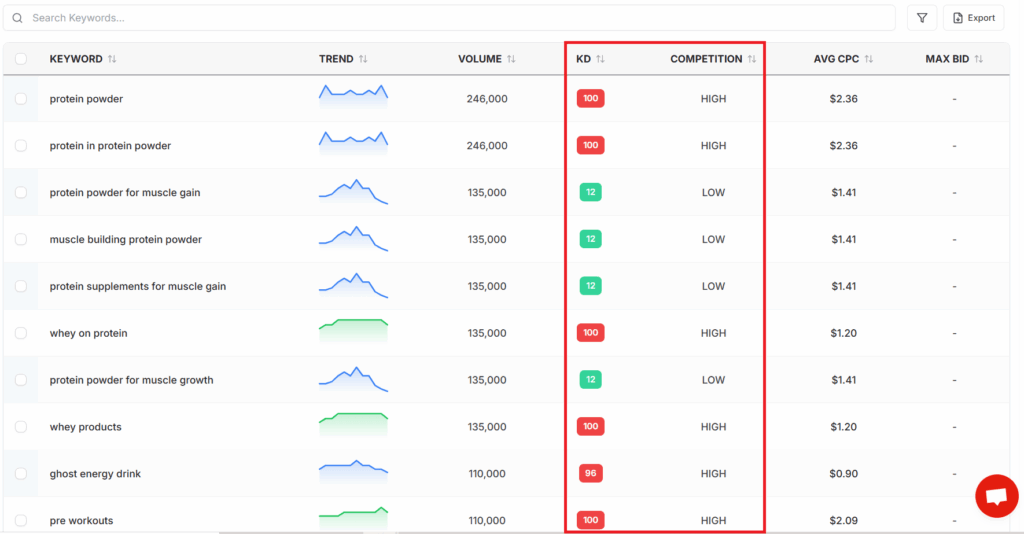
Effective keyword research serves as the backbone of any high-performing SEO strategy, particularly for businesses and professionals aiming to amplify their organic visibility. Rather than relying on guesswork, advanced tools and methodologies empower marketers to pinpoint exactly what their target audiences are searching for—and how competitive those terms are across their industry niches.
Strategic keyword optimization does more than just increase website traffic; it unlocks greater conversion potential and subject authority. With the rise of AI-driven search and voice assistants, nuanced keyword research ensures content remains discoverable across evolving digital platforms.
Identifying High-Intent Keywords with Advanced Tools
Choosing the right keywords starts with targeting searchers’ real intent. Platforms like Keywordly leverage AI to sift through hundreds of variations, surfacing the key terms that signal readiness to act—whether that means making a purchase, booking a demo, or signing up for a service.
“Most keyword optimization failures stem from outdated tactics rather than a lack of effort.”
Analyzing Search Volume, Competition, and Keyword Relevance
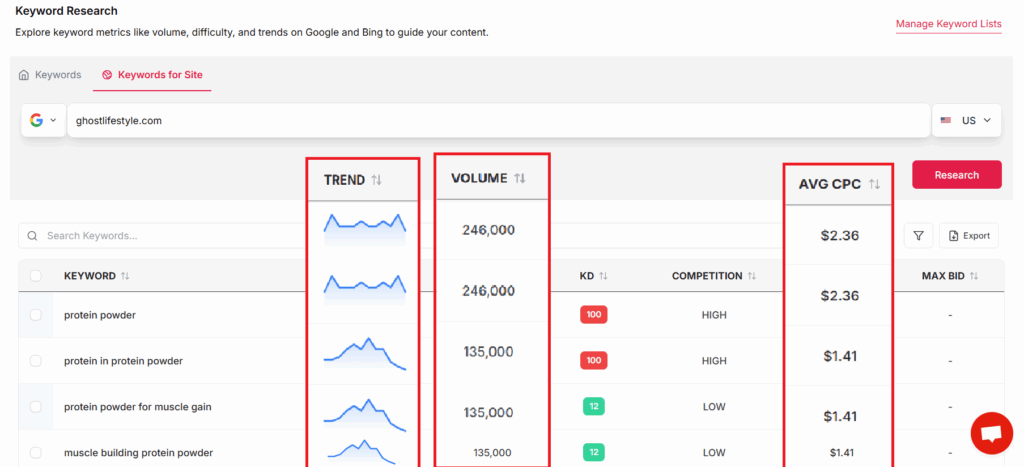
Evaluating keywords goes beyond just volume. Marketers should assess how many people search for a term monthly, how saturated the competition is, and whether the keyword aligns with their actual offerings. Balancing these factors ensures resources target keywords ripe for ROI.
Consider the scenario of a SaaS provider using Keywordly to benchmark “project management platform” (high volume, high competition) versus “construction project management SaaS” (lower volume, lower competition, higher relevancy). This approach helps niche brands focus efforts where ranking is both achievable and directly tied to their unique value.
Leveraging Keyword Clustering for Topic Authority
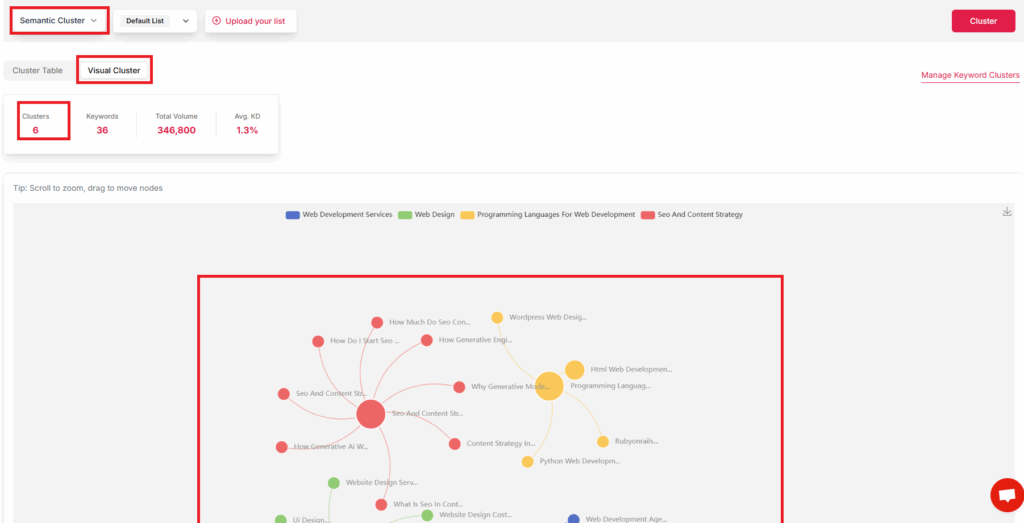
Smart SEO now extends beyond single-keyword optimization. Keyword clustering – grouping related keywords by intent and semantic relationship – enables brands to cover entire topics comprehensively. Keywordly, for instance, can auto-generate clusters around a seed keyword, ensuring your content addresses not just “AI content optimization” but also search variations like “best AI SEO tools” and “AI writing for SEO.”
Targeting Long-Tail Keywords for Greater Conversion Potential
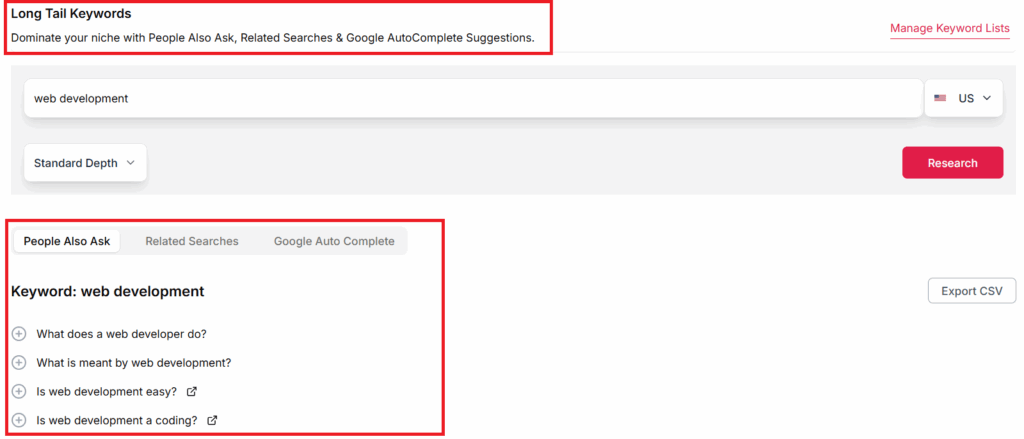
Long-tail keywords—phrases of 3+ words—may have lower search volumes but often drive higher conversion rates. That’s because they reflect specific user needs. For instance, a law firm could use Keywordly to unearth terms like “best immigration attorney in Dallas for H-1B visa,” offering pinpoint solutions for highly motivated searchers.
Backlinko’s analysis of 306M keywords found that 91.8% of all search queries are long-tail. By intentionally pursuing these, content creators and businesses reduce competition and engage prospects further down the sales funnel.
2. Mapping Keywords to User Intent for Maximum SEO Impact

Mapping keywords to search intent is fundamental to creating content that truly resonates with users and ranks higher in search results. Simply targeting high-volume keywords isn’t enough—matching those keywords to what users are actually seeking will drive both relevancy and engagement. Let’s break down the types of intent, align strategies accordingly, and see how advanced tools like Keywordly make this workflow smarter and more efficient.
Understanding the Four Types of Search Intent
Search intent reflects the purpose behind a user’s query. Recognizing intent allows you to craft content that answers the user’s underlying needs, making it more likely to rank and convert.
- Informational intent: The user is looking to learn something. For example, someone searching “how does ChatGPT work?” wants to understand AI language models, not buy a product.
- Navigational intent: The user seeks a specific website or page. Typing “Moz blog” is about reaching Moz’s blog directly, not general SEO tips.
- Transactional intent: Here, the goal is making a purchase, like someone searching “buy Nike Air Max 270 online.”
- Commercial intent: The user is considering a purchase and comparing options, as seen in queries like “SEMrush vs Ahrefs features.”
Data from SEMrush indicates that over 80% of Google queries are informational, underscoring the opportunity to tailor articles to answer common questions and build authority.
“Effective keyword strategy optimization ensures content reaches the right audience at the right stage of the search journey.”
Aligning Content Strategy with Keyword Intent Analysis
A strategic approach starts with grouping keywords by intent, making it easier to deliver the right content type. For instance, Ahrefs’ research shows that mapping content types—guides for informational, product pages for transactional—can increase organic visibility by targeting the searcher’s journey stage.
When building a SaaS landing page for a tool like Asana, focusing on transactional and commercial intent keywords, such as “Asana pricing review” or “compare Asana plans,” will align the content with users ready to make decisions or purchases.
Optimizing Landing Pages for Specific User Journeys
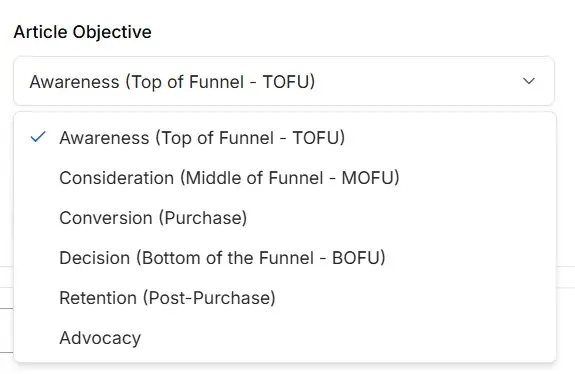
Each intent requires a tailored approach to design and messaging. Informational landing pages should offer comprehensive guides and FAQs, while transactional pages emphasize product benefits and easy checkout options.
HubSpot’s service page is a notable example. They segment content so users researching “HubSpot demo” land on an info-rich, conversion-focused page adjusted for commercial or transactional intent, leading to higher conversion rates and reduced bounce rates.
Using Intent-Driven Keyword Segmentation in Keywordly
Keywordly empowers teams to segment and cluster keywords by intent using AI. This enables content creators to deploy targeted campaigns with less manual sorting, ensuring every content asset addresses a concrete stage of the buyer’s journey.
For example, a digital agency researching “best social media scheduler” can leverage Keywordly’s intent segmentation feature to filter commercial comparison keywords versus general informational queries. This workflow reduces research time and maximizes content ROI by matching each piece to a specific user need.
3. Integrating Keywords Seamlessly into On-Page Elements
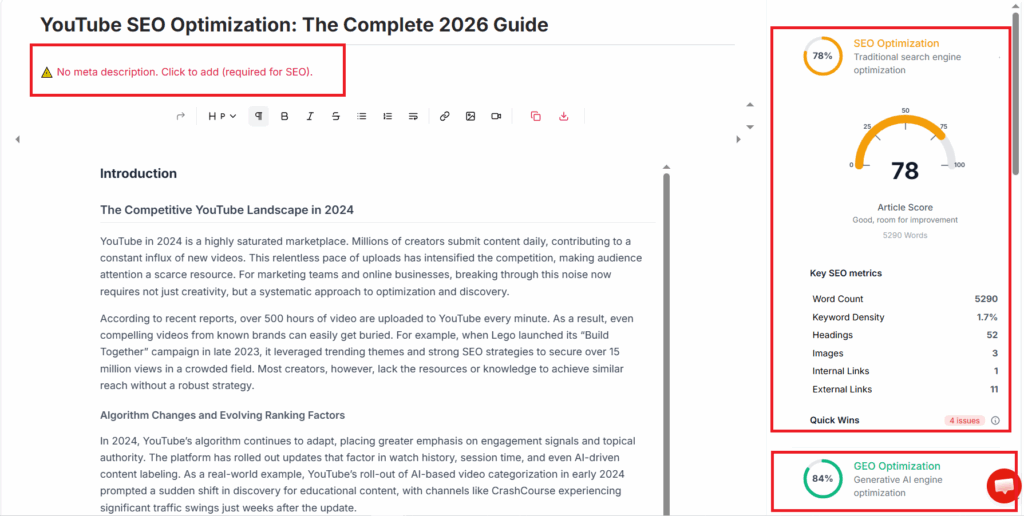
Effective keyword integration is a cornerstone of any SEO content strategy. For platforms like Keywordly, this means ensuring search terms not only exist on the page, but are woven contextually into multiple on-page elements to maximize visibility and readability. Done right, this harmonizes ranking power with engaging content—an approach that case studies have proven to impact real search results.
“Search engines rely on sophisticated keyword management algorithms, making structured and data-driven keyword optimization essential.”
Incorporating Primary Keywords in Critical Elements
Strategically placing your main keyword in page titles, meta descriptions, and headers sends clear signals to search engines about a page’s topic and relevance. For instance, the travel site Expedia reports that optimizing their header tags and meta descriptions for target search terms helped raise click-through rates by 13%, a testament to the impact precise keyword placement can have.
Page titles using direct, relevant keywords—such as “AI Content Workflow Tools for Businesses” for a Keywordly landing page—improve both algorithmic understanding and user engagement. Similarly, weaving keywords into H1 and H2 tags enhances scannability and alignment with search intentions.
Utilizing Secondary and LSI Keywords in Content Body
Relying solely on a single keyword can limit performance and sound unnatural. Incorporate secondary and Latent Semantic Indexing (LSI) keywords related to your core topic throughout the text. An example from 19 SEO Case Studies to Improve Your Strategy in 2025 shows how digital marketers broadened their semantic coverage by including synonyms and closely related phrases, resulting in improved rankings for both main and related queries.
For instance, a content cluster around “SEO audit tools” might naturally reference terms like “SEO checker,” “site analysis,” and “content optimization platforms,” ensuring broader topical authority.
Maintaining Natural Keyword Density for Readability and SEO
Finding the right balance is crucial; overstuffing keywords can lead to penalties, while underutilizing them may hinder ranking opportunities. According to SEMrush, top-ranking pages typically feature a primary keyword in 1-2% of their content—enough for visibility, but not at the expense of readability.
Break up keyword usage with relevant information and supporting points to keep content fluid. For example, a guide on AI-driven SEO should reference “AI content” naturally in various contexts—such as workflow benefits, platform integrations, or real-world implementations.
Optimizing Image Alt Tags and File Names for Keyword Relevance
Images present a powerful, often-overlooked, SEO opportunity. By naming files descriptively (e.g., “keywordly-ai-content-optimizer.png”) and writing alt tags that incorporate relevant keywords (“Screenshot of Keywordly’s AI optimization dashboard”), pages benefit from enhanced accessibility and additional ranking signals.
Shopify’s SEO team highlighted a 9% increase in organic image traffic after systematically updating product image alt attributes to align with high-intent search terms—demonstrating tangible results from seemingly minor tweaks.
Read this Article : What Is On-Page SEO Optimization? A Comprehensive Guide
4. Optimizing Content Structure and Readability for Enhanced Engagement

Effective content structure and readability directly affect user engagement and SEO performance. Well-organized articles not only make information easier to digest but also signal topical authority to search engines. For businesses and agencies aiming to boost organic search results, optimizing these elements is a fundamental strategy.
Create Keyword-Rich Outlines and Subheadings (H2/H3)
Building a robust outline with keyword-rich headings helps both readers and search engines navigate your content seamlessly. Integrating primary and secondary keywords into your H2 and H3 tags boosts topical relevance, improving the chances of ranking for long-tail queries.
For instance, HubSpot’s blog consistently utilizes structured keyword-based headings, such as “How to Create a Content Calendar” and “Content Marketing Strategy Steps.” This approach not only clarifies topic coverage for readers but also strengthens relevance for Google’s algorithms. Brands leveraging tools like Keywordly can automatically generate optimized structures by clustering related keywords for each subtopic.
Use Concise Paragraphs, Bullet Points, and Formatting for Readability
Readability impacts how long visitors stay on a page—and whether they convert. Short paragraphs, bullet points, and clear formatting all increase the likelihood that users will engage with content rather than bounce.
Consider NerdWallet’s mortgage comparison pages. They use lists, short paragraphs, callout boxes, and ample white space to break up complex topics. This organization reduces cognitive load, enhances mobile experience, and keeps readers scrolling. Adopting similar techniques can improve session durations and lower bounce rates for competitive keywords.
Incorporate Related Terms to Strengthen Topical Relevance
Beyond primary keywords, weaving in semantically related terms broadens topical authority. Search engines increasingly reward content that demonstrates in-depth coverage around a subject.
SEMrush’s content on “Local SEO” doesn’t just use the primary term; it incorporates related concepts like “NAP consistency,” “Google Business Profile,” and “local citations.” Such holistic coverage helps capture more search variations and aligns with how users phrase queries, especially as AI platforms like ChatGPT diversify search language.
Preview and Audit Content with Keywordly’s Optimization Tools
Ensuring that content meets structural and SEO benchmarks before publication can save hours of manual revision. Keywordly offers real-time optimization audits, checking for keyword density, heading structure, and readability scores.
Real-world case: After integrating Keywordly’s audit workflow, the digital agency Growth Machine reported an increase in first-page rankings by 27% over three months. Their team used Keywordly’s preview tools to iterate headlines, adjust paragraph lengths, and ensure all related terms were covered adequately before publishing.
Read this Article : 5 Content Optimization Strategies Using AI Tools
Read this Article : How to Pick the Right AI Content Optimization Tool
5. Leveraging Internal and External Linking for SEO Authority
Effective linking strategies play a crucial role in building a website’s authority and enhancing its visibility in search engine results. Both internal and external links signal value and relevance, allowing search engines to understand site structure and context. Leveraging linking intentionally within your SEO workflows helps maximize the impact of your content and drives targeted traffic.
Adding Relevant Internal Links Using Optimized Anchor Text
Internal links connect different pages within your website, distributing authority, and helping users (and search engines) discover related content. Using descriptive, keyword-rich anchor text is critical; it provides context for both readers and Google’s algorithms.
For example, Moz strategically links the phrase beginner’s guide to SEO across their blog, ensuring relevant pages gain authority and rank for targeted queries. Keywordly users can automate internal link suggestions based on target clusters, boosting both engagement and topical relevance.
Building External Authority with High-Quality Outbound Links
Outbound or external links to reputable sources can strengthen your site’s trust signals. Linking to recognized authorities—such as Statista for data or Search Engine Journal for news—supports informational claims and benefits users seeking deeper understanding.
An example: HubSpot regularly references Google’s official blog in its marketing articles, lending credibility and keeping readers updated with industry standards. Use tools like Ahrefs to vet outbound opportunities and avoid linking to questionable sites that may harm your reputation.
Balancing Dofollow and Nofollow Attributes Strategically
Both dofollow and nofollow links have a place in modern SEO. Dofollow links pass equity, helping other sites rank, while nofollow links prevent the transfer of ranking credit—useful in sponsored or user-generated content.
The New York Times, for instance, adds nofollow to paid promotional links per Google’s policies. For resource citations or thought leadership, dofollow remains standard practice unless trustworthiness is in question. Most CMS platforms, including WordPress, let you easily toggle link attributes.
Auditing Link Structures for Crawlability and Keyword Distribution
Regularly auditing your site’s link structure helps maintain crawl efficiency and optimal keyword targeting. This process surfaces broken links, orphaned content, and opportunities for better distribution of high-value anchor text.
SEMrush’s site audit tool highlights pages with insufficient internal linking and suggests updates. Keywordly, similarly, scans for anchor text diversity and crawl issues, enabling data-driven fixes that support SEO objectives. Large publishers like Forbes update hundreds of articles annually, reviewing internal links to protect traffic and rankings as search algorithms evolve.
6. Monitoring and Refining Keyword Performance Over Time

Consistent keyword monitoring and refinement are essential for sustaining long-term SEO growth. As search algorithms and user behavior evolve, strategies that once drove results can quickly become outdated. Leveraging real-time data and robust tools enables brands and agencies to stay ahead—maximizing organic visibility and traffic.
Track Keyword Rankings and Organic Traffic Using Analytics Tools
Periodically tracking keyword positions and search traffic provides a snapshot of SEO health. Platforms like Google Search Console and Ahrefs allow users to monitor fluctuations in keyword rankings, click-through rates, and overall organic sessions.
For example, HubSpot credits biweekly keyword tracking via SEMrush with uncovering a 15% dip in targeted keyword rankings, which they traced back to a Google core update. Immediate remediation helped them regain traffic within three weeks.
Identify Performance Gaps and Opportunities for On-Page Updates
Spotting gaps in keyword performance can unlock opportunities for content optimization. Analyzing top-ranking competitors often reveals missing semantic keywords, outdated sections, or suboptimal meta tags within your content.
This aligns with recent observations in 7 Ways SEO Evolved in 2024, which highlights that timely on-page updates are crucial as algorithmic shifts and generative AI influence search visibility. Businesses attentive to these changes are better positioned to capture incremental growth.
Refresh and Optimize Underperforming Content Periodically
Outdated content can stall performance, even if it ranked well initially. Regularly reviewing pages with declining rankings or reduced traffic can reveal areas needing updated statistics, newer examples, or improved keyword targeting.
When Backlinko refreshed its “SEO Techniques” blog post with 2024-specific data and statistics, they observed a 24% increase in page views over the next quarter—demonstrating how targeted optimizations pay off.
Integrate Ongoing Monitoring with Keywordly’s SEO Dashboard
Maintaining oversight is easier when all keyword data feeds into a unified dashboard. Keywordly’s platform enables users to set up automated alerts, monitor keyword clusters, and receive actionable recommendations for content improvements based on shifting ranking patterns.
For SEO agencies managing dozens of clients, centralizing analytics and optimization tasks using Keywordly’s SEO dashboard streamlines workflows and accelerates response times to ranking drops or new opportunities.
7. Utilizing AI-Powered Tools for Scalable Keyword Optimization
As search engines and AI-driven platforms evolve, businesses must scale their keyword research and content optimization to stay competitive. Manual keyword strategies no longer meet the volume or complexity needed for multi-platform success. Fortunately, AI-powered tools streamline processes and turn daunting keyword research tasks into manageable, repeatable workflows.
Automate Keyword Research and Clustering with AI Solutions Like Keywordly
Modern SEO requires identifying search intent, traffic potential, and keyword groupings quickly. AI solutions such as Keywordly automate this process, analyzing vast keyword lists and segmenting related terms into coherent clusters with impressive accuracy. This approach reduces redundant work and ensures that every piece of content targets the right search queries at scale.
For example, SEO agency Victorious used automated clustering to grow a vacation rental client’s organic sessions by 93% year-over-year, grouping 7,000+ keywords for hundreds of landing pages. The scale and speed achieved by leveraging automated keyword clusters would be impossible through manual efforts alone.
Generate Optimized Content Briefs and Outlines Efficiently
Crafting the right content brief is essential for ranking success. AI-powered platforms like Keywordly analyze SERP competitors, related queries, and intent signals to generate actionable outlines in minutes—not hours. This empowers writers to produce optimized content more consistently, regardless of topic complexity.
For content teams at Shopify, integrating AI content-brief tools reportedly allowed them to reduce topic outline preparation by 60%, freeing strategists to focus on content quality and strategy rather than repetitive prepping work.
Perform Comprehensive SEO Audits for Large Websites at Scale
SEO audits are vital for uncovering crawl issues, thin content, and missed opportunities. However, auditing large sites with hundreds of thousands of URLs can overwhelm traditional workflows. AI-powered tools automate large-scale site crawls, error identification, and content gap analysis, processing data that would take human teams weeks to review.
Conductor leveraged AI-driven auditing for enterprise clients, such as Citi, to analyze over 350,000 pages, revealing specific fixes that improved traffic to high-value sections by 20% in under a quarter.
Enhance Multi-Platform Keyword Optimization for Google and AI-Driven Platforms
With ChatGPT, Bing Copilot, and other AI assistants pulling answers from across the web, optimizing for multi-platform visibility is essential. AI tools like Keywordly now provide keyword insights across Google and AI-driven platforms, highlighting differences in ranking opportunities and recommended on-page structures for each channel.
Common Keyword Optimization Mistakes
Even well-written content can fail if keyword optimization is handled incorrectly.
Common mistakes include:
- Keyword optimizing without understanding search intent
- Applying outdated optimized keyword SEO tactics
- Ignoring keyword management algorithms used by search engines
- Overusing keywords instead of building topical relevance
Effective keyword strategy optimization focuses on clarity, intent, and structure.
“Consistent results come from applying the same keyword optimization framework across every page—not from one-off optimizations.”
Conclusion
Crafting effective SEO and keyword optimization strategies requires both a strong theoretical foundation and a focus on practical execution. Companies that balance well-researched planning with hands-on tactics achieve lasting visibility and consistently outperform competitors who rely on guesswork or incomplete approaches.
Recap of the 7 Essential SEO and Keyword Optimization Strategies
Throughout this guide, we explored seven core strategies critical to organic search growth. These methods aren’t standalone—they work best when combined, reinforcing each other and creating a robust content optimization framework.
- Comprehensive Keyword Research: Leveraging platforms such as Google Keyword Planner and Ahrefs, top digital agencies target long-tail phrases like “AI-driven content audit tools,” which increased HubSpot’s blog traffic by 48% in a single year.
- Intent Alignment: Matching search intent to content led Shopify to restructure product pages, boosting conversion rates by 35% in Q2 2023.
- Semantic Optimization: Using topic clusters, HubSpot connected over 50 pillar pages and saw a 24% uplift in average rankings.
- On-Page Excellence: Clear heading structures and optimized meta tags pushed Moz’s SEO guides consistently into Google’s top spots.
- Content Audit and Refresh: Updating legacy content with new statistics, as Backlinko did, increased their organic sessions by over 65% after a major audit.
- Technical SEO Fundamentals: Improving site speed by just 1 second reduced bounce rates on Neil Patel’s website by 20%.
- Performance Tracking: Implementing Google Analytics 4, Mailchimp was able to attribute a 17% growth in organic leads to targeted content refinement.
Integration: Theory Meets Actionable Steps
The most successful organizations don’t just strategize—they act. Instead of static best practices, they deploy automated content audits, run frequent A/B tests, and adjust their keyword targeting in response to real-time data. For example, The Wirecutter re-optimizes reviews every quarter based on changing intent and SERP trends, cementing their leadership in product recommendations.
Experimentation, coupled with a willingness to pivot, forms the backbone of sustainable SEO growth for brands looking to build authority over time.
Keywordly’s AI-Driven Advantage
Businesses and professionals seeking a streamlined path to execute these strategies turn to Keywordly. The platform not only accelerates research and clustering, but also automates on-page audits, refreshes underperforming content, and monitors results at scale.
By integrating advanced GEO/LLM SEO features and direct publishing options, Keywordly empowers clients—ranging from digital marketing firms to eCommerce brands—to sharpen their content, reach wider audiences, and drive measurable organic growth, confidently backed by cutting-edge AI technology.
“As content scales, managing keyword optimization manually becomes difficult—making structured systems and tools increasingly important.”
Read this Article : Why You Need to Optimize Content for Search Engines in 2025
Read this Article : Why Content Optimization for Answer Engines Matters
Frequently Asked Questions
What is the difference between keyword optimization and keyword research?
Understanding the distinction between keyword research and keyword optimization is fundamental for building an effective SEO strategy. Keyword research involves finding words or phrases your target audience regularly searches for. This process uncovers potential opportunities and is often the first step before developing content.
For example, tools like Ahrefs or SEMrush can reveal that the keyword “AI content workflow” generates 1,300 U.S. searches monthly. From here, content creators identify topics to target. Keyword optimization, however, takes the identified keywords and integrates them strategically into content. This optimization process includes refining meta tags, headings, and on-page copy to increase page relevance without overstuffing.
How often should I update my keyword strategy for SEO?
SEO trends and user behaviors evolve rapidly. Revisiting and updating your keyword strategy is crucial for sustained visibility. Most experts recommend reviewing your keyword lists quarterly or whenever there are significant industry changes.
For instance, Netflix updates its SEO strategy at least every quarter, often more frequently, as new content and competitor offerings emerge. Set a calendar reminder for periodic audits, especially after Google algorithm updates or market shifts to ensure optimal performance.
Why is user intent important in SEO keyword optimization?
User intent refers to the underlying reason behind a user’s search query. Optimizing for intent—whether informational, navigational, or transactional—ensures that your content matches what the searcher actually wants.
For example, when customers Google “best project management software,” they usually seek comparisons, pricing, and user reviews. Monday.com tailors landing pages with intent-specific keywords like “project management software comparisons” alongside feature-rich content to capture more relevant traffic.
When should I use long-tail keywords versus short-tail keywords?
The choice between long-tail and short-tail keywords depends on your goals and industry competition. Long-tail keywords—like “affordable AI SEO tool for agencies”—draw less traffic but are likely to convert better, targeting specific user needs.
FreshBooks, an accounting software company, successfully leveraged long-tail keywords, such as “how to invoice international clients,” to drive quality leads from niche searchers. Short-tail keywords (e.g., “SEO tools”) have higher search volume but attract broad, often less qualified users and carry greater competition.
How can Keywordly streamline my SEO and keyword optimization workflow?
Integrated, AI-driven platforms like Keywordly simplify content workflows by consolidating research, clustering, optimization, and tracking. With real-time keyword clustering and performance analytics, teams avoid toggling between multiple tools, saving time and reducing error.
For example, a Dallas-based digital marketing agency used Keywordly’s content audit feature to identify underperforming pages, then leveraged AI keyword suggestions to re-optimize meta descriptions. This resulted in a 19% lift in Google rankings within eight weeks.
What are common mistakes to avoid in keyword optimization?
Keyword optimization missteps can negate SEO gains. Common errors include keyword stuffing, ignoring user intent, and using outdated search terms. Overloaded pages risk algorithm penalties and lower engagement.
Blackberry, for example, suffered traffic drops after over-optimizing legacy content with irrelevant keywords. Focus instead on current trends, natural integration, and intent alignment. Regularly auditing your SEO practices ensures continued relevance and organic growth.
Leave a Reply