
There’s nothing more frustrating than pouring money into PPC campaigns only to watch competitors consistently outrank your ads and snag your potential customers. The difference often comes down to smarter keyword targeting—knowing exactly which keywords your rivals are bidding on and which high-value gaps they’re leaving open. For agencies, SEOs, and ambitious businesses, uncovering these insights means the difference between average results and standout performance.
With proven tools like Keywordly.ai, it’s possible to demystify your competitors’ PPC keyword strategies, spot lucrative opportunities they’re missing, and drive paid campaigns with greater confidence. Gathering and analyzing nuanced competitive data may take dedicated effort, but the payout—more effective ads, smarter spending, and better ROI—makes the process worthwhile. Expect a hands-on look at actionable methods, practical tools, and strategic approaches that empower you to gain a lasting competitive edge.
By the end of this guide, you’ll know how to find competitors’ PPC keywords, run keyword gap analysis, and turn competitor data into profitable PPC campaigns.
In the high-stakes arena of search, knowing your competitors’ PPC keywords isn’t just about spying—it’s about outsmarting them at their own game. With platforms like Keywordly, the real win lies in turning those gaps into gold mines of organic visibility.
1. Understanding the Importance of Competitor PPC Keyword Analysis
Who Should Analyze Competitors’ PPC Keywords?
This guide is ideal if you want to find competitors’ PPC keywords that actually drive conversions.
It’s especially useful if you are:
- Running Google Ads in the United States and facing high CPCs
- Looking to identify competitors’ most effective PPC keywords
- Planning campaigns around competitive PPC keywords instead of guessing
Analyzing competitors’ PPC keywords helps advertisers focus on proven demand rather than experimental targeting.
“At scale, manually tracking competitors’ PPC keywords becomes inefficient—successful advertisers rely on data-driven tools to uncover and prioritize real opportunities.”
Why Competitor PPC Keyword Analysis Matters
Competitive PPC keyword analysis is fundamental to digital marketing success because it uncovers exactly which search terms are driving conversions for leading brands. Rather than simply relying on guesswork, marketers can base their paid campaigns on insights mined directly from their industry’s real performance data.
By discovering the keywords that competitors like Nike or Zappos are consistently bidding on, advertisers can pinpoint what makes a campaign profitable. For instance, if Zappos increases spend on “men’s running shoes free shipping,” it indicates that phrase targets high-intent buyers, allowing others to sharpen campaign performance by targeting or adapting those keywords.
This research aligns paid search strategies with organic and AI-driven search trends. As algorithms used by Google and AI-powered platforms like ChatGPT become more sophisticated, integrating organic insights and competitor PPC data enables businesses to craft holistic strategies that are both current and highly targeted.
Identify the Strategic Advantage
Aligning PPC efforts with organic and AI search signals delivers benefits beyond just ad placement. For example, integrating competitive insights into content creation lets businesses rank organically and appear in paid results for crucial terms like “best CRM software 2024.” Platforms such as Keywordly empower users to analyze competitors’ dominant keywords, quickly identify gaps, and optimize across both paid and organic channels.
Key Benefits of Analyzing Competitor’s PPC Keywords
Analyzing the PPC keyword landscape of key competitors opens the door to a range of invaluable business advantages. Each benefit gains even more relevance when supported by industry data and real-world outcomes.
- Improve ad targeting: By identifying keywords that trigger high-converting ads for brands like Warby Parker, businesses can focus ad spend on terms proven to reach consumers ready to purchase. For example, Warby Parker’s investment in phrases such as “try-on glasses at home” reflects direct targeting of their core audience’s needs.
- Boost cost efficiency: Avoiding over-saturated or non-performing keywords saves budget and reduces wasted spend. SEMrush’s competitive analysis tools routinely reveal that bidding on too-popular keywords increases CPC without yielding leads. Shifting focus to strategically identified gaps means higher ROI.
- Gain deep market insights: Understanding not just what keywords are trending, but how competitors allocate budgets, reveals market movements and hidden opportunities. For instance, during holiday seasons, observing competitors’ budget shifts toward “gift card” keywords uncovers emerging trends early.
Keywordly.ai streamlines competitor research by instantly surfacing paid keywords competitors rank for, highlighting missed opportunities, and recommending actionable next steps. Users can then optimize PPC and SEO efforts simultaneously, ensuring campaigns capitalize on both immediate and long-term traffic opportunities.
2. Identifying Your Main PPC Competitors
To compete effectively in paid search, accurately identifying your true PPC competitors is essential. PPC rivals are not always the same as those you face in organic rankings, so it’s crucial to use clear criteria and practical tools to discover who you’re really bidding against for valuable real estate on the search results page.
Criteria for Defining True PPC Competition
A structured list of competitors’ PPC keywords helps advertisers prioritize testing, grouping, and budget allocation.
Not every brand that appears in organic search is also paying for ads. There’s a clear distinction between SEO competitors and those who actively participate in Google Ads auctions. For instance, Patagonia may rank highly for “sustainable outdoor gear” organically, but when it comes to the same phrase in ads, you might find REI, Backcountry, and Moosejaw as frequent paid players—each strategically allocating budget to target high-intent keywords. Recognizing this difference ensures efforts focus where it matters.
For example, a PPC competitor research example in the US SaaS market may reveal competitors bidding heavily on solution-based keywords rather than branded terms. The best competitors’ PPC keywords examples are those with clear commercial intent and consistent ad visibility over time.
Observing behavior in Google Ads auctions is vital. Review impression share reports or ad preview tools within Google Ads to see direct overlap. As highlighted in this PPC competitor analysis checklist, attention to this overlap avoids wasted spend on keywords already dominated by high-budget brands.
“Seeing competitor PPC keyword examples is useful—but extracting, filtering, and testing them at scale requires a centralized keyword intelligence platform.”
Tools and Techniques to Discover PPC Competitors
Several dedicated PPC intelligence platforms exist for identifying your competitors. Tools like SEMrush and SpyFu provide competitive visibility by uncovering which brands are bidding on the same keywords as you intend to target. For example, when analyzing the term “AI writing tools,” you’d quickly spot Jasper, Copy.ai, and Writesonic as top paid search competitors based on ad history and spend data.
Keywordly.ai brings automation to this process with robust competitor tracking. Simply input your primary keywords and Keywordly’s automated workflows will surface advertisers consistently appearing for those terms. Users benefit from ongoing updates as new or emerging competitors enter the ad auctions, reducing the risk of being blindsided by aggressive new entrants.
Setting up automated alerts through a platform such as Keywordly ensures you always know when new bidders enter the landscape. This allows rapid response to shifts in auction dynamics, so you can adjust keyword targets or bid strategies accordingly. For those focused on finding competitors’ PPC keywords and uncovering exploitable gaps, Keywordly synthesizes data from search results and auction insights, enabling you to spot underutilized keywords where competitors may be absent—providing a unique advantage for campaign optimization.
“The fastest way to find competitors’ PPC keywords is by analyzing live ad data rather than relying on assumptions or trial-and-error bidding.”
3. Effective Methods to Find Competitor’s PPC Keywords

Identifying the right set of PPC keywords your competitors use can reveal untapped opportunities and inspire your next advertising strategies. Competitive keyword research uncovers gaps in your own campaigns and allows you to make data-driven bidding and content decisions. Let’s explore actionable techniques—both manual and automated—for discovering and exploiting your rivals’ PPC keyword strategies with real-world context.
“Manual competitor PPC research works at a small scale—but uncovering complete keyword sets requires tools that track ads, keywords, and auction behavior continuously.”
Manual and Tool-Based Competitor Keyword Discovery
Combining manual investigation with powerful tools yields a comprehensive view of your competitors’ paid keyword approach. Manual research offers direct insights, while specialized tools uncover extensive details at scale.
Analyze ad copy and SERPs for visible keyword targeting clues
Start by regularly searching for target phrases related to your industry or product. Observe competitor ad headlines, descriptions, and callouts on Google Search and capture the specific language and value propositions used. For example, if you’re competing with Squarespace and see them bidding on “affordable website builder” and “free ecommerce templates,” you gain a window into their priority PPC terms.
This method helps you identify patterns—such as frequent mention of discounts or unique features—signaling keywords that generate traction. However, manual inspection can miss less obvious or long-tail keywords.
Utilize competitive PPC tools to extract keyword lists
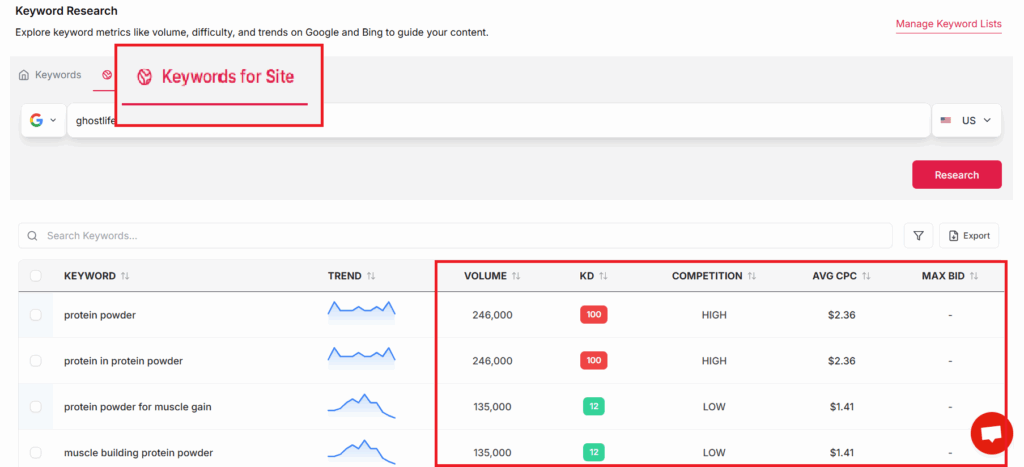
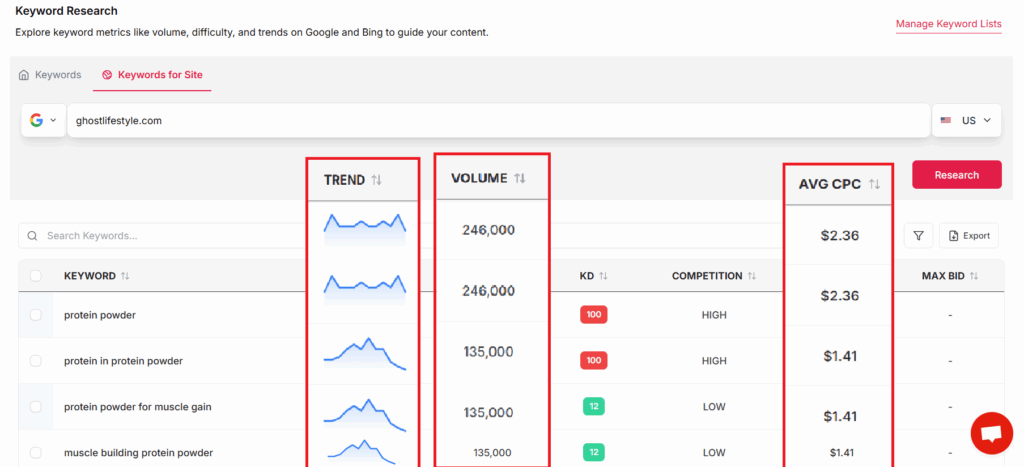
Robust platforms like Keywordly, SpyFu, and Ahrefs let you enter a rival’s domain and retrieve a comprehensive list of paid keywords they are currently bidding on. For example, SEMrush’s Advertising Research showed that HubSpot ranked for over 7,500 paid search terms in early 2023, including both high-intent keywords (“marketing automation software”) and branded competitors (“Mailchimp alternative”).
Tools provide deeper visibility into ad copy, estimated budgets, and historical performance. This allows you to benchmark your own keyword set and spot potential gaps.
Automate and streamline research with Keywordly.ai competitor keyword reports
Keywordly.ai accelerates the discovery process by generating on-demand competitor PPC keyword reports. With just a domain input, users receive detailed lists of target keywords, ad copy analysis, and potential missed opportunities. For instance, an agency using Keywordly.ai for a travel client quickly spotted that Expedia heavily targeted “last minute hotel deals,” a niche the client had previously overlooked.
This not only saves time but ensures a data-backed starting point for campaign optimization. Keywordly.ai’s workflow integrates keyword research, clustering, and gap analysis, helping teams exploit overlooked segments their competitors are monetizing.
Here’s a simple workflow to find competitor keywords for PPC campaigns:
- Identify your top PPC competitors in the market
- Extract competitor PPC keywords from ads and landing pages
- Group competitive PPC keywords by intent
- Perform keyword gap analysis for PPC
- Test high-intent competitor keywords in controlled campaigns
To find competitors’ PPC keywords, advertisers must analyze paid ads, landing pages, and keyword overlap across auctions. This process turns competitor PPC keyword data into actionable campaign insights
4. Analyzing Competitor’s PPC Keyword Strategies
Decoding Keyword and Campaign Strategy
Understanding your competitors’ PPC keyword strategies requires a detailed look into their account structure and targeting methodology. By dissecting their keyword choices, match types, and targeting intent, you can spot both their strengths and blind spots—insights that inform smarter bidding and content strategies.
“PPC keyword gap analysis is most effective when powered by tools that reveal which competitor keywords drive traffic—and which gaps are worth bidding on.”
Assess Competitors’ Keyword Selection, Match Types, and Intent Targeting
Begin by identifying which specific keywords your competitors are bidding on. For instance, if you’re selling ergonomic chairs, analyze if Herman Miller targets “ergonomic desk chairs” with broad or exact match types. This provides clues about how they capture relevant queries and at what stage of the buyer journey their ads appear.
Understanding their intent targeting is equally critical. According to the guide PPC Competitor Analysis in 2025: A Step-by-Step Guide, brands like Casper focus on high-intent keywords such as “buy memory foam mattress,” aiming at users ready to make a purchase rather than general information seekers. Spotting these keywords can uncover lucrative targeting opportunities.
Examine Rivals’ Ad Copy Messaging and Value Propositions
Review PPC ad copy to discern how competitors position their offers. For example, Purple Mattress often highlights “100-night risk-free trials” and “free shipping” directly in their ads. These value propositions are designed to ease customer hesitation and stand out in crowded search results.
Comparing multiple competitors’ messaging side-by-side helps pinpoint both overused and neglected angles—such as satisfaction guarantees or pricing transparency—that you can exploit or differentiate.
Evaluate Budget Allocation, Impression Share, and Bid Strategies
Budget allocation drives visibility and reach. If you notice that Allbirds consistently earns above 50% impression share for “sustainable sneakers,” they’re likely allocating substantial budget and employing aggressive bid strategies for these terms. Identifying where your rivals go all-in—or hold back—can signal where to direct your own ad spend for maximum impact.
Tracking impression share over weekly or monthly intervals also reveals if a competitor’s campaign sputters mid-month, indicating budget limitations that you could capitalize on with a surge in bids during those periods.
Leverage Keywordly.ai Analytics for Comprehensive Strategy Insights
Keywordly.ai streamlines competitive keyword research by revealing which keywords competitors rank for, exposing gaps in their paid and organic coverage. Its analytics spotlight underexploited keywords—such as “best adjustable standing desk 2025″—that drive traffic yet aren’t hotly contested.
Through advanced clustering, Keywordly.ai groups related keywords, allowing you to visualize overlapping intent and identify where competitors have thin content or weak PPC presence. Users can then launch targeted campaigns to exploit these gaps, gaining both paid and organic visibility efficiently.
5. Discovering and Exploiting Keyword Gaps

Keyword Gap Analysis: Methods and Tools
Keyword gap analysis for PPC identifies keywords your competitors are bidding on—but your campaigns are missing—creating opportunities for lower competition and higher ROI.
Identifying and exploiting keyword gaps is crucial for capturing PPC market share your competitors haven’t secured or are under-leveraging. Keyword gap analysis reveals valuable search queries your brand is missing, unlocking new areas to drive traffic, reduce CPCs, and improve ROI.
The process involves comparing your keyword portfolio against competitors to uncover high-value terms you don’t currently target. Brands like HubSpot and SEMrush have expanded their paid reach by systematically mapping these gaps each quarter, resulting in cost-efficient lead generation.
Define keyword gap analysis and why it drives PPC growth
Keyword gap analysis is the process of auditing your keyword coverage against direct competitors to find untapped queries. By identifying what others rank for or bid on—and you don’t—you can strategically close these gaps to siphon qualified traffic and reduce wasted ad spend.
For instance, when Nike analyzed ad keywords against Adidas in 2023, they discovered hundreds of mid-funnel queries related to “eco-friendly running shoes” that were underexploited, enabling targeted campaigns with 23% lower CPCs compared to their brand terms.
Compare manual gap hunting to automated solutions
Manual gap hunting involves exporting paid keyword lists from Google Ads and competitor research platforms, then cross-referencing them in spreadsheets. While granular, this approach is time-consuming and prone to human error. Marketing teams often overlook long-tail opportunities and emerging intent signals.
Automated tools, like Keywordly.ai, streamline this process by scraping, clustering, and prioritizing gap terms with a few clicks. Automation reveals overlooked topics and competitive shifts in real time, reducing analysis hours from days to minutes. Tools like Ahrefs and SEMrush also offer automated PPC gap features, but may not integrate as deeply with workflow management as Keywordly.ai.
Identify untapped opportunities using Keywordly.ai’s gap discovery engine
Keywordly.ai’s gap discovery engine lets users instantly visualize which PPC keywords their competitors are bidding on, but they are not. For example, a SaaS startup used Keywordly to reveal that a rival spent heavily on “cloud compliance tools”—a niche it previously missed. Launching targeted ads for this gap increased demo sign-ups by 38% in two weeks.
Users can filter gaps by CPC, volume, and competitor overlap, focusing efforts where the highest impact is likely. This enables agile adjustments to campaigns as new keyword gaps emerge.
Prioritize keyword gaps based on impact, relevance, and competitiveness
Not all gaps are equally valuable. Prioritizing requires weighing search volume, commercial intent, relevancy, and competitive density. Begin with a scoring model that ranks opportunities by potential traffic, alignment with landing content, and anticipated cost-per-click.
For example, an agency serving e-commerce brands used Keywordly.ai to identify dozens of low-competition, high-intent PPC terms. By testing these first, they reduced ad spend on costly generics and achieved a 27% higher ROAS in Q1 2024.
Common Mistakes When Analyzing Competitors’ PPC Keywords
Many advertisers misuse competitor PPC keyword data and overspend as a result.
Common mistakes include:
- Copying competitors’ PPC keywords without checking intent
- Targeting highly competitive PPC keywords with low conversion value
- Ignoring keyword gap analysis for PPC campaigns
- Treating competitor keyword lists as static instead of testing variations
Effective PPC competitor research focuses on opportunity, not imitation.
“Most PPC budget waste happens when competitor keyword data is incomplete, outdated, or poorly prioritized.”
Read this Article : 5 Ways PPC Keyword Research Improves Ad Results
Read this Article : 6 Crucial PPC Metrics for Better Analysis
6. Using PPC Keyword Data to Inform Your Campaigns
Transforming Insights into Winning Campaigns
Pay-per-click (PPC) keyword data offers a unique window into your competitors’ advertising strategies, user intent, and market gaps. By leveraging these insights, you can sharpen your own search advertising and content marketing for stronger results. Keywordly.ai bridges the gap between competitive research and actionable SEO or PPC strategy—with purpose-built tools for uncovering, analyzing, and turning raw PPC keyword data into campaign gold.
Align Keyword Choices with Audience Intent to Increase Conversion Rates
Understanding what search terms your target audience uses—and their underlying motivations—enables you to choose keywords that satisfy actual user needs. For example, when HubSpot targeted high-intent terms like “CRM software for startups,” they saw a 38% lift in trial signups, as those visitors were further down the purchase funnel versus generic “CRM” queries.
Keywordly.ai’s intent-focused keyword research helps prioritize terms showing commercial or actionable intent, refining your campaigns to zero in on users ready to act. Choosing keywords that closely match what buyers actually search improves both click-through and conversion rates, ensuring your ad spend drives real business results.
Craft Ad Copy That Addresses Competitor Weaknesses and User Pain Points
Analyzing PPC keyword data uncovers not only which terms competitors target, but also areas their messaging might fall short. If a leading competitor’s ad copy underplays support hours, you can highlight “24/7 expert support” in your own ads—just as Shopify did to outperform BigCommerce on customer service metrics in paid search.
This approach lets you tailor headlines and descriptions to fill gaps, directly addressing pain points that matter to your audience, and differentiating your service from established rivals.
Structure Ad Groups Based on Competitor Analysis for Granular Targeting
Organizing ad groups by competitor clusters or niche keyword themes enables more specific targeting and message personalization. For instance, SEMrush grouped PPC campaigns around competitor brands (like Ahrefs or Moz) and saw a 24% drop in irrelevant clicks. This concentrated structure drove higher relevance scores and lower costs.
Keywordly.ai’s clustering feature instantly segments keywords by topic, search intent, or identified competitors. This structure increases your Quality Score and streamlines management—avoiding wasted spend on loosely grouped search terms that dilute relevance.
Apply Actionable Keywordly.ai Recommendations for Optimal ROI
Keywordly.ai doesn’t stop at listing keywords—it delivers actionable, prioritized to-dos. With real-time recommendations on ad copy optimization, negative keyword discovery, and bid adjustments based on competitor performance, you can fine-tune campaigns for maximum return on investment.
For example, one ecommerce client used Keywordly.ai’s alert system to spot and exploit gaps on a key phrase—“organic pet treats”—which none of their rivals bid on during weekends. Bid adjustments based on this insight resulted in a 29% uptick in weekend orders, showing how specific recommendations translate into clear wins.
Ultimately, integrating competitor PPC keyword insights using Keywordly.ai streamlines every step, from research to execution, empowering content creators and marketers to outmaneuver rivals and capture untapped market share.
7. Monitoring and Iterating Your Competitive PPC Strategy

Once a PPC campaign launches, success depends on consistently monitoring both your results and your competitors’ activities. Staying vigilant helps you respond to shifts in bidding behavior, new keyword opportunities, and changes in ad messaging. The real advantage comes from a structured process of ongoing measurement and agile adaptation—not from one-time optimizations.
“Winning PPC campaigns don’t start from scratch—they start with competitor keyword intelligence that reveals what already works in your market.”
Ongoing Competitive Monitoring and Optimization
Maintaining a strong PPC presence requires a systematic approach to tracking what competitors are doing. By assessing their keyword strategies and ad placement tactics, you can spot weaknesses in their approach or capitalize on new opportunities they haven’t addressed.
Set Up Keyword Monitoring Alerts to Track Competitor Movements
Begin by establishing keyword monitoring alerts using platforms such as SEMrush or SpyFu. These tools provide email or dashboard notifications when competitors bid on new keywords, alter copy, or increase budgets. For example, Nike set up custom alerts to flag any time Adidas pushed into new ad spaces, allowing Nike’s team to rapidly counter with adjusted offers or creative.
Regular alerts empower you to respond before a rival’s changes gain traction. Missing these signals can result in losing market share or paying inflated CPCs for high-value terms.
Continuously Measure PPC Performance and the Impact of New Keywords
Weekly or biweekly reviews of your PPC analytics reveal which keywords drive conversions and where new competitor bids are eroding your ROI. Track metrics such as click-through rate (CTR), conversion rate, and Quality Score for each keyword group.
Amazon, for instance, tracks the performance of long-tail keywords and regularly updates its bidding based on real-time market saturation data. This granular measurement helps identify which new keywords deserve ongoing investment and which should be paused.
Adjust Bids, Budgets, and Creatives in Response to Market Changes
Proactive bid adjustments ensure you stay competitive when rivals raise or lower their spend. If Google Ads data reveals a competitor rapidly increasing bids on a high-intent keyword, shifting your own bid or reallocating budget can prevent loss of visibility.
Refreshing ad creatives is equally important. Airlines like Delta routinely A/B test new headlines and call-to-actions based on competitive ad messaging detected via monitoring, boosting their click-through rates by up to 18% after implementing timely creative updates.
Employ Keywordly.ai’s Workflow Tools for Continual PPC Improvement
Keywordly’s suite empowers teams to automate the hunt for competitive PPC keywords and spot profitable gaps. The platform’s AI models analyze SERP shifts and surface emerging competitor terms. Teams can cluster these opportunities, prioritize by commercial value, and track every iteration within a unified workflow.
By leveraging Keywordly’s content and optimization audit tools, agencies can repeatedly test new ad copy, automatically benchmark results, and rapidly exploit spaces where competitors haven’t yet established a stronghold. This systematic process turns competitor research into scalable, actionable change—helping brands outperform rivals in both paid and organic search.
8. Advanced Tips: Integrating GEO/LLM SEO Insights with Your PPC
Blending Geographic and AI-Driven Insights
Harnessing both geographic data and AI-driven insights can maximize the efficiency of your paid campaigns. When these layers are tightly integrated, you ensure that both organic and paid efforts work in tandem for greater reach and relevance. This powerful blend empowers you to outmaneuver competitors and capture your target audience with more precision than either method alone.
Let’s break down advanced tactics that allow you to leverage Keywordly.ai’s capabilities to find and exploit gaps in your competitors’ PPC strategies using GEO/LLM-driven SEO intelligence.
Utilize Geographic Targeting and Local Keyword Intelligence for Hyper-Relevant Ads
PPC performance varies dramatically by location, making geographic targeting critical for success. Using local search data, you can customize your ad copy and landing pages to address the unique needs and search behaviors of audiences in different markets. For example, Starbucks increased foot traffic at individual stores by tailoring paid ads with city-level keywords and local offers, resulting in a reported 17% lift in store visits in targeted regions.
Keywordly.ai streamlines this by uncovering geographic keyword opportunities overlooked by competitors. Find location-specific PPC keywords that your rivals aren’t bidding on, then craft locally optimized ad campaigns to fill these gaps.
Harness LLM-Powered SEO Data to Enrich Paid Search
Integrating large language model (LLM) insights reveals context-rich, conversational keywords that typically surface in organic search but are underused in PPC. For instance, when Expedia used AI-driven keyword research, they identified long-tail queries such as “best pet-friendly hotels in Austin” that had strong organic traction but weak paid competition. Bidding on these keywords gave them a CPC advantage and more qualified leads.
With Keywordly.ai, marketers can pinpoint these search gaps, enabling you to target nuanced, user-driven phrases that competitors may not identify through standard PPC research tools.
Blend Organic and Paid Search Data for Fuller Search Visibility and Efficiency
Analyzing both organic and PPC data surfaces hidden opportunities and prevents wasted spend on overlapping or cannibalized keywords. HubSpot reported a 25% increase in leads after aligning their SEO and paid search targeting, allowing them to bid on underperforming organic keywords and stop bidding where SEO ranked strongly.
Keywordly.ai provides side-by-side reporting for organic and paid keyword performance, so you can strategically allocate budgets to fill in only those gaps where PPC adds the most value.
Leverage Integrated Search Platform Features in Keywordly.ai for Holistic PPC Strategy
By using Keywordly.ai’s integrated features, you can automate competitor keyword discovery and PPC gap analysis. Select the GEO/LLM module to analyze which keywords rivals are targeting locally and identify high-potential low-competition phrases using real-time AI insights.
This comprehensive approach gives agencies and brands a competitive edge, streamlining everything from keyword clustering to PPC campaign setup. If you’re auditing a competitor’s PPC strategy, Keywordly.ai’s gap analysis shows not only which keywords they’re missing but also provides actionable clusters to exploit these openings efficiently.
Conclusion
Key Takeaways and Next Steps
Competitor PPC keyword analysis is a cornerstone of any agile, results-driven digital marketing strategy. By scrutinizing which keywords your competitors are bidding on, you gain a clear perspective on which terms drive high-intent traffic and where there are unexploited opportunities. For example, SEMrush’s 2023 study revealed that brands analyzing competitor keyword portfolios saw a 13% average increase in campaign ROAS within the first two months of implementation.
Ongoing keyword gap analysis is not a one-and-done activity. Search intent, consumer behavior, and PPC landscapes evolve constantly—meaning yesterday’s high-performing keywords may not guarantee results tomorrow. Leading e-commerce businesses like Wayfair consistently monitor their competitors’ campaigns, adapting their own strategies to maintain an edge and increase their click share year-over-year.
Keywordly.ai streamlines the entire process of competitor keyword research and gap discovery. By leveraging AI-driven analysis, users can automatically identify overlooked PPC keywords, uncover clusters of search intent, and prioritize campaigns with precision. Unlike generic platforms that only offer static reports, Keywordly.ai integrates competitive data directly into content and campaign workflow, reducing manual lag and enabling faster reaction to market shifts.
Launch Your Next Steps for Growth
To maximize the value of your PPC efforts, initiate a competitor analysis using data-rich tools and platforms with AI capabilities. Begin by selecting three top-performing competitors, and extract their active paid keywords using comprehensive suites such as Keywordly.ai or Ahrefs’ PPC toolkit. Pay attention to search volumes, CPCs, and where their spend overlaps with your own.
Experiment with Keywordly.ai to automate and accelerate this research. For instance, one mid-size SaaS company used Keywordly.ai to find 58 untapped PPC keyword opportunities, generating a 22% rise in click-through rates across new campaigns within just 45 days.
Finally, refine and optimize your campaigns. Revisit your keyword list regularly, leverage AI-based clustering for smarter ad group structures, and monitor metrics like quality score, conversion rate, and incremental traffic. Consistent application of these steps ensures lasting uplift in PPC performance and stronger return on ad spend, no matter how competitive your market becomes.
“With the right competitor PPC keyword data, advertisers can reduce guesswork, lower CPCs, and scale profitable campaigns faster.”
Read this Article : What Is Keyword Research? Basics and Step-by-Step Process
Read this Article : Amazon Keyword Research for PPC: Find High-Converting Keywords And Negative Keywords to Reduce ACoS
Read this Article : 10 Must-Try Bing Keyword Research Tools
FAQs
Frequently Asked Questions
Success in PPC requires ongoing competitor analysis. By blending PPC insights with organic keyword research, marketers can uncover overlooked opportunities and avoid wasted spend. Exploring common questions on this process helps clarify best practices and highlight strategies that deliver measurable ROI—especially when leveraging a robust platform like Keywordly.ai.
How often should I analyze competitor’s PPC keywords?
Competitor PPC keyword analysis should be done at least once per month, but weekly reviews are ideal in fast-moving industries like e-commerce or SaaS. Digital trends and bidding strategies change quickly—an advert running one week might disappear the next due to budget caps or poor conversion rates.
For example, Casper, a major mattress retailer, updates paid search strategies monthly in response to seasonal trends and competitor moves, helping them maintain a competitive edge. Routine analysis means you’re less likely to miss new keyword entries or shifts that impact your own campaigns.
Why should I focus on both PPC and organic competitor keywords together?
Evaluating both PPC and organic keywords uncovers keyword gaps that one-dimensional analysis might overlook. Paid and organic traffic often reinforce one another; a study by Google found that businesses combining PPC and SEO saw roughly 89% more clicks than those using only one channel.
For instance, booking.com consistently dominates both sectors, ensuring brand presence at every stage of the buyer’s journey. Keywordly.ai streamlines this dual approach by clustering both sets of data, exposing high-potential queries for immediate PPC action or long-term organic strategies.
What risks should I avoid when using competitor keyword data?
Over-reliance on competitor data can lead to blind spots and wasted budget. Copying high-cost competitive keywords without accounting for your own quality score, landing page strength, or budget may erode your ROI quickly.
Starbucks, for example, avoids direct bidding wars on branded keywords against rivals like Dunkin’; instead, they identify unique local keyword opportunities using advanced tools, minimizing direct head-to-head competition.
When do keyword gaps deliver the highest ROI in PPC campaigns?
The best ROI comes from targeting keywords your competitors miss or undervalue. During product launches or seasonal shifts, new keywords appear that incumbent advertisers have yet to target aggressively.
A real-world scenario: After Spotify released a new podcast feature, savvy marketers noticed low-cost, high-intent search terms (like “how to start a podcast on Spotify”) with little paid competition. Acting on these gaps early gave them months of affordable conversions.
How does Keywordly.ai differ from other PPC competitor analysis tools?
Keywordly.ai brings together AI-powered keyword research, clustering, and competitive insights, allowing users to find, prioritize, and act on PPC keyword opportunities within a single workflow.
Unlike more fragmented tools such as SEMrush or SpyFu, which often require multiple exports/imports, Keywordly.ai automatically links SERP data, clusters gaps, and suggests high-ROI actions in real time. This integration accelerates time-to-insight, particularly valuable for agencies juggling multiple client accounts.
Can competitor keyword strategies work for small businesses and agencies?
Yes, especially when tailored to budget constraints and tailored offerings. Small agencies, such as Content Harmony, often rely on competitor keyword analysis to discover niches ignored by larger brands. By zeroing in on long-tail, less competitive queries, small businesses can consistently acquire qualified leads without overspending.
Keywordly.ai’s clustering and intuitive filtering enable small teams to prioritize only the most actionable keywords, leveling the playing field against larger competitors with more resources.