Category: Content Workflow

  • SEO Content Strategy That Works in 2026:Attract High-Intent Search Traffic

    SEO Content Strategy That Works in 2026:Attract High-Intent Search Traffic

    Picture a company investing countless hours into crafting insightful blogs and engaging videos—only to watch them linger in online obscurity. Despite their expertise and effort, their audience never quite grows, traffic stalls, and competitors surge ahead. At the heart of this missed opportunity lies a disconnect between content creation and purposeful SEO.

    Strategically weaving SEO into the fabric of content planning turns invisible assets into discoverable, high-impact resources. Readers here will unlock frameworks for aligning keyword research with audience intent, discover the latest search trends, and understand how to measure true content performance. While impactful content isn’t built overnight, grasping the synergy between SEO techniques and tailored messaging can transform online visibility and turn quiet corners of the web into thriving destinations.

    In a digital world where content is king, SEO is the crown that determines who sits on the throne. At Keywordly, we believe a content strategy without SEO is like building a cathedral in the desert—impressive, but invisible.

    Reference:

    A creator’s guide to SEO content strategy

    Understanding SEO Content Strategy: Foundations for Success

    What is SEO content strategy?

    An SEO content strategy is the process of planning, creating, optimizing, and distributing content that aligns with search intent while supporting long-term business goals through organic search visibility.

    SEO and content strategy work best when they are aligned—content strategy defines what you publish, while SEO determines how that content is discovered.

    The fundamental difference between traditional content and SEO-focused content lies in planning and intent. Traditional content often starts with topics driven by brand objectives or creativity, while SEO content begins with keyword research, competition analysis, and a technical understanding of what search engines value. For example, Moz’s popular “Beginner’s Guide to SEO” is meticulously structured around high-traffic search queries, demonstrating how strategic keyword selection and user intent fuel its ongoing success.

    Every digital business, from SaaS platforms like HubSpot to high-volume publishers like Investopedia, now incorporates dedicated SEO roles. These professionals analyze intent data, coordinate with writers, and use advanced tools like Semrush or Ahrefs to ensure new content fills market gaps and sustains long-term performance. HubSpot attributed a 40% increase in its organic blog traffic between 2018 and 2020 to a renewed SEO content strategy.

    The Impact of Search Intent

    Search intent refers to the underlying reason a user types a particular query into Google or Bing—whether they’re seeking information, looking to make a purchase, or wanting to solve a problem. Understanding and addressing search intent is foundational to any effective SEO content strategy because it ensures the content meets both the audience’s needs and Google’s ranking criteria.

    For example, when Backlinko optimized their “SEO Techniques” guide by focusing on actionable strategies (rather than just theoretical discussion), they matched both informational and transactional search intent. This approach contributed to the guide ranking in the top three for over 20 high-intent keywords and driving thousands of qualified leads per month.

    Aligning content with specific intent—such as using “best headphones under $100” for comparison shoppers or “how to start a podcast” for beginners—improves relevance, user engagement, and search rankings. Tools like Google’s Search Quality Evaluator Guidelines and Ahrefs’ Keyword Explorer help professionals distinguish between informational, navigational, commercial, and transactional intent, allowing precise targeting in content planning.

    How to Build an SEO-Driven Content Strategy

    Integrating SEO Content Throughout the Content Lifecycle

    SEO Across the Content Strategy

    An effective content strategy SEO approach ensures every piece of content is keyword-mapped, intent-focused, and optimized to rank, convert, and retain users.

    SEO is most effective when it’s woven into every phase of the content lifecycle, not simply bolted on at the end. Integrating SEO from strategy to post-publication ensures that content attracts, engages, and retains the right audience. This structured approach leads to better rankings, higher organic traffic, and measurable business outcomes.

    Why SEO and Content Strategy Must Work Together

    Treating content strategy and SEO as separate efforts often leads to traffic without conversions or content that never ranks.

    Incorporating SEO tactics into planning, drafting, publishing, and updating content ensures consistency and impact. For instance, HubSpot’s inbound marketing methodology starts with keyword research during topic ideation, applies on-page optimization throughout drafting, and continues with performance monitoring after launch. This full-cycle strategy contributed to their growth in organic search traffic by over 50% within a single year.

    SEO Considerations in Topic Ideation and Research

    Factoring search demand and intent early in ideation can dramatically raise content’s potential. Tools such as Ahrefs and SEMrush help identify keyword opportunities and competitor gaps. For example, Backlinko’s detailed skyscraper technique relies on analyzing top-ranking pages before even outlining new content, resulting in highly-targeted articles that rank for dozens of long-tail search terms.

    Optimizing Content Drafts for Search Visibility

    During drafting, writers must naturally integrate primary and secondary keywords, optimize H2s/H3s, and use internal links. A noted example comes from the SEO software company Moz, which achieved a sustained ranking for competitive terms like “domain authority” by consistently using structured headings, concise meta descriptions, and schema markup in their draft process.

    These elements help readers and crawlers alike navigate content efficiently, directly improving dwell time and reducing bounce rates.

    “Content is still king, but context is queen.” — David Lee

    Continuous SEO Improvements Post-Publication

    The SEO journey doesn’t end at publication—ongoing optimization is critical. Refreshing historical content with new data, links, and multimedia led one site, Express Writers, to achieve a 260% increase in organic traffic within 90 days. According to the roundup of 19 SEO case studies to improve your strategy in 2025, regular updates and experimentation are hallmarks of high-performing content strategies.

    Keyword Research and Mapping for Strategic Content Development

    Keyword Research and Mapping for Strategic Content Development

    Keyword Research and Mapping for Strategic Content Development

    Effective Keyword Strategy

    Developing a targeted keyword strategy is foundational for any content initiative with SEO ambitions. Identifying which search queries drive the most value demands both data-driven analysis and an understanding of your audience’s intent. Real-world success stories illustrate how pinpointing high-intent keywords can make a measurable difference in traffic and conversions.

    “If you have more money than brains, you should focus on outbound marketing. If you have more brains than money, you should focus on inbound marketing.” — Guy Kawasaki, emphasizing strategic, organic content focus.

    Identifying High-Value Keywords for Your Audience

    Determining high-value keywords starts with thorough research using platforms like SEMrush and Ahrefs. Amazon increased their organic search traffic after analyzing buying intent behind searches such as “wireless headphones under $100,” targeting both the product and price sensitivity. This approach led them to content creation that addressed specific customer needs rather than generic topics.

    Using metrics like search volume, keyword difficulty, and conversion rate data helps prioritize opportunities. For example, Zapier’s blog team regularly audits Google Search Console to identify rising long-tail queries and then crafts posts tailored to those terms, resulting in measurable organic growth over time.

    Using Keyword Mapping to Organize Your Content Plan

    Keyword mapping assigns target keywords to specific pages or topics, ensuring your content plan aligns with both audience needs and site structure. Moz details how they mapped terms like “SEO basics” to educational guides and “local SEO tips” to actionable blog posts, helping maximize ranking potential for each topic.

    This method not only aids in content organization but also helps teams avoid covering the same topic across multiple assets, which dilutes potential ranking power.

    Incorporating SEO-Driven Keywords for Maximum Impact

    Incorporating SEO-driven keywords requires seamless integration that feels natural to the reader. Shopify’s content team, for instance, routinely updates their high-performing guides—like their “Start a Dropshipping Business” page—to weave in new variations and questions identified through Google’s “People also ask.”

    This strategy not only keeps the content fresh but also allows Shopify to cover an array of related long-tail keywords, strengthening topical authority and capturing broader search intent.

    Avoiding Keyword Cannibalization and Overlap

    Keyword cannibalization occurs when multiple pages target the same keyword, causing them to compete against each other in search rankings. HubSpot tackled this by consolidating dozens of blog posts about “email marketing tips” into a comprehensive, updated guide, which resulted in a 25% traffic boost to the consolidated resource.

    Routine content audits using tools like Screaming Frog or Sitebulb can reveal overlapping topics, allowing teams to merge, redirect, or update content and maintain clear keyword focus for each page. This not only maximizes ranking potential but also improves user experience and site clarity.

    Reference:

    How to Create a Successful Keyword Mapping Strategy

    Read this Article: What Is Keyword Research? Basics and Step-by-Step Process

    Content Creation Best Practices for SEO-Driven Success

    SEO-Optimized Content Creation

    Creating content that ranks well in search engines requires a strategic approach that balances technical optimization with engaging storytelling. Expert SEO professionals and agencies emphasize tactics that attract both algorithms and human readers. Drawing on lessons from recent SEO case studies, here’s how leading brands turn quality content into sustainable growth.

    “Focus on attracting relevant traffic that converts.” — Sarah Williams

    Crafting Compelling Headlines with SEO in Mind

    Headline optimization isn’t just about cramming in keywords—it’s about addressing user intent in a way that piques curiosity and delivers clarity. A headline like “How Zapier Increased Organic Traffic by 70% in Six Months” captures both the subject and a striking result, signaling value to users and search engines alike.

    BuzzFeed exemplifies this with its mix of curiosity-driven and keyword-optimized headlines, helping it consistently earn featured snippets. Integrating primary keywords near the front of your title tag increases click-through rates, as confirmed in multiple industry reports.

    Balancing Readability with Search Optimization

    Readability is often the difference between content that converts and content users abandon. Tools like Hemingway Editor and Yoast SEO help content creators maintain a reading grade level accessible to a broad audience while layering in target keywords naturally. For example, Backlinko’s actionable guides break complex SEO processes into concise, bulleted steps, improving engagement and dwell time.

    When rewriting for clarity, remember that Google’s algorithms increasingly prioritize user experience—well-structured, scannable content not only pleases readers but also enhances rankings.

    Structuring Posts for Featured Snippets and SERP Enhancements

    Featured snippets have become prime real estate in search results, offering direct answers at the top of the page. Marketers at HubSpot secured multiple snippet positions by structuring their content into succinct lists or clear Q&A sections. The use of ordered lists and tables for answers, definitions, or step-by-step instructions is highly effective for voice search and snippet capture.

    For example, a guide on “On-Page SEO Checklist” can utilize bullet points, numbered lists, and short introductory summaries to improve chances of being pulled into Google’s rich snippets.

    Using Images, Videos, and Multimedia to Improve Rankings

    Visual content isn’t just for aesthetics—it plays a measurable role in improving SEO outcomes. As demonstrated in one of the most successful SEO case studies to improve your strategy, integrating original infographics can increase backlink acquisition by up to 178% in certain campaigns.

    Websites like Moz and Neil Patel use video explainers and interactive tools to keep visitors engaged, lower bounce rates, and foster brand authority—all factors Google considers in its ranking algorithms. Compressing images for fast load times and ensuring proper alt text for accessibility remain critical technical best practices.

    Reference:

    SEO Content Optimization Best Practices Overview

    Read this Article: AI Content Writing: 5 Proven Steps to Create High-Quality Content

    On-Page SEO Techniques to Optimize Every Piece of Content

    On-Page SEO Techniques to Optimize Every Piece of Content

    On-Page SEO Techniques to Optimize Every Piece of Content

    Fundamental On-Page Optimization

    Consistently optimizing your website’s core on-page elements lays the foundation for better search rankings and a stronger user experience. Focusing on key factors such as metadata, linking strategies, structured data, and site performance ensures every piece of content has maximum visibility and engagement in search engines like Google.

    Optimizing Meta Titles and Descriptions for CTR

    Meta titles and descriptions serve as the first impression for searchers on results pages. The copy must be compelling, accurately describe your page’s topic, and include key target phrases. For example, HubSpot improved their organic click-through rates by 10% after conducting A/B testing on meta descriptions, making them more actionable and aligned with user intent.

    Incorporating power words and clear value propositions can distinguish your listings in crowded SERPs. Tools such as SEMrush and Ahrefs let you analyze competitor meta copy to identify gaps and optimize your snippets for increased clicks.

    Creating Effective Internal and External Linking Structures

    Establishing a logical internal linking hierarchy helps search engines understand topical relationships between your content. For instance, Wikipedia’s extensive cross-linking model aids in both user navigation and search performance. Linking to authoritative external sources, such as government data or research studies, enhances credibility. Moz found that integrating relevant outbound links increased trust and user engagement, which can indirectly benefit SEO.

    Regular audits using tools like Screaming Frog can help ensure no broken or orphaned pages disrupt the internal link ecosystem on your site.

    Utilizing Schema Markup and Rich Snippets

    Implementing schema.org structured data allows your content to qualify for rich results like FAQ accordions, reviews, and ratings. For example, Recipe websites that adopted Recipe Schema saw an increase in visibility through image-rich cards and step-by-step instructions on Google’s search results. A 2021 Search Engine Journal report found that pages with rich snippets earned up to 30% higher click-through rates than those without.

    Deploying schema is straightforward with plugins like Yoast SEO for WordPress or Google’s Structured Data Markup Helper.

    Improving Page Speed and User Experience for SEO

    Google’s Core Web Vitals underscore the importance of fast-loading, interactive pages. Amazon estimated that a mere one-second delay in page load could cost $1.6 billion in annual sales, highlighting the business impact of speed. Compressing images, leveraging browser caching, and minimizing heavy scripts are proven methods to boost load times.

    Optimizing for mobile responsiveness, clear navigation, and uncluttered layouts also enhances user satisfaction. Pagespeed Insights and GTmetrix provide actionable recommendations tailored to your website’s unique bottlenecks.

    Reference:

    On-Page SEO Techniques for Measurable Growth

    Building Authoritativeness and Trust With Content SEO Role

    Building Authoritativeness and Trust With Content SEO Role

    Establishing Authority and Credibility

    Search engines and users alike are more likely to engage with content that demonstrates genuine authority and trust. Building this reputation means going beyond keyword optimization to show deep knowledge and consistent reliability on your website. Several actionable strategies can help achieve this recognition.

    Establishing Topical Authority in Your Niche

    Focusing your content around tightly defined topics helps develop perceived expertise in your sector. For example, HubSpot became an industry leader in inbound marketing by publishing dozens of comprehensive guides, whitepapers, and blog posts on topics like lead generation, content strategy, and email marketing. Their extensive library consistently addresses user questions, establishing them as a trusted resource in digital marketing circles.

    Creating topic clusters—a core pillar page linking out to multiple related articles—can further reinforce authority. Tools such as SEMrush’s Topic Research assist in identifying niche themes and related queries, ensuring thorough topical coverage.

    Showcasing Expertise and Author Credentials

    Demonstrating expertise with visible author bios increases credibility. Sites like Healthline and WebMD prominently feature the credentials of their medical writers, often including a brief biography, professional experience, and relevant certifications. This transparency reassures users that content comes from qualified experts rather than anonymous or unverified sources.

    Adding links to external profiles — such as LinkedIn or scholarly articles — offers additional evidence of real-world authority, a practice encouraged by Google’s E-E-A-T (Experience, Expertise, Authoritativeness, Trustworthiness) guidelines.

    Leveraging User Reviews and Testimonials

    User-generated content, such as reviews or testimonials, strengthens perceived trustworthiness. For instance, Trustpilot hosts over 180 million reviews across businesses, and when companies such as Adobe and Shopify display these endorsements, it offers social proof for potential customers. Incorporating structured data for reviews also increases the likelihood of earning rich snippets in search results, further boosting visibility and trust.

    Soliciting feedback via follow-up emails or integrating on-site review widgets can facilitate a consistent flow of fresh, authentic endorsements.

    Maintaining Accuracy and Content Freshness

    Regularly updating content is crucial for maintaining accuracy and SEO strength. Finance platform NerdWallet, for example, revisits articles on topics like best credit cards or home loans every few months to reflect new regulations, product launches, and rate changes. This active maintenance signals to search engines and users that your information can be relied upon over time.

    Implementing a content audit schedule—using tools such as Screaming Frog or Google Search Console—can help identify outdated or underperforming pages, ensuring your site remains a trusted, relevant resource in your industry.

    Reference:

    Creating Helpful, Reliable, People-First Content

    Measuring Success: Analytics and SEO Content Performance

    Measuring Success: Analytics and SEO Content Performance

    Measuring Success: Analytics and SEO Content Performance

    Track and Optimize SEO Results

    Regularly measuring your SEO content performance is essential for understanding what’s resonating with your audience and what needs refinement. For Indexly and many digital marketers, this process is the backbone of data-driven decision-making in content strategy.

    Tracking Rankings, Traffic, and Engagement Metrics

    Monitoring rankings for high-value keywords reveals how visible your content is in relevant searches. Tools like Ahrefs and SEMrush make it straightforward to track position changes for targeted terms. For example, Booking.com meticulously follows rankings for thousands of travel-related keywords to adjust their landing pages accordingly.

    Website traffic and engagement metrics—such as bounce rate, average session duration, and pages per visit—can be assessed via Google Analytics. When HubSpot adjusted their blog structure in 2023, they saw a 25% increase in average session duration by continuously tracking and tweaking their content layout.

    Setting up SEO-Driven Content KPIs

    Defining specific KPIs aligns your SEO efforts with your overall business goals. These may include increasing organic sessions by a designated percentage, improving keyword rankings for core topics, or boosting the conversion rate on landing pages. For instance, Moz tracks KPIs like click-through rates from SERPs and conversion rates from organic leads to ensure their content supports sales outcomes.

    Using Google Search Console and Analytics for Insights

    Google Search Console (GSC) provides query-level data, impressions, and click performance, helping uncover opportunities and technical issues. Indexly frequently uses GSC to identify underperforming pages that have plenty of impressions but low click-through rates, signaling the need for improved meta descriptions or titles.

    With Google Analytics, it’s possible to segment user data—for example, distinguishing between organic, paid, and referral traffic. In one campaign, Neil Patel’s agency leveraged Analytics to discover that blog traffic was converting 3x better than social media traffic, informing future content investments.

    Iterating Content Strategy Based on Performance Data

    An iterative strategy means using real performance insights to refine and redeploy your efforts. After analyzing their content with tools like Screaming Frog and Ahrefs, Shopify re-optimized outdated blog posts based on declining traffic trends, resulting in a 40% traffic recovery in six months.

    This data-driven feedback loop allows businesses and agencies partnering with Indexly to avoid guesswork and ensure SEO content continues to drive measurable value.

    Reference:

    SEO Performance Metrics for Enterprise Success

    Overcoming Challenges in SEO Content Integration

    Removing Barriers to SEO Success

    Integrating SEO best practices within content workflows is often impeded by organizational and technical roadblocks. Overcoming these obstacles demands collaboration, adaptability, and the willingness to leverage both established tools and emerging trends. Below, we explore practical ways to address critical challenges digital teams encounter in harmonizing SEO efforts with content strategies.

    Bridging Silos Between SEO and Content Teams

    Misalignment between SEO specialists and content creators can limit organic growth. When teams have disparate goals or communication gaps, content may rank poorly or fail to drive qualified traffic. To foster collaboration, organizations like HubSpot have implemented regular cross-department brainstorming sessions, resulting in an 80% increase in blog traffic over two years by aligning keyword research with the editorial calendar.

    Using unified project management platforms, such as Asana or Trello, can also streamline workflows. Joint access to keyword documents and SEO briefs ensures that optimization is baked into content from inception to publication, not treated as an afterthought.

    Navigating Algorithm Changes and Content Updates

    Search engine algorithms are in constant flux, requiring ongoing vigilance. After Google’s 2023 Helpful Content Update, several publishers observed fluctuations in organic rankings, notably in the health and finance sectors, as explained by Search Engine Land. Webmasters at Investopedia responded by updating over 700 articles in three months, focusing on clarity and factual accuracy to recover lost visibility.

    Monitoring Google Search Console and industry news allows teams to respond swiftly to updates, ensuring published content continues to meet ranking criteria. Creating a routine content review schedule can further buffer against the risk caused by unanticipated algorithm shifts.

    Dealing with Duplicate Content and Thin Pages

    Duplicate content issues often arise on large websites with overlapping product or service pages. eBay tackled this by consolidating thousands of similar listings and using canonical tags, which reduced index bloat and improved core keyword rankings by 15% over six months. It’s important to proactively audit content—tools like Screaming Frog or SEMrush can quickly flag duplicates or thin content for resolution.

    Expanding thin pages with unique, value-driven information—such as detailed product specs or customer FAQs—helps capture additional long-tail queries and strengthens topical authority.

    Adapting Strategy for Mobile and Voice Search Trends

    With over 63% of global Google searches conducted via mobile devices (Statista, 2023), optimizing for mobile usability is no longer optional. Brands like Walmart have restructured site layouts for better mobile performance, resulting in a 2% increase in conversion rates. Simple measures—such as faster load times, intuitive navigation, and mobile-friendly formatting—directly impact both ranking and user experience.

    For voice search, incorporating natural language queries and conversational keywords has allowed Home Depot to capture more “how-to” and instructional search traffic. Analyzing search intent and structuring content to answer spoken questions is now fundamental to long-term SEO strategy.

    Reference:

    Pressing SEO Challenges of 2026 and How To Overcome …

    Future-Proofing Your SEO Content Strategy

    Staying Ahead in SEO

    SEO is constantly evolving, influenced by advancements in technology, changes to search engine algorithms, and shifts in user expectations. Keeping your strategy ahead of the curve requires deliberate action, not just optimization for what’s working today. Understanding emerging trends allows you to pivot before they’re mainstream, securing a competitive advantage.

    Staying Ahead of Emerging SEO Trends

    Anticipating the next shift in SEO often means monitoring updates from authoritative sources like Google’s Search Central blog or Search Engine Land. Analyzing recent rollouts—such as Google’s Helpful Content Update—offers insights into where search is headed, with a focus on satisfying user intent and content value over keyword stuffing.

    Brands like HubSpot have stayed ahead by embracing topic clusters and pillar pages early, resulting in increased organic traffic and improved keyword rankings. According to HubSpot, implementing this strategy boosted their traffic by over 50% in under a year, demonstrating the impact of trend anticipation.

    Leveraging AI and Automation in Content SEO Role

    Artificial intelligence isn’t just a buzzword in content SEO—it’s reshaping how organizations produce, optimize, and analyze content. Tools like Clearscope and Surfer SEO leverage AI to help marketers identify relevant topics, optimize on-page factors, and streamline content creation workflows.

    For example, The New York Times utilizes AI-driven content analysis to surface stories more likely to engage readers and rank well, resulting in improved session durations and reader retention rates.

    Continuous Learning and Skill Development

    SEO professionals who commit to learning new skills remain prepared for algorithm changes and evolving best practices. Free MOOCs such as Coursera’s Google SEO specialization or industry certifications from SEMrush Academy can keep you up to date with practical knowledge.

    Participating in local SEO conferences—like MozCon or BrightonSEO—provides hands-on learning, networking, and exposure to the latest technologies and case studies. Many agencies credit ongoing professional development as a key driver behind sustained rankings.

    Preparing for Next-Gen Search Experiences

    Search is rapidly expanding beyond traditional text queries. Voice search, image recognition, and multimodal search—like Google Lens—require new content strategies and technical considerations. Adapting involves optimizing for featured snippets, natural language queries, and semantically rich content.

    For instance, Domino’s has integrated voice ordering into its digital presence, capturing additional traffic from smart speakers. Starbucks’ investment in AR and mobile app features also exemplifies how adapting to new search experiences can support both discoverability and user engagement.

    Reference:

    How to future-proof your content and SEO strategy

    Conclusion

    Key Takeaways and Next Steps

    An effective SEO content strategy is fundamental for sustained business growth. By developing content that aligns with user intent and harnesses the latest search engine algorithms, businesses can secure enhanced visibility, drive qualified traffic, and establish themselves as industry authorities. For example, companies like HubSpot and Ahrefs have built extensive organic reach by consistently delivering comprehensive, keyword-targeted content across their blogs and resource hubs.

    Consistent integration of SEO-driven content provides measurable ROI over the long term. HubSpot reported a 55% increase in organic leads over 12 months after committing to a structured SEO content plan, illustrating how deliberate, data-based strategies outperform sporadic content production. Businesses that map topics to keyword opportunities, develop E-A-T (Expertise, Authoritativeness, Trustworthiness), and optimize for both desktop and mobile experience greater reach and engagement.

    Recap of Why an SEO Content Strategy is Essential for Business Growth

    An SEO content strategy offers more than just rankings—it fuels sustained discovery by your target audience. Nike’s Nike Journal has not only captured fitness-related keyword searches, but also expanded the brand’s digital presence by offering valuable stories and expert advice, driving traffic and reinforcing product demand.

    Key Takeaways for Integrating SEO-Driven Content Effectively

    Effective strategies involve:

    • Regular keyword research using tools like SEMrush or Moz to identify search trends.
    • Content audits to eliminate outdated or underperforming material, improving overall quality—as demonstrated by Backlinko, which pruned 30% of its articles and saw a notable boost in organic traffic.
    • Structured internal linking to drive user flow and signal content authority.

    Reinforcing SEO’s Role in Sustainable Digital Visibility

    SEO ensures long-term discoverability in crowded digital markets. A case in point: The New York Times reported that ongoing SEO investments have been instrumental in maintaining their top positions for news-related queries despite algorithm changes, underscoring the value of consistency and technical optimization.

    Encouragement to Audit and Evolve Your Content Strategy with Indexly

    Continuous refinement is critical for sustained SEO performance. Conducting quarterly content audits, analyzing user behavior with advanced analytics, and evolving keyword targeting can keep your strategy aligned with shifting market demands. For businesses seeking an edge, Indexly provides comprehensive tools to monitor, benchmark, and enhance your content performance, supporting growth at every stage.

    Read this Article: 10 Proven Ways to Create a Content Strategy Plan That Delivers Results

    Frequently Asked Questions

    Common SEO Content Strategy Questions

    Understanding the nuances of SEO content strategy is essential for anyone looking to grow their online presence. Professionals in the field often ask targeted questions about how best to align content and SEO goals. Below, we address some of the most frequent inquiries with actionable insights and industry examples.

    What is SEO content strategy?

    SEO content strategy is a structured approach to creating content that targets search demand, satisfies user intent, and improves rankings while supporting business objectives.

    How is content strategy SEO different from regular content planning?

    Content strategy SEO integrates keyword research, SERP analysis, and performance tracking into the content planning process.

    What is an SEO content strategy and why does my business need one?

    An SEO content strategy is the planned deployment of web content—such as blogs, landing pages, and guides—that targets keywords to drive organic traffic and build authority. This approach helps brands expand their digital footprint and attract more qualified leads. For instance, HubSpot’s SEO-driven content helped them achieve over 7 million monthly visits, highlighting the compounding power of a strategic approach.

    Businesses benefit from formal SEO content strategies by ensuring consistent messaging, better keyword targeting, and measurable ROI from organic search efforts.

    How often should I update my content for optimal SEO results?

    Content requires regular updates to stay competitive in search rankings. Google’s algorithm factors in content freshness, so revisiting content every 6-12 months is recommended for evergreen topics. Ahrefs found that updating old blog posts resulted in a 30% average traffic increase, which demonstrates tangible SEO gains from content refreshes.

    Seasonal or news-driven content may need even more frequent updates to remain relevant and authoritative.

    Can I integrate SEO into existing content, or do I need to start from scratch?

    SEO improvements can often be made to existing content rather than starting anew. Auditing and optimizing high-performing articles—by revisiting keywords, adding internal links, and improving readability—drives results. Backlinko’s case study on republishing a single post led to a 260% increase in organic traffic.

    Re-optimizing legacy pages typically offers quicker wins and less upfront effort than creating new content from the ground up.

    What metrics should I track to measure content SEO performance?

    Tracking the right metrics helps steer your SEO content strategy. Key performance indicators include organic traffic, bounce rate, average time on page, number of ranking keywords, and conversion rates. Tools like Google Analytics and SEMrush provide dashboards to monitor these metrics in detail.

    For example, Moz tracks keyword ranking improvements and organic referral traffic to evaluate their blog’s content impact.

    How can I balance user experience with keyword optimization?

    Balancing user intent and keyword use ensures content is both discoverable and engaging. Use keywords naturally in context—avoid stuffing. Provide clear navigation, rich visuals, and comprehensible structure. For example, The New York Times uses targeted keywords but maintains a strong editorial voice and readability throughout its articles.

    Focusing on searcher intent and employing tools like Clearscope or SurferSEO can help optimize for both SEO and user experience.

    When should I seek professional help for my SEO content strategy?

    Expert assistance is beneficial when in-house resources are limited, technical SEO becomes complex, or growth stalls despite regular efforts. For context, Shopify’s in-house team partnered with agencies for a site-wide content strategy overhaul, fueling immense organic growth.

    Consider outside help if you’re undertaking site migrations, major rebrands, or need detailed content audits you cannot manage internally.
  • The SEO Content Workflow: How to Plan, Create, and Optimize Content at Scale

    The SEO Content Workflow: How to Plan, Create, and Optimize Content at Scale

    Did you know that businesses using a defined content workflow are 60% more likely to see consistent growth in organic traffic? Navigating the complexity of website content optimization can overwhelm even the most experienced creators, agencies, and marketing teams—hampering efficiency and stalling results.

    This guide demystifies the content workflow, revealing actionable steps to streamline your processes with Keywordly’s AI-powered platform. You’ll learn how to optimize research, creation, and publishing tasks, improve search visibility, and realistically enhance your team’s productivity—often within just weeks of focused effort. Here’s what you’ll discover: core workflow stages, actionable optimization tactics, essential tools, and proven best practices for boosting rankings and driving sustainable growth.

    In a digital age where visibility is currency, mastering your content workflow isn’t just advantageous—it’s essential for transforming potential into peak performance, and Keywordly is the compass guiding your SEO journey.

    By the end of this guide, you’ll understand how to build optimized content workflows that align SEO, content creation, and performance tracking.

    Understanding Content Workflow for Website Content Optimization

    A structured content workflow forms the backbone of successful website content optimization. As brands strive for higher visibility and better performance on platforms like Google and ChatGPT, mastering content workflow processes becomes essential for both creators and agencies. This section explores what constitutes an effective workflow and how platforms like Keywordly empower teams to efficiently manage, optimize, and publish content at scale.

    What is Content Workflow?

    Content workflow describes the sequence of steps from content ideation to publication and beyond. It encompasses planning, drafting, reviewing, optimizing, and distributing content across intended channels. By delineating each task and assigning clear responsibilities, teams can eliminate confusion and reduce bottlenecks, ensuring deadlines are met and quality standards upheld.

    “An effective SEO content workflow connects strategy, execution, and optimization into a single content operations workflow rather than isolated tasks.”

    Why Workflow Matters in Digital Publishing

    The relevance of a defined workflow in digital publishing comes from its impact on efficiency, quality, and performance. Clear processes mean fewer errors, faster turnaround times, and consistency in voice and branding. For instance, Keywordly enables marketing teams to seamlessly collaborate, track progress, and ensure every piece is fully optimized before it goes live—leading to better search engine rankings and higher engagement rates.

    The Evolving Needs of Content Creators and Agencies

    As the digital content landscape grows complex, creators and agencies require tools that adapt to new challenges, such as rapid changes in SEO algorithms and cross-platform content distribution. Real-world case studies highlight how agencies streamline multi-client projects by adopting AI-powered platforms like Keywordly, centralizing task management, content optimization, and performance tracking in one dashboard. This evolution supports greater agility and scalability.

    Achieving Consistency and Scale with Workflow Tools

    Workflow tools are essential for maintaining consistency and enabling scale. Features such as automated SEO audits, real-time collaboration, and content templates help teams produce large volumes of high-quality content. For example, businesses leveraging Keywordly’s workflow automation report increased organic traffic thanks to standardized optimization protocols and faster publishing cycles across multiple channels and languages.

    “A structured content operations workflow helps teams publish faster, align SEO with business goals, and continuously improve performance.”

    Who Is This SEO Content Workflow For?

    This SEO content workflow is designed for teams and individuals looking to build optimized content workflows that scale.

    It’s ideal if you are:

    • A content marketer managing a growing content operations workflow
    • An SEO team producing blogs, landing pages, or programmatic content
    • A business aiming to standardize and optimise content workflows for consistent rankings

    A structured workflow ensures every piece of content is planned, created, optimized, and improved with SEO in mind.

    Core Components of an Effective Content Workflow

    A powerful content workflow is essential for organizations looking to systematize content creation, ensure consistency, and maximize visibility on major platforms like Google and ChatGPT. By leveraging a robust platform like Keywordly, which integrates content research, optimization, and publishing, businesses can significantly increase efficiency and organic traffic. Let’s break down the crucial stages in an effective workflow and explore actionable best practices that drive real results.

    “Without a clearly defined workflow, even great content ideas struggle to turn into consistent rankings.”

    An SEO content workflow is more than just writing content—it’s a repeatable system that connects strategy, execution, and optimization.

    Well-optimized content workflows help teams reduce guesswork, improve collaboration, and produce content that ranks consistently.

    Here’s how optimized content workflows function in real-world SEO teams:

    1. Topic discovery & keyword validation
    2. Search intent and SERP analysis
    3. Content brief creation
    4. SEO-focused content production
    5. On-page optimization and internal linking
    6. Publishing and indexing checks
    7. Performance tracking and content updates

    This structured content operations workflow ensures SEO is built into every stage—not added at the end.

    “Well-optimised content workflows make SEO predictable by ensuring every piece of content follows the same strategic path from idea to performance.”

    Content Ideation: Topics, Keywords, and Audience Alignment

    content workflow highlight
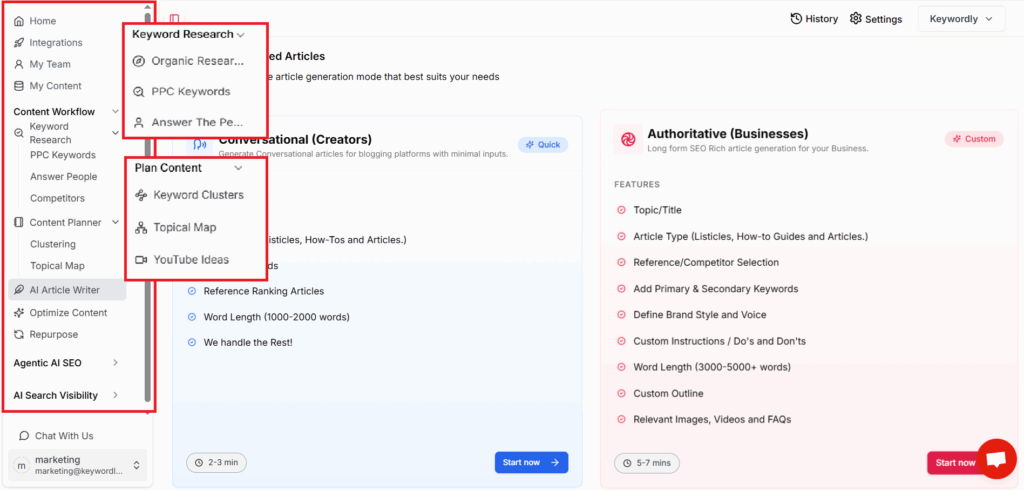
    Keywordly – Content Workflow Process

    Ideation sets the foundation for successful content projects by pinpointing engaging topics and strategic keywords. Start by researching trending and evergreen subjects relevant to your audience and business goals. Use audience insights to determine what resonates with your ideal readers and align topics with both user intent and SEO objectives. For instance, Keywordly’s AI-driven recommendations help content creators uncover high-value keyword opportunities, fostering data-driven decision-making. Brands employing this approach, like leading SEO agencies, have consistently reported stronger traffic growth and better user engagement.

    “High-performing teams don’t rely on individual effort—they rely on optimized content workflows that remove guesswork and scale output without sacrificing quality.”

    Planning: Editorial Calendars and Briefs

    content workflow A
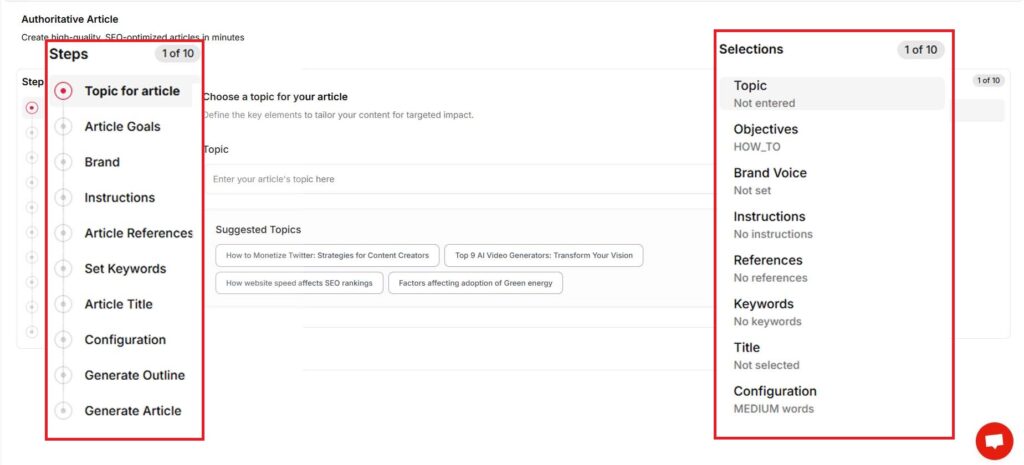
    Keywordly – Content Workflow Process, Feature to Set Topic, Brand & Keywords

    Effective planning ensures ideas are transformed into actionable content assets. Utilize editorial calendars to map out content topics, publishing schedules, and responsible team members. Detailed content briefs clarify messaging, target keywords, tone, and desired outcomes, creating alignment across writers and editors. Marketing teams using Keywordly’s collaborative calendar have streamlined their workflows by reducing missed deadlines and improving consistency. A well-structured plan exemplifies how thorough preparation supports scalable results for agencies and in-house teams alike.

    Production: Writing, Editing, and Collaboration Tools

    Production is where your ideas become tangible assets. Begin drafting copy that follows the guidelines set in briefs while integrating on-page SEO best practices. Leverage editing tools to enhance clarity, quality, and keyword optimization. Collaborative platforms like Keywordly enable seamless feedback exchange, simultaneous editing, and real-time optimization suggestions—removing bottlenecks commonly faced by distributed teams. This structured, tool-supported approach has enabled businesses to maintain a high content output without sacrificing quality.

    Review and Approval Processes

    Structured review processes ensure content aligns with brand standards and SEO requirements. Implement a multi-stage approval cycle, starting from peer reviews to final managerial sign-off. Keywordly’s workflow enables reviewers to annotate drafts, track changes, and confirm compliance before publication, significantly reducing errors. Agencies that formalize their review systems report higher approval rates and improved brand reputation by consistently delivering polished, value-driven content to their audience.

    Read this Article: How to Optimize Blogs for SEO and Complete Guide and Tips

    The Role of Workflow Tools in SEO Success

    The Role of Workflow Tools in SEO Success
    The Role of Workflow Tools in SEO Success

    SEO is multi-faceted, involving structured planning, research, content creation, and ongoing optimization. Workflow tools like Keywordly streamline these operations, helping teams focus on high-impact tasks and measurable results. Reliable tools not only speed up execution but also ensure consistency and scalability for content creators, agencies, and marketing departments aiming to grow online visibility.

    Centralizing Research, Writing, and Optimization

    It can be challenging to manage keyword research, content development, and SEO optimization across multiple platforms and documents. Keywordly brings these processes together in a single workspace, so users don’t waste time switching tabs or tools. For instance, a digital agency using Keywordly can research top-converting keywords, draft content, and optimize it for SEO—all from one dashboard. This centralization fosters efficiency, reduces errors, and keeps teams focused on achieving growth targets.

    AI-Driven Recommendations and Automation

    Manual SEO optimization often leads to missed opportunities and inconsistent results. Keywordly’s AI-powered engine analyzes content for search intent, keyword opportunities, readability, and competitor benchmarks, providing actionable feedback in real time. By automating routine checks and content scoring, teams can produce higher-quality content at scale and capitalize on emerging trends. Marketing teams have reported significant increases in ranking keywords after implementing automated AI suggestions within their publishing workflow.

    Collaboration Features for Teams and Agencies

    SEO success hinges on seamless collaboration between content creators, strategists, and editors. Keywordly’s workflow management lets multiple users track progress, assign tasks, and provide feedback within the same platform. Features such as shared content calendars, real-time editing, and permissions simplify project management—particularly for agencies collaborating across departments or with clients. For example, a remote marketing team can collaboratively execute a multi-page website update, ensuring consistency and timely delivery.

    Integrating Platforms like Google and ChatGPT with Keywordly

    Integrating diverse platforms supercharges content strategies by leveraging best-in-class tools without friction. Keywordly connects directly with Google for instant SERP insights and performance tracking while enabling content customization for ChatGPT and other AI interfaces. With this integration, businesses can distribute and optimize content seamlessly across search and AI-powered platforms, ensuring maximum visibility and engagement. Case studies show that brands that unify their workflow with Keywordly consistently outperform competitors in organic reach and search traffic.

    Setting Up Your Content Workflow with Keywordly

    Keywordly transforms how content teams approach SEO by consolidating research, optimization, and publishing in one streamlined platform. Whether you’re part of an SEO agency, a marketing team, or a business owner, establishing a clear workflow with Keywordly can help you consistently produce high-ranking content and improve brand visibility across platforms.

    Account Setup and Team Onboarding

    Getting started with Keywordly begins with creating your organization’s account and inviting team members to collaborate. Assigning roles—such as administrators, editors, and writers—ensures everyone has the right level of access and responsibilities tailored to their function. Teams quickly find the intuitive dashboard and onboarding resources helpful for smooth integration with existing processes, facilitating seamless adoption and immediate productivity gains.

    Customizing Workflows for Your Organization

    Every organization has distinct content needs, and Keywordly makes it easy to tailor workflows accordingly. You can set up templated brief structures, define approval stages, and assign tasks based on your team’s specific requirements. For instance, a marketing agency might customize workflows to align with client review cycles, ensuring compliance and timely delivery for every campaign.

    AI-Powered Research and Content Briefs

    Keywordly’s AI-driven research capabilities accelerate the initial stages of content planning. By generating detailed content briefs that include keyword research, competitive insights, and topic ideas, the platform removes guesswork and standardizes content strategy across teams. A real-world example: a SaaS company can leverage the AI to surface high-intent keywords, generating briefs that direct writers to target search terms efficiently and increase organic reach.

    Tracking Progress and Measuring Outcomes

    Tracking end-to-end workflow progress is key to scaling content efforts and ensuring ROI. Keywordly offers dashboards for monitoring task status, measuring individual and team productivity, and analyzing content performance post-publication. Teams in ecommerce, for example, can compare rankings and traffic uplift to specific content pieces, allowing for continuous improvement and better targeting in future campaigns.

    Workflow Strategies for High-Impact Website Content Optimization

    Workflow Strategies for High-Impact Website Content Optimization
    Workflow Strategies for High-Impact Website Content Optimization

    Optimizing website content to maximize search visibility involves more than just keyword research. Effective workflow strategies consider user intent, evolving SEO best practices, and brand consistency. Platforms like Keywordly empower marketing teams, content creators, and SEO agencies to bridge these priorities with robust, AI-driven content workflows. Here’s how to align and streamline your approach for greater impact.

    Mapping Workflows to User Intent and Search Demand

    Aligning content creation workflows with actual user intent and current search demand ensures your resources focus on topics and formats proven to drive engagement. Start by analyzing popular search queries, then categorize them based on informational, navigational, or transactional intent. This mapping informs each stage of the process — research, drafting, and review — ensuring every piece addresses a genuine user need. For example, a SaaS business might discover high intent “how to” searches for their solution, prompting workflow adjustments to prioritize actionable instructional content.

    Optimizing for On-Page SEO: Structure, Metadata, and Keywords

    Structuring content for SEO requires tactical integration of keywords, compelling metadata, and a logical heading hierarchy. Develop step-by-step checklists for drafting, such as targeting semantic keywords, incorporating internal links, and optimizing title tags and meta descriptions before publishing. Using a workflow platform like Keywordly, teams can automate on-page checks and receive real-time suggestions, ensuring nothing critical slips through. Agencies report improved rankings and increased click-through rates after standardizing these steps in their production flow.

    Integrating Brand Guidelines and Compliance Checks

    Consistency reinforces trust and credibility. Embed your brand’s voice, terminology, and compliance rules directly into the content workflow. Begin by centralizing brand guidelines, creating approval stages, and automating compliance checks for legal or regulatory requirements. This process avoids last-minute rewrites and protects brand integrity. For instance, finance teams using Keywordly can flag content requiring legal review, streamlining approval and keeping all material aligned with internal standards.

    Adaptive Workflows for Evergreen and Trending Topics

    Sustained organic traffic depends on a dynamic workflow that balances evergreen topics with timely trends. Set up processes for ongoing performance monitoring, content updates, and rapid topic deployment based on analytics or social buzz. With platforms like Keywordly, marketers can identify rising trends and seamlessly assign updates, blending long-term value with agility. Retail brands have seen lasting SERP improvements by regularly refreshing seasonal content and capitalizing quickly on new topics within their established workflow.

    Best Practices: Streamlining Production and Review

    Efficient content production and review processes directly impact a team’s ability to deliver high-quality, optimized content at scale. Whether you’re a marketing team, agency, or content-focused business, establishing clear workflows is essential for meeting deadlines and upholding brand standards. Keywordly offers a suite of tools that automate and harmonize these steps, ensuring seamless collaboration and driving organic growth on platforms like Google and ChatGPT.

    Automating Repetitive Tasks with Workflow Tools

    Manual repetition slows down production and introduces errors. By leveraging workflow automation tools, such as task assignments, notifications, and auto-tagging within platforms like Keywordly, teams can keep projects moving smoothly. For example, agencies have adopted automated brief generation and keyword research features, cutting setup time by half and allowing creators to focus on strategic tasks instead of manual data gathering.

    Version Control and Multi-Stage Approvals

    Managing multiple content drafts and stakeholders requires a robust system for version control and staged approvals. Implementing a clear versioning protocol prevents confusion, lost edits, and unauthorized changes. With Keywordly, each content update is tracked, allowing reviewers to access version histories, leave feedback, and approve materials in stages, mirroring best practices seen at leading SEO agencies and multinational marketing teams.

    Setting Quality Standards and SEO Checklists

    Clear quality benchmarks and SEO checklists ensure consistency across published works. Creating documented standards—such as word count, readability, keyword integration, and tone—guides contributors and reviewers. Many businesses integrate Keywordly’s real-time SEO scoring and optimization suggestions, using them as checklists that writers and editors reference before final submission, drawing from case studies where companies increased organic visibility by 27% after standardizing review protocols.

    Collaboration Tips for Remote and Hybrid Teams

    Remote and hybrid environments demand deliberate communication strategies and shared access to tools. Utilizing centralized platforms for discussion, idea sharing, and progress tracking strengthens alignment. Teams using Keywordly leverage its integrated commenting, file sharing, and real-time editing, enabling cross-functional collaboration and swift resolution of issues—an approach successfully adopted by digital agencies with global contributors.

    Measuring Workflow Impact on Content Performance

    Measuring Workflow Impact on Content Performance
    Measuring Workflow Impact on Content Performance

    Evaluating how your content workflow affects performance is crucial for refining strategies and achieving tangible SEO gains. By tracking specific metrics and leveraging data-driven platforms like Keywordly, teams can fine-tune their processes, drive superior results, and demonstrate the real value of improved workflows. Effective measurement ensures your workflow improvements translate directly into increased visibility and broader reach across channels like Google and ChatGPT.

    Defining KPIs: Ranking, Traffic, Engagement

    Establishing the right key performance indicators (KPIs) is the first step in assessing workflow impact. Focus on measuring organic search rankings, tracking website traffic, and monitoring user engagement metrics such as time on page, bounce rate, and conversion actions. Doing so enables content creators and marketers to set clear benchmarks and measure progress toward desired outcomes.

    Using Analytics to Diagnose and Refine Workflows

    To make meaningful improvements, teams should implement analytics tools that reveal where workflow bottlenecks or inefficiencies are occurring. Keywordly’s integrated analytics highlight areas where content is stalling before publication, or opportunities where optimization can have the greatest effect. By examining detailed performance reports, users can identify specific steps in the process needing improvement, ensuring each stage contributes to better rankings and higher engagement.

    Reporting Dashboards and Visibility Gains

    Centralized reporting dashboards are essential for tracking workflow impact over time. Utilize dashboards to visualize trends in SEO performance and quickly spot correlations between workflow changes and outcomes like keyword gains or increased impressions. Platforms such as Keywordly provide customizable reports that enhance internal communication and show stakeholders the progression of visibility and reach resulting from workflow optimization efforts.

    Real-World Examples of Workflow-Driven SEO Improvement

    Many businesses have achieved notable SEO wins through strategic workflow enhancements. For instance, a marketing team using Keywordly automated their research and publishing process, decreasing turnaround time by 40% and boosting organic traffic by 25% within six months. These case studies illustrate the direct link between streamlined workflows and measurable improvements in search rankings and brand presence, offering actionable insights for organizations looking to replicate this success.

    Overcoming Common Content Workflow Challenges

    Content creators, marketing teams, and SEO agencies often encounter roadblocks that hinder productivity, creativity, and delivery timelines. For businesses aiming to drive organic traffic and visibility with platforms like Keywordly, recognizing workflow challenges is the first step toward developing robust, scalable solutions. Below, we break down common issues and offer proven, actionable strategies—illustrated by real-world applications.

    Common SEO Content Workflow Mistakes

    Many teams fail to see results because their content workflows are fragmented or inconsistent.

    Common mistakes include:

    • Creating content without an optimized content workflow
    • Treating SEO as a final checklist instead of part of content operations
    • Scaling content production without a defined content operations workflow
    • Publishing content without post-publish optimization

    To rank consistently, teams must build and optimise content workflows that evolve with performance data.

    “Most SEO content failures come from broken workflows—not poor writing or weak keywords.”

    Content bottlenecks typically occur when tasks pile up or transition inefficiencies emerge between planning, creation, editing, and publishing. Delays in approvals or unclear responsibilities can paralyze otherwise streamlined processes.

    Action Step: Map your workflow to identify handoffs and adopt automation tools like Keywordly to centralize communication, automate task assignments, and track progress. For example, a digital agency used Keywordly’s task visibility dashboard to reduce review delays, achieving a 30% faster turnaround on deliverables.

    Managing Cross-Functional Teams and Feedback Loops

    Content creation involves multiple stakeholders—SEO strategists, writers, editors, and compliance reviewers—often causing friction or misaligned feedback. Introducing clear feedback protocols and centralized hubs for comments keeps everyone aligned and minimizes revision rounds. Action Step: Define each team member’s review window and consolidate feedback using collaborative platforms integrated with Keywordly. A SaaS marketing team implemented this system, leading to smoother coordination and a measurable boost in content delivery rates.

    Balancing Creativity with SEO and Compliance

    Content must engage audiences while adhering to SEO rules and industry regulations. Creativity can be stifled if optimization or compliance is treated as an afterthought. Action Step: Align creative briefs with SEO guidelines using tools like Keywordly, which embed compliance checks and keyword targeting into the content workflow. A health tech firm streamlined its approval process, allowing writers more creative freedom while maintaining regulatory and SEO standards.

    Scaling Content Output Without Sacrificing Quality

    As businesses scale up their content efforts, quality can dip if systems aren’t in place to manage volume. The key is to standardize processes and leverage automation for research and optimization, maintaining quality at every stage. Action Step: Use Keywordly’s AI-driven content briefs and quality checks to expedite content creation without compromising accuracy or relevance. Several content agencies reported doubling their monthly output while preserving editorial quality by automating their workflow with Keywordly.

    Scaling Content Operations with AI-Powered Workflow Tools

    Organizations aiming to grow their digital presence face increasing demands for quality, consistency, and speed in content production. Leveraging advanced AI-driven platforms like Keywordly empowers teams to effectively manage and expand content operations. These tools streamline ideation, optimization, and publishing, allowing content creators, SEO agencies, and marketing teams to focus on impactful strategy rather than repetitive tasks.

    Benefits of AI for Ideation, Optimization, and Distribution

    AI-powered workflow tools help content teams unlock fresh topic ideas, analyze performance metrics, and optimize for target keywords efficiently. By automating keyword research and content gap analysis, teams can generate relevant content ideas faster and with greater accuracy. These platforms also assist in real-time optimization for SEO, ensuring each piece aligns with the latest search trends and best practices, saving valuable time and increasing ROI.

    Automating Content Audits and Updates

    Conducting regular content audits and updates is crucial for maintaining online visibility and relevance. With AI-powered platforms like Keywordly, teams can automate performance reviews by scheduling audits that detect outdated information, keyword cannibalization, and missed optimization opportunities. The system generates actionable recommendations, enabling quick refreshes and ensuring website content remains competitive and aligns with search engine requirements.

    Case Study: How Brands Use Keywordly to Drive Growth

    Many businesses have successfully scaled their content operations using Keywordly’s suite of tools. For example, a mid-size e-commerce brand integrated Keywordly to automate keyword research, optimize product descriptions, and streamline publishing workflows. As a result, their content team increased output by 40% while boosting organic traffic and keyword rankings across both Google and ChatGPT, underscoring the platform’s effectiveness.

    Future Trends: Voice, AI, and Omnichannel Optimization

    The future of content operations points to increased integration of AI with voice search and omnichannel strategies. Platforms like Keywordly are evolving to optimize content not only for traditional search engines but also for voice assistants and multiple digital channels. Staying ahead by embracing these trends ensures brands maintain visibility and engagement as user search behaviors shift toward voice queries and cross-platform experiences.

    Conclusion

    Recap of Why Content Workflow Is Key to Website Optimization

    Optimizing websites for search engines is not just about keywords, but about implementing a well-structured content workflow. By clearly defining each stage—from research to publishing—teams can eliminate bottlenecks and reduce errors. This streamlined process ultimately results in higher quality content that resonates with both users and search engines, boosting site performance and organic rankings.

    The Benefits of Workflow Tools Like Keywordly for Teams and Agencies

    Leveraging workflow platforms such as Keywordly empowers teams and agencies to coordinate seamlessly, automate repetitive tasks, and ensure that every piece of content aligns with strategic SEO goals. For example, a marketing agency utilizing Keywordly can collaborate in real-time, assign tasks based on expertise, and track content performance analytics, leading to measurable improvements in client results. These tools make it easier to standardize processes and scale content operations.

    Action Steps: How to Build and Enhance Your Workflow Starting Today

    Begin by auditing your current content process to identify inefficiencies or gaps, such as unclear task responsibility or manual keyword research. Next, introduce a workflow tool like Keywordly to centralize tasks, enable AI-driven optimization, and integrate publishing schedules. Encourage your team to adopt new routines and track progress, adjusting workflows based on regular feedback and analytics to continuously improve performance.

    Final Thoughts on Scaling SEO Success in the Evolving Digital Landscape

    As search engines introduce new algorithms and platforms like ChatGPT influence user discovery, having a flexible and robust content workflow is essential. Businesses that prioritize scalable, AI-powered processes—such as those offered by Keywordly—are better positioned to adapt quickly and sustain long-term organic growth. Embracing these best practices not only streamlines operations but also ensures that content remains visible and relevant across evolving digital channels.

    “As content scales, optimized content workflows become essential for maintaining quality, consistency, and measurable SEO results.”

    Read this Article: SEO Content Strategy That Works in 2026:Attract High-Intent Search Traffic

    Read this Article: AI Content Writing: 5 Proven Steps to Create High-Quality Content

    FAQs About Content Workflow & Website Content Optimization

    Effective content workflows and robust website optimization are essential for building a consistent online presence and driving organic growth. Streamlining content processes not only saves time but also enhances your team’s ability to produce high-performing, SEO-driven content. This section provides actionable insights, supported by real-world examples, to help content creators, agencies, and marketing teams leverage tools like Keywordly for better results.

    What is content workflow and how does it improve content optimization?

    Content workflow is a systematic process that guides content from ideation through publication and performance analysis. When optimized, this framework ensures that all content meets defined quality and SEO standards before it goes live. By implementing a reliable workflow, such as using Keywordly, teams can consistently improve search rankings, maintain brand voice, and increase content ROI.

    How do workflow tools like Keywordly help streamline content creation and SEO?

    Workflow platforms like Keywordly automate keyword research, manage editorial calendars, and offer AI-driven optimization features to ensure every piece is search-engine ready. These tools minimize manual effort, centralize collaboration, and enable seamless tracking of content performance. Agencies using Keywordly have reported substantial time savings and better Google rankings for their clients by unifying these processes.

    Can workflow tools integrate with platforms like Google and ChatGPT?

    Yes, advanced platforms offer integrations with essential tools such as Google Analytics, Google Search Console, and AI assistants like ChatGPT. This connectivity enables real-time content insights and AI-generated recommendations, fostering seamless content updates. For example, Keywordly allows users to directly optimize and publish content for Google and leverage ChatGPT for enhanced content ideation and editing within their workflow.

    What are the key steps to setting up a successful content workflow?

    Begin by defining clear content goals and mapping out each workflow stage, from research to approvals. Next, select a centralized platform like Keywordly to manage assignments, deadlines, and optimization tasks. Regularly review analytics and adjust processes to improve efficiency and SEO outcomes—agencies have seen meaningful improvements by incorporating these steps into their teams’ routines.

    How does content workflow support scaling for agencies and marketing teams?

    Optimized workflows automate repetitive processes and provide templates that facilitate quick onboarding of new team members. This scalability enables agencies and marketing teams to handle increased client demands without sacrificing quality. For instance, agencies using Keywordly routinely double their output by leveraging organized workflows and built-in SEO guidance across multiple projects.

    What are the most common mistakes when optimizing website content workflows?

    Common pitfalls include overcomplicating processes, neglecting regular reviews, and failing to define measurable KPIs. Teams often lose efficiency by managing assets across disparate tools or skipping collaboration checkpoints. Brands have addressed these issues by consolidating workflow management and using platforms like Keywordly to centralize and streamline their complete content lifecycle.