Category: Uncategorized

  • How to Track SEO Progress Effectively

    How to Track SEO Progress Effectively

    Imagine dedicating months to crafting high-quality content and building backlinks—only to feel unsure if your SEO efforts are actually moving the needle. Many businesses pour resources into search optimization, but tracking genuine progress can be much harder than it seems. Without clear insight into what’s working, even the most promising strategies are left to guesswork.

    Knowing exactly how to measure your SEO success unlocks the potential for smarter content planning, stronger visibility, and measurable growth in traffic and conversions. By understanding how to analyze organic performance, monitor keyword rankings, assess on-page health, and evaluate backlinks regularly, you gain actionable data that informs every step forward. While getting results takes consistent effort over weeks or months, the right approach to tracking ensures you’re investing in what matters most.

    Measuring SEO without the right tools is like sailing without a compass—progress feels busy, but directionless. In the world of content-driven growth, tracking your performance isn’t just data—it’s your competitive advantage.

    Reference:
    A Complete Guide To SEO Tracking (Updated 2025)

    Introduction

    The Importance of Tracking SEO Performance

    Effective SEO has emerged as a central lever for success in digital marketing, allowing brands to capture qualified traffic and outperform competitors in organic search. Yet, quantifying whether SEO strategies actually contribute to business growth is often a complex challenge. Many content creators and marketing teams invest significant resources into keywords, technical optimization, and content production without a clear path to measure impact or ROI.

    Accurate tracking of SEO performance delivers critical clarity. For example, Adobe’s marketing team used robust SEO metrics and attribution modeling to identify a 30% year-on-year increase in organic-driven conversions after implementing detailed keyword and engagement tracking. Without reliable data, this growth would have remained obscured and difficult to replicate or scale.

    For both agencies and in-house teams, adopting precise SEO tracking opens the door to smarter decisions and data-driven improvements. Teams can spot trending opportunities, shift resources, and justify SEO investment using transparent, goal-oriented metrics. Consider Spotify, which leveraged SEO analytics to optimize their artist pages, leading to a 40% boost in organic discovery according to industry case studies. Their example showcases how tracking elevates not just visibility, but tangible business outcomes.

    In this guide, you’ll learn structured, step-by-step methods for tracking SEO, selecting the right KPIs for different goals, and measuring true SEO impact using actionable frameworks. Expect practical insights, common troubleshooting tips, and examples drawn from real-world scenarios to help your content team or agency achieve continuous, measurable improvement.

    1. Define Clear SEO Goals for Performance Tracking

    1. Define Clear SEO Goals for Performance Tracking

    Establishing the SEO-Business Objective Link

    Before launching any SEO initiative, it’s essential to connect your search optimization efforts back to core business outcomes. Clear alignment ensures SEO becomes a strategic driver—not an isolated activity. For example, if a B2B company like HubSpot is focused on increasing demo requests, their SEO performance metrics would likely prioritize targeted content driving sign-ups through organic channels.

    Linking SEO goals directly to revenue or brand visibility offers both focus and justification for resources. According to guidance from How to See and Monitor My SEO Progress in 2025?, setting foundational SEO goals requires this direct connection to larger objectives.

    Setting SMART SEO Targets

    Applying the SMART framework drives disciplined, results-oriented SEO strategies. This means goals must be Specific, Measurable, Achievable, Relevant, and Time-bound. For instance, a digital publisher like NerdWallet might set a SMART goal to “increase organic sessions by 30% in six months from high-value finance terms.”

    This approach prevents vague targets and facilitates progress tracking. Teams are more accountable and avoid the pitfall of “increase traffic someday,” which lacks direction and urgency.

    Identifying Primary and Secondary Goals

    Effective SEO tracking distinguishes between core goals—such as boosting organic revenue—and secondary targets like improving blog post engagement or video SEO rankings. E-commerce giant Chewy, for example, might focus on primary sales conversions while monitoring secondary improvements in buyer guide views over the long term.

    This layered approach supports both immediate wins and sustained growth, ensuring no key performance area is overlooked.

    Aligning Goals Across Stakeholders

    SEO success hinges on cross-team buy-in. When content creators, technical SEO partners, and marketing leads share clear, unified objectives, collaboration thrives. For instance, when Mailchimp expanded their content teams, regular alignment sessions ensured developers, content marketers, and SEO managers chased the same goals for seasonal campaigns.

    Shared understanding means fewer miscommunications and enhances the agility needed to seize new search opportunities quickly.

    2. Choose the Right SEO KPIs (Key Performance Indicators)

    2. Choose the Right SEO KPIs (Key Performance Indicators)

    2. Choose the Right SEO KPIs (Key Performance Indicators)

    Understanding Which SEO KPIs Matter

    Not all SEO metrics provide equal value. Identifying the KPIs most relevant to your organization starts with clarifying your business model and marketing objectives. For example, an e-commerce company such as Zappos may prioritize conversion rate and revenue per visitor, whereas a content publisher like HubSpot could focus on organic traffic growth and keyword ranking distribution.

    Metrics such as organic traffic, keyword rankings, click-through rate (CTR), bounce rates, and conversions each illuminate different facets of SEO performance. Selecting the right KPIs means matching these indicators to the outcomes that propel your business forward, rather than simply choosing what’s easy to measure.

    Leading vs. Lagging Indicators

    Effective KPI selection depends on understanding the distinction between leading and lagging indicators. Leading indicators, such as the number of indexed pages or new backlinks earned, offer early signs that an SEO strategy is gaining traction. For instance, monitoring the rate at which Ahrefs detects new referring domains can signal the momentum of your link-building efforts.

    Lagging indicators—like monthly revenue from organic traffic—demonstrate historical outcomes. Balancing these two types of metrics gives your team a clear sense of both current progress and overall ROI, enabling smarter, data-driven decisions.

    Connecting KPIs to Business Outcomes

    SEO success is only meaningful when tied directly to business goals. Each chosen KPI should have a transparent relationship to real-world outcomes such as sales, qualified leads, or user engagement. For example, Salesforce uses a combination of demo requests and lead completions driven by SEO as their primary benchmarks for content performance, directly correlating search visibility to revenue.

    Mapping SEO-focused metrics—like ranking for high-converting terms—back to revenue-impacting actions helps avoid vanity reporting and ensures your efforts are genuinely moving the needle for the business.

    Avoiding Vanity Metrics

    With many metrics at your disposal, it’s easy to get distracted by those that appear impressive but have little business impact. High impressions, for example, may signal broader reach but offer little value if not paired with increased CTR or conversions. An Adobe Digital Insights report found that while overall site visits increased, only sites that saw uplift in engagement or transactions experienced sustainable growth.

    Concentrate on metrics that move you toward your business objectives and offer actionable insights. Regularly reevaluate your chosen KPIs to ensure they reflect both your SEO maturity and business priorities.

    Reference:
    SEO KPIs: 12 KPIs for SEO to Track & Measure

    3. Implement Robust SEO Performance Tracking Tools

    Comparing Popular SEO Tracking Platforms

    Choosing the right SEO tracking platform requires a close look at functionality, reliability, and integration options for your business objectives. Industry leaders such as Google Analytics and Google Search Console offer reliable, no-cost insights on visitor behavior and site health, forming the backbone of most SEO workflows.

    Premium tools like SEMrush, Ahrefs, and Moz deliver advanced capabilities such as deep backlink analysis, keyword tracking, and site audits. For instance, SEMrush’s Keyword Magic Tool provides access to over 20 billion keywords, enabling marketers to find low-competition opportunities. Some agencies build custom dashboards combining sources, like integrating Google Data Studio with Ahrefs and Search Console for holistic, on-demand reporting. Each platform has distinct strengths—Ahrefs excels in backlink intelligence, while Moz is praised for its user-friendly interface and local SEO features.

    Integrating Tools with Your Content Workflow

    Embedding SEO tracking systems into existing content and analytics platforms boosts transparency and efficiency. For example, embedding Google Search Console’s coverage reports directly into project management workflows in tools like Asana or Trello ensures content teams can instantly spot indexing issues before publishing.

    Automatic data pulls into editorial calendars—such as syncing SEMrush’s position tracking with CoSchedule—help writers align content with shifting keyword trends without adding extra steps to their process. This seamless integration minimizes delays and keeps all stakeholders informed with up-to-date metrics tied to actual content performance.

    Leveraging Automation for Reporting and Alerts

    Automation allows teams to move beyond manual reporting and focus on strategy. Setting up automated dashboards in Google Data Studio lets marketing managers receive scheduled traffic or conversion summaries each week, removing repetitive data gathering tasks.

    Proactive alerts are also valuable, especially during ranking fluctuations. For example, Ahrefs’ Alerts feature can immediately notify teams if a critical keyword drops in ranking or if significant backlinks are lost, enabling quick action to mitigate negative trends. These data-driven automations transform SEO from a reactive to a proactive discipline.

    Free vs. Paid SEO Tools

    Budget considerations often drive the selection between free and paid SEO tools. Free options such as Google Analytics and Search Console offer robust baseline data, ideal for startups or small businesses monitoring basic KPIs. However, they may lack depth needed for enterprise-scale analysis.

    Paid solutions like Ahrefs or SEMrush bring extensive functionality, such as competitor benchmarking and historical data access, that can support aggressive growth goals. Evaluating ROI is essential; businesses should weigh the frequency and type of KPIs they need to track—such as those highlighted in 16 SEO KPIs You Should Be Tracking in 2025—before deciding on the investment. Teams with complex or large-scale needs often find paid platforms indispensable for achieving meaningful SEO gains.

    Reference:
    15 Best SEO Reporting Tools Reviewed for 2025

    4. Monitor and Analyze Organic Traffic Trends

    4. Monitor and Analyze Organic Traffic Trends

    4. Monitor and Analyze Organic Traffic Trends

    Tracking Site-Wide and Page-Level Organic Sessions

    Analyzing organic traffic requires a layered approach that looks at both the overall site performance and individual URLs or landing pages. Reviewing traffic trends at these levels provides context around which areas are thriving and which may need intervention.

    For instance, Shopify regularly monitors organic sessions to core product pages—such as their “How to Start an Online Store” guide—to identify which content drives significant inbound interest. Leveraging Google Analytics or platforms like Ahrefs, marketing teams can swiftly spot which pages earn the most organic visits and which lag behind, enabling more targeted optimizations.

    Identifying Spikes, Drops, and Seasonality

    Sustained visibility depends on the ability to distinguish between notable traffic changes and normal business cycles. When a sudden drop occurs, as in the September 2022 Google core algorithm update that affected many e-commerce domains, analyzing event timelines against traffic data helps pinpoint issues.

    Brands like Airbnb noticed traffic surges during peak travel seasons. Recognizing such patterns prevents misinterpretation of normal seasonal dips as SEO failures, focusing corrective efforts on genuine issues.

    Audience Behavior Segmentation

    Segmenting organic traffic reveals insights that can get lost in aggregate data. Breaking down users by device, location, or source allows marketers to pinpoint friction points and growth areas.

    An example: The New York Times found rising mobile traffic from international regions, prompting them to adjust page speed and localization strategies. Using Google Analytics’ segmentation tools, businesses can perform similar granular investigations to inform optimization decisions.

    Benchmarking Performance

    True progress emerges only when results are compared against relevant benchmarks—both historical and industry-specific. Comparing current performance to previous months or years illuminates growth patterns and helps teams set realistic targets.

    For example, the SEO team at Moz assesses their performance by reviewing year-over-year organic traffic growth and comparing it to industry data from platforms such as SEMrush’s “Organic Research”. This context ensures targets reflect market realities, reducing the risk of setting unachievable goals.

    Reference:
    7 Best Website Traffic Analysis Tools (2025 Guide)

    5. Track Keyword Rankings and Visibility

    5. Track Keyword Rankings and Visibility

    Monitor Priority Keyword Rankings

    Routinely monitoring keyword rankings is essential for understanding how your SEO efforts translate to real visibility. Focus specifically on high-priority terms that directly impact lead generation or sales. For example, HubSpot regularly tracks its position for phrases like “CRM software” and “marketing automation platforms” to ensure they are reaching decision-makers and maintaining their search share.

    By visualizing changes over time, teams can spot upward trends following a content refresh or identify sudden drops that may indicate new competition or technical issues. Tools like SEMrush and Ahrefs offer keyword position tracking with daily updates and historical graphs.

    Assess SERP Feature Appearances

    The modern search landscape is filled with SERP features such as featured snippets, local packs, and People Also Ask boxes. Beyond basic rankings, it’s vital to track a keyword’s presence in these enhanced elements. For example, Moz’s 2022 research found that over 23% of Google searches now show a featured snippet, offering significant opportunities for brands to increase above-the-fold visibility without being strictly “#1.”

    Tracking SERP feature appearances helps brands like NerdWallet, which targets financial queries, assess their prominence in comparison-shopping boxes or rich answers, directly impacting click-through rates and traffic volume.

    Identify New Opportunities and Cannibalization Risks

    Analyzing keyword data over time often reveals emerging topics relevant to your industry. Monitoring rising queries—such as “AI content checklist”—lets businesses like ContentKing quickly launch targeted content to capitalize on new interest. Early movers often secure traffic before a term becomes competitive.

    Simultaneously, you must watch for cannibalization, where multiple pages rank for the same keyword. This dilutes authority and can depress rankings. For instance, Backlinko reported stronger results after consolidating blog posts that targeted overlapping terms. Routinely auditing keyword distribution prevents wasted ranking potential.

    Using Rank Tracking for Content Strategy

    Rank tracking should directly inform your content planning and optimization cycles. By analyzing which topics are climbing, you can prioritize expansion. For example, if a law firm’s blog rises from page three to page one for “workplace harassment policy,” that signals a topic worth deeper coverage or a follow-up guide.

    Underperforming assets—those slipping in the rankings or failing to appear in SERP features—should be flagged for updates. Buffer, for instance, routinely audits and refreshes top posts like their “Social Media Calendar Templates” when keyword visibility wanes, which helps recover traffic and maintain authority.

    Reference:
    5 Amazing Rank Tracking Tools for 2026

    6. Measure On-Page and Technical SEO Performance

    6. Measure On-Page and Technical SEO Performance

    6. Measure On-Page and Technical SEO Performance

    On-Page Audits

    Regular on-page audits ensure that your website’s content is optimized for both search engines and users. This process involves evaluating meta tags, heading structures, and the depth and organization of your content. For example, Ahrefs analyzed over 1 billion web pages to reveal that nearly 74% are missing critical meta descriptions, which can impact click-through rates significantly.

    Each page should intentionally align with strategic keywords as well as the user’s search intent. Tools like SEMrush and Clearscope are valuable for mapping pages to target search terms and identifying gaps in content relevancy. Reviewing your content structure also helps maintain clarity—Shopify increased organic traffic by 21% after restructuring H2/H3 headings on their blog content to better match user intent.

    Assessing Technical Issues

    Technical SEO health is key for accessibility and rankings. Regular reviews should include crawl error reports, site speed audits, and mobile usability checks. Google’s Search Console is a standard for diagnosing crawl issues; for example, The Guardian resolved over 2,000 crawl errors after a systematic technical audit, resulting in improved indexation rates.

    Addressing blockers—like broken internal links, slow-loading scripts, or duplicate content—is essential. Overlooking these technical problems can cause even high-value pages to struggle in search results. A common misstep is neglecting to compress images, which can delay site speed and lead to traffic losses, as documented by HubSpot’s 2023 loading speed benchmark study.

    Monitoring Core Web Vitals and UX Signals

    Performance metrics such as Largest Contentful Paint (LCP), First Input Delay (FID), and Cumulative Layout Shift (CLS) are core web vitals that Google uses as ranking factors. Sites like eBay monitored and improved their LCP from 3.5s to 2s, resulting in a measurable increase in user engagement and conversions.

    Beyond vitals, track and interpret bounce rates, average time on site, and interaction metrics. Content that’s hard to read or navigate leads to higher bounce rates; this was evident when BBC News redesigned its mobile site and saw bounce rates decrease by nearly 10% within a few weeks.

    Using Structured Data

    Structured data, specifically schema markup, clarifies content context for search engines. Implementation helps earn rich results like featured snippets, FAQs, and product ratings. For example, after using product schema, Williams-Sonoma saw more than a 30% boost in their click-through rate from organic search results.

    Monitoring search appearance for enhanced snippets in Google Search Console helps you pinpoint which pages are benefiting. Troubleshooting incorrect schema is equally important, as misconfigurations can lead to lost visibility in search features.

    Reference:
    Essential Metrics For Measuring SEO Performance

    7. Track Backlink Growth and Quality

    Monitoring Number and Quality of Inbound Links

    Understanding both the volume and quality of your inbound links is critical for strong SEO performance. High-quality backlinks from authoritative domains serve as strong ranking signals for search engines, directly influencing your website’s visibility.

    For example, Moz recommends tracking both the Domain Authority (DA) and relevance of referring sites using tools like Ahrefs or SEMrush. If your site suddenly gains 50 links from low-authority directories in a month, but only one from a reputable news site like Forbes, the single authoritative link will likely carry more SEO value. Prioritize acquiring links from niche-relevant, trusted domains such as .edu partnerships, as Harvard University’s outgoing links (harvard.edu) are notoriously valuable.

    Toxic Link Identification and Disavowal

    A site’s reputation can suffer from harmful backlinks, whether due to past black-hat techniques or negative SEO. Toxic links often originate from spammy or irrelevant sources and can drag down your search rankings.

    To combat this, use Google Search Console to identify suspicious domains, such as links from domains that have been deindexed or flagged for spam. For instance, in 2022, Wix documented a case where a client’s backlink profile was cleaned up by disavowing over 200 toxic referring domains with Google’s Disavow Tool, leading to a measurable recovery in organic traffic within weeks.

    Benchmarking Competitor Backlink Profiles

    Analyzing competitor backlink profiles provides context for your own link-building success. Comparing your link quality and domains with strong industry players surfaces new opportunities.

    SEOs often use competitor research tools within Ahrefs or SEMrush to uncover unique referring domains. For example, if HubSpot’s domain comparison report shows that Mailchimp is receiving backlinks from industry blogs like Content Marketing Institute, you might approach similar publishers for collaboration or guest post opportunities.

    Measuring Brand Authority via Link Trends

    Brand authority builds over time, often reflected in steady backlink growth and an increase in links from authoritative domains. Regularly tracking these trends helps measure your digital footprint and inform strategy.

    As seen in a Backlinko case study, websites that experienced an increase in links from high-authority publishers such as Entrepreneur or The New York Times saw corresponding boosts in keyword rankings and organic traffic. Monitoring these patterns provides tangible evidence of brand growth and improved search visibility.

    Reference:
    7 Strategies to Get High Quality Backlinks in 2026

    8. Analyze Conversion Metrics and Business Outcomes

    Setting Up Goal Tracking

    Analyzing conversion metrics begins with proper goal tracking setup. Before measuring results, it’s essential to configure analytics platforms like Google Analytics or Adobe Analytics to precisely track key events—leads, resource downloads, newsletter sign-ups, and e-commerce sales—that reflect business priorities.

    For example, HubSpot recommends mapping each tracked event to a clear conversion definition. If your business objective is increasing software demos, set up an event goal that only triggers when a qualified lead books a demo through your landing page. This kind of alignment ensures reported conversion numbers have direct business relevance.

    Conversion Attribution to SEO Activities

    To maximize the value of SEO insights, tie conversions directly to organic channels. Use platform features such as Google Analytics’ Source/Medium breakdown or UTM parameters in links to distinguish traffic generated by SEO campaigns from other sources.

    Leading SaaS companies like Salesforce routinely track both branded and non-branded search performance. In one publicly shared case study, non-branded SEO drove over 30% of Salesforce’s new sign-up conversions in Q3 2022, proving the distinct impact of search intent and targeted content optimization.

    Assessing Assisted Conversions

    SEO rarely acts as a single source of conversion. Multi-touch attribution is critical—especially in B2B and services where complex journeys span several channels before a decision.

    According to a SEMrush report, assisted conversions are those where organic search contributed at any touchpoint, not just the final click. For instance, a customer may first find your solution through a blog post, then return through a direct visit or paid ad. Tools like Google Analytics’ Assisted Conversions report help quantify SEO’s influence across the full funnel, lending strategic insight into content and keyword investments.

    Connecting SEO ROI to Broader Marketing KPIs

    To demonstrate SEO’s true business value, marketing teams should calculate return on investment (ROI) by comparing organic spend and effort to tangible outcomes—such as revenue, qualified leads, or customer retention.

    For example, Zendesk evaluated its SEO-driven content strategy by tracking cost-per-acquisition (CPA) for each organic channel versus paid channels. Their internal analysis found organic CPA was 40% lower than PPC, strengthening the case for ongoing SEO investment and justifying resource allocation in quarterly marketing reviews. Integrating SEO results into overall marketing dashboards helps identify how search drives incremental growth across channels.

    Reference:
    Top 18 Conversion Metrics to Track in Digital Marketing

    Conclusion

    Key Takeaways for SEO Performance Tracking

    Effectively tracking SEO performance is vital for achieving measurable business growth. To avoid wasted efforts and resources, organizations should ensure their SEO objectives are directly linked to key business outcomes, such as revenue, lead generation, or increased client retention. For example, HubSpot aligns its SEO strategies with inbound lead targets, allowing the company to directly track how optimizations boost its overall pipeline.

    Embracing a data-driven mindset drives continuous improvement. Marketing teams can leverage Google Analytics and SEMrush to monitor keyword rankings, user engagement, and conversion rates. Airbnb famously improved organic acquisition by refining their on-page SEO based on granular data from Google Search Console, resulting in a significant increase in organic bookings.

    Consistent review and evolution of KPIs help avoid stagnation. Leading brands like Shopify schedule monthly SEO performance meetings to identify what’s working and adjust strategy when performance metrics plateau or decline. This proactive approach fosters sustainable growth.

    Successful organizations embed SEO tracking within daily workflows. By integrating monitoring tools like Ahrefs and Google Data Studio into team dashboards, agencies such as Siege Media ensure every campaign is aligned with up-to-date metrics, allowing them to seize new ranking opportunities as they arise.

    Implementation Steps

    1. Start a tracking plan: Define which KPIs matter most to your business. Example: A SaaS platform might focus on organic sign-ups tracked in HubSpot.
    2. Schedule recurring reviews: Set monthly or quarterly meetings to assess performance. Use custom dashboards to keep the entire content team informed.
    3. Pivot based on real data: If a keyword’s click-through rate drops, experiment with new meta titles or improve relevant content, ensuring swift response to changing trends.

    Missteps often include tracking vanity metrics or neglecting regular KPI reassessment. By learning from successful brands and integrating structured review processes, marketing teams can capture real business impact from their SEO efforts.

    FAQs

    Common Questions About Tracking SEO Progress

    Understanding the nuances of tracking SEO performance is essential for anyone managing digital content or online marketing efforts. Whether you’re with an agency or managing your own brand, knowing what to measure and how to respond can make a tangible difference in your results.

    Why is it important to regularly track SEO progress?

    SEO is dynamic—algorithm changes or competitor moves can shift your site’s position rapidly. By tracking progress, you can spot issues or capitalize on positive trends before they become significant. For instance, when HubSpot began monitoring keyword rankings every week, they identified a drop caused by a technical issue and quickly resolved it, regaining lost traffic within days.

    How often should I measure SEO KPIs for best results?

    The optimal frequency depends on your campaign size and industry pace. A weekly cadence is typical for fast-moving sectors like news or ecommerce (as practiced by Moz’s in-house team), while monthly reviews suit smaller sites. Monitoring too infrequently risks missing opportunities; too often, and you might react to normal fluctuations.

    What tools are best for SEO performance tracking?

    Industry leaders include SEMrush, Ahrefs, and Google Search Console. Each offers unique features—Ahrefs excels at comprehensive backlink analysis, while Search Console directly reflects how Google sees your site. Content teams at Shopify rely on SEMrush for daily reporting due to its robust competitor tracking and site audit tools.

    Can I measure SEO success without expensive software?

    Definitely. Google Analytics and Search Console are free and provide essential insights into traffic sources, keywords, and site health. For example, the nonprofit National Public Radio (NPR) uses these free tools to monitor organic growth and prioritize content updates.

    How do I know which KPIs are most relevant for my business?

    Your goals dictate the right KPIs. B2B firms may focus on lead quality and search visibility, whereas an ecommerce site values conversion rate and cart abandonment. H&M’s digital team centers on organic sales and product page traffic as their most telling metrics.

    What should I do if my SEO progress stalls or declines?

    Diagnose thoroughly: review recent changes, technical health, and competitive shifts. When Booking.com saw a ranking dip, they ran a page speed audit using Google PageSpeed Insights, uncovering that image optimization led to a swift rebound in rankings. Address core issues before making sweeping changes.

  • 5 Best Practices for Mobile SEO

    5 Best Practices for Mobile SEO

    Introduction

    Mobile SEO has rapidly become a decisive factor for digital success, with search data showing a clear shift: over 63% of Google searches in the United States now originate from smartphones, according to Statista’s 2023 report. As devices, user habits, and search engine algorithms evolve, optimizing for mobile isn’t optional—it’s essential for visibility and growth in every competitive industry.

    The expectations of smartphone users are strikingly high. A report by Google highlighted that 53% of mobile visitors abandon a site if it takes longer than three seconds to load. With competitors only a swipe away, businesses risk significant traffic and revenue losses if their mobile experiences fall short. Fast, intuitive interfaces are not just a perk but a ranking factor in Google’s mobile-first indexing approach.

    This resource distills the most impactful mobile SEO best practices for those who create or manage online content. Whether you oversee content for a local business, manage campaigns at an SEO agency, or plan strategy for a nationwide brand, these insights are tailored to help your team address today’s mobile-centric reality and stand out in the crowded digital landscape.

    The five strategies featured were selected for their proven effectiveness, direct ties to search rankings, and relevance to real-world business needs. Practical recommendations and illustrative examples from brands like Walmart and The New York Times offer clear pathways to mobile SEO success—not just theory, but approaches that deliver measurable improvement on actual mobile traffic and engagement metrics.

    Responsive Web Design

    Overview

    Responsive web design is crucial for ensuring a seamless user experience across all devices. By automatically adjusting layouts to a device’s screen size, brands can keep users engaged whether they browse on smartphones, tablets, or desktops. With mobile users generating over 54% of global web traffic (Statista, 2024), adapting to mobile behaviors no longer feels optional—it’s a competitive necessity.

    For example, The Guardian’s website uses a responsive approach, displaying high-resolution images and reorganizing content blocks for each screen size. This adaptability ensures readers can access articles comfortably, whether on a laptop at work or a mobile device during a commute.

    Key Details

    Implementing responsive web design relies heavily on CSS media queries that restructure grids and layouts to accommodate different devices. Tools like Bootstrap and Foundation help streamline this by offering responsive grid systems and predefined breakpoints.

    Not only do responsive sites allow for flexible layouts, but Google also recommends this methodology over maintaining separate mobile URLs. For instance, UXPin’s Responsive Design guide highlights that companies like Slack and Dropbox maintain a single codebase, which reduces maintenance and ensures consistent experiences for all users.

    What Makes It Special

    Responsive web design is Google’s preferred mobile configuration. Unlike separate mobile sites, this approach eliminates duplicate content and minimizes the risk of fragmented authority signals—addressing key SEO concerns.

    An excellent real-world scenario: Etsy transitioned from m-dot (m.etsy.com) to a fully responsive architecture, boosting organic sessions by 10% within months and simplifying their SEO approach. Maintaining a single site allows for unified content updates and ensures technical signals like canonical tags and structured data remain intact.

    Considerations

    Responsive design does require an initial investment, both in planning and development. However, these upfront costs are offset by future savings in site maintenance and SEO campaigns.

    Adidas, for example, invested resources in rebuilding its global site with mobile-responsive principles, resulting in improved Core Web Vitals scores and higher mobile conversion rates. Prioritizing responsiveness from the start can prevent expensive redesigns as user behaviors shift.

    Best For

    Responsive design suits businesses that value streamlined site management and mobile-friendly SEO. For example, B2B SaaS providers like Asana benefit from this setup, since they need one URL per page—simplifying analytics, security, and content governance.

    This approach is also popular among agile marketing teams, enabling them to update campaigns or landing pages efficiently without duplicating work for different device versions.

    Additional Info

    To maximize outcomes, responsive layouts should work hand-in-hand with mobile-focused content strategy and intuitive navigation. Best practices outlined by UXPin underscore the value of combining scalable fonts, adaptive images (via srcset), and touch-friendly navigation for optimal results. American Airlines serves as a leading example, leveraging these elements to streamline the booking process on any device.

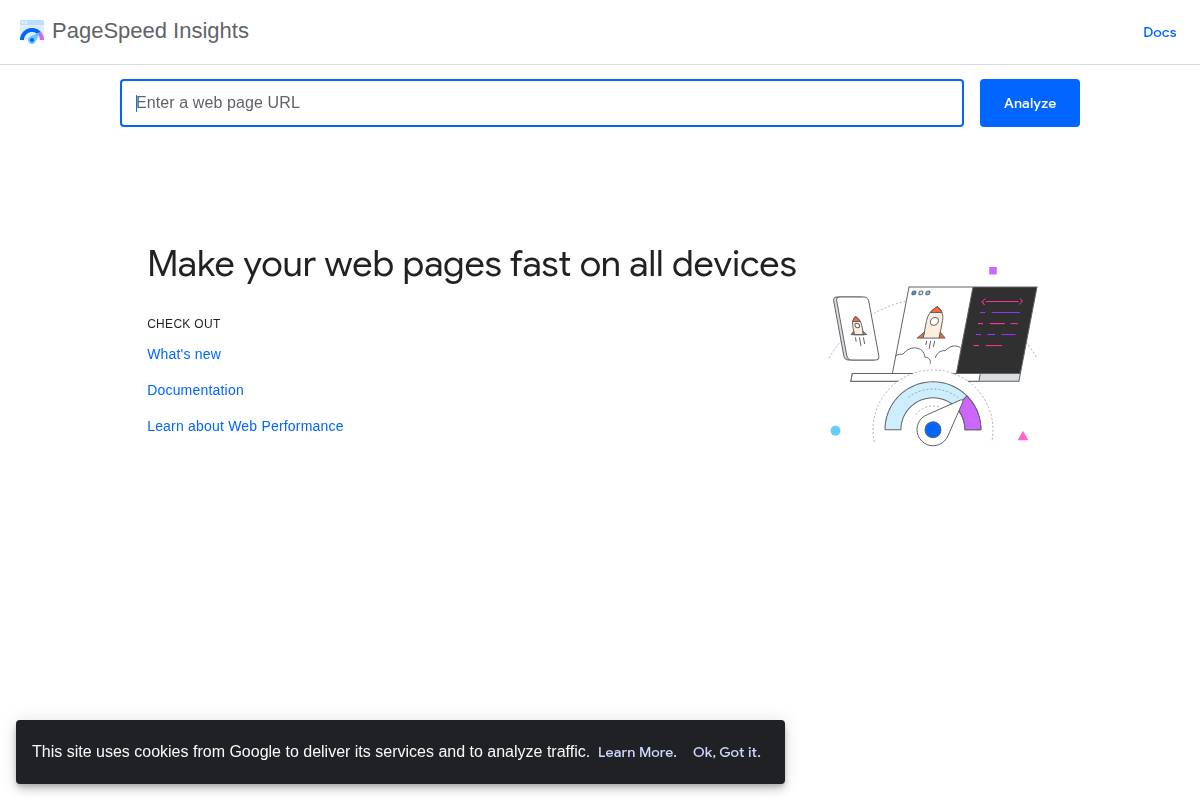
    PageSpeed Insights Optimization

    PageSpeed Insights Optimization

    PageSpeed Insights Optimization

    Overview

    Optimizing your site’s speed and performance directly impacts user satisfaction and search engine rankings. Google’s PageSpeed Insights is a free tool that analyzes your website and delivers a comprehensive report on performance issues, with a particular focus on loading efficiency for mobile users.

    For instance, after implementing PageSpeed Insights recommendations, Bloomberg reduced its mobile loading time by over one second, leading to a 10% increase in daily mobile visitors. Such real-world improvements showcase the value of actionable insights for businesses aiming to lower bounce rates and increase engagement.

    Key Details

    PageSpeed Insights evaluates critical performance signals known as Core Web Vitals—these include loading (Largest Contentful Paint), interactivity (First Input Delay), and visual stability (Cumulative Layout Shift). Accurate measurement of these factors helps prioritize fixes that matter for real users.

    The tool provides targeted recommendations for mobile, such as compressing images or deferring offscreen JavaScript. Spotify, for example, cut their mobile homepage load time by 43% by minifying CSS and optimizing server response times, demonstrating the measurable gains possible with disciplined optimization.

    Prompt load times not only foster higher search rankings, they also contribute to upgrades in user experience. Walmart observed a 2% increase in conversion rates for every one-second improvement in page load time, validating the business value of speed improvements.

    What Makes It Special

    Few tools bridge the gap between granular technical diagnostics and plain-language recommendations as well as PageSpeed Insights. Its reporting makes it possible to target issues like unoptimized images or bloated JavaScript—without requiring expert interpretation.

    By acting on these suggestions, companies can enhance mobile SEO outcomes. The New York Times, for instance, saw marked speed gains just by switching to modern image formats recommended by the tool.

    Considerations

    It’s important to understand that some optimization steps recommended by PageSpeed Insights, such as code refactoring or server-side adjustments, might go beyond the skills of typical marketing teams. Collaborating with developers ensures that technical solutions are implemented effectively.

    Also, performance bottlenecks can re-emerge as you update your site. Regularly monitoring your site with PageSpeed Insights—especially after content or design changes—will help sustain high performance over time.

    Best For

    PageSpeed Insights especially benefits agencies managing portfolios of client sites, allowing them to standardize audits and track performance trends at scale. For example, digital agency Distilled uses the tool as a staple in their ongoing technical SEO checks for dozens of enterprise clients.

    It’s equally ideal for dedicated marketing or web teams aiming to build a culture of continuous SEO improvement, as its reports facilitate ongoing benchmarking and progress tracking.

    Additional Info

    Improving site speed isn’t just a technical checkbox. Google reported that mobile sites loading in five seconds or less see session lengths that are 70% longer than slower-loading peers.

    Faster sites also tend to convert better—Retailer AutoAnything improved its mobile conversion rate by 12-13% after cutting load times in half, reinforcing the tangible value of performance tuning for growth-focused businesses.

    Reference:
    PageSpeed Insights

    Accelerated Mobile Pages (AMP)

    Accelerated Mobile Pages (AMP)

    Accelerated Mobile Pages (AMP)

    Overview

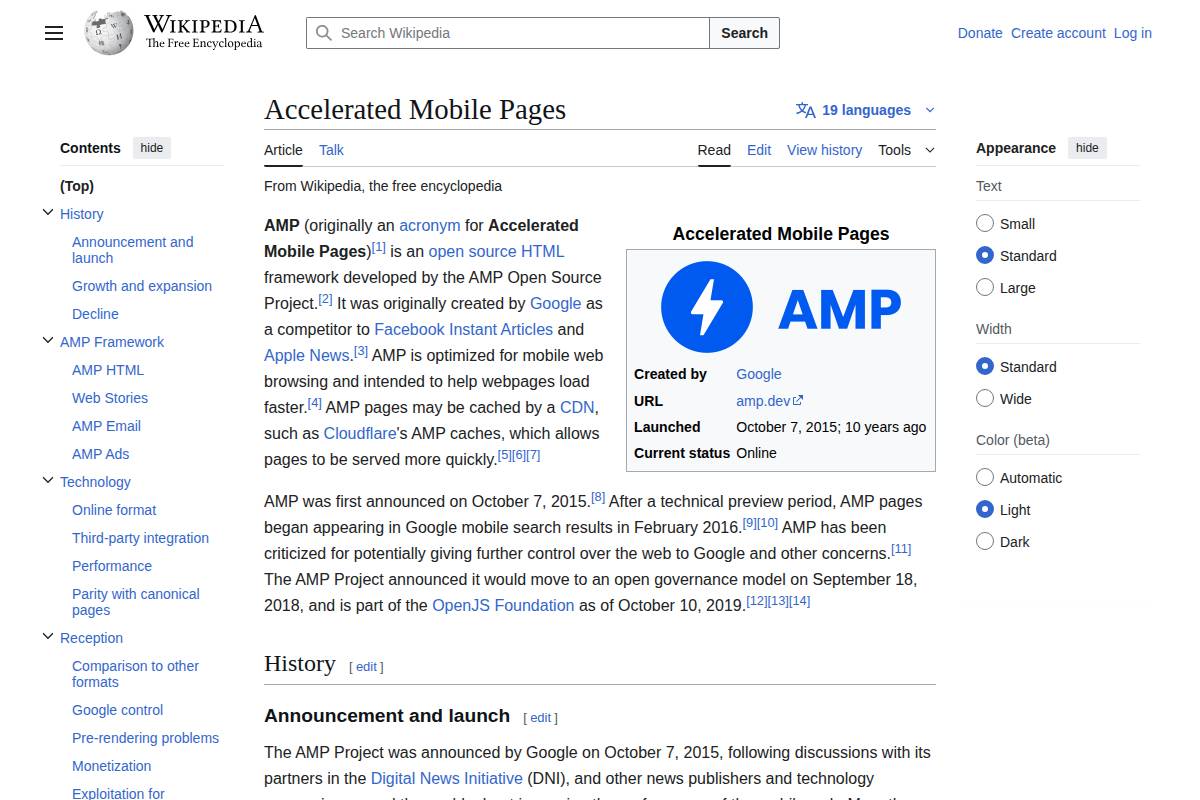
    Accelerated Mobile Pages (AMP) is an open-source framework developed to enable the creation of fast-loading and smooth mobile web experiences. AMP simplifies page elements by using stripped-down HTML and imposing limitations on CSS and JavaScript, ensuring faster load times and streamlined functionality across mobile devices.

    By minimizing the reliance on resource-heavy scripts, AMP tackles one of the primary hurdles to mobile performance—slow load speeds—while also facilitating higher engagement and reduced bounce rates for publishers. The Definitive Guide to Accelerated Mobile Pages (AMP) emphasizes how AMP’s approach allows publishers to cater effectively to the growing mobile-first audience.

    Key Details

    Google spearheaded the AMP initiative in 2016 with the goal of making the mobile web lightning-fast and visually stable. The project gained early traction among prominent U.S. publishers seeking to improve mobile experience for their readers.

    • The Washington Post was among the first major news outlets to implement AMP, achieving a 23% year-over-year increase in mobile search users after deployment.
    • AMP-enabled pages often receive preferential treatment in Google’s mobile Top Stories carousels, leading to increased visibility and higher click-through rates for timely content.
    • With support from companies such as Vox Media and BuzzFeed, AMP is now a common standard across major American news sites.

    What Makes It Special

    AMP was designed with an emphasis on speed and readability, creating optimized layouts ideal for content-heavy websites. By reducing render-blocking resources and streamlining page structure, AMP pages load in fractions of a second, translating into better user satisfaction and engagement metrics.

    For instance, CNBC reported a 22% rise in return visits to AMP pages, citing the streamlined reading experience and almost instantaneous loading times as major contributing factors. The platform’s focus on mobile performance makes it especially compelling in competitive, content-driven verticals such as news, blogs, and media.

    Considerations

    Adopting AMP does come with trade-offs, particularly regarding the degree of creative and technical flexibility available to web designers and developers. The restricted use of custom JavaScript and certain CSS rules ensures speed but can limit branding options and advanced features.

    Nevertheless, for businesses prioritizing performance and discoverability, these limitations are often outweighed by AMP’s proven benefits, notably in mobile search prominence and user retention. Publications like The Guardian have found that sacrificing some creative freedom is a worthwhile exchange for their targeted mobile growth objectives.

    Best For

    AMP is particularly well-suited to publishers whose success depends on rapid delivery of timely content. Newsrooms and media organizations with high volumes of articles—such as USA Today and The Atlantic—can realize notable improvements in organic traffic and mobile engagement with AMP.

    For content teams aiming for broader reach, especially among mobile users, AMP serves as a valuable tool to increase impressions and stay competitive in search-driven environments. Many publishers cite dramatic surges in mobile visibility after optimizing their sites with AMP templates.

    Additional Info

    While AMP was once considered a critical gateway to Top Stories placement, Google now emphasizes Core Web Vitals as part of its ranking criteria. As detailed in The Definitive Guide to Accelerated Mobile Pages (AMP), AMP remains one of several effective approaches to optimizing page load times, user experience, and search performance.

    Businesses focused on digital growth should consider AMP alongside other options such as server-side rendering, responsive design, and performance audits to deliver the fastest, most reliable mobile experiences possible.

    Reference:
    Accelerated Mobile Pages

    Mobile-Friendly Pop-Ups and Interstitials

    Mobile-Friendly Pop-Ups and Interstitials

    Mobile-Friendly Pop-Ups and Interstitials

    Overview

    Integrating pop-ups and interstitials into mobile websites is a common tactic to capture leads or promote offers. However, these elements can easily become disruptive if not handled carefully—potentially frustrating users and negatively affecting your organic search rankings.

    Designing non-intrusive, mobile-optimized pop-ups is crucial. For instance, the fashion retailer ASOS saw a notable increase in newsletter subscriptions by adopting subtle, context-aware pop-ups on mobile without impairing site navigation. This approach shows that improved mobile conversions do not have to come at the expense of usability or SEO.

    Key Details

    Google’s guidelines are explicit: intrusive interstitials or pop-ups that hinder access to a page’s primary content can lead to search ranking penalties. These rules target overlays that obscure main content, especially those shown immediately after landing or during navigation. Adhering to these standards is vital for sustained organic visibility.

    Effective mobile-friendly pop-ups are small, easily dismissible, and appear contextually—such as after a user has scrolled a certain percentage of the page. Tools like OptinMonster and HubSpot enable marketers to set precise triggers and conditions for mobile pop-ups. The travel platform Booking.com successfully uses these kinds of tools to serve users targeted recommendations, achieving higher conversions while maintaining a streamlined mobile experience.

    What Makes It Special

    Striking a balance between engagement and compliance with search engine guidelines is not only possible—it’s increasingly necessary. Brands that manage this equilibrium build trust with mobile users, collect more leads or sales, and avoid costly SEO penalties.

    Research from Sumo found that the top 10% of converting pop-ups garnered conversion rates above 9.3%. Yet, these high performers all prioritized seamless user experience and prompt dismissibility—demonstrating the business value of compliance and careful design.

    Considerations

    Variation in screen sizes and user interaction across devices means a pop-up that looks perfect on an iPhone 15 may overwhelm a Samsung Galaxy A13. Performing comprehensive, device-specific UX testing is crucial to ensure interstitials remain non-intrusive everywhere.

    It’s also important to measure how different pop-up designs affect user engagement and bounce rates. A/B testing, as practiced by lead generation platforms like Unbounce, reveals which approaches resonate without driving mobile visitors away.

    Best For

    Mobile-friendly pop-ups offer particular value for two types of businesses:

    • Ecommerce brands: Brands like Nordstrom use targeted exit-intent pop-ups to reduce cart abandonment on mobile checkout pages.
    • Businesses collecting leads: Companies running webinars or offering lead magnets (e.g., Salesforce for B2B resources) benefit from pop-ups that prompt newsletter signups or content downloads on smartphones and tablets.

    Additional Info

    Maintaining SEO performance requires attention to best practices specific to mobile pop-ups. Always consult Google’s official guidelines for mobile interstitials to ensure compliance, and monitor analytics closely for any shifts in bounce rate or organic mobile traffic after implementing new overlays.

    Reference:
    The Impact of Popups, Overlays, and Interstitials on SEO

    Mobile Schema Markup

    Mobile Schema Markup

    Mobile Schema Markup

    Overview

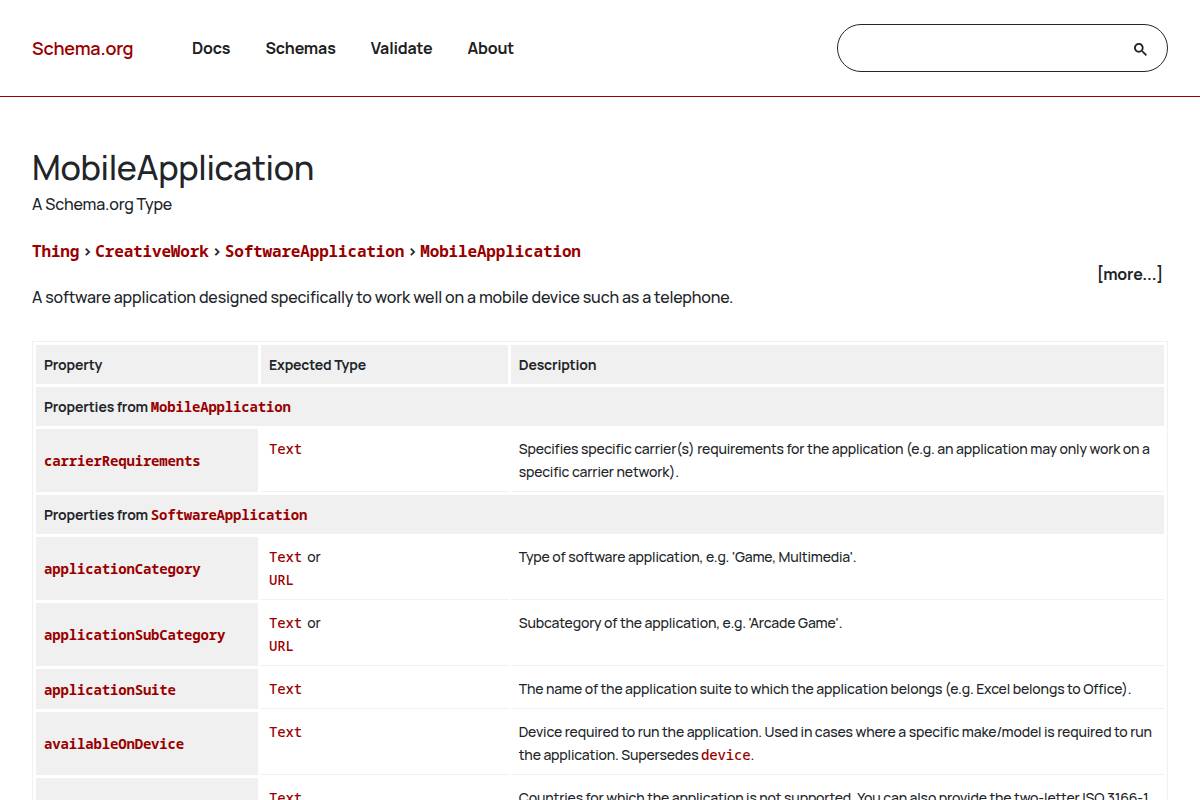
    Optimizing for mobile search results involves more than responsive design; it extends to how content is structured for search engines. Mobile schema markup leverages structured data formats—such as JSON-LD and microdata—to communicate specific details about your site to platforms like Google. This enables your content to be displayed in enhanced formats, including mobile-friendly FAQs, product reviews, and how-to lists, making it far more likely to capture user attention on mobile SERPs.

    For example, TripAdvisor utilizes schema markup to display hotel ratings and reviews directly on its mobile search snippets, giving potential guests immediate, valuable information before even clicking through.

    Key Details

    Implementing mobile schema can take several forms, but JSON-LD (JavaScript Object Notation for Linked Data) is the most widely recommended by Google due to its ease of use and lack of interference with page layout. It allows search engines to understand the context of your content without altering visible elements. Alternatively, microdata may be embedded within HTML tags but is less flexible for complex websites.

    Integrating schema markup helps sites become eligible for rich results and featured snippets, both of which can increase organic visibility. Google’s support site claims that properly marked-up events, products, and local business listings are more likely to appear as rich cards on mobile, as seen when Home Depot includes schema to showcase in-stock products with ratings and pickup availability in mobile search results.

    Schema is especially impactful for establishing trust and relevance in verticals like local business directories (Yelp), event aggregators (Eventbrite), and ecommerce platforms (Best Buy), where structured data powers richer, more interactive search listings.

    What Makes It Special

    Effective use of schema markup can transform standard mobile listings into highly visible, interactive entries that drive engagement. Data from Search Engine Land reports that rich results can boost a site’s organic mobile click-through rate by up to 30% compared to standard blue link results. Enhanced snippets—such as star ratings, FAQ dropdowns, or product availability indicators—serve as visual cues that help your brand stand out in crowded search results.

    As an example, Sephora saw a significant uptick in mobile traffic after implementing product and review schema, allowing their cosmetics listings to show star ratings and review counts immediately within Google’s mobile results.

    Considerations

    Accurate implementation is critical: Google’s Rich Results Test should be used to validate schema markup and avoid errors. Incorrect or spammy structured data can result in search penalties or loss of enhanced display features. Overusing unnecessary schema types may not offer any additional value and could dilute your site’s ranking signals.

    For instance, Lowe’s experienced setbacks when misconfigured product schema created duplicate listings, ultimately requiring a large-scale audit to restore proper SERP display. Regular monitoring and technical audits are essential to maintain compliance and effectiveness as search algorithms evolve.

    Best For

    Mobile schema markup delivers the greatest impact for organizations focused on gaining local visibility or enriching branded SERP appearances. This includes small-to-medium local retailers looking to display opening hours, address, and reviews directly in mobile searches, as well as larger brands competing for top product or event placements.

    Restaurants such as Olive Garden leverage local business schema to display directions, ratings, and wait times—all from a mobile search—making them more accessible to potential customers.

    Additional Info

    Ensuring that schema markup is an ongoing part of your technical SEO review cycle maximizes its value. Leading SEO workflow platforms like SEMrush and Ahrefs recommend pairing schema audits with regular crawl diagnostics, which can help catch issues early and ensure your site remains optimized for both desktop and mobile search.

    Consistent reviews, combined with competitor analysis, provide the strategic edge needed to adapt schema usage as search engine requirements change. This comprehensive approach supports robust, mobile-friendly SEO results for content-driven businesses and digital agencies alike.

    Reference:
    MobileApplication – Schema.org Type

    How to Choose the Right One

    Deciding on the optimal mobile SEO strategy for your website requires a methodical approach. Each site has unique needs, influenced by its audience, goals, and current performance. A well-informed decision begins by assessing where your website stands in terms of mobile-friendliness and speed before considering design frameworks and technical enhancements.

    Evaluate with Google Search Console and PageSpeed Insights

    Begin by analyzing your website’s mobile performance using Google Search Console and PageSpeed Insights. These tools highlight technical issues such as slow-loading pages, unresponsive elements, or mobile usability errors. For example, Shopify reports utilizing PageSpeed Insights to identify image-heavy pages that slow down mobile load times, allowing merchants to optimize those elements and improve conversion rates.

    Use the Core Web Vitals report within Search Console to uncover precise metrics like Largest Contentful Paint (LCP) and Cumulative Layout Shift (CLS). Tracking these helps pinpoint if poor load speeds or visual instability might be harming your mobile user experience.

    Responsive Web Design as a Foundation

    Responsive web design adapts layouts to various screen sizes, offering an optimal viewing experience. This approach is ideal for businesses launching or updating their mobile SEO strategies because it requires managing only one codebase. The site for Starbucks is a prime example: it delivers a seamless experience across devices, which has contributed to a significant increase in mobile orders since adopting a responsive design.

    Responsive design remains the recommended starting point because it meets mobile-first indexing requirements and simplifies ongoing maintenance compared to separate mobile domains.

    AMP and Schema Markup for Speed and Visibility

    Content-driven platforms, such as news publishers or blogs, often need advanced solutions for maximum speed and enhanced search visibility. Implementing Accelerated Mobile Pages (AMP) can substantially reduce load times. The Washington Post, after launching AMP, reported reducing average mobile load times to under 400 milliseconds and saw a 23% increase in returning mobile users.

    Schema markup helps search engines understand your content’s structure, making rich snippets possible in mobile search results. For example, Food Network’s recipe pages leverage schema to show ratings, preparation times, and calorie counts directly in search, leading to higher click-through rates.

    Interstitials/Pop-ups for Conversion—Stay Compliant

    Some operations rely on pop-ups for gathering leads or showcasing promotions. It’s critical to balance these conversion tactics with Google’s mobile-friendly guidelines, which penalize intrusive interstitials. HubSpot increased its lead capture rates by switching to timed pop-ups and ensuring users could quickly dismiss them, maintaining both a positive user experience and compliance.

    Compliance can be verified using Google’s Mobile-Friendly Test, which spots elements potentially blocking key content on smaller screens.

    Ongoing Analytics Review and Tactical Adjustments

    Continuous improvement is necessary to sustain strong mobile performance. Use analytics platforms like Google Analytics 4 to monitor metrics such as mobile bounce rate, average session duration, and goal conversion rates. After launching a responsive redesign, NPR tracked a 20% decrease in bounce rate and a 30% increase in session duration from mobile traffic, demonstrating the tangible value of iterative optimization.

    Revisit performance reports regularly and refine your mobile SEO tactics as user behavior and technology evolve. This commitment to data-driven iteration ensures your site remains competitive and user-friendly on mobile devices.

    FAQ

    Q: What is mobile SEO and why does it matter?

    Mobile SEO involves optimizing web content and site structure to provide an excellent user experience for those accessing your site through smartphones and tablets. This is increasingly crucial as mobile traffic makes up a significant portion of overall web visits in the United States. In fact, Statista reported that as of Q2 2023, nearly 58% of all web traffic in the US originated from mobile devices.

    Google gives preference to mobile-friendly websites through its mobile-first indexing, which means your site’s mobile version is considered the primary one. Failing to prioritize mobile SEO can result in lower rankings and missed opportunities, especially for e-commerce businesses like Target or Walmart, which see a majority of their shoppers browsing deals on their phones.

    Q: How can I test if my website is mobile-friendly?

    Assessing mobile usability doesn’t require technical expertise. Google offers free tools designed specifically for this purpose. The Google Mobile-Friendly Test analyzes individual URLs and gives clear feedback on any layout or usability issues.

    For a broader evaluation, Google PageSpeed Insights not only examines responsiveness but also provides detailed recommendations to boost site speed—a key ranking factor. For example, Moz improved their mobile engagement metrics after implementing these insights by streamlining images and reducing above-the-fold scripts.

    Q: Do I need a separate mobile website for SEO?

    Managing multiple site versions creates technical headaches and often negatively impacts SEO. Today, Google explicitly recommends responsive design. This approach enables your site to serve the same content from a single URL, automatically scaling layout and elements based on the user’s device.

    Brands like The New York Times and Amazon use responsive design to ensure consistency and efficient crawling by search engines. This eliminates the maintenance of mobile subdomains or dynamic serving, creating a seamless user experience on every device.

    Q: What are common mistakes to avoid in SEO mobile optimization?

    Effectively optimizing for mobile requires attention to more than just screen size. Slow-loading pages can frustrate users and increase bounce rates—Google cites that 53% of mobile users abandon sites after three seconds.

    • Intrusive pop-ups that obscure content can trigger ranking penalties. For instance, Forbes saw improved engagement after removing excessive interstitials from its mobile site.
    • Neglecting structured data means search engines may not interpret your content correctly, reducing visibility in mobile-rich results.
    • Poor touch navigation, such as tiny buttons or links clustered too closely, can undermine usability, as seen when eBay redesigned its checkout process for finger-friendly navigation in 2020.

    Q: How often should I review my mobile SEO strategy?

    Mobile SEO is not a one-time task. Algorithms and user expectations evolve, so regular strategy reviews are essential. A quarterly or semi-annual checkup—every 3–6 months—is a good baseline to stay ahead, ensuring your site stays compliant with shifting best practices and algorithm changes.

    For example, after Google’s March 2024 core update, many digital agencies, including Distilled and Portent, revisited mobile UX and re-validated their technical SEO implementations to maintain rankings. This proactive approach helps ensure sites remain discoverable and accessible across all devices.

  • Understanding Google’s E-A-T and SEO

    Understanding Google’s E-A-T and SEO

    Imagine searching for medical advice online, only to find articles that seem questionable or written by anonymous authors. Trust evaporates instantly, and so does your willingness to take action based on what you’ve read. This exact dilemma highlights why Google’s E-A-T—Expertise, Authority, and Trust—matters not just for algorithms, but for every piece of content vying for attention and credibility.

    The challenge is clear: content floods the internet at an unprecedented rate, yet only a fraction truly stands out in quality and trustworthiness. Earning visibility requires more than keyword-stuffed text or clever headlines. It demands establishing genuine expertise, building authority, and cultivating trust—signals Google uses to evaluate and rank your site. By mastering these principles, content creators, agencies, and marketing teams enhance their digital presence, connect with audiences, and see tangible SEO improvements. Embracing E-A-T isn’t a shortcut; it’s a strategic process that pays off over time with consistent, targeted effort.

    In an era where algorithms judge your worth, mastering Google’s E-A-T isn’t just about boosting rankings—it’s about proving your expertise, asserting true authority, and earning real trust with every piece of content you create.

    Reference:
    An SEO guide to understanding E-E-A-T

    Introduction

    Setting the Stage for E-A-T in SEO

    Google’s emphasis on E-A-T—Expertise, Authoritativeness, and Trustworthiness—has profoundly shifted what it takes for websites to earn and maintain high search visibility. As search engines have become more sophisticated, demonstrating these qualities is no longer optional, especially for sectors like finance, health, and e-commerce where misinformation can directly impact users’ lives and wallets.

    The challenge many brands and agencies face is translating E-A-T principles into concrete SEO and content strategies. For example, after Google’s Medic Update in 2018, health-focused sites like Healthline surged in search rankings by spotlighting medical reviewers and transparent editorial policies, while competitors lacking these elements saw organic traffic drop by more than 50% according to SEMrush data. This realignment illustrates both the risks and opportunities of evolving SEO standards.

    This guide will demystify E-A-T and provide actionable steps, real-world case studies, and tool recommendations tailored to digital marketers, agencies, and content teams. You’ll discover how to audit your website for E-A-T signals, leverage legitimate expertise, and communicate trust online, with practical examples from companies like NerdWallet and Mayo Clinic. By the end, you’ll have a clear understanding of what it takes to build an E-A-T-optimized SEO content workflow and what realistic gains to expect from these investments.

    1. What is Google E-A-T in SEO? Definitions and Core Concepts

    1. What is Google E-A-T in SEO? Definitions and Core Concepts

    Overview of E-A-T

    E-A-T stands for Expertise, Authority, and Trust, a foundational framework Google uses to judge the quality of web content. Introduced to help users distinguish between reliable information and misleading content, E-A-T plays a critical role in how Google assesses and ranks pages, particularly in industries where accuracy is paramount.

    Understanding why E-A-T matters is essential for any business targeting better search rankings. For instance, medical advice websites, such as Mayo Clinic, are prioritized in search results over lesser-known sources because they consistently demonstrate verified expertise and reputable authorship. Google emphasizes E-A-T to safeguard users by promoting content that meets stringent quality and trust standards, especially for YMYL (Your Money or Your Life) topics.

    Key Components of E-A-T

    Google’s official guidelines break E-A-T into three core attributes. Expertise relates to the depth of knowledge demonstrated by content creators. Authority is established when a website or author is widely recognized as a go-to resource in their field. Trust is cultivated through clear authorship, transparent sourcing, and a positive reputation with users and other industry players.

    For example, platforms like WebMD display physician credentials alongside health articles, and finance site Investopedia cites industry experts in nearly all guides and tutorials. These practices directly address Google’s E-A-T guidelines. Reputation indicators such as positive user reviews, partnerships with respected organizations, and featured news coverage further enhance E-A-T.

    Evolution of E-A-T

    E-A-T has evolved since its introduction, influenced by regular updates to Google’s search algorithms. Initially referenced in the 2014 Search Quality Rater Guidelines, it has become increasingly prominent, with significant attention after Google’s August 2018 “Medic” update. This update led to major ranking changes for health, finance, and news sites, highlighting the importance of validated expertise and trustworthy content.

    Today, Google has expanded the concept to E-E-A-T, adding “Experience” as a new pillar to value personal insights and real-world knowledge, as outlined in the resource Understanding Google’s E-E-A-T and How It Impacts Your SEO Strategy in 2025. This change encourages content creators to combine professional credentials with firsthand experience, which can be seen in how financial planning websites now pair certified expert commentary with real customer stories to establish both authority and relatability.

    2. How E-A-T Impacts Your Website’s SEO Performance

    2. How E-A-T Impacts Your Website’s SEO Performance

    2. How E-A-T Impacts Your Website’s SEO Performance

    E-A-T and SERP Visibility

    Google’s E-A-T (Expertise, Authoritativeness, and Trustworthiness) framework plays a direct role in how web pages are evaluated and ranked in search engine results pages (SERPs). Quality raters and Google’s algorithms assess whether a website demonstrates credible expertise and reliable information before assigning high organic rankings.

    For example, after the 2018 “Medic Update,” multiple health and wellness sites such as Prevention and Healthline saw significant changes in visibility. Healthline, which has a rigorous editorial process and medically reviewed content, increased its share of top-ranking keywords. In contrast, websites lacking clear author credentials or transparency, like Dr. Axe, reported notable traffic losses post-update. These shifts underscored the tangible impact of demonstrating E-A-T on SERP performance.

    E-A-T for YMYL and Niche Sites

    For websites classified as “Your Money, Your Life” (YMYL), such as finance or health information platforms, E-A-T is especially crucial. Google scrutinizes these pages more closely due to their potential effect on user well-being or finances. Demonstrating formal expertise, clear sourcing, and robust security are non-negotiable.

    Niche content sites also benefit from E-A-T by establishing topic authority. The finance site NerdWallet, for example, bolsters brand perception through transparent author bios and in-depth research, which builds audience trust and delivers higher rankings. Smaller sites can outperform larger competitors by showcasing credentials, citing authoritative sources, and maintaining transparency in content updates and corrections.

    Reference:
    Understand EAT SEO And Its Impact On Google Rankings

    3. Building Expertise: Establishing Credibility with Google

    Showcasing Expertise

    Demonstrating expertise is a cornerstone of building trust with both users and search engines. Google emphasizes the importance of E-E-A-T (Experience, Expertise, Authoritativeness, Trustworthiness) when evaluating the quality of a site’s content. For content creators and brands, establishing expertise is about more than simply sharing information—it requires presenting deep subject matter knowledge in a way that’s transparent and verifiable.

    One effective approach is to ensure articles are written by or attributed to individuals with clear qualifications. For example, when WebMD publishes healthcare content, it prominently displays medical reviewers’ credentials and thorough author bios, reassuring users of reliable, accurate information. SEO practitioners often reference Google’s own guidance for E-E-A-T, which recommends providing detailed author profiles showcasing relevant experience and background within the content [An SEO guide to understanding E-E-A-T].

    Comprehensive profiles—including professional experience, education, and links to published work—help validate an author’s authority for both Google’s algorithms and human readers alike. Some leading finance and health websites supplement expertise signals by openly listing awards, speaking engagements, or affiliations with well-known institutions in their team bios.

    Supporting Content Credibility

    Content credibility is bolstered by citing reliable and authoritative sources. Referencing external data from recognized organizations, such as the CDC or Statista, not only enriches your articles but also signals trustworthiness to search engines. For example, HubSpot routinely incorporates original data from industry surveys as well as links to reputable research to support marketing insights.

    Beyond third-party citations, keeping material accurate and regularly updated is essential. Outdated content—even if previously high-quality—can erode a site’s perceived authority. For instance, Moz annually revisits and updates its “Beginner’s Guide to SEO” series, ensuring it remains current with industry best practices and algorithm changes.

    Regular content audits help identify obsolete information, broken links, or evolving guidance. This commitment to accuracy not only improves search visibility but also underpins visitor trust, aligning with Google’s evolving standards as outlined in their E-E-A-T framework [An SEO guide to understanding E-E-A-T].

    Reference:
    Creating Helpful, Reliable, People-First Content

    4. Growing Authority: Becoming an Industry Leader in Google’s Eyes

    4. Growing Authority: Becoming an Industry Leader in Google’s Eyes

    4. Growing Authority: Becoming an Industry Leader in Google’s Eyes

    Establishing your website as an industry leader isn’t simply about the quality of your content. Google’s perception of your authority hinges on how often you’re cited, referenced, and endorsed across the web. A strong authority signals trustworthiness and expertise, both critical in earning better search visibility.

    Strengthening Domain Authority

    Developing domain authority means more than amassing links; it’s about earning recognition from other reputable sites and brands. High-value backlinks from recognized sources and genuine online mentions reinforce your standing in Google’s algorithms.

    For example, HubSpot’s impressive domain authority has been built over years through thousands of backlinks from respected sites, including Forbes and The New York Times. When PR platforms like Muck Rack and journalists mention companies in industry roundups, those citations can further validate authority—even when no links are included.

    Building a positive online reputation also plays a significant role. SaaS firms such as Moz and Ahrefs have cultivated trust through transparent customer service, timely updates, and by rapidly addressing public issues. Public reviews on platforms like G2 or Trustpilot provide additional reputation signals that Google’s systems can monitor for legitimacy and quality.

    Driving Thought Leadership

    Google not only values your reputation but also recognizes content creators who are viewed as original thinkers. Establishing thought leadership requires proactive outreach and authoritative, value-driven engagement across multiple platforms.

    Guest posting remains one of the most effective approaches. For instance, Brian Dean of Backlinko grew his profile by publishing comprehensive SEO guides as guest posts on authoritative blogs like Search Engine Journal, significantly expanding his reach and authority. Contributing unique insights to industry publications creates powerful signals for both audiences and search engines.

    Leveraging social proof adds another layer. Showcasing real testimonials, endorsements, and client case studies—such as Basecamp’s use of customer migration numbers in their marketing—demonstrates not only satisfaction, but also the real impact of your services. Featuring positive reviews, expert endorsements, or well-known brands as clients amplifies your perceived authority in the eyes of users and Google alike.

    Reference:
    4 Ways To Grow Your Following and Become an Authority …

    5. Fostering Trust: Creating a Reliable User Experience

    5. Fostering Trust: Creating a Reliable User Experience

    Transparency and Site Security

    Building genuine trust with users begins with openness about your site’s operations and a clear commitment to their security. Transparent privacy, terms, and disclosure policies aren’t just legal necessities—they signal to users that the brand respects their data and rights.

    For example, Stripe prominently displays detailed privacy policies and straightforward terms of service, making it easy for users to understand how their information will be used. This reduces anxiety for visitors considering transactions or sign-ups.

    On the security front, integrating SSL certificates on all pages and visibly highlighting security badges can significantly influence user trust. In 2023, research from Baymard Institute showed that trust logos (such as Norton or McAfee Secure) on checkout pages increased completed transactions by up to 18%. Making accessibility a priority—through alt text, keyboard navigation, and readable fonts—also demonstrates a genuine investment in user experience, as seen on platforms like GOV.UK.

    User Interaction and Information Accuracy

    Engaging with user feedback and ensuring information accuracy are critical for credibility. Reviews and ratings provide social proof, but only when actively managed. Responding promptly to both praise and criticism signals that the business is attentive and values user input.

    Tripadvisor’s success is largely built on its robust reviews management, where business owners routinely reply to feedback, clarifying misunderstandings or expressing gratitude. This process not only builds trust with individual users but also showcases an ongoing dedication to the community as a whole.

    Maintaining up-to-date, honest information is equally essential. Google My Business encourages businesses to update hours, location details, and service changes, especially during disruptions—ensuring users are never misled. Outdated or inaccurate details can erode trust quickly; a 2022 BrightLocal study found that 68% of consumers would stop using a local business if they found incorrect information online.

    Reference:
    5 Principles to Achieve User Trust | by Sarah-Sophie …

    6. Implementing E-A-T Best Practices in Content Creation

    6. Implementing E-A-T Best Practices in Content Creation

    6. Implementing E-A-T Best Practices in Content Creation

    E-A-T in Content Workflow

    Effectively incorporating Expertise, Authoritativeness, and Trustworthiness (E-A-T) principles requires that they become part of your content team’s standard workflow. This means integrating E-A-T considerations from topic research to final content audits, which helps strengthen your pages’ credibility in Google’s eyes.

    For example, when HubSpot develops new blog posts, every stage — from outline to review — is guided by Google’s Quality Rater Guidelines. Writers reference reputable studies, link to third-party credentials, and ensure topic coverage aligns with leading industry voices. Editors also cross-check sources and author bios for transparency and expertise. This end-to-end approach ensures authoritative evidence enhances all content.

    Optimizing posts based on Google’s Quality Rater Guidelines isn’t a one-off task. SEO teams at Backlinko, for instance, created checklists addressing every E-A-T signal, from citing recent peer-reviewed studies to showcasing author certifications. Regular internal content reviews identify areas where E-A-T can be further embedded, encouraging routines of continuous improvement and compliance.

    E-A-T Content Optimization

    Structuring articles with E-A-T compliance and clarity means more than clean formatting; it ensures each point is well-supported and logically presented. WebMD, for example, structures its health articles to highlight medical reviewer qualifications, link to clinical sources, and clearly delineate editorial content from advertisements. This practice not only increases user trust, but also signals subject-matter authority to search engines.

    Consistent monitoring and updating ensure your content remains trustworthy. Investopedia, for instance, assigns teams to update thousands of articles annually, reflecting the latest regulations and data. Metrics such as “last updated” dates and transparent editorial policies reassure users and help maintain search visibility. Scheduled audits, combined with tools like Google Search Console, make it possible to catch drops in trust signals early and respond proactively.

    Reference:
    6 Ways To Use Google’s E-E-A-T To Rank Higher

    7. Measuring and Improving E-A-T Signals for Ongoing SEO Success

    Assessing and Tracking E-A-T

    Strong Expertise, Authoritativeness, and Trustworthiness (E-A-T) signals are critical for your site’s search presence, especially in sensitive niches like health or finance. To stay competitive, organizations routinely monitor and analyze their E-A-T standing using a mix of established tools and systematic processes.

    Companies leverage third-party auditing tools such as SEMrush’s On Page SEO Checker and Moz’s Domain Authority to assess site authority. Platforms like Ahrefs can surface backlink profiles, highlighting mentions from credible publications or subject matter experts. In a 2023 case study, Healthline was able to pinpoint improvements in its E-A-T by tracking growth in editorial bylines from credentialed medical reviewers, which correlated with increased positions in Google’s health SERPs.

    Progress is tracked using KPIs like organic traffic to author pages, the number of high-quality backlinks, and branded search volume. For example, after investing in expert-driven content updates, Investopedia saw a 15% year-over-year increase in traffic and nearly doubled its featured snippets by intensively tracking these E-A-T-specific indicators.

    Iterative Improvements

    Addressing negative E-A-T signals and keeping pace with search trends is a constant process. Even reputable sites may face challenges, such as negative reviews or content flagged as inaccurate. Proactively, teams monitor platforms like Google Search Console for feedback, enabling swift removal or correction of problematic content.

    Continuous learning means staying informed about the latest Google Search Quality Rater Guidelines and evolving best practices. HubSpot, for example, retrained its content teams quarterly after major Google updates in 2023, resulting in fewer ranking drops post-algorithm changes. No organization is immune from the need to adapt, but those who build agile review cycles into their editorial workflow consistently outperform slower competitors in E-A-T-driven rankings.

    Reference:
    E-A-T and SEO: 7 Ways To Improve Your Site E-A-T

    Conclusion

    E-A-T Strategy for Long-Term SEO Growth

    Integrating E-A-T—Expertise, Authoritativeness, and Trustworthiness—into your SEO strategy is essential for achieving and maintaining top search rankings, especially in competitive industries like finance, healthcare, and legal services. Google’s 2023 Search Quality Evaluator Guidelines explicitly highlight the need for content that demonstrates E-A-T—underscoring its influence on site visibility and audience credibility.

    Key takeaways on leveraging E-A-T for SEO success

    Content that displays deep expertise consistently outperforms generic material. For instance, NerdWallet’s finance guides are authored by credentialed experts, which led to increased SERP visibility and user trust, as documented in SEMrush E-A-T case studies. Demonstrating up-to-date knowledge and a track record of accuracy is no longer optional in many verticals.

    Reinforcing the ranking impact of expertise, authority, and trust

    Sites like Mayo Clinic and Investopedia saw measurable improvements in their rankings after explicitly highlighting their editorial processes, expert authors, and rigorous fact-checking. By showcasing clear sources and credentials, these platforms built trustworthiness—one of the most critical ranking factors according to Google’s algorithm updates in 2022 and 2023.

    Clear steps for applying SEO E-A-T guidelines

    • Feature biographies and credentials for all content contributors.
    • Implement transparent editorial and review processes; for example, Healthline notes a “medically reviewed” badge on all health content, increasing user confidence.
    • Regularly update content to ensure accuracy, as outdated claims can diminish both trust and rankings.

    Encouragement to adopt E-A-T as a core SEO strategy

    Building E-A-T into your workflow isn’t just about appeasing search engines. It shapes the foundation of audience trust, which drives meaningful engagement and successful long-term growth. As seen with companies like WebMD and Forbes, maintaining high standards for authoritativeness and transparency consistently leads to better SEO performance and brand reputation.

    Frequently Asked Questions

    Common E-A-T and SEO Queries

    Understanding E-A-T—Expertise, Authoritativeness, and Trustworthiness—has become essential for SEO professionals and content creators. While some search ranking factors have remained consistent, Google’s emphasis on E-A-T represents a strategic shift to reward truly credible content. The FAQs below address the most frequent questions from teams looking to integrate E-A-T into their digital strategies effectively.

    What is the difference between E-A-T and traditional SEO factors?

    Traditional SEO prioritizes keyword optimization, backlinks, and technical site health. E-A-T, on the other hand, evaluates the quality signals around content creators, their credentials, and site transparency.

    For example, Moz’s Whiteboard Friday emphasizes how backlinks remain crucial, but Google’s own Quality Rater Guidelines explain why medical content written by certified doctors will outrank generic advice, even if both are well-optimized technically.

    How can small businesses demonstrate E-A-T effectively?

    Small businesses can build E-A-T by showcasing industry certifications, adding detailed author bios, and collecting genuine customer reviews. Featuring press mentions or case studies helps establish credibility.

    The spice retailer Burlap & Barrel lists supplier profiles and sourcing transparency on its site, making its expertise and trustworthiness clear to both users and search engines.

    Why did Google introduce the E-A-T framework?

    Google implemented E-A-T to combat misinformation and low-quality content, especially for Your Money or Your Life (YMYL) topics. Healthline, for example, saw improved rankings by medical review and vetting of health-related articles, matching Google’s goal of delivering safer, more accurate search results.

    How often should I update content to maintain E-A-T?

    Content should be reviewed and updated at least quarterly if it covers trends, laws, or YMYL topics. Evergreen content may only need annual reviews. HubSpot, known for best practices, updates its blog articles 2-4 times per year when new data emerges.

    When does E-A-T have the biggest impact on Google rankings?

    E-A-T is most critical on finance, medical, legal, and product review sites, where inaccurate information could harm users financially or physically. For example, after Google’s 2018 Medic update, many health and wellness sites like DrAxe.com experienced volatile shifts in rankings based on the quality of their expertise signals.

    How do I recover from an SEO drop related to E-A-T algorithm changes?

    Start by performing a gap analysis: assess where your credentials, transparency, or trust factors fall short compared to industry leaders. Enhance author bios, source all claims, and seek reputable backlinks.

    After a 2019 Google core update, Investopedia overhauled its editorial guidelines and author attributions, recovering much of its lost visibility by demonstrating enhanced E-A-T factors.

  • How to Use Content Clusters for SEO

    How to Use Content Clusters for SEO

    Imagine pouring hours into crafting great content, only to watch your website’s pages get buried deep in search results. For content creators and marketing teams, the struggle to secure top rankings is all too familiar—especially when every competitor is vying for that same coveted first page. As search engines become increasingly sophisticated, simply publishing more content is no longer enough to boost visibility.

    Adopting a strategic approach can make all the difference. Using content clusters to organize your website not only clarifies your site structure for search engines but also strengthens the connections between related topics. This method enhances authority, improves organic rankings, and simplifies long-term content planning. While building a cohesive cluster system requires thoughtful organization and ongoing refinement, the results are well worth the investment—especially for businesses aiming for sustainable, scalable growth online.

    In today’s search-driven world, siloed blog posts are a relic; true digital growth comes when content creators, agencies, and marketing teams harness the strategic power of content clusters to dominate the SEO landscape.

    Reference:
    Content clusters: What are they and do you need them?

    Introduction

    Opening and Overview

    Grasping the evolving landscape of SEO requires more than simply targeting keywords—digital visibility now hinges on developing comprehensive topic authority. Content clusters have emerged as a proven framework for scaling organic reach by strategically organizing related pieces of content around a central pillar topic.

    Website owners and SEO professionals face a common challenge: traditional, scattered blog posts rarely establish a site as an expert source in Google’s eyes. As algorithm updates increasingly reward topical depth and relevance, siloed content can dilute your site’s authority and make it difficult for users and search engines to navigate your expertise.

    What You’ll Learn About Using Content Clusters for SEO

    This guide walks you through the essentials of content clusters—how they work, why they matter, and actionable steps to implement them on your website. You’ll discover practical methods to structure your content for increased rankings, internal linking strategies that enhance crawlability, and measurable outcomes achieved by brands.

    For example, HubSpot leveraged a content cluster approach for their Sales Enablement topic and saw a 40% increase in organic sessions within six months. These results are possible but depend on consistent execution and a strategic, data-driven approach tailored to your niche.

    Setting Realistic Expectations

    While employing content clusters can boost visibility and authority, tangible results require time, research, and continuous optimization. Expect to invest several months before seeing substantial traffic gains. Implementing a cluster strategy is not a quick fix, but a scalable method to build long-term SEO value and topical leadership in your industry.

    1. Understanding Content Clusters and Their Role in SEO

    1. Understanding Content Clusters and Their Role in SEO

    What Are Content Clusters and Topic Clusters?

    Organizing website content into coherent clusters has become a key strategy in SEO. Content clusters and topic clusters both group related articles or pages around a central theme, but they serve distinct purposes within a broader content strategy.

    Content clusters refer to a collection of interlinked pages that address different aspects of a subject, all supporting a central “pillar” page. Topic clusters zoom in further, focusing not just on keywords but on comprehensive coverage of a broader topic. For example, HubSpot’s SEO Learning Center groups dozens of articles surrounding the core pillar page “SEO Basics,” effectively demonstrating how clusters organize knowledge around a specific field.

    Importance of Pillar Content in Modern SEO Content Strategy

    Pillar content acts as the strategic hub of a content cluster. These long-form, in-depth pieces serve as authoritative resources on core subjects within your industry. Their purpose is to provide a comprehensive answer and link out to related subtopics for deeper exploration.

    This pillar approach forms the foundation for supporting content to branch out, fostering topical authority. For instance, Moz’s “Beginner’s Guide to SEO” functions as a pillar page, drawing on dozens of cluster articles to reinforce its position in search rankings.

    How Content Clusters Improve Website Structure for SEO

    Effective use of content clusters enhances internal site architecture. By connecting related articles, clusters streamline navigation, making it easier for users to find targeted information. This logical structure supports both user engagement and search engine understanding.

    Tools like SEMrush and Ahrefs offer visual representations of interlinking, helping website owners optimize paths between pillar and cluster content. According to How to Use Content Clusters to Boost Your SEO Rankings, implementing clusters can lead to increased crawlability and better contextual mapping by search engine spiders, which is critical for authority and ranking potential.

    The Shift from Keyword-Focused to Topic-Focused SEO

    Search engine algorithms have evolved to prioritize subject-matter authority over simple keyword matching. The classic approach—using single keywords across blog posts—has largely given way to topic-based strategies, where clusters cover related concepts that match real searcher intent.

    Google’s BERT update and advancements in natural language processing now reward content that demonstrates full topical depth. Content clusters meet this demand by providing diverse yet linked information. As seen in Backlinko’s “SEO Techniques” hub, well-executed clusters not only attract more organic traffic but also keep users engaged longer by surfacing relevant, interconnected resources.

    2. Identifying Core Topics for Your SEO Content Strategy

    2. Identifying Core Topics for Your SEO Content Strategy

    2. Identifying Core Topics for Your SEO Content Strategy

    Methods for Discovering High-Impact SEO Topics

    Building a focused SEO content strategy begins with pinpointing the subjects that drive both search demand and business goals. Successful brands routinely analyze their competitors and broader industry landscapes to identify gaps and opportunities.

    For example, HubSpot frequently tracks competitors’ blog topics using tools like SEMrush and Ahrefs. By mapping which keywords and themes perform best for close competitors, they spot content areas with both high competition and potential reward. Similarly, content teams using Google Keyword Planner and Answer the Public can surface queries customers are actively searching for, such as “best project management platforms for agencies.”

    Collecting insights from audience surveys or customer support tickets helps platforms like Zapier recognize emerging pain points worth producing content around. Market research reports from firms like Gartner also indicate trending discussions to prioritize.

    Using Search Intent to Select Relevant Pillar Content

    Understanding why a user is searching a topic sharpens pillar content decisions. Search intent can be informational (e.g., seeking a guide), transactional (seeking to make a purchase), or navigational (finding a specific site).

    Consider Mailchimp: they produce in-depth email marketing guides to satisfy informational intent and product comparisons to align with transactional intent, mapping these pillar content types directly to searcher needs. Balancing foundational resources with timely topics—such as “AI in email marketing 2024”—ensures long-term SEO value and relevance during industry shifts.

    Leveraging Data and Analytics to Prioritize Topics

    Utilizing analytics reveals which themes contribute most to traffic, leads, or conversions. Reviewing Google Analytics, for example, can show that blog posts about “content workflow automation” drive higher session times and click-throughs for a digital agency versus more generic productivity tips.

    Conducting a content audit allows businesses like Moz to identify keyword gaps—topics that competitors rank for but they do not. They then prioritize clusters that offer high search volume and align with core offerings, focusing content development on high ROI areas.

    Aligning Business Goals with Cluster Themes

    Effective SEO strategies marry content priorities with broader business objectives. A company aiming for SaaS signups, for instance, maps topics like “onboarding automation” or “collaboration workflows” to drive product trials or demos.

    Slack, when launching new integrations, created resource hubs and case studies featuring brands such as IBM or Shopify. This approach ensured all cluster topics were consistent with the core brand message—improving workplace collaboration—and measurably drove product engagement and conversions. Ensuring content clusters reinforce brand values is crucial for long-term growth and trust.

    Reference:
    Create topics for SEO strategy

    3. Creating Powerful Pillar Content as the Foundation

    Characteristics of Effective Pillar Content

    Pillar content serves as the core of a topic cluster strategy, providing comprehensive coverage on a central subject. To be truly effective, pillar pages must go far beyond surface-level information. They form the foundational piece that topical authority and cluster content are built upon.

    Comprehensive pillar content is defined by its ability to address a subject in-depth. For example, HubSpot’s “The Ultimate Guide to SEO” covers everything from keyword research to technical SEO, spanning over 4,000 words with downloadable assets. Credibility is also essential; referencing authoritative sources and maintaining an expert tone build reader trust. Pillar pages must be logically structured—using clear headings and concise sections—so users can easily locate information.

    Writing Comprehensive, Authoritative Pillar Pages

    Creating in-depth pillar pages requires integrating diverse expertise and verifiable data. For instance, incorporating quotes from thought leaders, up-to-date industry benchmarks, and actual case studies makes the content both useful and credible. CXL’s “A/B Testing Guide” leverages expert interviews and statistical case breakdowns to better inform its readers.

    Effective pillar pages also utilize a variety of content formats: clear headings, infographics, embedded videos, and downloadable checklists. This approach supports different learning preferences. Addressing frequently asked questions (FAQs) and typical user pain points ensures that visitors find immediate value, reducing bounce rates and boosting engagement metrics as explained in the complete guide to topic clusters and pillar pages for SEO.

    Structuring Pillar Content for Easy Navigation

    Careful structure is integral to the success of pillar content. A well-designed table of contents with jump links enables readers to access specific sections rapidly—critical for guides exceeding several thousand words. For example, Shopify’s “How to Start a Business” page uses persistent navigation and visually separated chapters for intuitive browsing.

    Strategic use of visuals, charts, and bullet lists prevents cognitive overload and sustains reader attention. Seamless internal linking to related cluster articles (such as case studies, how-tos, or product reviews) not only improves SEO but guides users deeper into your site, encouraging longer sessions.

    Examples of Pillar Content in Different Industries

    Pillar content adapts to diverse sectors, from B2B SaaS to e-commerce. Atlassian’s “Agile Coach” is a B2B example that anchors their agile methodology cluster, featuring tutorials, expert interviews, and templates. In e-commerce, REI’s “Expert Advice” hub provides extensive how-to content and gear guides, engaging shoppers at every stage in their buying journey.

    For SaaS, Ahrefs’ “SEO Basics” hub is a standout, using interactive content, checklists, and explainer videos to serve marketing teams globally. Each example succeeds by deeply addressing user questions and facilitating topic exploration—a practical application of the pillar-cluster framework across various niches, as detailed in the complete guide to topic clusters and pillar pages for SEO.

    Reference:
    The Power of Content Pillars: Building a Foundation That …

    4. Developing Topic Cluster Pages to Support Pillar Content

    4. Developing Topic Cluster Pages to Support Pillar Content

    4. Developing Topic Cluster Pages to Support Pillar Content

    Defining Cluster Content and Its Role in Topic Clusters

    Cluster content refers to pages or posts that address specific subtopics directly related to a broader theme, usually covered by a foundational pillar page. By breaking down a complex subject like SEO automation into smaller, detailed guides—such as keyword research tools, on-page optimization, and competitor analysis—you allow for deeper exploration and clarity.

    These pages are intentionally linked to the pillar content, reinforcing the primary topic’s relevance to search engines and readers alike. For example, HubSpot’s renowned content strategy uses topic clusters to connect guides on social media analytics, blog post formats, and email campaign strategies to a central inbound marketing pillar page. This interconnected structure boosts both organic rankings and perceived authority.

    Clusters also support topical authority by covering every angle of a subject, signaling expertise to Google and users. According to a 2023 Backlinko analysis, domains with robust cluster architectures secured page-one rankings nearly 40% more often than those without.

    Types of Supporting Content

    Supporting your pillar content with diverse formats ensures comprehensive coverage and accommodates various learning styles. Blog articles offer in-depth analysis, while how-to guides provide step-by-step instructions for tasks like setting up Google Analytics tracking. Case studies—such as Moz’s breakdown of client SEO results—demonstrate real-world effectiveness and build credibility.

    FAQs target long-tail queries and niche pain points, helping capture traffic overlooked by broader content. Multimedia supplements, like Ahrefs’ YouTube tutorials and SEMrush’s infographics, make complex concepts easily digestible and shareable. Targeting specific scenarios, such as “How to fix crawl errors in WordPress using Screaming Frog,” addresses audience needs with precision.

    Best Practices for Interlinking Cluster Pages

    Effective internal linking is crucial for passing authority from cluster pages to the primary pillar. Each cluster post should consistently link back to the pillar page, ensuring search engines understand the site’s structure and relevance. Using contextually relevant anchor text, like “on-page SEO best practices,” instead of vague phrases (e.g., “click here”), improves both SEO and user experience.

    Navigation should be intuitive. Tools like Yoast’s SEO plugin help map out logical linking structures and identify missed opportunities. Maintaining a clear, user-focused site hierarchy reduces bounce rates and supports sustained engagement.

    Ensuring Consistency in Tone and Quality Across Clusters

    For businesses managing a large topic cluster, a unified voice and adherence to brand style guidelines are essential. For instance, SEMrush applies consistent formatting, terminology, and accuracy checks across all blog series to reinforce brand trust. Every supporting piece should meet standards for factual depth and sourcing, referencing the latest algorithm updates and best practices.

    Regular content audits—using tools like ContentKing or Sitebulb—help identify outdated or inconsistent information. By scheduling quarterly reviews, teams can promptly update guides to reflect changes, such as Google’s Core Web Vitals benchmarks. This ongoing maintenance preserves your authority and ensures coherence throughout the cluster.

    Reference:
    Topics, pillar pages, and subtopic keywords

    5. Mapping and Linking Your Content Cluster Architecture

    5. Mapping and Linking Your Content Cluster Architecture

    Creating a Visual Map of Your Content Clusters

    Organizing your content cluster structure visually makes complex site relationships straightforward for teams and stakeholders. By laying out pillars and supporting topics, you gain a macro view that simplifies both strategy and execution.

    Popular tools such as Lucidchart and Miro allow marketing teams to build detailed mind maps, clearly displaying connections between core pillar pages and their cluster content. At HubSpot, marketing teams leverage both tools to oversee their vast blog content architecture, making collaboration seamless across departments. Color-coded nodes or labels can highlight content status or update needs, ensuring nothing falls through the cracks.

    Internal Linking Strategies for Optimal Link Equity

    An effective internal linking strategy ensures your most valuable pages—the pillar pages—receive the majority of your site’s link authority. This remains essential for SEO, as search engines use internal links to crawl and evaluate relevance.

    For example, Investopedia’s personal finance portal prioritizes internal links pointing to comprehensive guides on “Budgeting Basics” or “Retirement Planning.” Cluster articles such as “10 Ways to Save More Money” will naturally link back to these authoritative guides, boosting their rankings. Avoid excessive internal links on any single page, which can dilute value and confuse both users and search engines.

    Avoiding Common Interlinking Mistakes

    Maintaining a clean interlinking structure is crucial. One widespread error is leaving pages orphaned—lacking internal links—or allowing broken links to persist over time, interrupting user journeys and reducing indexation chances.

    Teams at Moz routinely audit for broken and orphaned links using tools like Screaming Frog, ensuring pages such as “SEO Basics” always connect back to their core “SEO Guide”. Another critical practice is to avoid generic anchor text like “click here”; misleading or nondescriptive anchors can harm both user experience and SEO performance.

    Using Anchor Text Effectively Within Cluster Content

    Applying the right anchor text informs both users and search engines about a linked page’s topic. Carefully chosen, keyword-rich anchors naturally placed within relevant context can strengthen the authority of cluster and pillar pages alike.

    Take Copyblogger, which regularly varies anchor text such as “content writing tips” or “improving web copy” within articles to link to master guides, avoiding repetition for a healthier link profile. Each cluster article ensures contextual, useful links support both reader navigation and site SEO.

    Reference:
    The complete guide to topic clusters and pillar pages for SEO

    6. Optimizing Content Clusters for Maximum SEO Impact

    6. Optimizing Content Clusters for Maximum SEO Impact

    6. Optimizing Content Clusters for Maximum SEO Impact

    On-Page SEO Techniques for Cluster and Pillar Pages

    Optimizing both your cluster and pillar pages is critical for maintaining high search rankings and ensuring your topic authority is clear to both users and search engines. This process involves a holistic approach to keyword targeting, technical optimization, and usability improvements.

    Start by targeting both primary and secondary keywords. For example, HubSpot’s marketing hub pillar page ranks for terms like “marketing automation” and “inbound marketing” as well as long-tail variations such as “how to create a marketing campaign.” By identifying these keyword opportunities, your pages can capture a broader segment of search intent.

    Ensure meta tags, headers, and images are optimized following best practices. Each image should have descriptive alt text, and headers must include relevant keywords without stuffing. Shopify improves SEO on their Guide to Dropshipping by using structured H2s, optimized meta descriptions, and compressed images for faster loading.

    Page speed and mobile usability directly influence organic rankings. Google’s research shows that 53% of users abandon mobile sites that take longer than three seconds to load. Compress images, enable caching, and use responsive design to enhance user experience.

    Using Schema Markup to Enhance Search Visibility

    Schema markup provides search engines with additional context about your page content, improving your eligibility for enhanced search results like rich snippets. Implementing the right schema types can highlight your content in competitive SERPs.

    Add relevant schema for articles, FAQs, or how-to guides. For example, Search Engine Journal uses FAQ schema on educational posts, often leading to expandable questions appearing directly in Google search results. This can significantly increase click-through rates.

    Schema helps search engines understand your content structure, making it more likely to surface for featured snippets or voice search results. According to a 2023 SEMrush study, pages using schema markup are 35% more likely to appear in rich snippet results compared to those without.

    Measuring SEO Performance of Content Clusters

    Evaluating the effectiveness of your content clusters involves tracking various performance metrics beyond basic pageviews. Strong monitoring helps validate your strategy and uncover new optimization opportunities.

    Track keyword rankings, organic traffic, and engagement metrics such as bounce rate and average session duration for each cluster and pillar page. Tools like SEMrush and Ahrefs provide detailed keyword tracking, while Google Analytics and Search Console offer granular data about user behavior and indexing status.

    Compare the performance of entire clusters versus standalone content. For instance, Backlinko’s comprehensive SEO guides saw a 24% traffic lift when expanded into structured clusters, compared to older single-page content that remained static.

    Continuously Updating and Refining Your Clusters

    Maintaining SEO performance is an ongoing process that requires regular content evaluation and updates. Keeping your clusters current strengthens your authority and keeps rankings steady or improving over time.

    Refresh your content based on changes in data, trends, or Google algorithm updates. Moz, for example, routinely updates its SEO Beginner’s Guide to maintain accuracy and relevance, resulting in consistent SERP positions for highly competitive terms.

    As your industry evolves, add new cluster pages to cover emerging topics or technologies. If certain pages underperform, consider consolidating them with related resources or retiring them altogether. Nearly 30% of Ahrefs’ blog content was merged or deleted during a recent audit, leading to higher average page authority across their core topics.

    Reference:
    6-Pillar SEO Strategy Driving Organic Reach in 2025

    7. Scaling Content Clusters Within Your SEO Workflow

    Integrating Clusters into Team or Agency Processes

    Effectively scaling content clusters requires that every team member—from writers to strategists—knows their role and workflow. Embedding cluster planning into content calendars helps ensure themes are addressed systematically rather than ad hoc.

    For instance, agencies like Siege Media use Airtable to standardize cluster planning, making it easy for teams to visualize gaps and deadlines. Assigning explicit roles—for example, content lead, SEO strategist, and editor—keeps execution efficient. Regular monthly meetings allow teams to examine metrics and gather feedback, which can surface improvements for both quality and scale.

    Leveraging Automation and SEO Workflow Platforms

    Manual management can stall even the best strategies. Leading brands use project management platforms such as Asana or tools like SEMrush Content Hub for centralized oversight. These platforms let users automate internal linking audits and monitor cluster progress at scale.

    Automated tools like Clearscope also generate consistent briefs, reducing variance and expediting content creation. Consistent templates and automated reports ensure new writers or team members quickly understand expectations, enhancing scalability without sacrificing quality.

    Collaborating Across Content, SEO, and Marketing Teams

    Silos can undermine the performance of content clusters. When multiple teams offer input on cluster topics, content becomes more comprehensive and aligned with broader business objectives. For example, HubSpot’s annual “State of Marketing” initiative brings together product, PR, and SEO teams to shape and amplify pillar topics that drive traffic and authority.

    Successful scaling also includes sharing performance reports. By aligning outreach and SEO, Moz increased their cluster visibility by 20% after ensuring outreach campaigns focused on well-performing clusters, bolstered by shared data insights.

    Planning for Scaling and Ongoing Content Refreshes

    Expansion is only valuable when clusters remain accurate and competitive. Established organizations like Neil Patel Digital schedule quarterly audits using Google Analytics and Ahrefs to uncover underperforming clusters and keyword opportunities.

    Proactive planning is essential: for example, updating older pages alongside launching new content ensures clusters reinforce each other’s authority. A common mistake is neglecting to update pillar pages, which can lead to orphaned content and traffic drops. To avoid this, schedule refreshes and re-optimization in tandem with each batch of new content.

    Reference:
    How to Scale Content Creation Without Sacrificing Quality

    Conclusion

    Summary and Next Steps

    Implementing a well-structured content cluster strategy is a proven method for achieving sustainable SEO improvements. By organizing your website content around pillar pages and relevant topic clusters, you can significantly enhance both search visibility and user experience. HubSpot, for instance, reported a 27% increase in average ranking position after switching to a cluster-driven approach, directly linking thorough internal linking and topic authority to measurable SEO gains.

    Effective pillar content serves as a comprehensive resource that addresses broad industry pain points, while supporting clusters dive deeper into specific subtopics. This organization not only makes it easier for search engines to understand site hierarchy but also ensures that users find answers to their niche queries. For example, Ahrefs built its blog around detailed pillar guides like “Keyword Research: The Beginner’s Guide”, with dozens of supporting articles driving internal links and topical relevance.

    Actionable Steps to Start or Optimize Your Strategy

    1. Audit existing content – Identify foundational topics and top-performing posts. Tools like SEMrush’s Content Audit help pinpoint core themes and gaps.
    2. Map topic clusters – Outline pillar topics with at least 6-8 related subtopics. This structure has helped SaaS firms like Moz streamline content updates and maintain search rankings.
    3. Interlink strategically – Use meaningful anchor text to connect cluster pages to their pillar. Avoid generic phrases to reinforce keyword relevance, as seen with Neil Patel’s in-depth guides.
    4. Leverage workflow platforms – Platforms such as Content Harmony or MarketMuse allow teams to plan, assign, and track each asset, saving hours on manual research and coordination.

    Adopting an SEO content workflow platform not only streamlines the process—from brainstorming topics to tracking performance—but also ensures consistent optimization. As your content library grows, platforms like Clearscope make it easier to maintain topical authority and quickly adjust to shifting search trends.

    To keep evolving, monitor analytics monthly and revise outdated clusters based on search intent changes and algorithm updates. Agencies that deploy quarterly content refresh cycles, such as Siege Media, consistently outperform static content strategies by maintaining up-to-date resources. Prioritize regular optimization to maximize your cluster’s long-term search impact.

    Frequently Asked Questions

    Common Questions on Content Clusters and SEO

    As SEO strategies mature, content clusters have become essential for building topical authority and driving organic growth. Understanding the nuances of this approach can clarify why it’s favored by successful digital marketers and agencies. Here are detailed answers to some of the most frequently asked questions about content clusters and their impact on SEO.

    What is the difference between content clusters and topic clusters?

    Content clusters and topic clusters are often used interchangeably, but they reflect subtle differences in content organization. A topic cluster typically involves a central pillar page dedicated to a broad topic (like “Email Marketing Guide”) and supporting cluster content, such as specific articles covering related subtopics (e.g., “Best Email Automation Tools”). Content clusters expand on this by ensuring all pieces are strategically interlinked and mapped to the user journey, not just topical similarity.

    For example, HubSpot’s use of topic clusters increased their monthly organic search views by over 50% after restructuring content around pillar pages and tightly themed clusters. This approach helped them deliver interconnected value to users and search engines.

    How often should I update my pillar content?

    Pillar pages serve as foundational content assets, so they require regular updating to maintain relevance and authority. Review pillar content at least every 6-12 months, especially in fast-moving sectors like SaaS or e-commerce, where data, trends, and best practices evolve swiftly.

    For instance, Backlinko recommends annual audits of high-traffic content. When they updated their definitive SEO guide in response to an algorithm update, it attracted 30% more organic visitors within six weeks.

    Why do content clusters improve SEO rankings more effectively than standalone blog posts?

    Content clusters create semantic relationships between pages, helping search engines understand depth and context. When relevant pages link to each other naturally, it distributes authority—known as “link equity”—throughout the cluster.

    Ahrefs found that pages forming part of a tightly interlinked cluster ranked higher and attracted more backlinks than isolated posts. This is partly because comprehensive coverage signals subject matter expertise, increasing both relevance and ranking potential.

    When should a business implement a content cluster strategy?

    Implement a content cluster strategy when your site covers multiple products, services, or audience segments—especially if competitors dominate search results with more comprehensive topical coverage. This approach is effective from early-stage growth to enterprise-level expansion.

    SEMrush illustrates that businesses experiencing plateaued growth often unlock new keyword opportunities and expand their organic footprint by shifting from isolated blogs to cluster-based content structuring.

    How do I measure the success of my content cluster SEO approach?

    Track KPIs such as organic traffic growth, keyword rankings, and average session duration across both pillar and cluster pages. Use tools like Google Analytics and Ahrefs to monitor increases in inbound links and user engagement. For example, CoSchedule measured a 62% traffic increase by evaluating these metrics after reorganizing their blog into structured topic clusters.

    Pay attention to engagement signals—longer dwell times and higher click-through rates—on both pillar and supporting pages. If you notice stagnation, audit internal links and refresh outdated subtopics.

    Can small websites benefit from using content clusters for SEO?

    Yes, small websites can see significant SEO benefits from content clusters. Targeting tightly defined topics with focused pillar and cluster content can help smaller sites compete against established brands for long-tail keywords.

    A niche tech blog, Wirecutter, built well-organized review clusters that positioned them at the top of competitive product comparison searches, attracting millions in affiliate revenue—despite starting as a small team. Starting with just a handful of pillar topics in your niche can lay a strong foundation for scalable organic growth.

  • Top 7 SEO Trends to Watch in 2026

    Top 7 SEO Trends to Watch in 2026

    Introduction

    Staying ahead in SEO is essential for any business aiming to grow its digital presence. Search algorithms are evolving rapidly, pushing brands, content creators, and agencies to adapt their strategies to maintain top visibility. In 2026, competition within the United States market is especially fierce, making awareness of the latest SEO trends not just helpful, but vital for sustained growth and organic traffic.

    Several factors drive this urgency, including major search engine updates, the rise of AI-powered search experiences, and shifting user expectations. For example, Google’s latest core update in March 2024 impacted over 40% of top-ranked search results, with many industry leaders like HubSpot and Shopify adapting their content strategy to focus on helpful, experience-driven content. Users now expect highly relevant, authoritative answers delivered quickly—raising the bar for all businesses competing for attention.

    To provide clarity in this rapidly changing landscape, this listicle examines the 10 most impactful SEO trends shaping rankings and driving organic traffic success in the U.S. market this year. Whether you manage content for an agency, optimize sites for small businesses, or oversee growth for a large eCommerce platform, understanding and leveraging these trends can directly impact your search visibility and business outcomes.

    Google Search Generative Experience (SGE)

    Overview

    Google’s Search Generative Experience (SGE) introduces a fundamental shift in how users interact with search results. Rather than relying on a list of links, SGE uses generative AI to synthesize answers and summarize key information at the top of the search interface. After a year of incremental testing, SGE continues to roll out features in the United States, reflecting Google’s investment in improving relevance and efficiency for searchers.

    Recent updates have expanded SGE access from a select group of Search Labs users to a broader base, as Google’s AI team pushes generative results into more search scenarios. This progression underscores the rapid pace of generative AI adoption within major platforms.

    Key Details

    SGE delivers AI-generated summaries directly above standard organic rankings, condensing key points and offering contextual insight in a compact format. Unlike previous Featured Snippets, these summaries address more nuanced and open-ended queries, especially those involving product comparisons or complex instructions.

    For example, a search like “+best mattress for back pain 2025+” triggers SGE to outline comparative highlights from sources such as Sleep Foundation and Consumer Reports in bullet points, sometimes followed by quick-answer FAQs. SGE can also surface shopping options, reviews, and guides, radically changing the format users see.

    What Makes It Special

    The traditional intent behind search—in which users scan blue links for answers—has shifted. SGE delivers answers via dynamic AI-powered content, making users more likely to engage with content summaries or visual elements instead of clicking through.

    This change prioritizes engagement and experience, as detailed in 2024 search trends and priorities. Sephora’s product pages, for instance, have seen higher placement in SGE-driven results by offering dense, answer-oriented content coupled with visual optimization.

    Considerations

    With SGE, traditional on-page SEO tactics—like keyword density and meta optimization—must adapt. Content strategies now require a focus on concise, authoritative information that can be easily summarized by AI. Incorporating schema markup and optimizing for long-tail, conversational queries increases the likelihood of being surfaced in SGE summaries.

    Brands succeeding in this landscape, such as REI with their expert advice pages, embed structured data and present detailed FAQs, making their content more accessible to SGE’s algorithms. As a result, digital teams should regularly audit their content for depth, clarity, and schema alignment.

    Best For

    SGE best serves brands and creators targeting rich-featured snippets or answer-focused search queries. Websites providing in-depth guides, actionable how-tos, or product reviews—like Wirecutter or Mayo Clinic—see their authoritative content highlighted in SGE summaries.

    For content marketers and SEOs, developing content clusters designed to address specific queries and intent—while maximizing accessibility via structured data—is crucial to capturing these prized positions.

    Additional Info

    For a deeper dive into technical guidance or updates, consult the official Google SGE documentation and industry case studies discussing visual optimization and content intelligence. Staying current with these resources will help teams adapt their strategies as SGE becomes the new norm across broader search experiences.

    AI-Powered Content Creation

    AI-Powered Content Creation

    AI-Powered Content Creation

    Overview

    AI content generation tools like ChatGPT, Jasper, and Google’s Gemini have moved from experimental phases to core components of content teams’ daily operations. These platforms empower businesses to automate article drafting, product descriptions, and email copy, reducing production timelines significantly.

    For example, Jasper recently revealed their enterprise clients doubled output speed across marketing campaigns, while large publishers like Buzzfeed have tested OpenAI’s models to scale quiz and article creation. The mainstream accessibility of these tools is reshaping how agencies and brands deliver content at scale.

    Key Details

    These AI tools enable organizations to generate a wide variety of content rapidly. Teams can personalize blog posts for different audience segments in minutes, and optimize copy for SEO using built-in keyword suggestion engines.

    For instance, e-commerce platforms such as Shopify leverage AI to rewrite thousands of product descriptions, customizing language per region or audience. Jasper’s custom templates and SurferSEO’s integration also enable efficient, data-driven optimization, leading to improved organic search visibility.

    What Makes It Special

    The primary strengths of AI-driven content creation are efficiency and scalability. Teams can now deploy hundreds of articles per month, a feat that would be cost-prohibitive with traditional workflows.

    However, companies like CNET learned that human oversight and originality remain essential. In early 2023, CNET paused some AI-generated finance articles after errors surfaced, underscoring that while AI generates drafts, editorial review for credibility and uniqueness cannot be skipped.

    Considerations

    Google maintains that AI-generated content is not inherently penalized, provided it meets quality standards and serves users’ interests. Their guidance as of 2026 emphasizes that content, regardless of method, should be helpful and original.

    Brands should monitor output for accuracy and duplicity, using AI as a brainstorming or first-draft tool rather than a complete replacement for human expertise, particularly when E-E-A-T (Experience, Expertise, Authoritativeness, Trustworthiness) matters most.

    Best For

    Agencies managing multiple clients, publishers scaling article production, and ecommerce firms updating catalogs benefit most from AI content generation. For example, The Washington Post’s “Heliograf” system automated news alerts, while HubSpot uses AI to generate blog post drafts, freeing teams to focus on insight and strategy.

    Rapid A/B testing and seasonal campaign rollouts become practical, giving a competitive edge to organizations with high content demands.

    Additional Info

    Below is a table comparing recommended AI content tools for content creators and SEO teams:

    ToolFeaturesProsCons
    ChatGPT (OpenAI)Conversational interface, plugin support, API integrationFlexible outputs, extensive community, robust language handlingMay require prompt engineering, factual errors possible without oversight
    JasperMarketing templates, SEO integrations (SurferSEO, Grammarly), team collaborationEasy to scale branded content, strong support, fast generationSubscription pricing, quality varies by prompt specificity
    Gemini (Google)Native Google app integration, multilingual capabilitiesStrong search/data grounding, seamless with Google ecosystemStill rolling out advanced features, less customizable than competitors

    Selecting the right platform depends on your content volume, workflow automation needs, and preferred integrations with SEO and analytics tools.

    Reference:
    11 best AI content writing tools (reviews included!)

    E-E-A-T (Experience, Expertise, Authoritativeness, Trustworthiness)

    E-E-A-T (Experience, Expertise, Authoritativeness, Trustworthiness)

    E-E-A-T (Experience, Expertise, Authoritativeness, Trustworthiness)

    Overview

    The E-E-A-T framework describes what Google values most in assessing website quality: Experience, Expertise, Authoritativeness, and Trustworthiness. Google’s introduction of an additional “E” for Experience in its search quality evaluations expands on the original E-A-T principles, making real-life know-how a key ingredient for top content.

    With a rapidly evolving search landscape, and updates detailed in resources like the 9 Biggest SEO Trends of 2025 & How to Leverage Them, understanding and demonstrating E-E-A-T on your website is more important than ever. Businesses failing to adapt may see their rankings slip as Google sharpens its focus on these signals.

    Key Details

    Modern search engines examine content for more than keywords or backlinks. Author bios must now highlight concrete expertise and credentials. Google looks for signals such as professional qualifications, verifiable work experience, and author transparency—especially on high-stakes topics.

    For example, Investopedia incorporates detailed author bios including financial certifications and links to their LinkedIn, presenting a clear and trustworthy authority in the finance niche. Search engines give extra weight to this type of demonstrated, real-world expertise.

    What Makes It Special

    E-E-A-T has a particularly pronounced impact on “Your Money, Your Life” (YMYL) categories—areas affecting health, finance, or safety. Content from subject matter experts is heavily prioritized in the search results for these niches.

    For instance, Mayo Clinic’s health content stands out because all articles are reviewed by medical professionals whose credentials are prominently displayed. That level of transparency and rigor directly correlates to higher search visibility for high-trust topics.

    Considerations

    Building E-E-A-T requires actionable steps. Robust author pages should display comprehensive details, such as academic degrees, industry certifications, and relevant career experience. Adding client testimonials and case studies helps create additional trust signals.

    Many successful agencies, like NerdWallet, publish not only bios but also editorial guidelines and rigorous sourcing policies, making their expertise clear to both users and algorithms.

    Best For

    E-E-A-T is critical for sites operating in regulated or sensitive industries—finance, healthcare, law—as well as personal brands or thought leaders seeking to build digital authority.

    High-authority voices such as Suze Orman in personal finance or Dr. Sanjay Gupta in medical journalism consistently rank well because their trust factors are easily quantified and displayed.

    Additional Info

    Google’s Search Quality Evaluator Guidelines highlight E-E-A-T as a central component when rating content reliability. These guidelines continue to evolve, reflecting Google’s emphasis on user safety, accuracy, and accountability in online content.

    Reference:
    Creating Helpful, Reliable, People-First Content

    First-Party Data and Privacy-First Strategies

    First-Party Data and Privacy-First Strategies

    First-Party Data and Privacy-First Strategies

    Overview

    Marketers are navigating a fundamental transition as third-party cookies are phased out by browsers like Chrome, Firefox, and Safari. This shift pushes brands to rely more heavily on first-party data—information collected directly from their audiences through owned channels. As privacy regulations tighten, leveraging this data responsibly is not optional but essential.

    For example, The New York Times fully transitioned to first-party data in 2021, removing third-party advertising identifiers and achieving improved engagement rates while protecting reader privacy. Brands across industries are following suit to future-proof their marketing efforts and retain customer trust.

    Key Details

    Effectively harnessing zero- and first-party data hinges on active user participation and transparent data collection practices. Tactics often involve interactive website features such as preference centers, gated content, and loyalty program registrations that encourage users to share their information directly with the brand.

    Sephora, for instance, uses its Beauty Insider loyalty program to collect preferences, purchase history, and feedback from millions of customers, enabling tailored recommendations and marketing campaigns. Such initiatives foster meaningful insights without relying on invasive tracking.

    What Makes It Special

    First-party data strategies make it possible to deliver personalized experiences that comply with privacy frameworks like the GDPR and CCPA. Because the data comes directly from customers who have chosen to engage, brands can craft relevant messaging, improved offers, and seamless journeys—all while upholding legal obligations.

    Shutterfly, an e-commerce platform specializing in photo gifts, leverages first-party purchase and interaction data to personalize its marketing emails at scale without violating consumer trust or regulatory standards.

    Considerations

    Implementing privacy-first approaches calls for significant investment in technology. Brands should upgrade their CRM systems and integrate dedicated consent management platforms that automate user preferences and ensure compliance.

    Companies like Salesforce and OneTrust have seen widespread adoption as businesses deploy their solutions to manage consent at scale, reducing risk from evolving regulatory requirements and safeguarding customer data.

    Best For

    Privacy-first, first-party strategies particularly suit brands that prioritize ethical data stewardship and aspire to build durable, trust-based customer relationships. This model benefits retailers with frequent buyer touchpoints, publishers aiming for subscription growth, and SaaS companies looking to deepen account engagement.

    Enterprises like Patagonia and REI underscore this ethos by highlighting transparency in their data practices, aligning marketing methods with their broader brand values around trust and responsibility.

    Additional Info

    Regulatory oversight is increasing. The FTC proposed new rules in 2024 aiming to enhance transparency around how companies collect and use sensitive consumer data. Meanwhile, state-level laws like the California Privacy Rights Act (CPRA) grant users more control, motivating brands to build robust consent and preference mechanisms.

    Staying ahead requires vigilance. Gartner predicts that by 2025, 65% of the world’s population will have its personal data covered under privacy regulations, putting further pressure on businesses to refine their data strategies for compliance and customer loyalty.

    Reference:

    Creating a First Party Data Strategy in Marketing

    Voice Search Optimization

    Voice Search Optimization

    Voice Search Optimization

    Overview

    Voice search has gained significant traction as smart devices, such as Siri, Google Assistant, and Amazon Alexa, become integral to daily life. Users are increasingly relying on voice assistants to search for information, navigate the web, and perform transactions hands-free.

    According to Comscore, it’s estimated that by 2024, over half of U.S. households will own a smart speaker, reflecting the mainstream adoption of voice-enabled technology. This trend presents new opportunities for organizations to reach audiences who prefer speaking over typing.

    Key Details

    Optimizing for voice search involves a shift from traditional keyword targeting to more natural, conversational phrasing. Voice queries tend to be longer and structured as questions, such as “What’s the best Thai restaurant near me?” rather than “best Thai restaurant NYC.”

    This requires content creators to adapt their keyword strategies and focus on answering specific questions succinctly. For example, Walmart’s mobile app has incorporated conversational AI to improve product discovery, which directly addresses the way users speak rather than type.

    What Makes It Special

    Voice search optimization enhances accessibility for a broader range of users, including those with disabilities. It also lets businesses tap into fresh types of user intent—searches are often more urgent or location-based than typed queries.

    For instance, Domino’s Pizza has capitalized on voice ordering, enabling a frictionless experience for users looking to reorder their favorite items. This integration of convenience and immediacy helps brands stay ahead in user-centric search trends.

    Considerations

    Building FAQ pages allows businesses to address the exact questions users ask voice assistants—boosting the likelihood of being featured in voice results. Structured data, like schema markup, helps search engines better interpret content for voice-driven answers.

    Local optimization is key: approximately 58% of consumers use voice search to find local business information, according to BrightLocal. Ensuring accurate, up-to-date Google My Business listings is critical for local discoverability.

    Best For

    Voice search strategies work especially well for businesses with local relevance, content publishers aiming for featured snippets, and ecommerce sites focused on purchase intent. For example, Target revamped its shopping app to support voice-based product searches and streamline the online-to-offline user journey.

    Local service providers—like plumbers or restaurants—see strong ROI from voice optimizations aligned with “near me” queries, helping them stand out in Google Assistant and Apple Maps searches.

    Additional Info

    Voice search usage continues to rise in the U.S. Over 135 million Americans used voice assistants monthly as of 2023, according to Statista, with the top use cases including quick information retrieval and local recommendations.

    This upward trend underscores the necessity for brands to stay proactive about voice SEO—tailoring web pages to serve natural, question-based content that voice platforms prioritize.

    Reference:

    Voice search SEO: how to optimize for voice search

    Visual Search and Multimodal SEO

    Visual Search and Multimodal SEO

    Visual Search and Multimodal SEO

    Overview

    The rapid evolution of visual platforms is redefining how users search for and consume information. Visual search tools such as Google Lens and Pinterest Visual Search allow individuals to explore products, ideas, and answers using images rather than text queries.

    For example, Pinterest’s visual search lets users select any part of an image to find visually similar items, driving substantial referral traffic for ecommerce and lifestyle brands. Google Lens processes over 12 billion searches per month as of 2023, with users increasingly leaning on cameras to discover products or identify objects in their surroundings.

    Key Details

    More consumers are now seeking instant, visually-driven information. Real-time visual search enables users to snap a photo of a product or barcode and receive detailed results, reviews, and purchasing options on mobile devices. This convenience supports impulsive shopping and immediate information discovery.

    Companies like Houzz have embraced visual search, enabling homeowners to identify furniture or decor in photos and seamlessly locate similar products within their catalog. This approach both shortens the user journey and increases conversions.

    What Makes It Special

    Multimodal and visual SEO strategies reach audiences that are highly visual and frequently use smartphones for browsing and purchasing. These users expect instant, image-based results and are less likely to type traditional queries.

    For instance, Zara’s app allows customers to upload photos of looks they admire and find matching items in their inventory, catering to fashion-savvy, mobile-first shoppers.

    Considerations

    To leverage visual search, brands must use clear, high-resolution images, descriptive alt text, and implement structured data (schema markup) to help search engines understand media content. This groundwork is vital for visual discoverability.

    Optimizing for platforms like Google Images or Pinterest also requires careful curation of filenames, captions, and metadata to ensure accurate indexing and improved rankings. For brands, neglecting these elements can limit exposure in visual SERPs.

    Best For

    Industries that rely on strong imagery see exceptional returns from visual search investment.

    • Retail: Apparel companies like ASOS saw a 48% higher conversion rate from customers engaging with visual search tools.
    • Fashion: Brands utilize visual discovery on Pinterest and Instagram for product inspiration and direct shopping.
    • Food: Recipe sites benefit from users searching by dish images, notably on Google Lens.
    • Home Decor: Platforms like Houzz and Wayfair drive discovery via shoppable images and tags within room photos.

    Additional Info

    Visual search can transform organic traffic. For example, Lowe’s reported a 30% increase in mobile visual search traffic within six months after integrating the feature into their app. Pinterest revealed that 61% of all searches on its platform are now visual, underscoring the shift away from text.

    Brands adopting these technologies often tap into new customer segments and improve engagement rates. However, not all companies have published detailed statistics, so available case studies mainly come from larger retailers and visual-first platforms.

    Reference:

    The New Era of Search: Visual & Multimodal SEO in 2025 |

    Helpful Content Update

    Helpful Content Update

    Helpful Content Update

    Overview

    Google’s 2024 “helpful content” algorithm update marks a significant evolution in how the search engine evaluates and ranks web pages. Prioritizing content designed to genuinely inform and assist users, this update continues to move away from rewarding keyword-stuffed, surface-level information.

    This recalibration follows increased user frustration with search results cluttered by formulaic articles written primarily to satisfy search engines rather than actual readers. For example, Google’s March 2024 documentation highlights that feedback led the company to devalue content that recycled information without adding unique insights or experiences.

    Key Details

    The updated algorithm digs deeper into site content to assess usefulness, originality, and the likelihood of meeting user intent. It examines signals that indicate how satisfied users are, such as bounce rates and time spent on page.

    For instance, analysis by SEMrush has shown that sites offering firsthand expertise—like Mayo Clinic’s health articles written by medical professionals—have seen improved rankings compared to affiliate sites simply summarizing existing information.

    What Makes It Special

    This update specifically targets “SEO-first” thin content. Pages created purely to attract search traffic without providing depth or actionable value are more likely to lose rankings. Instead, the algorithm prefers pages that answer nuanced questions with substance and credibility.

    An illustrative case is the decline in visibility for certain coupon aggregator sites, as reported by Search Engine Land, in contrast to niche publishers like Wirecutter or NerdWallet, which offer in-depth product analyses and user-centric advice.

    Considerations

    Auditing and re-optimizing outdated or shallow content is critical. Begin with a comprehensive content inventory, using tools like Screaming Frog or Ahrefs to identify underperforming pages and pinpoint gaps in coverage or originality.

    For example, marketing teams at HubSpot regularly run quarterly content audits, evaluating posts for metrics like organic traffic, engagement, and conversion rates—then update or consolidate content as needed to maintain quality standards.

    Best For

    This algorithm update benefits organizations that transition to audience-first content strategies. Brands investing in trust-building, authoritative articles—particularly those that involve subject-matter experts—are poised to see gains.

    One notable case: Moz shifted from short update blog posts to more comprehensive guides and saw an 18% increase in year-over-year organic search traffic, demonstrating the impact of prioritizing content quality and user value.

    Additional Info

    Practical approaches include rewriting outdated pages with up-to-date insights, adding original data, and weaving in unique perspectives or firsthand experiences. Enhancing user engagement—such as embedding how-to videos or interactive tools—can also signal higher value to Google’s systems.

    For instance, Adobe’s content hub leverages customer case studies and dynamic design demos, which contribute to lower bounce rates and improved engagement, aligning directly with the helpful content update’s objectives.

    Reference:
    What creators should know about Google’s August 2022 …

    Video SEO and YouTube Shorts

    Video SEO and YouTube Shorts

    Video SEO and YouTube Shorts

    Overview

    The rapid growth of short-form video content is reshaping digital marketing strategies. Platforms such as YouTube Shorts and Instagram Reels are generating billions of daily views, driven by mobile-first consumption patterns. In 2023, YouTube Shorts alone surpassed 50 billion daily views, demonstrating the appetite for concise, snackable content.

    This surge isn’t just about volume; it’s enabling creators and brands to capture fleeting attention spans and quickly deliver impactful messages. YouTube’s integration of Shorts into its platform has allowed established channels like Dude Perfect and Edutopia to broaden their audience reach with content tailored for quick consumption.

    Key Details

    Short-form video finds its home primarily on YouTube Shorts, Instagram Reels, and TikTok. Optimal length generally ranges from 15 to 60 seconds, with vertical (9:16) formats offering best on-screen presentation. Consistent branding, visible watermarks, and clear calls-to-action can drive viewer retention.

    To improve discoverability, concise yet keyword-rich descriptions are essential. For example, MrBeast strategically uses trending topics within his Shorts’ titles and descriptions, increasing organic reach via YouTube Search and Google Discover. Effectively tagging and selecting appropriate categories further enhance visibility.

    What Makes It Special

    Google has evolved to display more video answers within SERPs and often embeds Shorts at the top of mobile results, elevating their visibility. Recent algorithm updates have prioritized video content because it boosts engagement and addresses user intent for ‘how-to’, product review, or educational queries more efficiently.

    For instance, Lowe’s found that DIY Shorts ranked higher for home improvement queries, driving traffic and sales directly from search. This cross-pollination between SEO and video enables brands to dominate both traditional and emerging search verticals.

    Considerations

    While short-form content has become highly effective, maintaining production efficiency without sacrificing quality is crucial. Outsourcing editing or leveraging AI-powered tools like Descript can lower costs, but authenticity must not be lost in the process.

    Brands such as Chipotle use a blend of high-quality in-house shoots and user-generated content to balance professionalism with approachability. Sustainable content calendars and batch-shooting techniques can help maintain consistency across platforms without overwhelming resources.

    Best For

    Short-form video excels for organizations focused on entertainment, education, and product reviews. For example, BuzzFeed Tasty has dominated recipe discovery, while CNET leverages Shorts for bite-sized tech reviews, boosting engagement among younger audiences.

    Educational non-profits like Khan Academy have also expanded their reach by reformatting lessons into Shorts, showing the versatility of the format across industries.

    Additional Info

    Implementing a robust video SEO checklist maximizes results. Key elements include:

    Reference:

    YouTube Shorts SEO: 13 Effective Ways To Boost Your …

    • Use keyword-focused titles and descriptions for each Short or Reel
    • Upload high-resolution vertical videos (minimum 1080×1920)
    • Add engaging thumbnails—even for Shorts, as these display in some feeds
    • Enable and optimize auto-captions to improve accessibility
    • Cross-promote Shorts on main channel and partner platforms for wider reach

    Core Web Vitals and User Experience

    Core Web Vitals and User Experience

    Core Web Vitals and User Experience

    Overview

    Google’s focus on measurable website performance has driven widespread adoption of Core Web Vitals—three metrics designed to quantify actual user experience. The most widely discussed metrics are Largest Contentful Paint (LCP), First Input Delay (FID), and Cumulative Layout Shift (CLS).

    For example, LCP measures how quickly the main content of a page loads, directly influencing how users perceive site speed. CLS quantifies how much visible content unexpectedly shifts during page load, which affects usability, especially on media-rich sites like The New York Times.

    Key Details

    Core Web Vitals now play a significant role in Google’s ranking algorithm. Pages with strong Core Web Vitals performance often see higher placement in search results—Google has stated clear, documented ranking benefits for meeting their thresholds.

    Improving technical optimization often involves compressing images, minifying code, or leveraging CDNs. Shopify, for instance, improved homepage LCP by 23% after switching from PNGs to WebP images and introducing lazy loading, leading to measurable gains in page engagement.

    What Makes It Special

    User experience aligns more closely with SEO than ever before. When sites achieve optimal Core Web Vitals, bounce rates can decrease, and conversion rates may improve.

    Case studies, such as Vodafone’s implementation, show a 31% improvement in sales conversion rate after enhancing LCP and FID scores, underscoring the direct connection between page experience and business KPIs.

    Considerations

    Implementing Core Web Vitals optimizations often requires significant development resources, particularly for mobile performance and accessibility. Businesses with complex codebases or legacy frameworks—like large e-commerce platforms—may face higher costs and longer timelines when making necessary improvements.

    Investing in responsive design and ARIA roles can help achieve accessibility and speed benchmarks, both of which are part of emerging SEO best practices.

    Best For

    Prioritizing Core Web Vitals is essential for brands targeting competitive keyword environments and relying heavily on organic search visibility.

    Companies like Zappos and Etsy have publicized their use of structured performance testing and cross-device optimization to maintain leading positions in SERPs, ensuring a seamless experience for mobile and desktop users alike.

    Additional Info

    Several free and paid tools can monitor and improve Core Web Vitals, such as Google’s PageSpeed Insights, Lighthouse, and commercial solutions like WebPageTest.

    For ongoing optimization, integrating these tools into your regular QA process—such as setting performance budgets or scheduling automated audits—is recommended for content-heavy and transactional sites aiming for top-tier organic results.

    Reference:
    Understanding Core Web Vitals and Google search results

    Local SEO and Google Business Profile Optimization

    Local SEO and Google Business Profile Optimization

    Local SEO and Google Business Profile Optimization

    Overview

    Local SEO has become a central focus for businesses that interact with customers at specific locations. Accurate local listings and proactive reputation management are increasingly influential, intersecting directly with how companies show up in local search results.

    For instance, Moz’s annual “Local Search Ranking Factors” survey consistently highlights business listings, citations, and reviews as dominant local ranking signals. Inaccuracies or inconsistency in these elements can result in lost visibility or even customer trust.

    Key Details

    Google Business Profile (previously Google My Business) is the cornerstone of local SEO efforts. Mastering it can elevate a business into the “local pack”—the trio of listings that appear above organic results in Google’s local searches.

    Review management tools such as Birdeye and Grade.us provide structured ways to request, manage, and respond to customer feedback. According to BrightLocal’s 2023 survey, 87% of consumers used Google to evaluate local businesses, illustrating just how pivotal these profiles have become. Appearing in the local pack can dramatically boost physical store visitation and conversions.

    What Makes It Special

    Optimizing for local search uniquely benefits brick-and-mortar businesses by driving measurable foot traffic. For example, a national brand like Walgreens leverages up-to-date Google Business Profiles to direct nearby shoppers to their closest store, often highlighting in-stock items or special services.

    This approach enables local businesses—and particularly those with multiple locations—to compete effectively against larger, non-local competitors, securing more walk-ins and geo-targeted leads.

    Considerations

    Ensuring NAP (Name, Address, Phone) consistency across all listings is non-negotiable. Even minor discrepancies can fragment a business’s digital presence and dilute ranking potential.

    Brands like Starbucks invest in automated tools to audit their directory listings and fix NAP inconsistencies at scale. Smaller businesses may opt for platforms such as Yext or Whitespark to monitor and update their details across dozens of local directories efficiently.

    Best For

    Local SEO strategies work especially well for businesses with a specific service area or a physical storefront. Healthcare providers, for example, rely on accurate Google Business Profiles to appear in searches like “urgent care near me,” while law firms and plumbers target city-specific queries.

    Service-area businesses, restaurants, and retailers—such as Best Buy or local HVAC contractors—are all able to convert searchers directly from Google’s local features to appointments or in-store visits.

    Additional Info

    Google’s most recent local update shifted ranking factors, including emphasizing proximity and review recency. Features like “justifications” in local SERPs pull directly from your profile and can highlight unique services or offers, such as “curbside pickup available.”

    Keeping up with SERP changes and utilizing features like Google Posts or Q&A can make a tangible difference. For example, after a 2023 update, Texas-based restaurant El Bolillo Bakery enhanced its visibility by prompting happy customers for reviews after each transaction, increasing its placement in the local pack significantly.

    Reference:

    Tips to improve your local ranking on Google

    How to Choose the Right SEO Trend to Focus On

    Step-by-Step Decision-Making Guide Based on Audience, Niche, and Resources

    Choosing which SEO trend to prioritize requires a structured approach that considers your unique audience, business sector, and available resources. Not every trend delivers equal value to every business, so it’s critical to align your efforts with your organizational goals.

    Begin by researching which search engine updates or strategies are most relevant to your audience. For example, a SaaS company targeting enterprise clients may benefit from optimizing for Google’s B2B-focused rich results, while an e-commerce brand might emphasize Core Web Vitals or shopping integrations. Assess how much time and expertise your team can realistically invest before committing to resource-intensive trends.

    Comparison Matrix: Resource Requirements, Difficulty, and Impact

    To compare trends more objectively, use a simple table to map resource needs, technical complexity, and potential ROI. For instance, implementing AI content optimization (using SurferSEO or Clearscope) often brings higher upfront costs and moderate technical barriers, but offers measurable ranking improvements.

    TrendResource NeedsDifficultyPotential Impact
    Core Web VitalsHigh (dev resources)TechnicalLarge traffic boost (Google, 2021)
    AI Content OptimizationMedium (tool costs)ModerateImproved SERP rankings
    Video SEOMedium (production)CreativeHigher engagement rates

    Aligning Trends with Broader Digital Marketing Goals

    Your chosen SEO trend should complement your organization’s broader digital marketing strategy. For instance, if brand awareness is the primary KPI, focusing on video SEO and YouTube optimization—like HubSpot’s use of branded video content for reach—can amplify results across channels.

    If data indicates your audience prefers consuming in-depth written guides, trends like advanced topic clustering (demonstrated by Backlinko) may better support organic growth. Cross-reference SEO trends with marketing objectives such as lead generation or user retention.

    Prioritization Advice for Quick Wins and Long-Term Strategies

    Balancing immediate wins with sustainable growth is essential. Quick wins, such as updating on-page content with schema markup, can deliver noticeable traffic increases with minimal investment. For example, Moz reported a 30% rise in click-through rates after implementing FAQ schema on resource pages.

    For lasting impact, dedicate resources to multi-phase initiatives—such as site speed improvements or content hub development—that have a compound effect over time. An e-commerce business like Wayfair invests in ongoing structured data enhancements alongside short-term product page optimizations, yielding both rapid results and durable gains.

    Frequently Asked Questions

    What is the most important SEO trend for businesses in 2024?

    As SEO continually evolves, a leading trend this year is the integration of AI-driven content and advanced search intent modeling. Google’s increasing use of AI, like its Search Generative Experience (SGE), has forced content creators to focus on quality, topical authority, and fulfilling searcher intent more than ever before.

    For example, companies including HubSpot have adopted topic clusters, where a core pillar page links to multiple related subtopics, which has significantly improved their visibility and rankings. According to a 2024 Ahrefs study, sites using topical clusters saw up to a 35% boost in organic sessions within six months.

    How can I measure the impact of adopting a new SEO trend?

    To determine whether a new SEO tactic delivers results, analytics tools are essential. Google Search Console, Google Analytics, and third-party platforms like SEMrush can track changes in keyword rankings, organic traffic, and user engagement over time.

    An example is Moz tracking schema implementation for one of its own blog categories. Within 90 days, their click-through rates increased by 12% after adding structured data, directly attributable to enhanced SERP visibility.

    Do Google algorithm updates affect all industries the same way?

    Not all industries experience the effects of Google updates equally. Sectors like health, finance, and retail are often impacted the most due to strict standards around content quality and trustworthiness. For instance, the March 2024 “helpful content” update caused major visibility drops for several ecommerce brands while leaving some B2B sites nearly unchanged.

    SEMrush’s Sensor tool regularly shows volatility spikes by industry, demonstrating how algorithm impacts are rarely uniform across niches.

    Is AI-generated content safe for SEO and Google rankings?

    The safety of using AI-generated content depends on quality control and human oversight. Google’s guidelines stress the importance of value and originality, rather than the tool used to create content. Sites like Bankrate and CNET have experimented with publishing AI-assisted articles, but faced scrutiny and ranking drops when content failed to meet quality standards.

    Maintaining editorial review and avoiding duplicate, thin, or misleading content is paramount to avoid visibility penalties.

    What are quick steps to optimize for Core Web Vitals?

    Improving Core Web Vitals can quickly enhance user experience and search rankings. Prioritize optimizing Largest Contentful Paint (LCP), First Input Delay (FID), and Cumulative Layout Shift (CLS) by minimizing image sizes, leveraging browser caching, and streamlining code execution. Walmart’s site speed overhaul, which achieved a 20% faster LCP, resulted in a 2% increase in conversions within three months according to their 2023 performance report.

    Using tools like Google PageSpeed Insights or WebPageTest.org provides actionable diagnostics and helps set priorities for swift technical improvements.

  • The Role of AI in Modern SEO – Complete Guide and Tips

    The Role of AI in Modern SEO – Complete Guide and Tips

    Every SEO professional has felt the frustration of watching well-crafted content barely make an impression in search rankings despite flawless keyword research and technical optimizations. As competition intensifies and Google’s algorithms grow increasingly sophisticated, even the most experienced teams can struggle to keep pace with evolving digital expectations. The solution for many lies not in working harder, but in working smarter—with artificial intelligence leading the way.

    AI-driven SEO isn’t about replacing human expertise, but amplifying it through advanced analytics, content optimization, and automated insights that cut through the clutter. From streamlining research to anticipating search trends, this guide reveals how integrating AI tools into your workflow can translate effort into measurable results. Uncover how the right strategies, tools, and practical tips can make the difference, and understand what it really takes to future-proof your SEO approach in a landscape where change is the only constant.

    In today’s SEO battlefield, harnessing AI isn’t just an advantage—it’s the new baseline for content creators, marketing teams, and growth-focused businesses determined to outpace the competition.

    Reference:
    The Role of Artificial Intelligence in Modern SEO Strategies

    1. Understanding AI in SEO: Foundations and Emerging Trends

    What is AI in SEO? Definitions and Core Concepts

    Artificial intelligence (AI) in SEO refers to the use of machine-driven processes—including machine learning, natural language processing (NLP), and automation—to optimize websites for improved visibility in search engines. Unlike traditional SEO, which relied heavily on manual processes, AI brings advanced data analysis and predictive insights to the forefront.

    Machine learning is pivotal for pattern recognition in large datasets, helping platforms like Clearscope and MarketMuse recommend high-impact keyword opportunities by analyzing top-ranking content. NLP powers technologies such as Google’s Natural Questions dataset, allowing for deeper comprehension of searcher intent and content context. Automation streamlines repetitive tasks, for example, Screaming Frog automates site audits to quickly identify technical issues.

    Search engine algorithms now rely on large-scale data analysis to rank web pages. AI-driven SEO leverages this by processing signals at scale, ensuring continuous optimization aligned with how real users search and interact online.

    Brief History: How AI Technology Changed the SEO Landscape

    The evolution of SEO has been shaped by the transition from manual tactics like keyword stuffing to sophisticated, AI-powered algorithms. Google’s introduction of RankBrain in 2015 marked a pivotal shift; it used machine learning to better understand search queries and user satisfaction. This was further enhanced by BERT in 2019, which employed transformers for deep contextual understanding of queries.

    These innovations transformed how marketers approach optimization. For example, after Google’s BERT update, content focusing on question-answering and semantic clarity saw notable traffic increases. Over the last decade, traditional methods now often fall short without AI-powered support, as proven by case studies from companies like HubSpot, which reported improved organic rankings by adapting their strategy to focus on context and topic authority.

    Current Role: AI’s Key Functions in Modern Search Optimization

    AI now drives many core aspects of search. Tools like Semrush and Ahrefs utilize machine learning for keyword analysis, revealing long-tail search opportunities overlooked by manual research. Content platforms such as Jasper apply AI to generate SEO-focused content outlines and recommend relevant topics based on competitive data.

    Modern search engines personalize results according to user behavior, device, and location. This helps businesses such as Zappos deliver tailored product suggestions by predicting customer intent through AI-driven analytics. Automation has also streamlined technical SEO—platforms like DeepCrawl automatically audit large e-commerce sites, uncovering issues faster and reducing manual effort.

    The Evolution of Search Engines: From Keywords to Machine Learning

    Early search engines matched pages based solely on exact keywords, a method prone to manipulation and irrelevant results. As search habits evolved, engines transitioned toward understanding context and semantic meaning. Google’s implementation of semantic search, supported by Knowledge Graph and BERT, showcases this leap into entity understanding and content disambiguation.

    The impact is clear: users searching for “Apple” now see relevant context—whether they mean the tech company or the fruit—thanks to AI. For businesses, this means prioritizing clear, insightful content that addresses both explicit and implicit user needs, a trend highlighted by Moz’s research on topic clusters and semantic SEO success stories. The result is a search experience that is more relevant, satisfying, and effective for both users and brands.

    2. Key Ways AI Is Transforming SEO Strategies

    2. Key Ways AI Is Transforming SEO Strategies

    Harnessing AI for Enhanced Keyword Research & Clustering

    AI-driven keyword research is changing how content teams identify and target opportunities. These technologies now analyze vast search datasets to uncover user intent, related topics, and trending questions more efficiently than manual research. In fact, platforms like SEMrush and Ahrefs integrate AI for grouping keywords, providing actionable topics at scale.

    AI clustering algorithms can group semantically similar keywords automatically. This allows SEO strategists to map out cluster-based content strategies, streamlining pillar page development. For example, HubSpot adopted AI-powered clustering to organize blog topics, resulting in a 50% increase in qualified traffic over six months.

    Targeting long-tail and semantic keywords gets a boost as well. Google’s BERT update, influenced by natural language processing, has pushed the importance of understanding context—AI helps SEOs surface phrases and variations that old tools missed.

    AI-Powered Content Creation and Optimization

    AI generators like Jasper and Writesonic can quickly produce first drafts, outlines, and even suggest headlines tailored to SEO intent. While these tools don’t replace human expertise, they speed up workflow and ensure content meets foundational criteria for ranking.

    Content structure is another area where AI shines. Tools such as SurferSEO recommend optimal header hierarchies, section length, and readability improvements based on top-performing pages in a niche. Grammarly’s AI offers on-the-fly grammar, tone, and clarity adjustments.

    AI also identifies LSI keywords and uncovers content gaps, helping teams match user search intents more effectively. According to AI-driven tools and algorithms now shape content creation by surfacing insights no single person could gather manually.

    Automating Technical SEO Tasks with AI

    The technical side of SEO is seeing significant gains from AI advancements. Platforms like DeepCrawl now use AI to optimize site crawling schedules and indexing, minimizing wasted server resources and ensuring critical pages get discovered faster.

    Automated recommendations for meta tags and schema markup help maintain consistency across large websites. For instance, Yoast SEO’s AI assistant analyzes page content to suggest more precise, relevant metadata, improving visibility in search results.

    For error detection and resolution, AI-powered diagnostics flag issues such as broken links, duplicate content, or canonicalization errors quickly. Screaming Frog’s enterprise AI features can identify subtle patterns behind indexing issues, streamlining resolution for technical teams.

    AI in Link Analysis and Link-Building

    Link analysis is no longer just about counting numbers. AI algorithms now evaluate backlink quality, trust, and relevance at scale. For example, Moz’s Spam Score system uses machine learning to identify potentially risky links by analyzing over 27 different signals.

    AI can also suggest link-building opportunities by analyzing competitors’ profiles, content gaps, and influencer networks. BuzzSumo’s AI tools surface emerging topics and niche sites for targeted outreach.

    Forecasting the potential ranking impact of new links is emerging as a key feature. LinkResearchTools employs AI-driven predictive analytics to help brands prioritize which link prospects offer the best ROI, making link strategy far more data-driven than manual approaches.

    3. Choosing the Right AI SEO Tools for Your Workflow

    3. Choosing the Right AI SEO Tools for Your Workflow

    3. Choosing the Right AI SEO Tools for Your Workflow

    Criteria for Evaluating AI SEO Tools

    Implementing AI SEO tools can boost productivity and results, but aligning them with your workflow requires careful evaluation. The integration process, analytical precision, and overall value should fit both business goals and existing systems.

    Evaluate ease of integration by considering whether a tool offers direct plugins or APIs for platforms you already use. For instance, Clearscope provides Google Docs and WordPress plugins, reducing onboarding friction for teams that already create content in those environments.

    Assess the accuracy and depth of insights by reviewing case studies, trialing the tool, and examining how the AI interprets search intent or keyword data. Surfer SEO’s Content Planner, for example, delivers detailed SERP analyses with entity suggestions, enabling more granular topic coverage. Cost-effectiveness should be weighed against anticipated workflow improvements—SEMrush’s AI Writing Assistant is often praised by agencies for its ability to scale content optimization without major increases in operational overhead.

    Overview of Leading AI SEO Platforms and Technologies

    Popular AI-powered SEO solutions vary in focus and capabilities. Comparing them side by side can clarify which best serves your needs.

    Tool Key Capabilities Notable Use Case
    Clearscope Content grading, topic recommendations Helped Healthline achieve a 30% increase in organic traffic by optimizing medical articles
    Surfer SEO Real-time SERP analysis, NLP-driven suggestions Authority Hacker reports using Surfer SEO for bulk content projects, significantly reducing manual research time
    SEMrush AI Automated writing, competitor analysis Neil Patel highlights its competitive intelligence features for large-scale audits

    Implementing these platforms allows agencies and in-house teams alike to leverage AI’s strengths while supporting established practices.

    Integration: Blending AI Tools with Existing SEO Processes

    Seamless integration means introducing new technology without disrupting productive routines. Many teams pair AI tools—such as Content Harmony’s task automation with Surfer SEO’s outline builder—to streamline multi-step processes.

    Automating repetitive tasks, like initial keyword clustering or topical gap analysis, frees strategists to focus on creative and strategic output. However, maintaining human oversight is crucial. At Siege Media, an internal review process cross-checks AI-driven recommendations before final publishing to ensure contextual accuracy and brand alignment. Building an optimal tool stack could entail linking Google Search Console with Clearscope for ongoing performance monitoring, then using SEMrush for technical crawl insights.

    Avoiding Common Pitfalls with AI Software Selection

    AI claims have become widespread—yet not all products deliver as promised. Diligence is essential to avoid tools that overstate their capabilities. For example, some content generators tout fully automated publishing but often produce low-quality drafts that require substantial human revision.

    Maintaining control means routinely monitoring AI outputs, setting internal benchmarks, and continually overseeing data quality. Data privacy should also be prioritized: platforms like BrightEdge publicly outline their GDPR-compliance measures, reassuring enterprise clients. When considering new AI SEO tools, it is wise to vet data handling policies, especially when dealing with second-party or client information, to prevent compliance liabilities.

    Reference:
    How to choose the right AI tool for your workflow

    4. Creating SEO Content with AI: Best Practices and Workflows

    Generating AI-Assisted Content Briefs

    Effective SEO starts with detailed, actionable content briefs. AI tools excel at rapidly processing vast data sets to outline article structure, target keywords, and topic priorities. By analyzing high-ranking pages using a platform like Clearscope or MarketMuse, teams can ensure their briefs cover essential subtopics and keyword clusters critical to outranking competitors.

    Automated competitor and SERP analysis is increasingly streamlined by AI, saving hours of manual research. Tools like Surfer SEO can extract common headlines and questions from the top 20 results in seconds. This actionable insight guides content structure, ensuring relevance while filling knowledge gaps identified in search intent analysis. Integrating findings from industry leaders, such as insights from the AI for SEO: Your Guide for 2025, helps enhance keyword coverage and keep content closely aligned with evolving search engine algorithms.

    Using AI for Topic Ideation and Content Gaps Analysis

    AI-powered platforms now analyze billions of web pages and social feeds to identify emerging trends and gaps. BuzzSumo, for example, monitors viral content across industries, allowing marketers to spot rising topics before competitors react. This foresight helps generate timely blog posts that drive organic visibility.

    AI also excels at mapping content gaps against competitor sites. A 2023 SEMrush study showed that over 60% of outperforming blogs filled niche knowledge gaps rather than repeating saturated topics. By leveraging AI for ideation and gap analysis, teams can achieve stronger topical authority and improved rankings across high-impact, underserved areas.

    Balancing AI Automation with Human Expertise in Content Creation

    While AI facilitates draft creation, human expertise remains crucial for editing, storytelling, and ensuring that the end product resonates with readers. Assigning roles—where AI generates outlines and first drafts, while subject-matter experts and editors refine, fact-check, and align tone—preserves a brand’s authenticity.

    Take the approach used by HubSpot, which utilizes Jasper to expedite draft creation but employs in-house editors to layer in original viewpoints and industry anecdotes. This division of labor retains editorial quality and ensures a consistent brand voice across content assets.

    Ensuring Quality and Originality with AI Drafts

    Safeguarding originality involves several proactive steps. All AI-generated content should undergo plagiarism screening with tools such as Copyscape or Grammarly to prevent duplication. Editorial review remains essential. Even with advanced AI, Salesforce’s team, as cited in AI for SEO: Your Guide for 2025, mandates multiple layers of human oversight before publishing.

    Brands aiming for long-term search visibility are aligning workflows with E-E-A-T guidelines. They prioritize hands-on experience, specialized knowledge, and authoritative sources to enrich AI-generated drafts. This multi-step process helps maintain both the trust and value necessary for sustainable SEO performance.

    Reference:
    The Ultimate AI SEO Guide for 2025

    5. Enhancing Technical SEO with AI Technology

    5. Enhancing Technical SEO with AI Technology

    5. Enhancing Technical SEO with AI Technology

    AI for Site Audits and Error Detection

    Effective technical SEO starts with a thorough assessment of a website’s health, and AI has transformed this critical process. Advanced AI-powered tools like Screaming Frog, DeepCrawl, and SEMrush Site Audit automatically scan for issues such as broken links, duplicate content, and crawl errors. These platforms conduct large-scale audits at a speed and depth that manual checks cannot match.

    Companies like HubSpot have used automated site audits to identify and resolve over 1,000 broken internal links in a single crawl, leading to measurable improvements in crawl efficiency. AI prioritizes detected issues based on potential impact, allowing teams to address the most critical problems first. By leveraging continuous monitoring, brands reduce downtime and maintain healthy technical SEO, with platforms like Ahrefs enabling real-time detection of new errors or changes in site structure.

    Structured Data and Schema Markup Automation

    Implementing structured data and schema markup can be daunting for large-scale sites. AI-driven tools such as Schema App or Yoast SEO’s schema automation streamline this process, generating and updating schema markup across thousands of pages in minutes. This enhances content understanding for search engines and boosts the chances of earning rich results in SERPs.

    For example, The New York Times reported a 25% increase in organic click-through rates after deploying structured data at scale, resulting in more rich snippets for its articles. AI also provides actionable recommendations for improving existing markup, which helps teams stay current as schema standards evolve.

    Improving Page Speed and User Experience with AI Insights

    User experience and load speed directly impact rankings and engagement. AI solutions like Google PageSpeed Insights and NitroPack analyze billions of data points to pinpoint bottlenecks that slow down websites. These tools assess factors such as uncompressed images, inefficient scripts, and server response times.

    Retailers such as ASOS have used AI-powered analysis to personalize content delivery and optimize images, resulting in a 50% reduction in load times for mobile users. AI also delivers ongoing recommendations to refine performance based on user behavior and site metrics, supporting both technical and business goals.

    AI in Monitoring and Reporting Technical SEO Changes

    Tracking the impact of technical changes requires accurate, timely data. AI-based platforms like Sitebulb or Botify send real-time alerts if critical SEO factors change, such as robots.txt errors, sudden traffic drops, or loss of structured data.

    Automated reporting streamlines stakeholder communication, with tools generating tailored reports that showcase key metrics. For instance, L’Oréal’s SEO team leveraged AI-driven reporting to attribute 30% higher organic visibility to recent technical optimizations, supporting data-driven decision-making and resource allocation across digital teams.

    Reference:
    AI-Powered SEO: 5 Principles for Cutting Edge Content …

    6. Leveraging AI for Real-Time SEO Insights and Analytics

    6. Leveraging AI for Real-Time SEO Insights and Analytics

    AI-Driven SEO Data Analysis: What’s Possible

    AI has transformed SEO data analysis by seamlessly connecting disparate datasets and revealing insights that were previously hard to access. Platforms like SEMrush and Moz now aggregate data from Google Analytics, Search Console, and social signals to provide a holistic view of performance. This unified data empowers teams to uncover correlations between backlink quality, on-page factors, and ranking changes with greater clarity.

    One example comes from Skyscanner, which used AI analytics to identify subtle ranking fluctuations and keyword cannibalization across hundreds of landing pages. The ability to spot patterns and keyword trends—such as seasonal shifts in travel-related searches—helped them align their content production for higher ROI.

    In 2023, digital marketing agency Merkle utilized AI monitoring to quickly detect a Google core update’s early impact, allowing clients to pivot strategy before competitors reacted. Automated anomaly detection vindicates the importance of AI for catching algorithmic shifts before significant traffic or ranking loss occurs.

    Predictive Analytics for Future of SEO Success

    AI’s predictive analytics capabilities now give content teams tools to forecast outcomes instead of reacting to past data. By analyzing search behavior and historical performance, AI models can project search trends months in advance.

    Google’s Cloud AI has enabled brands like Home Depot to predict regional traffic surges, allowing them to time content updates or campaigns for maximum impact. By anticipating future demand for specific product lines or services, these businesses secure competitive positioning.

    AI can also estimate click-through rates and conversion probabilities based on SERP position, meta configuration, and user behavior history. This makes it easier to prioritize which optimizations will yield the highest returns and to inform strategic pivots for SEO teams operating at scale.

    Custom Dashboards and Automated Reporting

    Integrating AI with platforms like Google Data Studio or Tableau empowers organizations to build custom dashboards delivering real-time performance metrics. Nike, for instance, leverages an internal dashboard that auto-refreshes keyword rankings, traffic sources, and engagement rates. This drastically shortens feedback loops for their content and SEO teams.

    Routine performance reporting no longer requires manual effort. Tools such as Supermetrics automate weekly or monthly summaries, freeing teams to focus on analysis and action. Automated reporting enhances transparency for agencies and clients alike by demonstrating progress with up-to-date, easily digestible visuals.

    Real-time dashboards ensure stakeholders can confidently make decisions based on current data, reducing the risk of acting on outdated insights.

    Understanding and Acting on AI-Powered SEO Recommendations

    AI-driven SEO tools increasingly provide actionable recommendations, but effective execution requires discernment and prioritization. For example, Clearscope and SurferSEO generate lists of content optimizations based on competitive gap analysis–yet not every suggestion will have equal impact.

    Shopify’s SEO team has adopted a process for triaging AI recommendations by combining estimated traffic impact models and business priorities. This ensures resources are directed toward changes most likely to move the needle.

    Maintaining a feedback loop is critical for continual improvement. By tracking the outcomes of implemented suggestions and calibrating AI algorithms accordingly, companies build a cycle of enhanced performance and smarter automation over time.

    Reference:
    6 Innovative Ways to Leverage AI in Data Analytics

    7. Preparing for the Future of SEO: Trends & Best Practices

    7. Preparing for the Future of SEO: Trends & Best Practices

    7. Preparing for the Future of SEO: Trends & Best Practices

    How AI is Shaping the Future of SEO

    Artificial intelligence is rapidly transforming how SEO works, influencing everything from user intent analysis to content customization. Google’s BERT and MUM updates are prime examples of how search engines now interpret queries more naturally, moving beyond simple keyword matching toward understanding context and nuance.

    The adoption of conversational and intent-based search means content must now address specific user queries in natural language. For example, when Starbucks optimized its site for both “order coffee near me” and long-tail conversational phrases, mobile visits surged. Automation also now powers critical SEO processes, with tools like Clearscope and MarketMuse using AI to streamline content research and optimize on-page elements at scale.

    Personalization is deeper than ever, with Netflix leveraging AI-driven user profiling to tailor on-site search results and recommendations. This level of granularity shifts SEO strategies toward engaging micro-segments, providing each user with content that feels relevant and timely.

    Voice Search, Visual Search, and AI-Driven Search Behaviors

    Voice assistants and visual search have reshaped how people access information online. According to Google, 27% of the global online population is already using voice search on mobile. With the prominence of “near me” searches and question-based phrasing, optimizing for natural language, featured snippets, and schema markup is essential.

    Visual search, powered by AI, is also gaining traction. Pinterest has reported that over 600 million visual searches occur monthly on its platform. Brands like ASOS utilize image search integration, allowing users to upload photos and find similar products instantly, adapting their content and meta-structures accordingly. Understanding these behaviors requires a data-driven approach to content and structured data.

    Adapting Content Strategies for AI-First Search Engines

    As AI redefines how search engines display information, relying solely on traditional keywords is becoming less effective. Topic clusters—used by HubSpot to dominate thousands of related keywords—organize content into cohesive themes connected via pillar and cluster pages, ensuring topical authority and coverage.

    Structured and semantic content, using markup like JSON-LD, helps platforms like Yelp appear in Google’s rich results. Preparing for generative AI-powered Search Engine Results Pages (SERPs), such as those already tested by Bing with chatbot summaries, means content should be concise, authoritative, and informative to increase selection by AI summarizers.

    Upskilling Teams: What SEOs Need to Know About AI

    Staying ahead means building AI fluency across content and SEO teams. Investing in data analytics and AI training—like the Coursera and Udacity machine learning courses embraced by agencies such as Merkle—strengthens practical know-how for deploying modern SEO tactics.

    Experimentation with tools such as SurferSEO or SEMrush’s AI Writing Assistant helps teams refine their strategies through hands-on learning. Encouraging cross-functional AI literacy, for instance, regular knowledge-sharing sessions between SEO, content, and analytics teams, ensures organizations can respond nimbly to search landscape shifts driven by AI innovation.

    Reference:
    7 Critical SEO Trends in 2025 (and How to Adapt)

    Conclusion

    Key Takeaways: The Impact and Value of AI in Modern SEO

    AI has catalyzed pivotal changes across the SEO landscape, enabling automated content optimization, predictive analytics, and the creation of personalized experiences at scale. Leading platforms like Clearscope and SurferSEO now leverage natural language processing to help digital agencies and content creators identify keyword opportunities and optimize content based on real-time SERP data.

    AI-driven strategies empower marketing teams to make data-backed decisions, automate repetitive tasks, and identify trends ahead of their competition. The adoption of AI in SEO is no longer optional—those leveraging AI-infused workflows consistently report higher content visibility and improved efficiency.

    Why Businesses Must Embrace AI SEO Today

    Proactive adoption of AI-powered SEO tools positions organizations to outperform rivals who are slower to innovate. Early adopters like HubSpot have shown significant traffic increases by integrating AI for automated content audits and strategic keyword mapping. In contrast, companies reluctant to experiment with AI risk losing rankings, traffic, and ultimately, market share as competitors optimize with greater speed and precision.

    Staying ahead in the rapidly shifting SEO environment requires a willingness to invest in and learn from new technologies. Falling behind can mean higher ad spend and less organic reach, especially as search engines continue to evolve toward AI-driven algorithms.

    Next Steps: Integrating AI Technology into Your SEO Strategy

    Evaluating the right AI tools begins with identifying your team’s needs—whether it’s keyword discovery, content optimization, or technical site audits. Platforms like MarketMuse provide content scoring and topic modeling, while SEMrush’s AI Writing Assistant supports real-time engagement improvements.

    1. Audit your current workflows and note repetitive or data-heavy tasks that could be automated with AI solutions.
    2. Test leading AI tools in sandbox environments, benchmarking results against your current baselines.
    3. Measure outcomes, such as time saved, ranking improvements, and traffic growth, then iterate based on what delivers the best ROI.

    Encouragement to Explore and Experiment with AI SEO Tools

    Embracing a mindset of continuous learning encourages innovation. Marketing teams at companies like Red Ventures foster a test-and-learn culture, piloting new AI content tools with clear KPIs before rolling out wider adoption.

    Safe experimentation means running side-by-side campaigns, A/B testing different approaches, and documenting results thoroughly. Set clear success metrics and revisit tool performance quarterly to ensure ongoing value and adaptability as the AI landscape evolves.

    FAQs

    What is the difference between traditional SEO and AI-powered SEO?

    Traditional SEO practices are built around manual research, observation, and applying rule-based optimizations to improve website visibility. Experts typically analyze keyword data, competitor websites, and backlink profiles by hand, then implement recommendations manually. For example, agencies like Moz and SEMrush started with tools supporting this classic workflow.

    AI-powered SEO introduces machine learning capabilities that automate analysis and offer deeper insights at scale. Platforms like Clearscope and SurferSEO use AI to analyze thousands of ranking pages and predict which topics, keywords, and structures work best. AI further enables personalization and predictive optimization—HubSpot’s adaptive content tools are a notable example, serving tailored landing pages based on user intent.

    How soon should my business start using AI SEO tools?

    Industry competition favors those who embrace new technologies early. Businesses that started leveraging Jasper or MarketMuse for content optimization saw higher rankings shortly after Google’s 2023 algorithm updates, allowing them to overtake established competitors.

    AI SEO solutions can produce fast incremental gains—think automated keyword clustering with ClusterAI—or long-lasting benefits by continuously adapting optimization efforts. Smart companies are already piloting AI SEO projects, and delaying adoption risks falling behind.

    Are AI SEO tools safe for long-term use, or do they risk penalties?

    With increasing scrutiny from search engines, it’s crucial to choose reputable AI SEO vendors. Tools from SEMrush, Ahrefs, and Google’s own Search Console adhere closely to evolving guidelines. Google itself has clarified that using AI for content isn’t penalized so long as content remains valuable and original.

    However, maintaining human oversight remains best practice. Manually reviewing and updating AI outputs safeguards against quality dips or guideline shifts. Teams should also regularly update their software to align with the latest SEO strategies to stay compliant.

    How can content creators ensure originality when using AI-generated content?

    AI-generated content can be efficient, but originality requires active editorial input. Many news outlets, like The Associated Press, use AI tools to draft stories, but they always have journalists review, edit, and blend outputs with their investigative work.

    Leveraging plagiarism checkers like Copyscape and Grammarly helps catch accidental duplication. Fusing AI-drafted content with first-hand research or unique interviews ensures a distinctive voice and adds real value to your SEO efforts.

    What are the most impactful AI SEO trends to watch for in the near future?

    AI is transforming the ways people interact with search engines. With Google incorporating generative AI into its Search Generative Experience (SGE), conversational search is already influencing content strategy. TikTok and Pinterest, for example, drive visual search and multimodal discovery.

    Predictive analytics, as seen in BrightEdge’s real-time research features, help anticipate market shifts and identify emerging topics faster than traditional methods. Tracking these trends helps content teams stay proactive and align with evolving search behaviors.

    How do I train my marketing or content team to use AI in SEO effectively?

    Effective adoption starts with investing in both formal and informal training. Companies like HubSpot Academy offer free courses on AI and SEO integration, while paid options exist from the Digital Marketing Institute and LinkedIn Learning.

    Encouraging team members to experiment with tools such as SurferSEO Labs fosters practical skills. Partnering with software vendors often provides onboarding sessions and continuous support, which accelerates learning and confident tool usage among marketing professionals.