
Introduction
Ranking high on search engines is no longer a luxury—it’s critical for startups seeking to carve out a space in the crowded U.S. digital market. Whether launching a disruptive SaaS product or competing in fiercely saturated e-commerce sectors, search visibility often decides who earns traffic, leads, and sales.
This guide shares seven of the most effective, battle-tested SEO strategies that startups can adopt today. With intense competition coming even from well-funded incumbents like Shopify, HubSpot, and Squarespace, a nuanced, practical SEO approach is the difference between obscurity and sustainable web growth.
These insights are designed for entrepreneurs eager to accelerate their brand, digital marketing agencies aiming for client victories, and SEO specialists navigating ever-changing Google algorithms. As an example, high-growth companies like Casper went from zero to nationwide mattress leader with a search-optimized content strategy that included long-form guides and detailed comparison pages.
Prepare to discover actionable tactics—for on-page SEO, technical audits, content marketing, and more—that propel startups past larger rivals. This guide empowers you to refine your strategy, maximize organic reach, and achieve growth that compounds over time.
Google Business Profile Optimization
Overview
Creating a robust Google Business Profile is one of the first and most effective steps for businesses aiming to capture local market share. By claiming and optimizing your listing, your business becomes more visible in search results and Google Maps—both key discovery channels, especially for users searching on mobile.
Local businesses thrive on proximity-driven decisions. Whether it’s a coffee shop in Austin or an HVAC repair company in Chicago, a well-optimized Business Profile can drive new customer visits and increase in-store foot traffic, transforming online interest into real-world results.
Key Details
Claiming and verifying your Google Business Profile establishes your authority and grants you control over how your business appears online. Start by ensuring you’re listed in the most relevant categories. For example, “Third Rail Coffee” in New York City ensures they’re classified as both “Coffee Shop” and “Café,” which improves their discoverability in different searches.
High-quality, current photos, up-to-date business hours, and keyword-rich descriptions are critical elements of optimization. According to the ultimate guide to Google Business Profile optimization, integrating relevant local keywords can significantly enhance local SEO performance. Inviting and responding to customer reviews, as done consistently by “Joe’s Pizza” in Los Angeles, not only boosts trust but also signals active engagement to Google’s algorithm.
What Makes It Special
Unlike most digital tactics, Google Business Profile delivers quick, measurable results, particularly for startups looking to establish credibility within their neighborhoods. Businesses that optimize profiles often appear in the coveted “Local 3-Pack,” catching the attention of searchers poised to act.
As a case in point, “Baker Street Bread Co.” in Philadelphia saw a 30% uptick in in-store foot traffic after refining their profile details and gathering more positive Google reviews, illustrating the direct revenue potential.
Considerations
While the benefits are significant, maintaining an effective Google Business Profile does require ongoing effort. Regularly updating operating hours, monitoring customer reviews, and posting fresh photos are essential to keeping the profile appealing and accurate.
This tool is particularly effective for businesses where local visibility matters most—think dentists, mechanics, or boutiques. National e-commerce brands may see limited impact unless they operate brick-and-mortar locations.
Best For
Local service providers such as “Roto-Rooter,” brick-and-mortar retail locations like “BookPeople” in Austin, and new startups establishing a U.S. presence benefit most from focused effort on Google Business Profile. These businesses gain credibility, drive local conversions, and connect directly with ready-to-act customers searching nearby.
Additional Info
According to Google, businesses with complete profiles are 70% more likely to attract location visits. This statistic underscores the value of investing time in a comprehensive Google Business Profile strategy.
The effectiveness of this approach is well-documented; for more step-by-step guidance, refer to The Ultimate Guide to Google Business Profile Optimization for tips on descriptions, keyword use, and photo best practices.
On-Page SEO Content Strategy
Overview
For startups looking to break into competitive digital markets, on-page SEO forms a critical foundation. High-quality, keyword-focused website content helps new businesses get noticed by search engines, accelerating their path to higher rankings and audience visibility.
Targeting niche terms allows young companies to index pages faster, which is especially important when competing with brands like HubSpot or Moz that have established authority. By consistently publishing insightful content tailored to industry trends, startups stand a better chance to rank for valuable queries early on.
Key Details
Effective on-page SEO begins with extensive keyword research. Tools like Ahrefs and SEMrush can help uncover terms such as “SEO strategies startups” and long-tail variations. Targeting lower-competition keywords increases the likelihood of reaching the top search results faster.
Developing pillar pages—comprehensive guides on core topics—supported by focused blog posts forms the backbone of a strong content cluster. For example, the content agency Animalz uses pillar pages to drive thousands of organic visitors per month. Don’t overlook technical details: optimizing title tags, headers, and meta descriptions directly improves click-through rates, while smart internal linking ensures search engines can crawl and contextualize content across your site.
What Makes It Special
Successful on-page strategies address a startup’s distinct challenges, such as rapid scaling or limited resources. Tailoring articles to these pain points not only attracts search engines but also resonates with readers, increasing time-on-page and conversion rates.
For instance, Buffer’s “transparent startup” series built authority by openly discussing real challenges, which built credibility and brought in high-value leads interested in actionable advice.
Considerations
Consistent, expertise-driven content creation demands both process and patience. Startups should invest in forming clear topic clusters—groups of interlinked pages answering related queries—so Google sees their website as an authoritative resource.
An effective approach is to create answer-focused blog content: address specific questions your audience searches, such as “What are the best early-stage SEO tactics?” Not only does this align with Google’s “helpful content” updates, but it also sets your brand apart as a reliable, trustworthy voice in the industry.
Best For
This strategy is particularly valuable for startups aiming to establish thought leadership in complex or emerging sectors. Companies like Zapier and Intercom are prime examples—they answered nuanced industry questions early on, rapidly building authority and trust within their target niches.
Results are typically strongest for business owners, agencies, and affiliate marketers who can regularly publish and update content to keep up with market shifts and audience needs.
Additional Info
Investing in content marketing has a significant ROI advantage: according to DemandMetric, content marketing can generate three times as many leads for every dollar spent compared to paid search advertising.
This means startups leveraging a well-executed on-page SEO strategy can drive more qualified leads at a lower customer acquisition cost—crucial for those looking to scale efficiently on a limited budget.
Reference:
Strategies to Optimize Content and On-Page SEO – Conductor
Technical SEO Foundation
Overview
Building a website that search engines can easily crawl and users can navigate efficiently is critical for any business, but it’s especially vital for startups aiming to establish a strong foundation. The importance of technical SEO lies in its ability to create a seamless experience for both search engines and site visitors, ensuring that the site is not only discoverable but also fast and user-friendly. This technical groundwork often determines whether a site gains the visibility needed for early growth or struggles with indexing and performance issues.
For example, consider how Airbnb optimized its site structure early on. By ensuring their URLs were logical and crawlable, they improved not only discoverability but also the user journey, setting a standard many startups now follow.
Key Details
Several core elements must be in place for robust technical SEO. Mobile responsiveness is paramount: Google’s mobile-first indexing can impact rankings, particularly for startups with limited domain authority. A report by SEO for Startups: A Guide to Grow Your Business in 2025 highlights that mobile-friendly sites consistently outperform their desktop-only counterparts on search visibility.
- Ensure your site loads quickly with tools like Google PageSpeed Insights. Amazon famously found that every 100ms delay in load time could cost them 1% in sales.
- Maintain a clean URL structure (e.g.,
yourstartup.com/featuresinstead ofyourstartup.com/?p=123) and make sure navigation is intuitive for both users and bots. Spotify’s clean navigation aids both discoverability and engagement. - Properly configure XML sitemaps and robots.txt files to help search engines efficiently crawl your site content. Yoast SEO or Screaming Frog can help automate and verify these files.
What Makes It Special
Technical SEO is not just another checklist—it’s the very core that prevents crawl issues, site downtimes, or visibility drops when scaling content or adding features. For startups, a well-designed technical setup means rapid pivots or site expansions won’t break the site’s search performance. Consider how Stripe rapidly expanded its documentation and developer resources—its clear technical SEO strategy allowed them to scale content and serve a global, technical audience without sacrificing discoverability.
Considerations
While a bulletproof technical SEO setup pays dividends, it does require specialized expertise as well as reliable tools. Many startups leverage platforms like SEMrush or Ahrefs to automate audits, but leveraging these tools effectively often means hiring skilled professionals or investing in ongoing training.
Technical SEO is not a one-time project. As your website evolves—with new pages, features, or campaigns—ongoing monitoring is crucial. A single misconfigured robots.txt file or orphaned content can have outsized negative effects on traffic and conversions.
Best For
If you anticipate frequent website changes or plan to scale rapidly, technical SEO should be a priority from the outset. Startups looking to preempt performance bottlenecks, avoid costly reworks, and future-proof their platforms will benefit greatly from early investment here.
Additional Info
Google now prioritizes mobile-friendly and high-performance sites even more aggressively in its ranking algorithms. For new businesses, these baseline expectations are non-negotiable. According to insights found in SEO for Startups: A Guide to Grow Your Business in 2025, startups that invest in technical SEO from day one dramatically reduce indexing issues and set themselves up for sustainable, long-term growth.
Reference:
Technical SEO For Beginners: The 4 Must-Have Components
Local Citation Building
Overview
Ensuring your business is listed uniformly across multiple online directories remains a cornerstone of local SEO. Search engines, especially Google, rely on consistent citations to confirm the legitimacy of a business’s name, address, and phone number (NAP).
Without strong citation building, even a business with a solid website presence can struggle to gain traction in local search rankings. For example, a local roofing company in Chicago could miss out on high-visibility placements in Google’s local map pack simply due to mismatched NAP details across online directories.
Key Details
When submitting your business information, accuracy is non-negotiable. Start by listing your NAP data on authoritative directories such as Yelp, Yellow Pages, Better Business Bureau (BBB), and Apple Maps. Each of these platforms is well-regarded by Google for trust signals.
Directory consistency goes beyond the initial submission. It’s vital to monitor and update your listings regularly. Tools like BrightLocal or Whitespark can streamline this process, but many businesses, such as local realtors, still invest in manual checks monthly to avoid discrepancies after moving offices or updating phone lines.
What Makes It Special
Citations can deliver local SEO results that far outweigh their cost or effort. Accurate listings not only help improve your Google local pack rankings but also boost credibility in the eyes of customers who discover your business on third-party sites.
For instance, Moz’s local ranking report consistently places citation signals among the top five factors for local search performance. This means a small dental practice in Austin could achieve first-page visibility on Google by strategically building citations—without heavy investment in paid ads.
Considerations
Building citations is often labor-intensive. Manual outreach to dozens of directories, ensuring every field is identical, and promptly updating any changes require time and attention to detail.
Accurate citation management also demands ongoing auditing. Inaccurate or duplicate listings can harm visibility, as seen when a Seattle-based restaurant found its online reservations dropping after a local aggregator mistakenly copied old business hours to multiple directories.
Best For
Local citation building offers the most significant advantages to startups and small businesses that need to dominate hyperlocal search in the U.S. sectors where foot traffic or local calls are primary lead sources—like plumbing services, cafes, veterinary offices, or law firms—consistently report measurable gains after citation campaigns.
This approach minimizes reliance on high ad spend, making it an accessible growth strategy for businesses with leaner marketing budgets.
Additional Info
Research by Moz has consistently found that citations remain in the top five local ranking factors for Google. Their Local Search Ranking Factors study provides in-depth data, ranking citation consistency just below on-page SEO and link signals in terms of impact.
SEO agencies and professionals managing multiple client locations also reference tools like Yext and Moz Local to scale citation accuracy and track changes across hundreds of directories in real time.
Reference:
What is Local Citation Building for SEO?
Link Building Outreach
Overview
Link building outreach is a cornerstone of modern SEO strategy, focusing on earning backlinks from credible, authoritative websites. These high-quality links signal to search engines like Google that your site is reputable and valued by others, directly affecting search rankings and organic visibility.
For example, Moz’s research has repeatedly shown that domains with a diverse backlink profile from trusted sources consistently outperform their peers in search results. Google’s quality guidelines reinforce that earned, editorial links carry the most weight for ranking.
Key Details
The most effective outreach tactics include guest posting on respected industry blogs, launching digital PR campaigns to promote notable events or product launches, and acquiring links from resource pages curated by universities, nonprofits, or government sites.
Personalization is essential. Rather than sending generic pitches, successful campaigns reach out to bloggers with tailored messages that reference past content or offer new, relevant resources. For example, in 2022, Ahrefs published a case study where personalized outreach to industry news sites resulted in coverage from TechCrunch and Marketing Land, generating over 200 high-quality backlinks in less than six months.
What Makes It Special
What sets link building outreach apart is its direct impact on Google’s ranking algorithm. High-quality, relevant backlinks are considered one of the strongest ranking factors, especially for newly launched domains with limited online history.
Sites like Backlinko have documented how a single mention from a powerhouse site such as HubSpot or Forbes can result in an overnight surge in organic traffic and keyword rankings. This makes the approach invaluable for new brand launches or content-rich platforms entering competitive niches.
Considerations
Link outreach campaigns demand significant time and resources to research targets, craft individualized emails, and track responses. Scaling these efforts can be challenging, especially without dedicated outreach staff or automation tools.
Focusing on quality over quantity is crucial. Low-value or spammy links may lead to penalties or diminished ranking performance. Google’s Penguin algorithm update specifically targets manipulative link-building schemes, emphasizing the need for authentic, earned backlinks from trusted sources.
Best For
Outreach delivers the best ROI for startups with distinctive stories or innovative offerings that appeal to journalists or industry thought leaders. For instance, when Notion launched their platform update in 2020, their PR outreach to productivity bloggers and tech news outlets resulted in hundreds of organic backlinks and coverage from sites like The Verge and Wired.
Additional Info
Even a handful of backlinks from domains with a high Domain Rating (DR) or Domain Authority (DA) can dramatically improve a site’s ranking potential. For example, a new SaaS company earning three links from established industry platforms like Zapier, Buffer, or Content Marketing Institute could see its primary landing pages move from page three to page one within 60-90 days.
While there are no shortcuts to earning reputable backlinks, each successful outreach campaign compounds a site’s authority and long-term organic growth potential.
Reference:
The Ultimate Link Building Outreach Process for …
Schema Markup Implementation
Overview
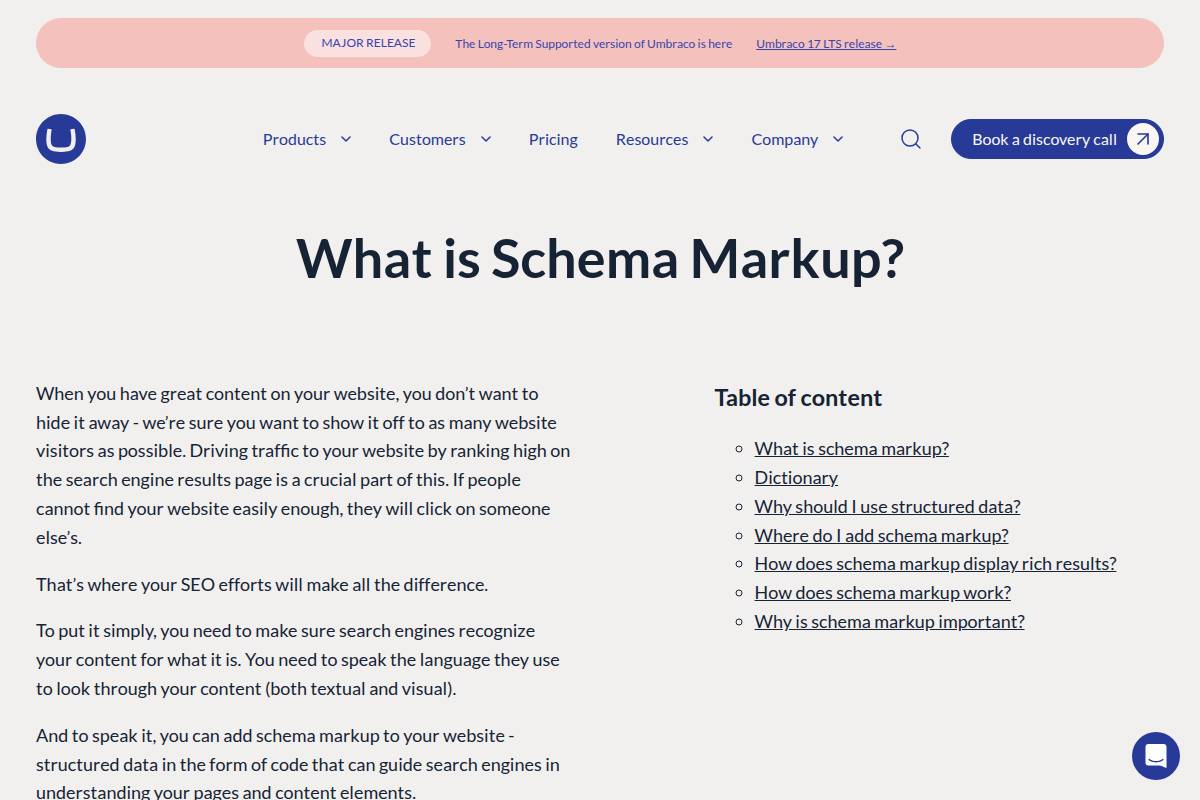
Schema markup, or structured data, is a vocabulary of tags you can add to your website’s HTML to help search engines interpret your page content more effectively. By detailing specific information—such as business hours, product details, or FAQs—schema allows search engines like Google to better understand your site, often leading to improved visibility in search results.
For example, when TripAdvisor leveraged schema markup for events and reviews, their pages began showing rich snippets, including star ratings and event dates, directly in search results. This made the listings more compelling and increased organic traffic.
Key Details
Incorporating different types of schema can dramatically enhance various facets of your site’s presentation in search. The most commonly valuable types for business websites include LocalBusiness, FAQ, Product, and Review schema. Each serves a distinct purpose—LocalBusiness displays address and hours, Product showcases specifications and pricing, FAQ highlights key customer questions, and Review brings in ratings.
Tools like Google’s Structured Data Markup Helper make implementation easier by guiding you through the process. Once schema is integrated, it’s crucial to verify correct setup via Google’s Rich Results Test tool to ensure eligibility for enhanced listings.
What Makes It Special
What sets schema apart is its ability to trigger rich snippets—those extra elements like review stars, pricing, site links, and FAQs within your search results. These enhancements not only make listings more prominent, but research from Search Engine Land suggests they boost click-through rates by up to 30%.
For example, Best Buy utilizes review and product schema to display star ratings and price ranges, encouraging users to click their listings over competitors.
Considerations
While schema can deliver significant SEO benefits, it does require a level of technical familiarity. Implementing schema accurately often means editing HTML or using robust plugins for platforms like WordPress. Without precise setup, errors can prevent your site from qualifying for rich snippets.
It’s also important to keep schema data up to date. If your business details or offerings change, schema must reflect those updates. Starbucks, for instance, regularly updates its LocalBusiness schema to provide current hours and store information across locations.
Best For
Schema markup yields the best results for organizations aiming to enhance the discoverability and appeal of their content in search results. Startups and smaller businesses, in particular, can use schema to stand out for local service queries, product searches, or FAQ answers.
Service-based businesses—like plumbers or law firms—have gained visibility by implementing LocalBusiness and FAQ schema, allowing their core services and common customer questions to feature directly within Google’s display panels.
Additional Info
Recent studies suggest that websites leveraging schema markup consistently see up to 30% higher click-through rates compared to those without it. Expedia’s use of structured data for travel products and reviews led to a measurable uptick in organic traffic and bookings, highlighting schema’s tangible ROI.
Reference:
What is Schema Markup and how do you implement it?
Conversion Rate Optimization (CRO) for SEO
Overview
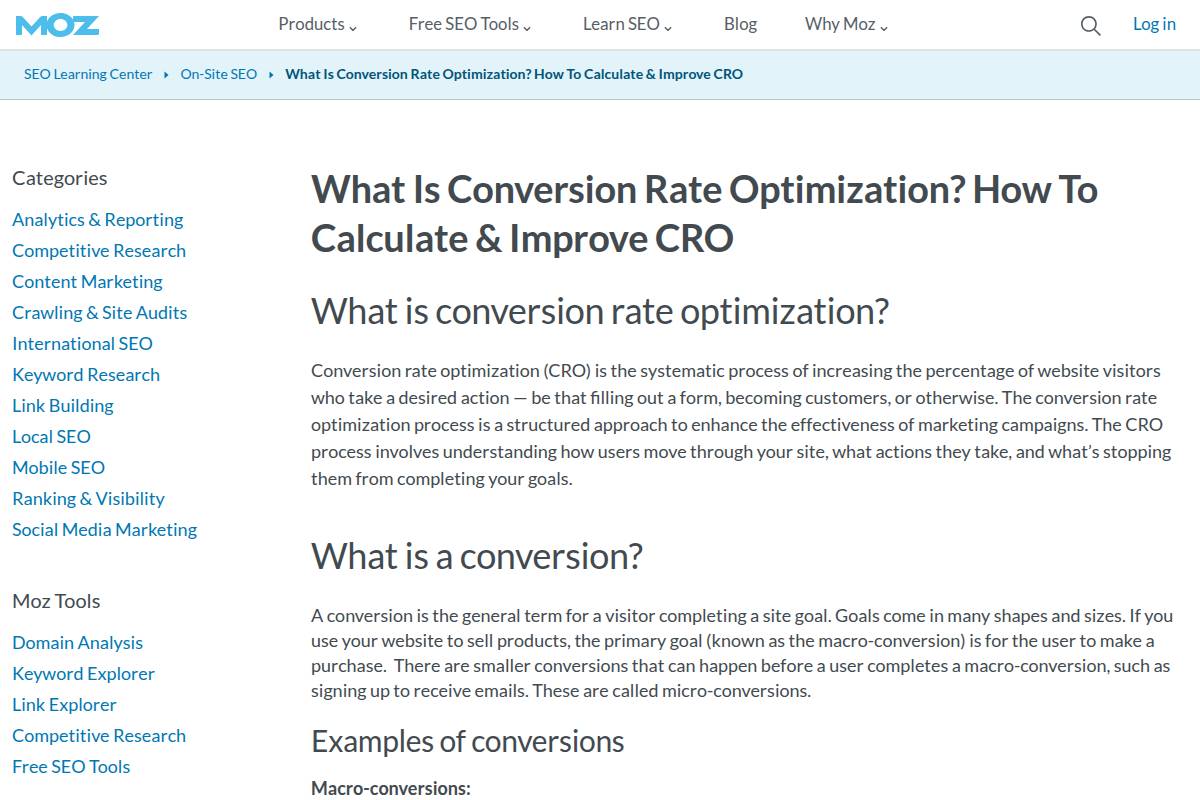
Conversion Rate Optimization (CRO) bridges the gap between driving organic search traffic and achieving measurable business outcomes. CRO goes beyond just page visits—it’s about transforming users who find your site via search engines into leads, signups, or paying customers. For brands like Indexly looking to scale efficiently, aligning SEO efforts directly with bottom-line metrics becomes crucial.
Take the example of HubSpot, which enhanced its organic lead generation strategy by focusing on CRO principles. By refining its blog CTAs and form placements, the company saw a 12% uptick in lead capture across high-traffic content pages without increasing ad spend.
Key Details
Successful CRO for SEO starts with tailoring landing pages for user intent. This involves ensuring clarity, concise messaging, and removing distractions. For instance, Moz improved its free tools landing page by rewriting headlines to address common SEO pain points, resulting in a higher sign-up rate.
Calls-to-action (CTAs) should be purposeful and establish trust—think clear buttons, reputable security badges, and visible contact information. Using A/B testing platforms like Optimizely allows companies to experiment with variations based on searcher behavior, uncovering which copy or design changes have the most impact. Booking.com is well-known for consistently running thousands of A/B tests to fine-tune every element for maximum conversions from organic traffic.
What Makes It Special
CRO ensures that traffic won from SEO isn’t wasted on unengaged visitors. Each visit becomes a potential revenue opportunity, directly supporting growth goals. Unlike generic website improvements, CRO for SEO prioritizes the segments that matter most—those already searching for solutions your business provides.
This targeted approach maximizes ROI. For example, Crazy Egg integrated behavioral analytics with conversion optimization and saw an increase in trial-to-paid conversion rates from traffic landing on its most-searched-for features page.
Considerations
Implementing CRO requires ongoing testing and a commitment to detailed analytics. Effective optimizers need patience: it often takes several iterations to get statistically significant results, especially on lower-traffic landing pages.
Performance compounds with experience and data. Over time, businesses build a knowledge base about what messaging, offerings, and layouts best convert their search visitors. Without this long-term view, it’s easy to settle for early, incomplete wins.
Best For
Startups can rarely afford to waste organic search opportunities. CRO is especially beneficial for firms where each new lead or sale has an outsized impact on growth. By focusing on measurable ROI from organic traffic, startups can direct resources to what’s most effective for scaling.
VWO’s 2022 Startup Conversion Benchmark study found that startups actively optimizing post-SEO conversions outperformed peers by up to 27% in lead generation within their first 18 months.
Additional Info
Founders focusing on CRO see compounding advantages: higher visitor lifetime value and faster paths to profitability. Indexly clients who embed CRO in their SEO processes often report stronger retention and accelerated customer acquisition.
Companies like Shopify regularly spotlight how optimizations—like streamlining checkout for organic search visitors—led to significant increases in average order value and reduced abandonment rates.
Reference:
What Is Conversion Rate Optimization? How To Calculate CRO
How to Choose the Right SEO Strategy for Your Startup
Early-stage startups often face pressure to achieve growth quickly while working with limited resources. Choosing the right SEO strategy is not just about ranking higher—it’s about aligning your approach with your business goals, target audience, and available capabilities. Drawing on real-world examples and practical insights, this section unpacks how startups like Indexly can select effective SEO strategies tailored to their needs.
Evaluate Your Target Audience, Business Model, and Growth Goals
Understanding who you’re targeting and how your startup plans to grow is foundational to SEO. A B2B SaaS startup like HubSpot, for instance, crafts its content strategy to attract marketing professionals and decision-makers, using targeted blog content and in-depth resources. If your target audience includes local customers, laser-focusing on local SEO will help build visibility in relevant geographic searches.
Startups with a direct-to-consumer (DTC) e-commerce model—such as Allbirds—should prioritize product page optimization, high-intent keywords, and trust signals. Your SEO strategy should reflect your audience’s search habits and the conversion paths unique to your business model.
Compare Time-to-Impact: Citation Building vs. Link Building
When resources are tight and fast results are needed, understanding the timeline of different tactics is crucial. Citation building—including business directories like Google Business Profile and Yelp—often provides quicker visibility in local search contexts. According to a Whitespark study, businesses saw local ranking improvements in as little as 2-4 weeks after systematic citation updates.
Link building, on the other hand, is a slower process but yields more sustainable authority and site equity over the long run. Brands like Backlinko have invested years into content-driven link earning strategies, achieving thousands of quality backlinks and substantial domain growth. Startups must balance short-term wins with long-term authority.
Assess Your Current Team’s Skill Sets and Available Resources
A realistic audit of your team’s SEO knowledge and capacity will prevent stalled campaigns. For example, a startup with content creators but limited technical SEO skills could leverage tools like SEMrush for keyword research and auditing rather than tackling intricate site migrations in-house.
If your resources are heavily weighted towards design and development, technical optimization (site speed, mobile readiness, structured data) could be a competitive edge. Moz’s annual industry survey highlights that startups often partner with SEO agencies when internal skills are lacking—especially for complex link acquisition.
Combine Strategies for Synergistic Results
SEO is not a zero-sum game. High-performing startups blend approaches for maximum impact. For instance, a local dental clinic in Austin used a mix of local citation building and targeted on-page blog content about “Austin teeth whitening” and saw a 40% uplift in booked consultations within six months. As reported by BrightLocal, combining local optimization with content marketing multiplies visibility gains.
The key is aligning complementary tactics: integrating schema markup to support citation relevance, or using blog posts to attract top-funnel links while directory listings support local discovery.
Monitor Data Regularly and Pivot As Your Startup Scales
SEO is iterative. Platforms like Google Search Console and Ahrefs allow startups to measure changes in keyword rankings, traffic sources, and site health. Calendly uses a monthly dashboard to track performance and identify organic traffic dips or sudden competitive threats, adjusting their on-page and off-page priorities accordingly.
As your business evolves—whether expanding to new markets or launching additional products—SEO tactics must adapt. Regular data-driven reviews help startups pivot strategy before missing growth opportunities.
FAQ Section
How long does it take for startups to see SEO results?
Timeframes for SEO success can vary, but most startups begin to notice measurable improvements within three to six months of consistent work. This process includes ongoing content creation, on-page optimization, and gradual authority building.
For example, when the tech startup Notion refined its site architecture and published targeted landing pages, organic traffic increased by over 30% in four months. Similarly, optimizing your Google Business Profile can yield even quicker wins for local startups—digital marketing agency BrightLocal reported clients observing more calls and direction requests within weeks of optimization.
How is SEO different for startups?
Startups face unique constraints and priorities, so their SEO strategy should focus on high-impact, scalable efforts that don’t strain resources. Instead of broad, resource-intensive campaigns, startups benefit most from targeting less-competitive, relevant keywords and building authority in a specific niche.
Stripe, for example, gained early traction by publishing developer-friendly guides and documentation tailored to its core audience. For most startups, investing in strategic content and foundational technical SEO delivers better ROI than spreading budgets thin across dozens of keywords or tactics.
What are common SEO mistakes for startups?
Startups often stumble by overlooking crucial elements. Neglecting technical SEO, like slow site speeds or missing sitemaps, can prevent proper indexing. Using inconsistent business citations can hurt local rankings and confuse search engines.
Participating in poor quality link schemes is another frequent misstep that invites penalties. For example, the pen store JetPens focuses on acquiring links from reputable industry sites rather than low-quality directories, resulting in sustained rankings. Lastly, ignoring conversion optimization wastes traffic—simple fixes such as clearer calls-to-action or improved landing pages can raise conversion rates by 20-30%.
How important is mobile optimization for startup websites?
Mobile compatibility is mission-critical. Over 60% of Google searches now occur on mobile, and mobile-friendly sites consistently rank higher. Google officially moved to mobile-first indexing in 2019, so neglected mobile responsiveness severely limits search visibility.
Take Dollar Shave Club as an example—their mobile-optimized checkout experience contributed to a 50% increase in mobile conversions. Prioritizing fast loading times, legible text, and easy navigation on smartphones ensures startups aren’t losing valuable traffic due to poor user experience.
What SEO tools are essential for startups?
Tools allow startups to maximize results while saving time and cost. Google Search Console is foundational for monitoring site health and indexing. Platforms like SEMrush and Ahrefs enable comprehensive keyword research, backlink analysis, and competitor benchmarking.
Moz Local streamlines citation management for local businesses, while Indexly is tailored for real-time indexing and issue detection—a critical advantage for ensuring new pages appear in search swiftly. Successful SaaS companies often credit these tools for scaling operations efficiently without large in-house SEO teams.
Leave a Reply