
Introduction
Why Improving Your SEO Ranking Matters
SEO is one of the few marketing channels where the value compounds over time. When your key pages rank on page one of Google, you continue to receive traffic without paying for every click, unlike Google Ads or paid social. That makes SEO a high-ROI engine for content creators, agencies, and in-house teams that need predictable, sustainable growth.
For example, HubSpot reported that 60% of their leads come from organic search, powered by a library of optimized blog posts and landing pages. A single well-optimized guide can drive thousands of visitors per month, feeding email lists, demos, and product trials long after it’s published. That leverage is what makes SEO worth systematic investment instead of one-off experiments.
Higher rankings don’t just mean more traffic; they mean more qualified visitors with intent. A B2B SaaS brand ranking for “best project management software for agencies” will naturally attract prospects ready to evaluate tools, not just casual readers. Agencies using a dedicated SEO content workflow platform can track these intent-driven keywords, align briefs with search demand, and turn rankings into leads, proposals, and closed revenue.
What This Guide Covers
This guide breaks SEO down into six foundational, executable strategies so you can plug them into your content workflow with clarity. Rather than chasing every new trend, we focus on core levers: technical health, content optimization, and authority building. Each is framed for creators, agencies, and marketing teams working inside real deadlines and budgets.
Across the sections, you’ll learn what each tactic is, why it matters, and what makes it effective in practice. For instance, we’ll cover how an ecommerce brand like Casper grew with technical fixes and content hubs, and how B2B teams use tools such as Ahrefs and Semrush to prioritize topics that actually convert. You’ll also see how to judge whether a tactic fits your current stage—whether you’re just fixing crawl issues or ready to scale a full content operation.
Every strategy includes practical signals and simple KPIs so you can decide if it belongs in your immediate roadmap. That way, your SEO efforts connect directly to your publishing calendar, writer briefs, and promotion plans inside your content workflow platform, instead of sitting in a separate, theoretical “SEO strategy” document no one uses.
Technical SEO Audit
Overview
A technical SEO audit is a structured review of how your website is built and delivered, from server settings to internal links. Instead of focusing on keywords or content quality, it evaluates the behind‑the‑scenes elements that influence how Googlebot and Bingbot crawl, render, and index your pages.
When agencies onboard new U.S. clients, they often start with a technical audit to catch issues such as blocked resources, unnecessary parameters, or misconfigured canonical tags. In several SEO case studies, simple fixes like correcting indexing directives led to double‑digit traffic lifts without publishing new content.
Key Details
An effective audit looks closely at site speed, mobile responsiveness, crawlability, indexation, site architecture, HTTPS, and Core Web Vitals. U.S. teams typically pair Google Search Console with crawlers such as Screaming Frog, then validate performance via PageSpeed Insights or Lighthouse.
For example, an eCommerce retailer might discover through Semrush Site Audit that thousands of faceted URLs are being indexed, diluting crawl budget. By tightening robots.txt rules and improving internal linking, they can guide crawlers toward high‑value category and product pages, supporting stronger rankings and revenue.
What Makes It Special
The real strength of a technical SEO audit is its compounding effect. When you remove hidden roadblocks—like duplicate content from URL parameters or long redirect chains—every blog post, landing page, and product description can perform closer to its full potential.
Agencies working with content‑heavy publishers in the U.S. often see this in practice: after compressing images, fixing 4xx errors, and stabilizing Core Web Vitals, organic sessions rise even when the publishing cadence stays constant. The audit becomes a force multiplier, not just a maintenance task.
Considerations
Running and implementing a technical SEO audit usually requires collaboration with developers or a technically savvy SEO. Some fixes, like reducing Time to First Byte or optimizing JavaScript bundles, sit deep in the stack and can’t be handled by content teams alone.
Because audits can surface hundreds of issues, it helps to rank them by impact and effort. Many agencies maintain a shared backlog in tools like Asana or Jira, tagging items as critical (indexation errors), high (site‑wide speed problems), medium (non‑critical 404s), or low (minor HTML validation warnings).
Best For
Technical SEO audits are especially valuable for growing businesses whose content isn’t ranking as expected. If your blog is publishing consistently but impressions plateau in Google Search Console, a crawl may reveal thin tag pages or orphaned URLs wasting equity.
They’re also essential for marketing teams planning redesigns, domain changes, or migrations to platforms like Shopify or Webflow. A structured audit before and after launch reduces the risk of sudden organic traffic drops, which is a recurring theme in many successful SEO case studies to improve your strategy in 2025.
Additional Info
A practical approach is to start with Google Search Console to review Coverage, Page Experience, and Mobile Usability reports. Then, run a full crawl with Screaming Frog or Ahrefs Site Audit and validate performance issues using PageSpeed Insights on your top‑traffic URLs.
Document every finding in a prioritized backlog and assign owners and due dates. Agencies often revisit this list monthly, tracking resolved issues and correlating them with changes in clicks, impressions, and revenue to prove the ROI of technical SEO work.
On-Page SEO Optimization
Overview
On-page SEO optimization is the process of improving individual pages so they rank higher in Google and attract qualified organic traffic. It focuses on everything you can control directly on the page, from the words you write to the HTML structure behind them.
When done well, on-page work aligns your content with search intent and relevance. For example, an article targeting “SEO strategies for small businesses in the US” should clearly address U.S. regulations, local directories, and tools like Google Business Profile, not just generic global SEO advice.
Key Details
Effective on-page optimization starts with core elements: title tags, meta descriptions, headers, URLs, keyword placement, internal links, and image alt text. Each element sends a relevance signal to search engines and shapes how users experience the page.
Marketing teams often use tools like Google Search Console, Semrush, Ahrefs, Surfer SEO, and Clearscope to refine these signals. For instance, an agency might use Surfer SEO to adjust headings and keyword density, then confirm gains by tracking improved click-through rate (CTR) and positions in Google Search Console.
What Makes It Special
On-page SEO often delivers some of the fastest gains, especially on existing URLs that already receive impressions. Tweaking titles, tightening topical focus, and adding internal links can lift rankings within weeks, without waiting for new backlinks.
Because changes usually don’t require engineering support, content and SEO teams can iterate quickly. A marketing team at a SaaS company, for example, might refresh 20 underperforming blog posts in a quarter and see 20–30% organic traffic growth just from on-page updates.
Reference:
→ aeo-tools-content-optimization
Reference:
→ optimize-content-for-search-engines
Reference:
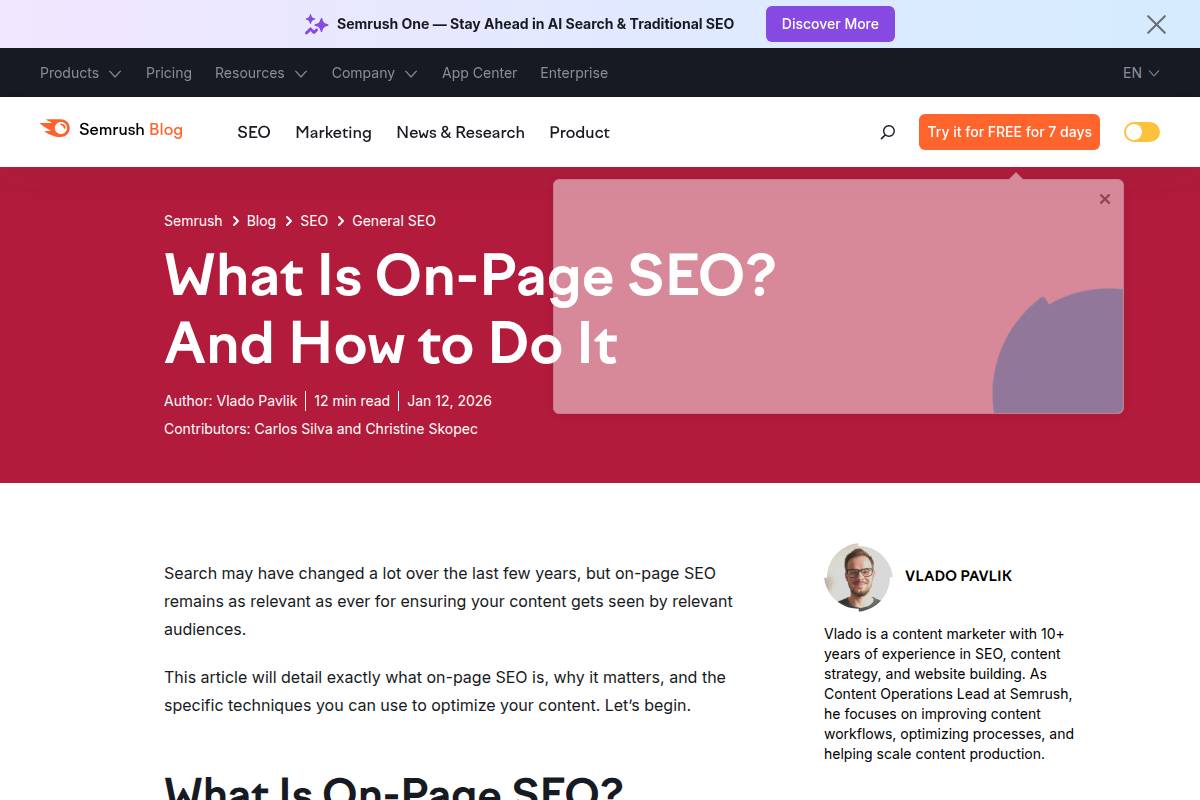
What Is On-Page SEO? And How to Do It
High-Quality Content Creation
Overview
High-quality content creation is the backbone of sustainable SEO and revenue growth. It means publishing authoritative, useful, and engaging material that fully answers the questions your audience is actually typing into Google. When your content resolves problems better than competing pages, search engines reward it with stable, compounding visibility.
Modern case studies, such as 19 SEO Case Studies to Improve Your Strategy in 2025, repeatedly show that pages which match search intent and provide depth earn more rich results, backlinks, and long-term traffic. That combination is what builds topical authority in your niche.
Key Details
High-quality content spans multiple formats: blog posts, in-depth guides, ebooks, and resource hubs that map directly to your funnel. A SaaS company might publish a 4,000-word onboarding guide, comparison pages against competitors, and case studies showing how clients increased MQLs by 35% using their platform.
The core principles are depth, accuracy, originality, and clarity. Use tools like Semrush and Ahrefs to research topics, then translate that data into structured briefs. For example, many brands in the AIOSEO case studies improved rankings by pairing strong content with schema markup and consistent optimization, boosting time on page and engagement.
What Makes It Special
When content is genuinely useful, it starts to function like an always-on sales and education engine. A B2B SaaS brand that publishes detailed “how we increased organic demos by 48%” breakdowns often sees those guides cited and linked by industry blogs, which compounds domain authority.
High-quality assets support every stage of the customer journey. A top-of-funnel guide attracts searchers researching a problem, while a mid-funnel comparison page and a bottom-funnel case study help them justify a decision internally. Those same pieces can be repurposed into email sequences, LinkedIn threads, and sales decks without reinventing the wheel.
Reference:
Creating High-Quality Content in Marketing
Keyword Research and Search Intent Mapping
Overview
Keyword research and search intent mapping help you understand what your audience types into Google and why they run those searches. Instead of brainstorming topics in a vacuum, you align content ideas with the exact language and needs users express in the search bar.
When you map keywords to intent stages—awareness, consideration, and purchase—you can design a full content funnel. For example, an SEO agency might pair “what is technical SEO” with a guide, then target “technical SEO audit services” with a high-converting service page.
Key Details
Effective research starts by classifying keywords as informational, navigational, commercial, or transactional. A term like “Ahrefs pricing” signals commercial intent, while “best SEO reporting tools” leans transactional and should trigger comparison pages or demos.
Use metrics such as search volume, keyword difficulty, CPC, and inferred intent from tools like Google Keyword Planner, Semrush, Ahrefs, Moz, and AnswerThePublic. Typical outputs include prioritized keyword lists, topic clusters, and content maps that connect each term to a specific URL concept.
What Makes It Special
Intent-led research replaces guesswork with real search behavior. Instead of writing generic blogs, a SaaS like HubSpot targets “CRM for small business pricing” to capture leads already comparing vendors, directly supporting sales goals.
This approach highlights realistic opportunities where you can outrank U.S.-based competitors on long-tail, high-intent phrases. It also connects SEO to revenue by assigning bottom-of-funnel terms to product pages, trials, and demo offers.
Considerations
Chasing only high-volume keywords often means battling giants like Amazon or Salesforce for broad terms. Mixing those head terms with specific queries such as “affordable project management software for agencies” usually yields better conversion rates.
Because search intent and SERPs change, schedule quarterly reviews to re-check results and formats. Collaboration between SEO, content, and sales ensures topic priorities reflect real objections and questions heard in U.S. sales calls.
Best For
Structured keyword and intent mapping works especially well for agencies building SEO roadmaps for competitive industries such as legal, healthcare, and B2B SaaS. It lets them show clients clear, staged content plans instead of one-off blog calendars.
Marketing teams launching new products, entering new verticals, or scaling content operations can also map every asset to a validated keyword. This helps writers focus on content that supports both discoverability and pipeline.
Additional Info
For each target term, review the live SERP to see which page types rank—guides, tools, checklists, or product pages. If Google ranks mostly in-depth guides for “content brief template,” your best bet is a detailed how-to with a downloadable template, not a thin landing page.
Group semantically related keywords into topic clusters and assign one pillar page plus several supporting articles. Then, enrich your map using Google Ads search terms reports and on-site search logs to capture the exact phrases users already use with your brand.
Reference:
→ best-ai-keyword-research-tools
Reference:
→ best-ai-content-writing-tools
Reference:
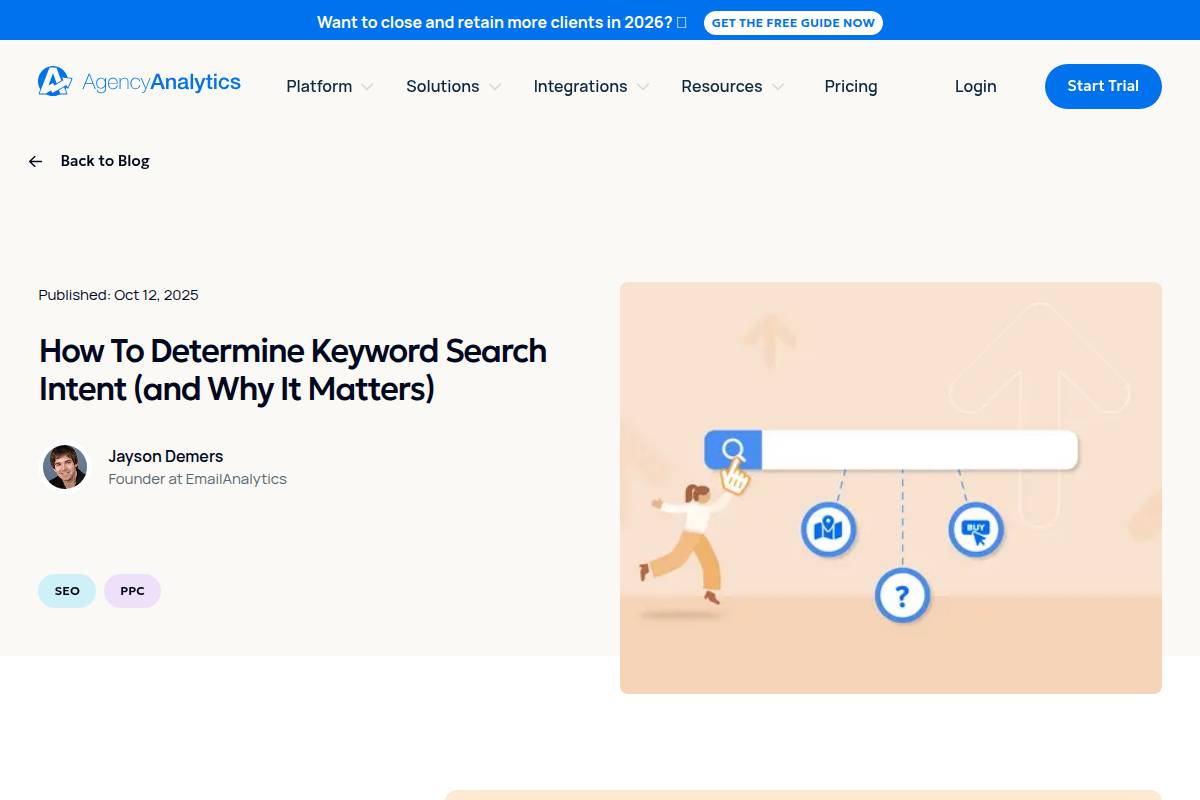
What Is Keyword Search Intent (and Why It Matters)
Link Building and Digital PR
Overview
Link building and digital PR focus on earning backlinks from relevant, trusted sites that your U.S. audience already reads. These backlinks act as public endorsements, signaling to Google that your content deserves to rank for competitive queries.
For example, when HubSpot earns links from outlets like Forbes or Inc., those mentions boost both specific pages and overall domain authority. Over time, this authority helps their entire blog rank for broader marketing and sales topics.
Key Details
Effective programs blend tactics such as guest posting, digital PR campaigns, thought leadership, and broken link building. Agencies commonly pitch contributed articles to MarketingProfs, Search Engine Journal, or local business journals to secure contextually relevant links.
Teams track success with metrics like referring domains, Domain Rating (Ahrefs), and anchor text distribution. Tools such as Ahrefs, Semrush, BuzzSumo, and Hunter.io streamline prospecting, content ideation, and outreach list building for U.S.-based editors and journalists.
What Makes It Special
High-quality backlinks remain one of the strongest ranking signals across Google’s algorithms. When a SaaS company earns coverage in TechCrunch with a followed link, that single placement can drive referral traffic and lift rankings for multiple product and feature pages.
This authority often cascades across topic clusters. A B2B platform publishing original workflow research, then cited by Search Engine Land, can see improved visibility for related guides on briefs, content calendars, and scalable SEO content operations.
Considerations
Strategic link building is labor-heavy and relationship-driven. Outreach must be personalized and value-first, especially when contacting U.S. editors at outlets like The Wall Street Journal or local NBC affiliates.
Low-quality link schemes—such as buying links from obvious networks—risk manual actions and algorithmic devaluation. Sustainable success usually depends on strong assets like proprietary data, interactive tools, or state-of-industry reports that journalists genuinely want to reference.
Best For
This approach suits established businesses, SEO agencies, and in-house marketing teams with budgets for long-term authority building. Brands that already publish insightful reports, benchmarks, or tools can repurpose those assets for media outreach.
Agencies managing multiple U.S. clients often run always-on digital PR, nurturing journalist relationships in niches like legal, healthcare, and eCommerce to consistently secure coverage and links over quarters, not weeks.
Additional Info
Prioritize links from sites that share your topical focus—such as Search Engine Journal for SEO platforms or Adweek for advertising technology—rather than chasing authority metrics alone. Relevance sends a stronger quality signal and drives better-qualified referral traffic.
Maintain a light-touch disavow process for obviously spammy domains, while focusing most of your effort on earning new, high-quality mentions through timely newsjacking, expert commentary, and proprietary U.S. market data.
Reference:
The Difference Between Link Building and Digital PR
User Experience and Conversion Optimization
Overview
Strong UX turns search traffic into revenue by making your site easy to understand and effortless to use. When visitors can quickly find what they need, they are far more likely to subscribe, book a demo, or complete a purchase.
Google’s ranking systems reward sites that load fast, feel intuitive, and satisfy intent, reflected in lower bounce rates and better engagement. For an SEO content workflow platform, this often means clear workflows, obvious CTAs like “Start Free Trial,” and frictionless navigation across templates, briefs, and analytics.
Key Details
High-impact areas include page speed, mobile usability, and clean navigation. For example, shaving 1–2 seconds off Largest Contentful Paint (LCP) on your pricing or signup page can lift conversion rate by several percentage points, as seen in Google’s own Web Vitals case studies.
Track bounce rate, time on site, pages per session, and conversions via Google Analytics, while using Search Console and PageSpeed Insights for Core Web Vitals. Tools like Hotjar or FullStory reveal rage clicks on menus or forms, showing where your content workflow users abandon onboarding or fail to complete project setup.
What Makes It Special
UX and conversion optimization improve both rankings and revenue without increasing ad spend. Instead of only chasing more traffic, you extract more value from visitors already landing on blog posts, SEO templates, and resource hubs.
Reducing friction in key flows—such as creating a brief, inviting collaborators, or exporting content—supports better engagement signals and repeat visits. Thoughtful UX also tends to improve accessibility, which broadens your audience and reduces ADA-related risk for U.S. marketing teams.
Considerations
UX work often challenges established branding or layout preferences, so you’ll need alignment between marketing, product, and engineering. Clear hypotheses help; for example, “Changing our primary CTA to ‘Book Strategy Call’ will increase demo requests by 15%.”
Use A/B testing platforms like Optimizely or Google Optimize (while it was active) to validate changes before rolling them out. Continuous monitoring is critical as new devices, screen sizes, and content formats shift how users experience your SEO workflow platform.
Best For
UX and conversion optimization are especially valuable for sites that already attract solid organic traffic but underperform on leads or trials. A U.S.-based SaaS with 30,000 monthly sessions and a 0.7% trial conversion rate, for instance, can often double conversions just by simplifying navigation and forms.
Agencies and in-house marketing teams under pressure to prove ROI from organic search can use UX improvements—shorter signup flows, clearer pricing, better content structure—to tie traffic directly to pipeline and revenue.
Additional Info
Above the fold, make it obvious what your platform does, who it serves, and the primary action to take. For a content workflow tool, a concise headline, a 1–2 sentence value proposition, and a contrasting “Start Free Trial” button work far better than abstract taglines.
Prioritize mobile usability by testing forms, menus, and CTAs on real iOS and Android devices. Combine this with heatmaps and session recordings to see where users hesitate or drop off, then run targeted experiments that streamline those steps and reduce cognitive load.
Reference:
→ aeo-tools-content-optimization
Reference:
→ optimize-content-for-search-engines
Reference:
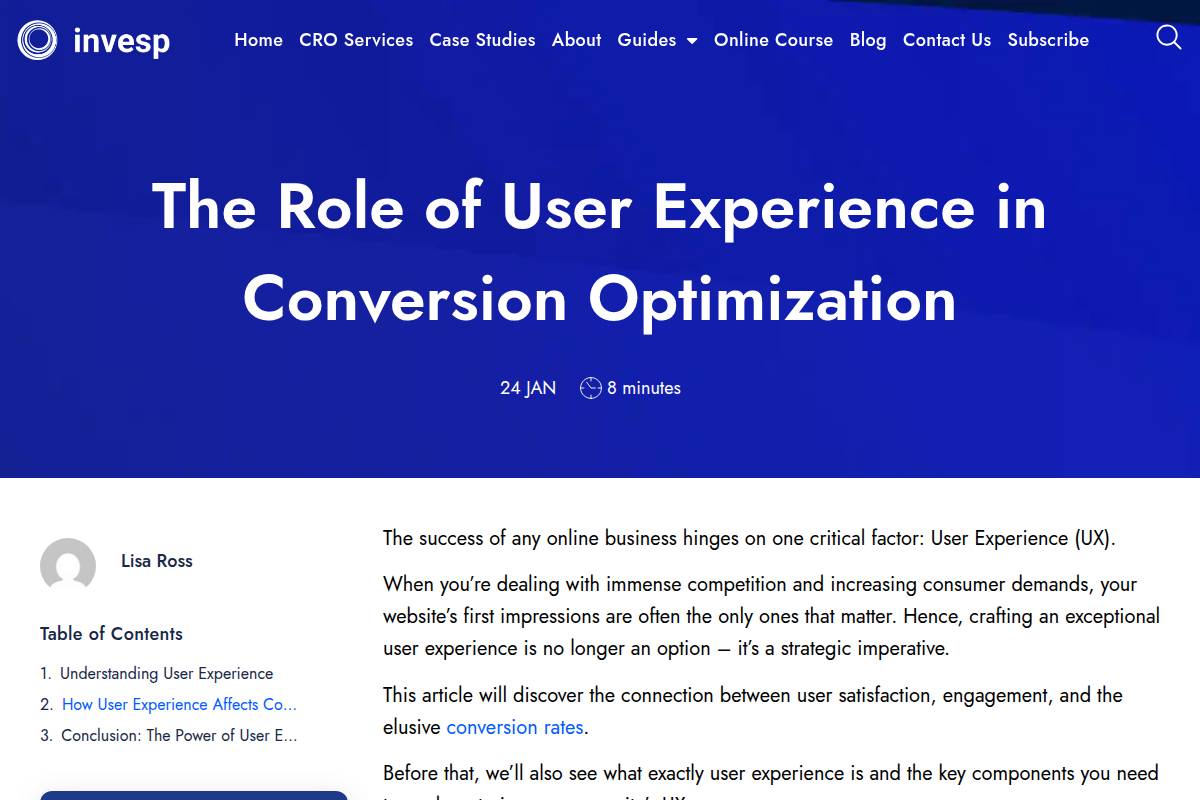
The Role of User Experience in Conversion Optimization
How to Choose the Right One
Decision Guide by Site Situation
Choosing the right SEO initiative starts with diagnosing your current bottleneck, not copying someone else’s roadmap. Look at your analytics, Search Console, and CRM to see where performance actually breaks down: visibility, traffic, or conversions.
Use the situations below as a decision tree, then align each choice with specific KPIs in your SEO content workflow platform so you can track progress over time.
Match Tactics to Your Current Problems
If Google Search Console shows crawl errors, slow Core Web Vitals, or mobile usability issues, prioritize a Technical SEO Audit. For example, after fixing 5xx errors and CLS issues, Backlinko reported a 27% organic traffic lift on key guides. Technical fixes protect every other SEO investment.
When you already get traffic but critical pages sit on page two, focus on On-Page SEO Optimization. Refresh title tags, internal links, and structure. HubSpot has shown that updating and re-optimizing high-potential posts can drive double-digit traffic gains without publishing net-new content.
If your niche coverage is thin, invest in High-Quality Content Creation around tightly mapped topics. Use keyword clustering and search-intent mapping to build libraries, like Ahrefs’ SEO blog, which ranks for thousands of long-tail queries with deep, tutorial-style posts.
If you’re unsure what to target next, lean on Keyword Research and Search Intent Mapping to define your roadmap. Tools like Semrush and Ahrefs reveal gaps where competitors rank and you don’t, helping agencies prioritize themes inside a shared content calendar.
When your content is strong but authority lags, emphasize Link Building and Digital PR. Brian Dean’s skyscraper technique, for instance, has documented campaigns earning hundreds of editorial links from sites like HubSpot and WordStream.
If traffic is decent but demos or sales are weak, shift to User Experience and Conversion Optimization. Brands like Basecamp have seen meaningful sign-up lifts by testing headlines, CTAs, and form friction on already well-ranked pages.
Comparison and Sequencing Tips
Once you understand your main constraint, compare tactics against your resources and goals instead of guessing. Each initiative should map to a primary KPI: rankings, organic sessions, qualified leads, or revenue.
Align those KPIs inside your SEO platform so your content, technical, and outreach teams see the same numbers in one place.
Plan Order and Reassess Regularly
A reliable sequence is: fix major technical blockers → align content with search intent → build authority → refine UX and conversions. For example, a B2B SaaS agency might first clean up crawl issues in Screaming Frog, then roll out 20 new intent-matched landing pages, then launch a targeted digital PR campaign.
Factor in constraints like developer time, writer availability, and outreach capacity. Revisit priorities at least quarterly. As your SEO maturity grows, you may shift from heavy content production (like ClickUp did in its early growth phase) to continuous CRO testing on high-traffic, high-intent pages that already rank well.
FAQ
How long does it take to see improvements in SEO ranking?
SEO timelines vary, but most U.S. businesses start seeing measurable ranking movement within three to six months. This assumes consistent implementation, not one-off fixes. Google needs time to crawl, index, and test your updated pages against competitors.
For example, a SaaS company using Ahrefs and Google Search Console to optimize 30 key pages might see click-through rates rise within 4–8 weeks, while major keyword jumps often appear around the 3–5 month mark.
Which SEO strategy gives the fastest results?
The quickest visible gains usually come from on-page optimization and a technical SEO audit. Fixing title tags, meta descriptions, header structure, and internal links often unlocks value from content you already have.
A Denver agency, for instance, improved a client’s click-through rate by 40% in six weeks simply by rewriting titles and meta descriptions and resolving crawl errors flagged in Google Search Console and Screaming Frog.
Do I need all six strategies to boost website ranking?
To build sustainable search visibility, you need a mix of technical health, authoritative content, domain trust, and strong user experience. Relying on one tactic, like content alone, usually hits a ceiling.
In the short term, focus on your main constraint. If pages are slow, prioritize Core Web Vitals. If you lack authority, invest in digital PR and editorial backlinks, then layer in content scaling with a workflow platform.
How often should I update my SEO strategy?
Review your SEO strategy at least once per quarter to stay aligned with shifting demand and competitor moves. This is especially important in competitive U.S. niches like legal, healthcare, or B2B SaaS.
Use Google Analytics and Search Console to spot declining URLs, rising search queries, and underperforming SERP features, then refresh content, adjust internal links, and refine your topic clusters accordingly.
Can small businesses compete with large brands in SEO?
Small businesses can compete effectively by targeting long-tail keywords and niche topics that big brands ignore. Local intent is especially powerful; terms like “Cleveland ecommerce SEO consultant” are far more attainable than broad phrases.
For example, a local bakery in Austin can win traffic with pages optimized for “same-day custom birthday cakes Austin” and detailed FAQ content, while chains like Walmart focus on broad, high-volume terms.
Leave a Reply