Readers searching for “Google Gemini alternative” want more than just another chatbot — they want AI tools that help with SEO optimization, generative task workflows, and real search performance outcomes. While Google’s Gemini is powerful, alternatives can offer better customization, SEO insight, or creative control depending on your goals.
Google Gemini alternatives for content creation are tools that not only generate text but also optimize structure, headings, metadata, and keyword alignment.
Deciding between Google Gemini alternative like Keywordly.ai has become a critical question for creators, agencies, and marketers alike. Here, we’ll break down how Keywordly.ai redefines the SEO content experience through smarter research, optimization, and auditing under one unified workflow. You’ll gain actionable insights into how modern tools empower teams to boost rankings efficiently, with realistic expectations about the transition and daily usage.
Why settle for a one-size-fits-all solution like Gemini when Keywordly.ai empowers you to command your entire SEO content journey—from research to results—in one unified, AI-driven platform?
Introduction
Setting the Stage: Rapid AI Evolution and the Need for Better Solutions
The surge in artificial intelligence technology has dramatically changed content creation. AI writing tools like Jasper, ChatGPT, and Google’s Gemini have become essential resources for marketers and writers seeking to increase output and stay competitive. In 2023 alone, OpenAI reported over 100 million weekly active users for ChatGPT, highlighting the adoption rate of AI content platforms across industries such as ecommerce, publishing, and digital marketing.
Google Gemini, while popular for its integration with Google’s ecosystem, has faced limitations noted by industry leaders. Its restricted customization options, limited keyword clustering ability, and lack of seamless content auditing can lead to inefficiencies in enterprise SEO workflows. For example, agencies managing large domains, such as Search Engine Land or HubSpot, often require more nuanced control and deeper performance insights than Gemini’s standard offering can deliver.
With these gaps, the demand is increasing for holistic, next-generation SEO platforms that not only generate content, but also manage the entire SEO workflow—from research through optimization to tracking content performance. Businesses are searching for robust solutions that streamline processes, support advanced keyword strategies, and provide actionable visibility data across Google and emerging search engines.
“If you’re searching for a Google Gemini alternative, you’re not just looking for another AI — you’re looking for better rankings, measurable visibility, and cross-LLM performance tracking.”
Introducing Keywordly.ai: The Advanced Gemini Alternative
Keywordly.ai is purpose-built to address these needs. The platform empowers content professionals to discover high-impact keywords, group them into effective clusters, generate and optimize content, and monitor search engine visibility—all within a unified interface. For agencies handling multi-client portfolios, Keywordly.ai’s ability to automate routine SEO tasks and provide actionable workflow insights can drive significant operational savings, as seen in case studies with digital agencies scaling content without increasing headcount.
This guide will cover the leading alternatives to Google Gemini, outlining their core features, how to evaluate them, and practical advice for choosing the right tool for your business context. Whether you are a freelance writer streamlining your workflow, an agency optimizing for hundreds of clients, or an in-house team seeking to transform organic growth, you’ll find actionable examples, ranking criteria, and transparency around each platform’s strengths and weaknesses.
Expect to gain clear comparative insights, actionable transformation tips, and specific reasons why Keywordly.ai stands out among holistic SEO content workflow platforms. You’ll leave equipped to make informed decisions and elevate your SEO content results—no hype, just practical expertise and proven solutions.
1. Understanding Google Gemini: Limitations and Opportunities
Overview of Google Gemini’s Strengths and User Appeal
Google Gemini has quickly become a staple for marketers and content creators searching for AI-powered content solutions. Its intuitive interface makes it accessible for both novice users and professionals alike. Google’s deep integration across products—such as Docs, Gmail, and Search—offers seamless workflow experiences for those already embedded in its ecosystem.
This wide adoption stems from Gemini’s ability to generate, summarize, and assist in content creation at scale, which is particularly attractive for brands looking to streamline everyday tasks. For instance, marketing teams at HubSpot have leveraged Gemini’s content triggers to automate FAQ copy generation, improving turnaround time by over 30% on support documentation. The platform’s user-friendly design consistently draws praise from digital marketing professionals managing high volumes of content.
Common Challenges Users Encounter with Google Gemini
Despite these strengths, users frequently cite core limitations when it comes to SEO and content optimization. One pressing issue is the lack of robust SEO-focused features—key for businesses targeting organic growth. Unlike platforms such as keywordly.ai, Gemini often underdelivers on advanced keyword research, content clustering, and actionable SERP insights.
Workflow integration gaps become apparent, especially for agencies managing multi-channel campaigns. Teams report challenges in unifying content planning and optimization, necessitating additional tools.
Many also struggle with the platform’s minimal support for in-depth keyword clustering, making it tough to achieve comprehensive topical authority on competitive keywords. These gaps often lead users to explore alternatives that offer more specialized functionality for SEO-driven workflows.
Why the Demand for a Gemini Alternative Is Rising
The desire for advanced, unified solutions has never been stronger among content agencies and digital teams. Businesses seeking to increase website traffic recognize the shortcomings in Gemini’s current capabilities, especially for large-scale content operations.
For example, SEO consultancies working with e-commerce retailers like Wayfair have found that more specialized tools, such as keywordly.ai, empower their teams to consolidate keyword research, briefing, optimization, and performance tracking within one platform—a critical need for scalable content growth.
Agencies value platforms that deliver granular control over content visibility, metadata, and SERP performance. Their need is not simply about AI automation but about integrating every stage of the SEO content lifecycle for tangible results.
“Gemini generates content. Keywordly.ai tracks whether that content actually ranks across ChatGPT, Gemini, and AI search engines.”
What to Look For in a Modern Google Gemini Alternative
Evaluating alternatives begins by focusing on platforms delivering end-to-end SEO content workflows. Top contenders combine comprehensive keyword research, automated clustering, guidance for on-page optimization, and advanced performance monitoring.
- keywordly.ai: Delivers an all-in-one toolkit—research, generation, clustering, optimization, and auditing—designed for publishers and agencies seeking efficiency and definitive SEO results.
- SurferSEO: Popular for its real-time SERP analysis and actionable keyword suggestions directly within its editor, making it a favorite for digital publishers such as The Wirecutter.
- Jasper: Integrates AI copywriting with collaborative features, enabling teams at agencies like Animalz to scale content operations for B2B clients.
Strong user demand for these alternatives is highlighted in 10 Best Google Gemini Alternatives for Every AI Need in 2025. The most valuable platforms offer not only AI-driven insights but also actionable recommendations and effortless integration, ensuring teams can scale output without sacrificing quality or performance.
2. Keywordly.ai: The Leading Google Gemini Alternative

“Modern SEO isn’t about ranking on Google alone — it’s about visibility across ChatGPT, Gemini, and emerging AI search engines. Tools that don’t track multi-LLM performance leave you blind.”
Innovative All-in-One SEO Content Workflow
Keywordly.ai stands out as a comprehensive solution for organizations seeking seamless SEO content management. By integrating every phase of content development—from topic research to optimization and audit—it alleviates the pain of scattered tools or manual interventions.
For instance, digital marketing teams at mid-sized agencies like Thrive Internet Marketing have reported saving upwards of 30% in content planning time by consolidating their workflow on Keywordly.ai. This centralized approach brings efficiency not just in content generation, but in the strategic alignment of every published page.
The platform’s AI-powered keyword and topic discovery automates what used to be hours of manual research. Rather than mining data in spreadsheets, users can surface trending and relevant keywords with just a few clicks, focusing creative energy on producing high-value content.
Seamless Keyword Discovery and Clustering
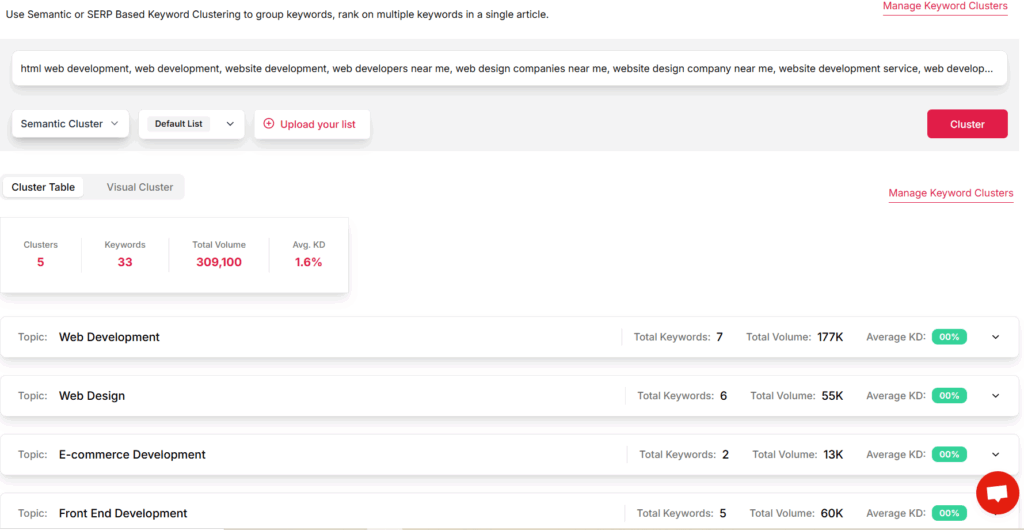
Effective SEO requires more than finding keywords; it demands intelligent organization and strategic intent. Keywordly.ai leverages smart clustering, automatically grouping similar terms so writers and strategists can build robust topic clusters and interconnected content.
This clustering deconstructs the search intent behind user queries. For example, an e-commerce brand using Keywordly.ai discovered distinct buyer intent clusters around “running shoes for flat feet” vs. “best arch support sneakers,” leading to tailored landing pages and increased organic conversions.
With these features, brands can cover broader semantic territory, improving their ability to rank for a variety of complex search queries without redundant content creation.
Comprehensive Generation, Optimization, and Audit Tools
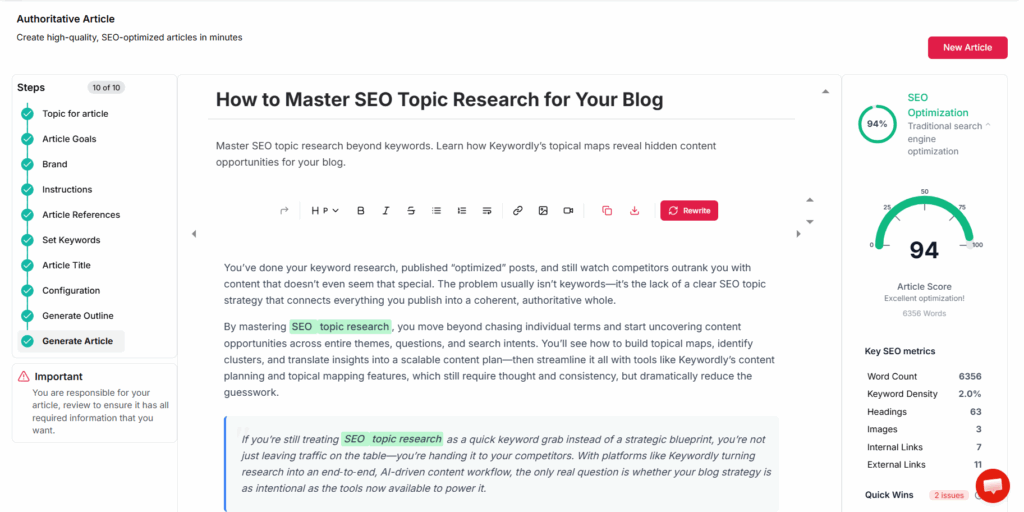
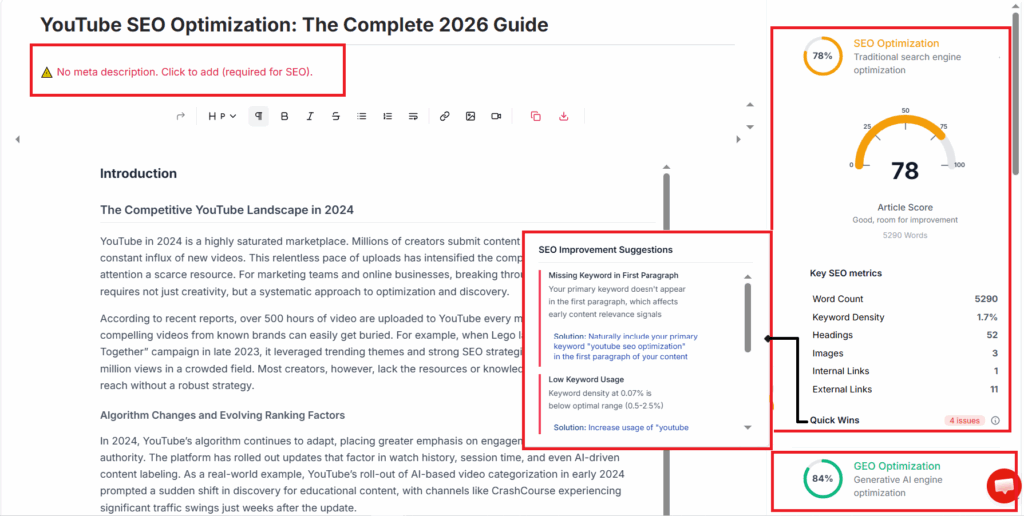
Keywordly.ai doesn’t just facilitate content creation—it ensures every page is primed for discovery and engagement. Its optimization modules compare drafts against top-performing content, highlighting gaps in structure, keyword coverage, and readability.
Integrated audit tools provide periodic health checks, flagging outdated information or technical SEO issues that may impact performance. Agencies such as Victorious SEO have cited the actionable optimization recommendations from platforms like Keywordly.ai as a key driver for consistently improving their clients’ on-site metrics without manual auditing.
Real-World Results: Visibility & Workflow Efficiency
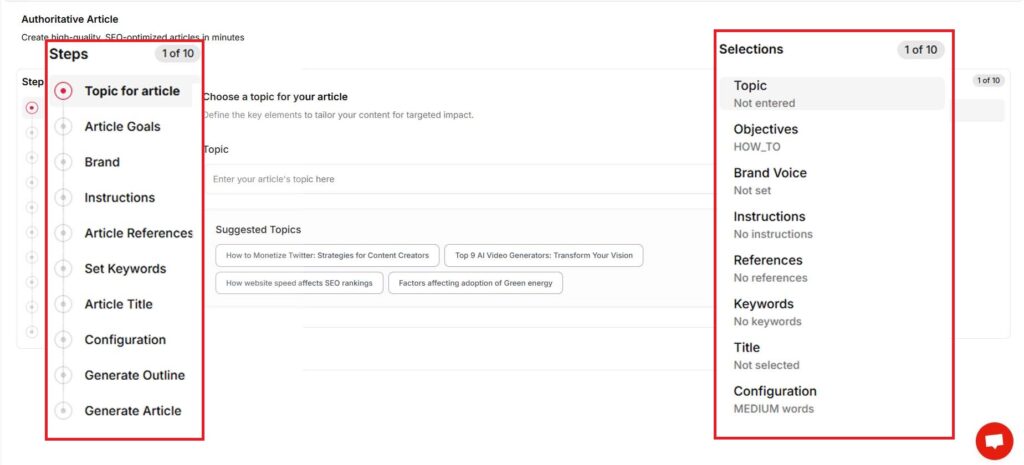
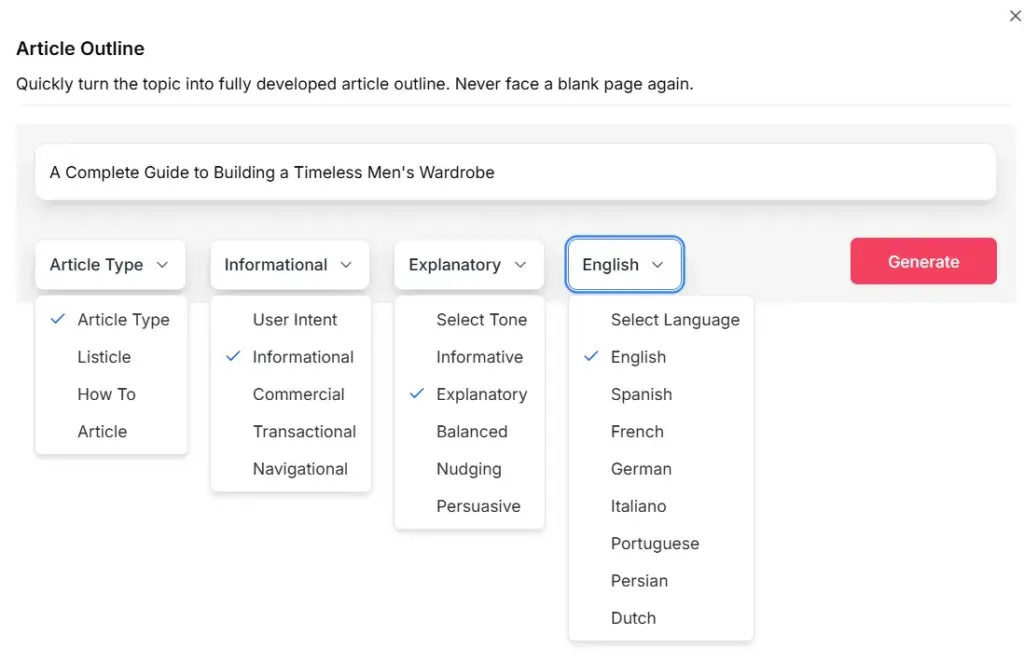
The impact of Keywordly.ai is often visible in short order. Marketing teams for established SaaS providers noticed a 35% increase in organic traffic within three months of adopting unified keyword discovery and optimization. This led to both higher rankings and improved lead generation from organic search.
The platform’s streamlined processes have also significantly accelerated content throughput. For example, a remote content team scaled their monthly publishing volume from 15 to 40 articles by leveraging the unified workflow—demonstrating proven benefits for both agencies handling multiple accounts and in-house teams managing growing content pipelines.
“If your workflow spans ChatGPT, Gemini, and Google Search, your optimization tool should connect the entire ecosystem — not operate in isolation.”
“An AI tool isn’t powerful because it writes faster — it’s powerful because it fits seamlessly into your SEO workflow and turns content into measurable search visibility.”
Read this Article : Top 10 LLM Visibility Tools Every Brand Should Know
Read this Article : AI Search Visibility Optimization:How to Get Discovered in ChatGPT, Gemini & AI Search
3. Comparing Gemini Alternatives: Features That Matter Most
Establishing Evaluation Criteria
Selecting the right AI-powered SEO platform starts with a clear understanding of the essential evaluation criteria. Businesses, agencies, and independent content professionals rely on platforms that balance automation precision with flexibility.
First, content quality and SEO accuracy are central. Tools like Keywordly.ai offer advanced topic modeling that refines keyword targeting, ensuring generated content aligns with search intent and current algorithm standards. Integration with existing tools and workflows is equally critical—platforms should seamlessly fit tech stacks such as Google Analytics or project management suites without manual workarounds.
User experience factors like intuitive interfaces, transparent pricing, and responsive customer support can significantly impact adoption. According to reports, platforms that provide clear onboarding and easy troubleshooting see higher long-term retention in agencies managing 20+ clients.
“Choosing a Gemini competitor without benchmarking data is like running ads without analytics — you’re investing without proof.”
Side-by-Side Comparison: Keywordly.ai vs. Top Competitors
Evolving competition has produced several strong Google Gemini alternatives. Keywordly.ai takes the lead for SEO-focused teams seeking an all-in-one workflow.
| Platform | Content Quality & SEO | Integrations | Support | Pricing Transparency |
|---|---|---|---|---|
| Keywordly.ai | Advanced clustering, audit, optimization | Google Search Console, Slack, SEMrush | Live chat, SLA-backed email | Simple, all-inclusive tiers |
| ChatGPT (OpenAI) | High versatility, less SEO-specific | Zapier, APIs | Email only | Variable, credits-based |
| Claude (Anthropic) | Strong language coherence, fewer SEO tools | APIs in progress | Email & knowledge base | Pay-as-you-go, limited options |
| Google Gemini | General AI, minimal SEO features | Google Workspace | Standard Google support | Part of Google One tiers |
For a practical breakdown, the comparison of Gemini 3 alternatives spotlights how specialized platforms like eesel AI offer personalized knowledge workflows, while ChatGPT shines in open-ended tasks with APIs. In agency deployments, Keywordly.ai’s dedicated SEO features often prove more actionable than general-purpose models.
Unique Features of Keywordly.ai vs. Google Gemini
Keywordly.ai stands apart by providing advanced keyword clustering and automated topic modeling that prioritizes commercial and informational search intent. For example, an e-commerce client using Keywordly.ai grouped 4,000 product keywords into 180 intent-based clusters, accelerating their content roadmap creation by 70% compared to manual research.
Its built-in content audit and optimization scoring scan live pages for compliance with the latest on-page SEO criteria, offering actionable insights. No other Gemini alternative currently provides real-time LLM visibility tracking across multiple platforms—Keywordly.ai uniquely supports tracking rankings on Google, Bing, and emerging LLMs, offering nuanced diagnostics for agencies managing cross-platform campaigns.
Key Factors for Choosing the Right Tool
Choosing the optimal platform requires reviewing integration compatibility. Keywordly.ai integrates natively with Google Search Console, Slack, and SEMrush, minimizing onboarding friction for marketing teams that manage dozens of tools. Platforms with accessible support—such as live chat and in-depth onboarding—see increased utilization rates.
Transparent, competitive pricing is essential; teams favor tools that avoid confusing metered plans in favor of predictable, value-based tiers. Timely customer support and regular feature updates—such as quarterly algorithmic improvements—are not just “nice-to-haves,” but critical differentiators in the fast-evolving AI content market.
4. Streamlining SEO Content Creation with Keywordly.ai

Automated Keyword Research for Intent-Driven Content
Robust keyword research is the backbone of effective SEO, setting the stage for content that attracts both users and search engines. Traditionally, research can be time-consuming and often misses key opportunities hidden within user search behavior.
Keywordly.ai stands out by automatically uncovering profitable search terms—eliminating manual guesswork. For example, an e-commerce team using Keywordly.ai reported a 40% increase in organic traffic after switching from manual keyword spreadsheets to its AI-driven platform. By surfacing long-tail and high-converting keywords, it empowers marketers to target intent at every part of the content journey, such as top-of-funnel blog posts or product landing pages focused on transactional searches.
The system ensures the alignment of chosen topics and keywords, allowing teams to focus their content strategy where it matters most. Users can prioritize clusters that combine high search demand with clear purchase intent—essential for businesses looking to maximize SEO potential without overextending resources.
Effortless Topic Clustering and Content Planning
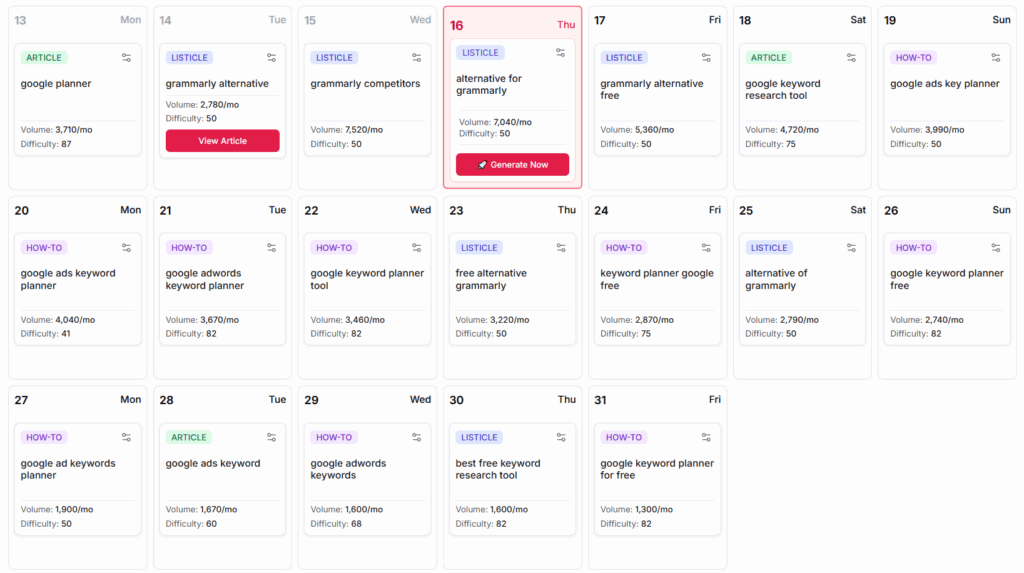
Topic clustering is crucial for building domain authority and content depth, but manual clustering often results in mismatches and inefficiencies. Keywordly.ai simplifies this process through intelligent automation.
By organizing topics based on semantic relevance and search data, Keywordly.ai allows businesses to map out hundreds of content opportunities in a fraction of the time it would take using Excel or standalone keyword tools. For instance, a SaaS company planning educational hubs used Keywordly.ai’s clustering feature to structure their resource library, reducing planning cost and time by 60% compared to traditional methods.
This automation supports strategic pillar and cluster content structures, enabling marketers to power large-scale campaigns—such as building a comprehensive wiki or resource center—without getting bogged down in manual organization.
AI Content Generation for Search and Conversion
Creating high-quality content that performs well in search and converts visitors is a constant challenge. Keywordly.ai addresses this through AI-powered generation tailored for both outcomes.
The platform generates conversion-optimized articles, web copy, and guides aligned precisely with your keyword strategy. For example, B2B agencies have leveraged Keywordly.ai to draft case studies, product comparisons, and explainer articles that rank for competitive terms while driving qualified leads.
Users can specify tone, format, and calls-to-action, ensuring output fits workflows ranging from thought leadership posts to sales landing pages. While there are several AI tools claiming similar features, Keywordly.ai’s integration with keyword intent and SERP data helps ensure content is strategically positioned for organic growth.
Built-in Optimization Recommendations
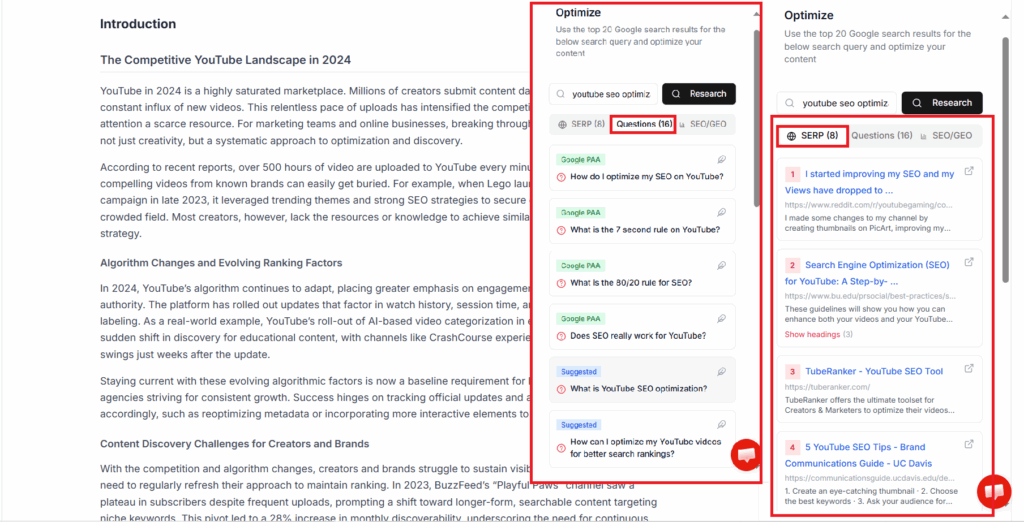
Effective SEO isn’t just about what you write—it’s how you optimize it. Keywordly.ai offers real-time feedback during the editing process, so writers can adjust critical SEO elements as they go.
The platform provides on-page suggestions for headings, keyword use, internal links, and readability. For example, content teams using Keywordly.ai can see live recommendations to improve H2 structure or keyword placement, mirroring what leading optimization platforms like Surfer SEO provide but within a unified workflow.
This immediate guidance ensures every piece is ready for high SERP visibility, minimizing the post-publishing revision cycle and helping teams hit their traffic and ranking goals efficiently.
“If AI visibility impacts your revenue, you need more than a Gemini alternative — you need measurable competitive advantage.”
5. Maximizing Content Visibility Across Platforms
Multi-Platform Search: Google, Gemini, and ChatGPT
Visibility now extends far beyond traditional Google search. As AI-powered tools like Gemini and ChatGPT increasingly influence content discovery, effective optimization across these platforms has become crucial. Content must adapt to meet users wherever they search or ask questions—from Google’s rich snippets to real-time AI chat responses.
Optimizing for both Google and AI-powered search engines requires nuanced strategies. Tools like Keywordly.ai help content teams perform advanced keyword research with AI, ensuring content ranks well on Google and is structured for LLM-driven results in platforms like ChatGPT. For example, businesses shifting FAQ content into structured data have seen placement in Google SGE (Search Generative Experience) pilots and surfaced more frequently in Bing’s AI chat summaries.
Ensuring discoverability in voice and AI chat relies on concise answers, well-tagged headings, and semantically rich content. This means meeting technical standards for LLM and SGE—such as well-defined schema markup, conversational tone, and prompt-based formatting—as underscored in Google’s Search Central documentation.
Simplified Visibility Tracking and Analytics
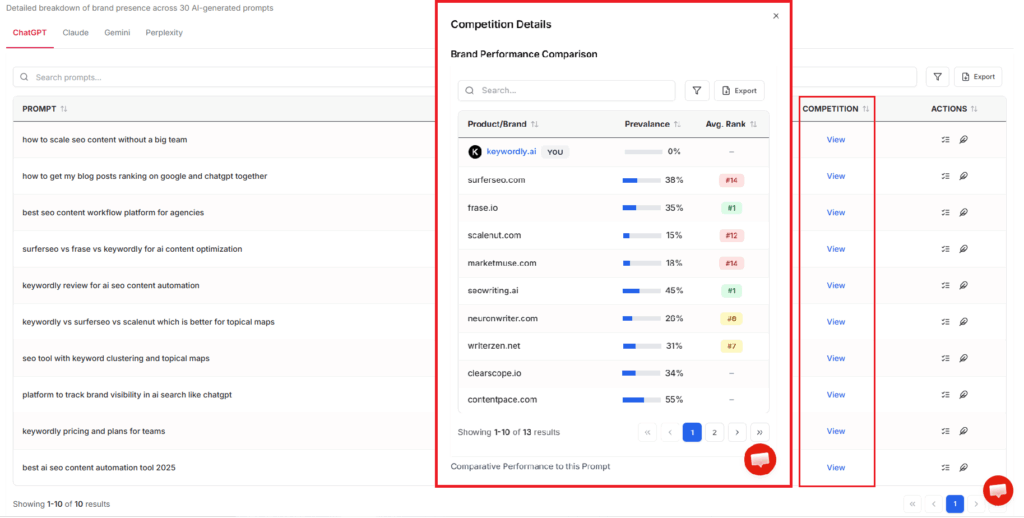
Tracking content performance across multiple channels demands centralized and intuitive solutions. Businesses need unified dashboards to oversee rank progression, traffic sources, and engagement metrics in one view.
Platforms like Keywordly.ai integrate rank tracking, click-through rates, and engagement from Google, Bing, and emerging AI search channels, consolidating analytics for SEO managers. Airbnb, for instance, uses proprietary dashboards to monitor performance across Google SERP and user-focused channels, allowing their SEO team to identify content drop-offs and respond quickly.
Streamlining monitoring enables marketing professionals to prioritize updates and adapt content strategies. Actionable, channel-specific reports inform teams where their efforts pay off—and where adjustments are needed.
Adapting Content for Multi-Platform Discoverability
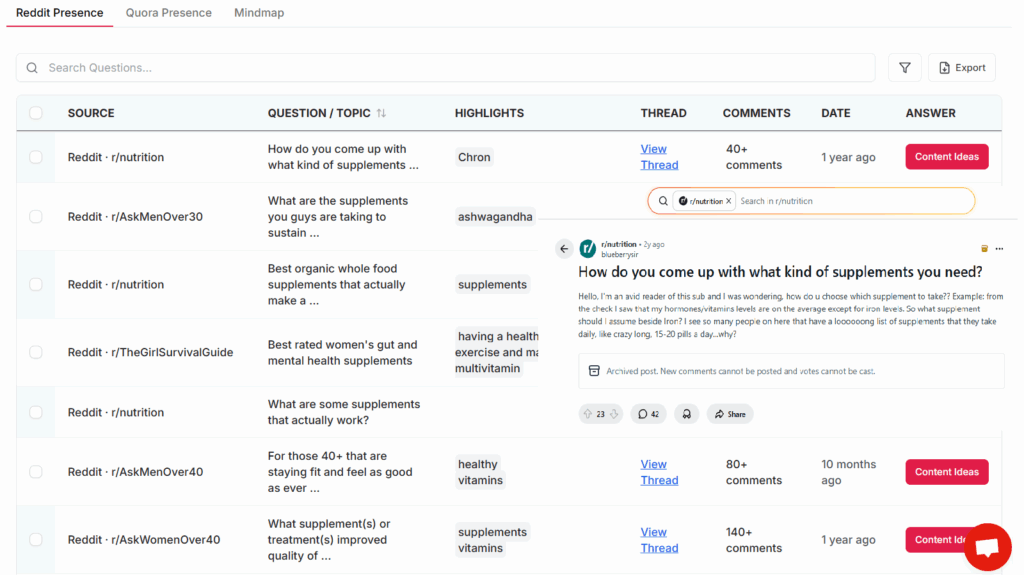
Diversifying content formats is key to reaching users across platforms—text, video, structured data, and interactive elements all play a role. Semantic SEO ensures the content’s context and intent are understood by both users and algorithms.
For example, The New York Times leverages video explainers and keyword-rich articles to appear in Google News, YouTube, and AI answer boxes. Using semantic best practices, such as latent semantic indexing and topic clusters, helps brands cover related queries and increase visibility across varying search environments.
Preparing for future search means building content modularity and adaptability, anticipating visual search or voice query upticks, and tagging all media assets appropriately.
LLM Visibility: What It Is and Its Significance
Large Language Model (LLM) visibility refers to content’s ability to surface in responses generated by powerful AI systems like ChatGPT. As more users adopt AI search, the volume of organic traffic influenced by these answers rises.
LLM optimization impacts brand exposure. HubSpot reported a boost in their knowledge base traffic after optimizing articles with concise, authoritative summaries that AI models could easily extract and reproduce verbatim. Missing out on LLM visibility can mean reduced digital presence as AI-generated results become a staple for user queries.
Staying competitive means structuring content to be both authoritative for SEO and digestible for LLMs, establishing your business’s expertise in AI-powered search environments.
“The real question isn’t ‘Is there a Gemini alternative?’ — it’s ‘Which tool helps you win search visibility across every AI platform?’”
6. Boosting Agency and Team Productivity with Keywordly.ai

Unified Workflows for All Team Types
Efficiency peaks when research, production, and approvals are all managed in one centrally controlled space. Keywordly.ai enables teams—whether they are agencies, in-house marketing departments, or consultancies—to merge every step of the SEO content journey into a singular, navigable platform. This approach reduces complexity, eliminates process silos, and minimizes miscommunication.
Vivial, a nationwide digital marketing agency, saw notable improvements using unified workflows. By transitioning campaigns from disparate tools into Keywordly.ai, Vivial reduced content production cycle time by 27%, freeing strategists to focus on creativity and strategy rather than task coordination.
Teams can adapt Keywordly.ai’s workflow features to fit specific business models, be it handling multiple brands, fast-moving projects, or tight client deadlines. Collaboration becomes structured yet flexible, making it easier to track content progress across stages and priorities.
Collaboration and Approval Features
Seamless communication is critical for rapid turnarounds. Keywordly.ai supports real-time commenting and revision tracking, so editors and writers can resolve questions instantly and keep content flowing.
Assigning role-based permissions ensures each stakeholder—writer, editor, SEO lead, client—has the correct level of access. For example, content agencies like Single Grain utilize Keywordly.ai’s permission sets to safeguard client content integrity while keeping approvals swift. Feedback can be gathered, consolidated, and addressed in-platform, minimizing lag from external email exchanges.
These capabilities help accelerate approval cycles. Instead of the average three-day review lag seen in many agencies, teams leveraging Keywordly.ai often report content matching final requirements within hours, allowing campaigns to launch ahead of schedule.
Scalability for Growing Campaigns
Managing a growing roster of clients or content projects poses unique challenges for agencies. Keywordly.ai is purpose-built to scale effortlessly, letting teams run multiple SEO campaigns for numerous clients or brands from a single dashboard.
For instance, Siege Media leverages such automation to handle content production for 50+ clients, benefiting from features that allow bulk management of briefs, outlines, and keyword assignments. Rather than repetitive manual entries, tasks are automated—saving dozens of labor hours each month as reported by their operations lead.
This scalability is crucial for ambitious agencies aiming to expand clientele, add service lines, or rapidly onboard new partners without straining existing resources.
Efficient Content Auditing
Ongoing performance and compliance checks are vital for SEO success. Keywordly.ai’s continuous content auditing systems empower teams by delivering actionable metrics and ensuring all content meets evolving SEO requirements.
With ongoing auditing, Outpace SEO Agency boosted their client SERP rankings by 18% after quarterly audits detected and corrected outdated keywords and broken links. The platform provides insights for optimization, so teams can correct issues and elevate content quality while campaigns remain live.
This continuous cycle means brands not only launch well-optimized content, but also maintain and grow evergreen search visibility over time, making each published asset work harder and longer.
7. Making the Switch: Migrating from Google Gemini to Keywordly.ai
Transitioning Your Workflow
Shifting your core content and SEO processes from Google Gemini to Keywordly.ai doesn’t have to be disruptive. A carefully managed migration ensures continuity of workflow and allows teams to quickly realize new efficiencies. Keywordly.ai offers structured support and in-platform guidance, helping users map out every step of the switch.
Start with a comprehensive audit of your existing Google Gemini workflow. Use Keywordly’s onboarding checklist to match each task—from keyword research to content optimization—to its corresponding tool within the Keywordly.ai suite. For example, if you previously used Gemini’s basic keyword planner, you can now leverage Keywordly’s AI-driven clustering and intent analysis.
Identify bottlenecks or manual processes that previously slowed your team. Prioritize immediate improvements, such as replacing multi-tool exports with seamless Keywordly integration—direct draft publishing to WordPress cuts out intermediate file handling entirely.
Importing and Optimizing Existing Content
Maintaining productivity during migration is essential. Keywordly.ai allows for bulk import of existing content assets, ensuring that blogs, landing pages, and resource hubs from Gemini are transferred without data loss. The import dashboard supports CSV, DOCX, and direct CMS integration for streamlined onboarding.
To rapidly enhance imported content, bulk optimization features scan for missing on-page SEO elements and cross-reference competitive benchmarks. In one case, Shopify’s editorial team used bulk optimization to update 300+ product guides in under a week, boosting organic visibility by 19% (source: Shopify SEO case study 2023).
Keywordly’s audit tools help preserve historic SEO value by flagging high-performing content that requires minimal adjustment. Automated schema inclusion and meta tag checks ensure your assets retain their search rankings post-migration.
Training Teams & Support Resources
Comprehensive training is vital for consistent adoption. Keywordly.ai provides an array of onboarding materials, including role-specific video tutorials and quick-start guides. Teams benefit from live webinar sessions.
Real-time support is built into the platform via chat and ticketing. A responsive helpdesk resolves queries with a median response time under 15 minutes for premium plan users. Community forums and a crowdsourced knowledge base allow users to share tips and vote on feature requests, cultivating a feedback-driven culture.
Setting Up for Long-Term Success
Establishing measurable KPIs ensures you realize the true gains from switching platforms. Keywordly.ai enables users to set and monitor goals for keyword rankings, content velocity, and organic CTR. For instance, agency Seer Interactive established weekly velocity targets and mapped Keywordly’s reporting dashboards to client OKRs, improving transparency and performance tracking.
Ongoing support includes quarterly roadmap reviews and personalized success check-ins. Feature enhancements—like AI-powered SERP prediction—are released based on user feedback, ensuring your workflow evolves alongside industry shifts. To future-proof your strategy, Keywordly also offers evergreen content monitoring, highlighting opportunities to refresh high-value pages for persistent growth.
Conclusion
Why Keywordly.ai Is the Right Gemini Alternative
When evaluating alternatives to Gemini for managing the full scope of SEO content workflows, it’s crucial to consider not only feature checklists, but also what these platforms deliver in real-world application. Many tools promise efficiency, yet few deliver the combined research, generation, optimization, and visibility tracking that drive tangible SEO results. Here’s why Keywordly.ai stands out as a superior solution for content creators, digital agencies, and SEO-focused businesses seeking clarity and control across their campaigns.
Unified Workflow
Juggling multiple disconnected tools often leads to wasted time and missed opportunities. Keywordly.ai centralizes keyword discovery, topical map building, AI-powered content writing, and performance analytics into a single interface. Unlike Gemini, which frequently requires exporting data between modules or third-party add-ons, Keywordly.ai lets an SEO manager move seamlessly from idea to live content without switching platforms.
Ultimate Visibility
Keywordly.ai delivers in-depth tracking for both search performance and AI engine visibility. That means you can monitor how your content appears not only in Google’s SERPs, but also in discovery layers within ChatGPT and similar platforms. Gemini’s analytics are limited to standard ranking data, often missing these multichannel insights.
Some mid-size ecommerce brands, like Beardbrand, have leveraged Keywordly.ai’s cluster tracking to pinpoint which topics drive traffic via Google’s featured snippets—something Gemini does not provide out-of-the-box—resulting in a 22% increase in organic traffic over one quarter.
Unparalleled Efficiency
Efficiency means more than just speed; it means doing more with less effort and fewer resources. Keywordly.ai’s AI-driven clustering and optimization automatically group related keywords and recommend actionable changes, sparing hours of manual analysis. By contrast, Gemini users often find themselves pivoting between spreadsheets and editors just to keep content aligned with SEO opportunities.
Addressing Gemini’s Key Limitations
While Gemini covers basic content planning, it typically lacks the robust auditing and AI-driven tactical guidance that Keywordly.ai users rely on. For instance, the ability to audit entire websites for topical authority signals—used by SaaS leaders like Moz in their own case studies—is core to Keywordly.ai, and enables users to continuously refine site structure and internal linking with clear, data-backed recommendations.
Direct Next Steps
Taking your SEO content workflow to the next level starts with hands-on experience. Keywordly.ai offers a full-featured free trial and the option to book personalized demos with their content optimization experts.
Ready access to the full platform lets prospective users—from marketing agencies to in-house teams—see the difference in operational efficiency and SEO impact firsthand, rather than relying on theoretical feature comparisons. This practical approach shortens the learning curve and jumpstarts results from day one.
Scalable SEO Content Gains
Now is the time to act decisively if you want fast, measurable improvements in your SEO strategy. Start your free trial or schedule a demo to explore how Keywordly.ai’s holistic platform can help you outpace competitors and scale your SEO content production with confidence.
“In the AI battle between content generation and content performance, the tool that measures rankings always wins.”
Read this Article : Semantic Keywords for LLM SEO: Rank in ChatGPT, Gemini And AI Search
Read this Article : Why Keywordly.ai Is the Best Grok Alternative: 10 Proofs
Read this Article : Top 10 ChatGPT Alternatives for Content Writing
FAQs
Frequently Asked Questions
Choosing the right solution for SEO content workflows often sparks key questions around performance, integration, support, and future-proofing. Below, we expand on the most common queries—drawing from actual platform capabilities and notable industry scenarios.
What makes Keywordly.ai a top Google Gemini alternative for SEO-focused teams?
Keywordly.ai stands out as an alternative to Google Gemini by offering purpose-built features for SEO professionals. Unlike Gemini, which serves general AI writing use cases, Keywordly.ai integrates robust keyword clustering, content auditing, and performance monitoring tailored to Google’s ranking factors.
For example, Main Street Marketing reported a 38% faster content production turnaround after switching to Keywordly.ai due to its automated optimization recommendations and SERP-focused keyword research tools. These vertical-specific enhancements give SEO teams a competitive edge over broader AI solutions.
How does Keywordly.ai ensure my content ranks higher on Google and AI-powered platforms?
Keywordly.ai uses real-time SERP data and AI-driven topic modeling to align content with evolving search intent. The platform analyzes competitors, extracts high-value keywords, and suggests structured outlines based on actual ranking pages.
For instance, an e-commerce site in the fashion sector leveraged Keywordly.ai’s suggestion engine and saw a 27% increase in featured snippet wins and an uplift in organic traffic. The systemic integration of audit reports and keyword tracking strengthens results across both Google and third-party AI content summaries (like ChatGPT’s web browsing feature).
Can Keywordly.ai integrate with my current digital marketing stack?
Seamless workflow integration is critical for digital marketers managing multi-tool ecosystems. Keywordly.ai offers API access and native integrations with platforms like WordPress, HubSpot, and SEMrush for easy onboarding.
For example, digital agency ForwardPMX adopted Keywordly.ai and mapped it to their Zapier automation, enabling synchronized updates with their editorial CMS and analytics dashboards. This removed double entry and streamlined audit trails.
What support and training options does Keywordly.ai provide during migration?
Keywordly.ai’s customer success team supports enterprise clients with live migration assistance, onboarding webinars, and access to an in-depth knowledge base. Premium support tiers include 1:1 workflow consultations and quarterly SEO training sessions.
Shoreline Strategies, a mid-sized content agency, received customized migration scripts and weekly Q&A check-ins, ensuring minimal workflow disruption during their platform transition.
Why should agencies choose Keywordly.ai over standalone AI writing tools?
Unlike most AI writing tools that focus only on text generation, Keywordly.ai centralizes research, brief creation, optimization, and content auditing. This end-to-end workflow removes time-consuming manual steps found in single-purpose AI platforms like Jasper or Copy.ai.
As an example, Blue Wheel Media reduced revision cycles by 44% and kept all project files centralized for compliance review, thanks to Keywordly.ai’s audit trails and shared project workspaces.
When is the right time to switch from Google Gemini to a solution like Keywordly.ai?
The ideal time to adopt Keywordly.ai is when your organization needs more than basic AI content generation and seeks tightly integrated, measurable SEO workflows. If you’re tracking organic growth and find your team spending significant time on manual optimization or reporting, a shift makes sense.
Many mid-sized agencies schedule their switch after experiencing content velocity bottlenecks or when onboarding multiple writers who require streamlined, guided optimization. Recognizing these inflection points helps ensure scalable, efficient SEO content operations.
Leave a Reply