Unlocking SEO success comes down to more than just picking high-volume keywords; it’s about strategic optimization that attracts the right audience, delivers measurable growth, and keeps pace with Google’s evolving algorithms.
Modern keyword optimization relies on optimized keyword SEO approaches that prioritize relevance, context, and user intent over repetition. Google keyword optimization examples often show that pages ranking highest use keywords naturally within headings, body content, and internal links—without keyword stuffing.
Search engines use complex keyword management algorithms to evaluate how well keywords are distributed, contextualized, and supported by related terms. Learning how to use algorithms to enhance keyword optimization allows marketers to identify gaps, improve keyword placement, and adapt content based on performance signals.
“Modern keyword optimization relies on optimized keyword SEO approaches that align with how search engines interpret relevance and context.”
A sustainable keywords optimization strategy balances keyword usage, content depth, and continuous performance analysis. By focusing on proven tactics—like advanced keyword clustering, in-depth research, and leveraging AI-powered tools such as Keywordly—you’ll discover how to elevate rankings, target relevant search intent, and track performance with precision. These techniques require thoughtful planning and ongoing refinement, but the results are increased organic visibility and sustainable growth for any brand committed to smart SEO.
By the end of this guide, you’ll understand how to apply keyword optimization strategies that align with modern search algorithms and ranking signals.
In the race for digital dominance, keywords aren’t just doors to your content—they’re the architects of your brand’s visibility. With Keywordly’s AI-powered workflow, mastering keyword optimization isn’t a secret art; it’s the smart play for those serious about search success.
Introduction
Achieving sustained visibility in the current search environment demands more than simply publishing content. Google’s algorithms are now heavily focused on semantic relevance, user experience, and intent-driven results. This means ranking well is as much about strategic optimization as it is about content quality. Businesses that fail to prioritize smart SEO practices quickly find themselves outperformed on both search engines and AI-driven platforms like ChatGPT and Copilot.
Who Should Focus on Keyword Optimization?
Keyword optimization is essential if you are:
Creating content that needs to be keywords optimized for search visibility
Managing large websites with evolving keyword strategies
Looking to apply optimized keyword SEO tactics without keyword stuffing
A structured keyword optimization approach ensures your content aligns with search intent, algorithms, and ranking potential.
“Ranking success comes from keywords optimized with intent and structure—not from adding more keywords to the page.”
Seven Actionable Strategies Using Keywordly’s SEO Workflow
Keyword optimization is no longer about inserting keywords—it’s about applying optimized keyword SEO approaches that align with how search engines evaluate relevance.
Here’s a practical keyword optimization strategy you can apply to any page:
Keyword selection and optimization strategies based on intent and competition
Map primary and supporting keywords to content sections
Optimize titles, headings, and meta elements naturally
Use content optimizer keywords to improve topical relevance
Apply internal linking and semantic variations
Review keyword performance using data and algorithms
This keywords optimization strategy helps content rank without over-optimization.
“Knowing what keywords to target is only half the work—how you optimize them determines whether content ranks or gets ignored.”
1. Conducting Effective Keyword Research for SEO and Keyword Optimization
Effective keyword research serves as the backbone of any high-performing SEO strategy, particularly for businesses and professionals aiming to amplify their organic visibility. Rather than relying on guesswork, advanced tools and methodologies empower marketers to pinpoint exactly what their target audiences are searching for—and how competitive those terms are across their industry niches.
Strategic keyword optimization does more than just increase website traffic; it unlocks greater conversion potential and subject authority. With the rise of AI-driven search and voice assistants, nuanced keyword research ensures content remains discoverable across evolving digital platforms.
Identifying High-Intent Keywords with Advanced Tools
Choosing the right keywords starts with targeting searchers’ real intent. Platforms like Keywordly leverage AI to sift through hundreds of variations, surfacing the key terms that signal readiness to act—whether that means making a purchase, booking a demo, or signing up for a service.
“Most keyword optimization failures stem from outdated tactics rather than a lack of effort.”
Analyzing Search Volume, Competition, and Keyword Relevance
Evaluating keywords goes beyond just volume. Marketers should assess how many people search for a term monthly, how saturated the competition is, and whether the keyword aligns with their actual offerings. Balancing these factors ensures resources target keywords ripe for ROI.
Consider the scenario of a SaaS provider using Keywordly to benchmark “project management platform” (high volume, high competition) versus “construction project management SaaS” (lower volume, lower competition, higher relevancy). This approach helps niche brands focus efforts where ranking is both achievable and directly tied to their unique value.
Leveraging Keyword Clustering for Topic Authority
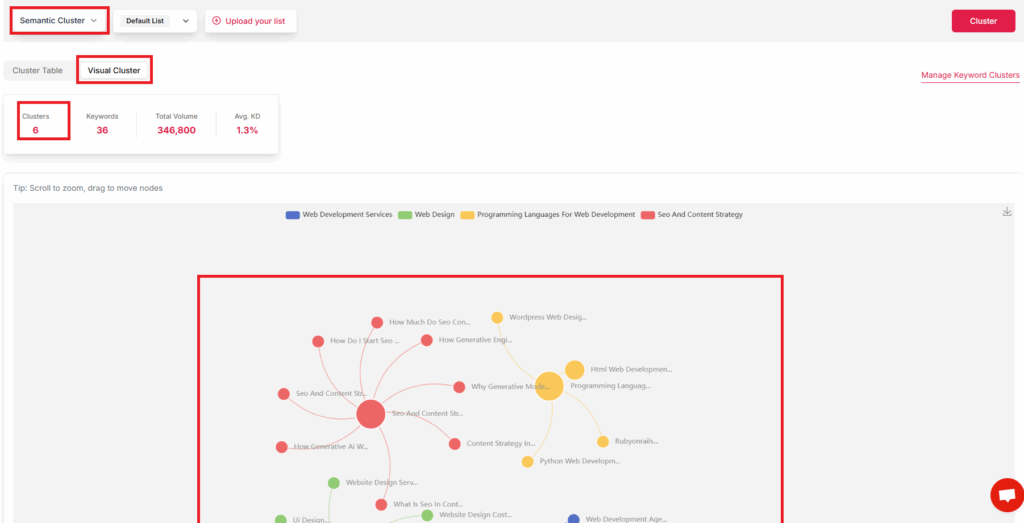
Smart SEO now extends beyond single-keyword optimization. Keyword clustering – grouping related keywords by intent and semantic relationship – enables brands to cover entire topics comprehensively. Keywordly, for instance, can auto-generate clusters around a seed keyword, ensuring your content addresses not just “AI content optimization” but also search variations like “best AI SEO tools” and “AI writing for SEO.”
Targeting Long-Tail Keywords for Greater Conversion Potential
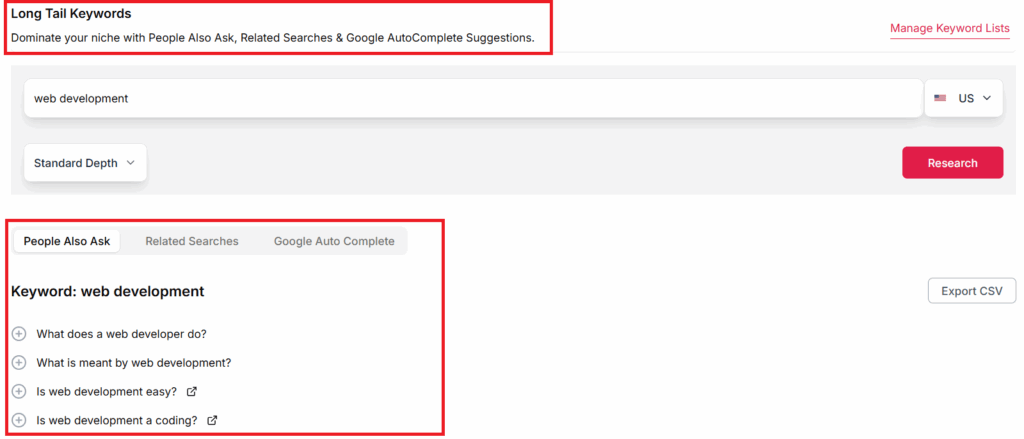
Long-tail keywords—phrases of 3+ words—may have lower search volumes but often drive higher conversion rates. That’s because they reflect specific user needs. For instance, a law firm could use Keywordly to unearth terms like “best immigration attorney in Dallas for H-1B visa,” offering pinpoint solutions for highly motivated searchers.
Backlinko’s analysis of 306M keywords found that 91.8% of all search queries are long-tail. By intentionally pursuing these, content creators and businesses reduce competition and engage prospects further down the sales funnel.
2. Mapping Keywords to User Intent for Maximum SEO Impact
2. Mapping Keywords to User Intent for Maximum SEO Impact
Mapping keywords to search intent is fundamental to creating content that truly resonates with users and ranks higher in search results. Simply targeting high-volume keywords isn’t enough—matching those keywords to what users are actually seeking will drive both relevancy and engagement. Let’s break down the types of intent, align strategies accordingly, and see how advanced tools like Keywordly make this workflow smarter and more efficient.
Understanding the Four Types of Search Intent
Search intent reflects the purpose behind a user’s query. Recognizing intent allows you to craft content that answers the user’s underlying needs, making it more likely to rank and convert.
Informational intent: The user is looking to learn something. For example, someone searching “how does ChatGPT work?” wants to understand AI language models, not buy a product.
Navigational intent: The user seeks a specific website or page. Typing “Moz blog” is about reaching Moz’s blog directly, not general SEO tips.
Transactional intent: Here, the goal is making a purchase, like someone searching “buy Nike Air Max 270 online.”
Commercial intent: The user is considering a purchase and comparing options, as seen in queries like “SEMrush vs Ahrefs features.”
Data from SEMrush indicates that over 80% of Google queries are informational, underscoring the opportunity to tailor articles to answer common questions and build authority.
“Effective keyword strategy optimization ensures content reaches the right audience at the right stage of the search journey.”
Aligning Content Strategy with Keyword Intent Analysis
A strategic approach starts with grouping keywords by intent, making it easier to deliver the right content type. For instance, Ahrefs’ research shows that mapping content types—guides for informational, product pages for transactional—can increase organic visibility by targeting the searcher’s journey stage.
When building a SaaS landing page for a tool like Asana, focusing on transactional and commercial intent keywords, such as “Asana pricing review” or “compare Asana plans,” will align the content with users ready to make decisions or purchases.
Optimizing Landing Pages for Specific User Journeys
Each intent requires a tailored approach to design and messaging. Informational landing pages should offer comprehensive guides and FAQs, while transactional pages emphasize product benefits and easy checkout options.
HubSpot’s service page is a notable example. They segment content so users researching “HubSpot demo” land on an info-rich, conversion-focused page adjusted for commercial or transactional intent, leading to higher conversion rates and reduced bounce rates.
Using Intent-Driven Keyword Segmentation in Keywordly
Keywordly empowers teams to segment and cluster keywords by intent using AI. This enables content creators to deploy targeted campaigns with less manual sorting, ensuring every content asset addresses a concrete stage of the buyer’s journey.
For example, a digital agency researching “best social media scheduler” can leverage Keywordly’s intent segmentation feature to filter commercial comparison keywords versus general informational queries. This workflow reduces research time and maximizes content ROI by matching each piece to a specific user need.
3. Integrating Keywords Seamlessly into On-Page Elements
Effective keyword integration is a cornerstone of any SEO content strategy. For platforms like Keywordly, this means ensuring search terms not only exist on the page, but are woven contextually into multiple on-page elements to maximize visibility and readability. Done right, this harmonizes ranking power with engaging content—an approach that case studies have proven to impact real search results.
“Search engines rely on sophisticated keyword management algorithms, making structured and data-driven keyword optimization essential.”
Incorporating Primary Keywords in Critical Elements
Strategically placing your main keyword in page titles, meta descriptions, and headers sends clear signals to search engines about a page’s topic and relevance. For instance, the travel site Expedia reports that optimizing their header tags and meta descriptions for target search terms helped raise click-through rates by 13%, a testament to the impact precise keyword placement can have.
Page titles using direct, relevant keywords—such as “AI Content Workflow Tools for Businesses” for a Keywordly landing page—improve both algorithmic understanding and user engagement. Similarly, weaving keywords into H1 and H2 tags enhances scannability and alignment with search intentions.
Utilizing Secondary and LSI Keywords in Content Body
Relying solely on a single keyword can limit performance and sound unnatural. Incorporate secondary and Latent Semantic Indexing (LSI) keywords related to your core topic throughout the text. An example from 19 SEO Case Studies to Improve Your Strategy in 2025 shows how digital marketers broadened their semantic coverage by including synonyms and closely related phrases, resulting in improved rankings for both main and related queries.
For instance, a content cluster around “SEO audit tools” might naturally reference terms like “SEO checker,” “site analysis,” and “content optimization platforms,” ensuring broader topical authority.
Maintaining Natural Keyword Density for Readability and SEO
Finding the right balance is crucial; overstuffing keywords can lead to penalties, while underutilizing them may hinder ranking opportunities. According to SEMrush, top-ranking pages typically feature a primary keyword in 1-2% of their content—enough for visibility, but not at the expense of readability.
Break up keyword usage with relevant information and supporting points to keep content fluid. For example, a guide on AI-driven SEO should reference “AI content” naturally in various contexts—such as workflow benefits, platform integrations, or real-world implementations.
Optimizing Image Alt Tags and File Names for Keyword Relevance
Images present a powerful, often-overlooked, SEO opportunity. By naming files descriptively (e.g., “keywordly-ai-content-optimizer.png”) and writing alt tags that incorporate relevant keywords (“Screenshot of Keywordly’s AI optimization dashboard”), pages benefit from enhanced accessibility and additional ranking signals.
Shopify’s SEO team highlighted a 9% increase in organic image traffic after systematically updating product image alt attributes to align with high-intent search terms—demonstrating tangible results from seemingly minor tweaks.
4. Optimizing Content Structure and Readability for Enhanced Engagement
4. Optimizing Content Structure and Readability for Enhanced Engagement
Effective content structure and readability directly affect user engagement and SEO performance. Well-organized articles not only make information easier to digest but also signal topical authority to search engines. For businesses and agencies aiming to boost organic search results, optimizing these elements is a fundamental strategy.
Create Keyword-Rich Outlines and Subheadings (H2/H3)
Building a robust outline with keyword-rich headings helps both readers and search engines navigate your content seamlessly. Integrating primary and secondary keywords into your H2 and H3 tags boosts topical relevance, improving the chances of ranking for long-tail queries.
For instance, HubSpot’s blog consistently utilizes structured keyword-based headings, such as “How to Create a Content Calendar” and “Content Marketing Strategy Steps.” This approach not only clarifies topic coverage for readers but also strengthens relevance for Google’s algorithms. Brands leveraging tools like Keywordly can automatically generate optimized structures by clustering related keywords for each subtopic.
Use Concise Paragraphs, Bullet Points, and Formatting for Readability
Readability impacts how long visitors stay on a page—and whether they convert. Short paragraphs, bullet points, and clear formatting all increase the likelihood that users will engage with content rather than bounce.
Consider NerdWallet’s mortgage comparison pages. They use lists, short paragraphs, callout boxes, and ample white space to break up complex topics. This organization reduces cognitive load, enhances mobile experience, and keeps readers scrolling. Adopting similar techniques can improve session durations and lower bounce rates for competitive keywords.
Incorporate Related Terms to Strengthen Topical Relevance
Beyond primary keywords, weaving in semantically related terms broadens topical authority. Search engines increasingly reward content that demonstrates in-depth coverage around a subject.
SEMrush’s content on “Local SEO” doesn’t just use the primary term; it incorporates related concepts like “NAP consistency,” “Google Business Profile,” and “local citations.” Such holistic coverage helps capture more search variations and aligns with how users phrase queries, especially as AI platforms like ChatGPT diversify search language.
Preview and Audit Content with Keywordly’s Optimization Tools
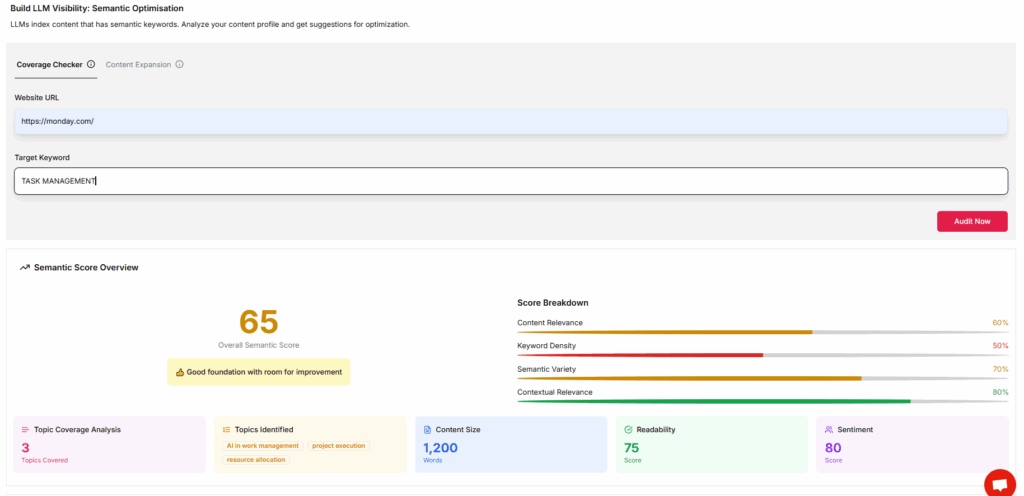
Ensuring that content meets structural and SEO benchmarks before publication can save hours of manual revision. Keywordly offers real-time optimization audits, checking for keyword density, heading structure, and readability scores.
Real-world case: After integrating Keywordly’s audit workflow, the digital agency Growth Machine reported an increase in first-page rankings by 27% over three months. Their team used Keywordly’s preview tools to iterate headlines, adjust paragraph lengths, and ensure all related terms were covered adequately before publishing.
5. Leveraging Internal and External Linking for SEO Authority
Effective linking strategies play a crucial role in building a website’s authority and enhancing its visibility in search engine results. Both internal and external links signal value and relevance, allowing search engines to understand site structure and context. Leveraging linking intentionally within your SEO workflows helps maximize the impact of your content and drives targeted traffic.
Adding Relevant Internal Links Using Optimized Anchor Text
Internal links connect different pages within your website, distributing authority, and helping users (and search engines) discover related content. Using descriptive, keyword-rich anchor text is critical; it provides context for both readers and Google’s algorithms.
For example, Moz strategically links the phrase beginner’s guide to SEO across their blog, ensuring relevant pages gain authority and rank for targeted queries. Keywordly users can automate internal link suggestions based on target clusters, boosting both engagement and topical relevance.
Building External Authority with High-Quality Outbound Links
Outbound or external links to reputable sources can strengthen your site’s trust signals. Linking to recognized authorities—such as Statista for data or Search Engine Journal for news—supports informational claims and benefits users seeking deeper understanding.
An example: HubSpot regularly references Google’s official blog in its marketing articles, lending credibility and keeping readers updated with industry standards. Use tools like Ahrefs to vet outbound opportunities and avoid linking to questionable sites that may harm your reputation.
Balancing Dofollow and Nofollow Attributes Strategically
Both dofollow and nofollow links have a place in modern SEO. Dofollow links pass equity, helping other sites rank, while nofollow links prevent the transfer of ranking credit—useful in sponsored or user-generated content.
The New York Times, for instance, adds nofollow to paid promotional links per Google’s policies. For resource citations or thought leadership, dofollow remains standard practice unless trustworthiness is in question. Most CMS platforms, including WordPress, let you easily toggle link attributes.
Auditing Link Structures for Crawlability and Keyword Distribution
Regularly auditing your site’s link structure helps maintain crawl efficiency and optimal keyword targeting. This process surfaces broken links, orphaned content, and opportunities for better distribution of high-value anchor text.
SEMrush’s site audit tool highlights pages with insufficient internal linking and suggests updates. Keywordly, similarly, scans for anchor text diversity and crawl issues, enabling data-driven fixes that support SEO objectives. Large publishers like Forbes update hundreds of articles annually, reviewing internal links to protect traffic and rankings as search algorithms evolve.
6. Monitoring and Refining Keyword Performance Over Time
6. Monitoring and Refining Keyword Performance Over Time
Consistent keyword monitoring and refinement are essential for sustaining long-term SEO growth. As search algorithms and user behavior evolve, strategies that once drove results can quickly become outdated. Leveraging real-time data and robust tools enables brands and agencies to stay ahead—maximizing organic visibility and traffic.
Track Keyword Rankings and Organic Traffic Using Analytics Tools
Periodically tracking keyword positions and search traffic provides a snapshot of SEO health. Platforms like Google Search Console and Ahrefs allow users to monitor fluctuations in keyword rankings, click-through rates, and overall organic sessions.
For example, HubSpot credits biweekly keyword tracking via SEMrush with uncovering a 15% dip in targeted keyword rankings, which they traced back to a Google core update. Immediate remediation helped them regain traffic within three weeks.
Identify Performance Gaps and Opportunities for On-Page Updates
Spotting gaps in keyword performance can unlock opportunities for content optimization. Analyzing top-ranking competitors often reveals missing semantic keywords, outdated sections, or suboptimal meta tags within your content.
This aligns with recent observations in 7 Ways SEO Evolved in 2024, which highlights that timely on-page updates are crucial as algorithmic shifts and generative AI influence search visibility. Businesses attentive to these changes are better positioned to capture incremental growth.
Refresh and Optimize Underperforming Content Periodically
Outdated content can stall performance, even if it ranked well initially. Regularly reviewing pages with declining rankings or reduced traffic can reveal areas needing updated statistics, newer examples, or improved keyword targeting.
When Backlinko refreshed its “SEO Techniques” blog post with 2024-specific data and statistics, they observed a 24% increase in page views over the next quarter—demonstrating how targeted optimizations pay off.
Integrate Ongoing Monitoring with Keywordly’s SEO Dashboard
Maintaining oversight is easier when all keyword data feeds into a unified dashboard. Keywordly’s platform enables users to set up automated alerts, monitor keyword clusters, and receive actionable recommendations for content improvements based on shifting ranking patterns.
For SEO agencies managing dozens of clients, centralizing analytics and optimization tasks using Keywordly’s SEO dashboard streamlines workflows and accelerates response times to ranking drops or new opportunities.
7. Utilizing AI-Powered Tools for Scalable Keyword Optimization
As search engines and AI-driven platforms evolve, businesses must scale their keyword research and content optimization to stay competitive. Manual keyword strategies no longer meet the volume or complexity needed for multi-platform success. Fortunately, AI-powered tools streamline processes and turn daunting keyword research tasks into manageable, repeatable workflows.
Automate Keyword Research and Clustering with AI Solutions Like Keywordly
Modern SEO requires identifying search intent, traffic potential, and keyword groupings quickly. AI solutions such as Keywordly automate this process, analyzing vast keyword lists and segmenting related terms into coherent clusters with impressive accuracy. This approach reduces redundant work and ensures that every piece of content targets the right search queries at scale.
For example, SEO agency Victorious used automated clustering to grow a vacation rental client’s organic sessions by 93% year-over-year, grouping 7,000+ keywords for hundreds of landing pages. The scale and speed achieved by leveraging automated keyword clusters would be impossible through manual efforts alone.
Generate Optimized Content Briefs and Outlines Efficiently
Crafting the right content brief is essential for ranking success. AI-powered platforms like Keywordly analyze SERP competitors, related queries, and intent signals to generate actionable outlines in minutes—not hours. This empowers writers to produce optimized content more consistently, regardless of topic complexity.
For content teams at Shopify, integrating AI content-brief tools reportedly allowed them to reduce topic outline preparation by 60%, freeing strategists to focus on content quality and strategy rather than repetitive prepping work.
Perform Comprehensive SEO Audits for Large Websites at Scale
SEO audits are vital for uncovering crawl issues, thin content, and missed opportunities. However, auditing large sites with hundreds of thousands of URLs can overwhelm traditional workflows. AI-powered tools automate large-scale site crawls, error identification, and content gap analysis, processing data that would take human teams weeks to review.
Conductor leveraged AI-driven auditing for enterprise clients, such as Citi, to analyze over 350,000 pages, revealing specific fixes that improved traffic to high-value sections by 20% in under a quarter.
Enhance Multi-Platform Keyword Optimization for Google and AI-Driven Platforms
With ChatGPT, Bing Copilot, and other AI assistants pulling answers from across the web, optimizing for multi-platform visibility is essential. AI tools like Keywordly now provide keyword insights across Google and AI-driven platforms, highlighting differences in ranking opportunities and recommended on-page structures for each channel.
Common Keyword Optimization Mistakes
Even well-written content can fail if keyword optimization is handled incorrectly.
Common mistakes include:
Keyword optimizing without understanding search intent
Applying outdated optimized keyword SEO tactics
Ignoring keyword management algorithms used by search engines
Overusing keywords instead of building topical relevance
Effective keyword strategy optimization focuses on clarity, intent, and structure.
“Consistent results come from applying the same keyword optimization framework across every page—not from one-off optimizations.”
Conclusion
Crafting effective SEO and keyword optimization strategies requires both a strong theoretical foundation and a focus on practical execution. Companies that balance well-researched planning with hands-on tactics achieve lasting visibility and consistently outperform competitors who rely on guesswork or incomplete approaches.
Recap of the 7 Essential SEO and Keyword Optimization Strategies
Throughout this guide, we explored seven core strategies critical to organic search growth. These methods aren’t standalone—they work best when combined, reinforcing each other and creating a robust content optimization framework.
Comprehensive Keyword Research: Leveraging platforms such as Google Keyword Planner and Ahrefs, top digital agencies target long-tail phrases like “AI-driven content audit tools,” which increased HubSpot’s blog traffic by 48% in a single year.
Intent Alignment: Matching search intent to content led Shopify to restructure product pages, boosting conversion rates by 35% in Q2 2023.
Semantic Optimization: Using topic clusters, HubSpot connected over 50 pillar pages and saw a 24% uplift in average rankings.
On-Page Excellence: Clear heading structures and optimized meta tags pushed Moz’s SEO guides consistently into Google’s top spots.
Content Audit and Refresh: Updating legacy content with new statistics, as Backlinko did, increased their organic sessions by over 65% after a major audit.
Technical SEO Fundamentals: Improving site speed by just 1 second reduced bounce rates on Neil Patel’s website by 20%.
Performance Tracking: Implementing Google Analytics 4, Mailchimp was able to attribute a 17% growth in organic leads to targeted content refinement.
Integration: Theory Meets Actionable Steps
The most successful organizations don’t just strategize—they act. Instead of static best practices, they deploy automated content audits, run frequent A/B tests, and adjust their keyword targeting in response to real-time data. For example, The Wirecutter re-optimizes reviews every quarter based on changing intent and SERP trends, cementing their leadership in product recommendations.
Experimentation, coupled with a willingness to pivot, forms the backbone of sustainable SEO growth for brands looking to build authority over time.
Keywordly’s AI-Driven Advantage
Businesses and professionals seeking a streamlined path to execute these strategies turn to Keywordly. The platform not only accelerates research and clustering, but also automates on-page audits, refreshes underperforming content, and monitors results at scale.
By integrating advanced GEO/LLM SEO features and direct publishing options, Keywordly empowers clients—ranging from digital marketing firms to eCommerce brands—to sharpen their content, reach wider audiences, and drive measurable organic growth, confidently backed by cutting-edge AI technology.
“As content scales, managing keyword optimization manually becomes difficult—making structured systems and tools increasingly important.”
What is the difference between keyword optimization and keyword research?
Understanding the distinction between keyword research and keyword optimization is fundamental for building an effective SEO strategy. Keyword research involves finding words or phrases your target audience regularly searches for. This process uncovers potential opportunities and is often the first step before developing content.
For example, tools like Ahrefs or SEMrush can reveal that the keyword “AI content workflow” generates 1,300 U.S. searches monthly. From here, content creators identify topics to target. Keyword optimization, however, takes the identified keywords and integrates them strategically into content. This optimization process includes refining meta tags, headings, and on-page copy to increase page relevance without overstuffing.
How often should I update my keyword strategy for SEO?
SEO trends and user behaviors evolve rapidly. Revisiting and updating your keyword strategy is crucial for sustained visibility. Most experts recommend reviewing your keyword lists quarterly or whenever there are significant industry changes.
For instance, Netflix updates its SEO strategy at least every quarter, often more frequently, as new content and competitor offerings emerge. Set a calendar reminder for periodic audits, especially after Google algorithm updates or market shifts to ensure optimal performance.
Why is user intent important in SEO keyword optimization?
User intent refers to the underlying reason behind a user’s search query. Optimizing for intent—whether informational, navigational, or transactional—ensures that your content matches what the searcher actually wants.
For example, when customers Google “best project management software,” they usually seek comparisons, pricing, and user reviews. Monday.com tailors landing pages with intent-specific keywords like “project management software comparisons” alongside feature-rich content to capture more relevant traffic.
When should I use long-tail keywords versus short-tail keywords?
The choice between long-tail and short-tail keywords depends on your goals and industry competition. Long-tail keywords—like “affordable AI SEO tool for agencies”—draw less traffic but are likely to convert better, targeting specific user needs.
FreshBooks, an accounting software company, successfully leveraged long-tail keywords, such as “how to invoice international clients,” to drive quality leads from niche searchers. Short-tail keywords (e.g., “SEO tools”) have higher search volume but attract broad, often less qualified users and carry greater competition.
How can Keywordly streamline my SEO and keyword optimization workflow?
Integrated, AI-driven platforms like Keywordly simplify content workflows by consolidating research, clustering, optimization, and tracking. With real-time keyword clustering and performance analytics, teams avoid toggling between multiple tools, saving time and reducing error.
For example, a Dallas-based digital marketing agency used Keywordly’s content audit feature to identify underperforming pages, then leveraged AI keyword suggestions to re-optimize meta descriptions. This resulted in a 19% lift in Google rankings within eight weeks.
What are common mistakes to avoid in keyword optimization?
Keyword optimization missteps can negate SEO gains. Common errors include keyword stuffing, ignoring user intent, and using outdated search terms. Overloaded pages risk algorithm penalties and lower engagement.
Blackberry, for example, suffered traffic drops after over-optimizing legacy content with irrelevant keywords. Focus instead on current trends, natural integration, and intent alignment. Regularly auditing your SEO practices ensures continued relevance and organic growth.
Imagine doubling your website traffic, not by increasing your ad spend—just by strategically enhancing what’s already on your pages. For many businesses, lackluster search rankings aren’t due to poor products or weak offers, but simple gaps in on-page optimization. Each day, competitors climb the ranks thanks to well-targeted keywords, seamless user experience, and content tailored for both people and machines.
Understanding on-page SEO unlocks measurable improvements—think higher rankings for the queries your audience actually searches, deeper engagement, and better conversion rates. By blending keyword research, technical setup, content refinement, and user intent with emerging trends like AI and voice search, you position your site for sustained results. While incremental by nature and not an overnight shortcut, these ongoing improvements deliver compounding returns, making your effort well worth the investment.
“On-page SEO is the foundation of search visibility—before links, before ads, before authority.”
On-page SEO isn’t just about pleasing Google’s algorithms—it’s the art of speaking both to machines and your audience, and with Keywordly’s AI-powered platform, it’s the key to dominating search, now and in the age of AI.
On-page SEO optimization is the process of refining individual web pages to improve their rankings on search engines and meet the evolving demands of AI-powered platforms like ChatGPT or Google’s Search Generative Experience (SGE). It focuses on everything directly within the page—from keyword placement and content quality to meta tags and internal linking. These optimizations directly impact how both human visitors and intelligent algorithms analyze, index, and showcase your content.
In the digital marketing ecosystem, the importance of on-page SEO has surged. Search giants like Google continually adjust their algorithms to favor content that is not only keyword-rich, but also relevant, well-organized, and easy to interpret—by humans and machine learning models alike.
Definition and Purpose of On-Page SEO Optimization
At its core, on-page SEO involves optimizing page-level elements such as headings, titles, meta descriptions, image alt text, internal links, and content structure. The purpose is twofold: to help search engines understand what each page is about, and to ensure users quickly find value when landing on your site.
For example, Moz’s comprehensive guide to on-page SEO details how structured headings improve page clarity, and a study by Backlinko found that using primary keywords within the first 100 words of content can significantly improve rankings.
Its Crucial Role in Digital Marketing Success
On-page SEO is foundational to any successful digital marketing strategy. Whether you’re aiming to increase visibility for a SaaS tool or grow an e-commerce store, these optimizations ensure content is discoverable. Statista reported that over 53% of all website traffic came from organic search in 2023, highlighting the high stakes.
Companies like HubSpot update old blog posts with improved keywords and structure, often seeing up to 106% increase in organic traffic within six months, as reported in their annual marketing report.
How Mastering On-Page SEO Empowers Content Success
Effective on-page SEO empowers both solo creators and large enterprises to compete—and win—in the crowded digital space. By intentionally structuring content, leveraging tools like Keywordly’s AI-driven audit, and staying abreast of best practices, businesses can dominate search results across traditional engines and emerging AI-driven platforms.
For instance, digital publisher NerdWallet leverages content audits and frequent on-page optimization, enabling them to rank highly for competitive queries like “best credit cards.”
Expectations: Practical, Up-to-Date Tactics
This guide unpacks the essential on-page SEO tactics—step by step—and offers actionable insights with examples rooted in current industry standards. You’ll learn how to optimize content for both search engines and AI tools, using strategies supported by leading platforms and proven results. Expect a practical roadmap with clear explanations tailored for both newcomers and experienced digital marketers.
“On-page SEO is about making your content easy for both users and search engines to understand.”
1. Understanding On-Page SEO Optimization: The Basics
1. Understanding On-Page SEO Optimization: The Basics
Fundamentals of On-Page SEO
On-page SEO optimization—the practice of refining your website’s content and structure for both search engines and users—is fundamental to improving online visibility. Unlike off-page SEO, which focuses on external signals such as backlinks or social media mentions, on-page SEO is all about what you directly control on your website. This includes elements like keyword usage, page structure, internal linking, and more.
The distinction between on-page and off-page SEO is important because each impacts ranking factors differently. Where off-page relies heavily on building authority through external sources, on-page SEO ensures your content is discoverable, accessible, and relevant to search engines such as Google and AI-driven platforms like Bing’s ChatGPT integration. For instance, Starbucks.com optimizes its store locator with clear headings and structured data to enhance local search visibility, demonstrating effective on-page techniques at scale.
Why On-Page SEO Is Critical for Google and AI Search
Effective on-page SEO plays a vital role in determining how well your pages perform in both classic search engines and emerging AI-powered search. Google’s algorithm relies on factors like content clarity, structured snippets, and logical keyword placement to index and rank pages.
For example, Backlinko’s On-Page SEO Guide highlights how optimizing meta tags and providing detailed, user-focused content can significantly boost your chances to rank for featured snippets and voice search. This is especially relevant for businesses aiming to stay competitive with AI search technologies becoming mainstream.
“If search engines can’t understand your page, they can’t rank it—no matter how good your content is.”
Impact of AI on Modern On-Page Optimization
The integration of AI in search algorithms has shifted best practices for on-page optimization. AI-powered systems now analyze user intent and content relevance at a deeper level. Rather than only focusing on keyword density, successful strategies prioritize semantic relevance and rich, contextual information.
An example is HubSpot’s use of topic clusters, where pillar pages cover broad subjects thoroughly and link to in-depth, topic-specific articles. This not only helps search engines understand context but also supports AI models in delivering accurate answers through tools like Google SGE and Bing Chat.
Core Elements of Effective On-Page SEO
Optimizing your on-page SEO means addressing several core areas:
Title Tags & Meta Descriptions: Clear, keyword-aligned titles and compelling meta descriptions improve click-through rates. For instance, Moz saw a 30% CTR increase after revamping meta tags on their Beginner’s Guide to SEO.
Header Structure: Logical use of H1, H2, and H3 tags organizes your content for both readers and algorithms.
Internal Linking: Connecting related pages helps distribute authority and enhances site structure, as done extensively on the Backlinko website for comprehensive SEO visibility.
Mobile Optimization: With over 60% of Google searches on mobile devices, ensuring pages are responsive is no longer optional.
These principles, when implemented consistently, provide a solid foundation for driving measurable SEO success.
“Every optimized page sends clear relevance signals through its content, structure, and metadata.”
2. Keyword Research for On-Page Success
2. Keyword Research for On-Page Success
Effective keyword research forms the backbone of every successful SEO strategy. By finding and targeting the right keywords, content teams can ensure their pages attract the ideal audience, answer real questions, and increase visibility on platforms like Google and major AI-driven engines. Let’s break down practical approaches for uncovering and applying keywords that align closely with user needs and search intent.
Keyword Discovery and Application
Identifying the best keywords for your target audience begins with understanding what your potential customers are actually searching for. For instance, Stitch Fix uses Google Search Console and Ahrefs to analyze the language customers use during their shopping journey, which helps them target long-tail phrases like “affordable business casual outfits for women.” These keyword phrases often have lower competition and more actionable intent.
It’s crucial to research not just one main keyword but a mix of head terms (e.g., “meal delivery”) and specific long-tails (e.g., “best meal delivery service for gluten-free diets”). This approach attracts wide audiences while capturing more motivated searchers looking for tailored solutions.
“Keywords are not about repetition—they’re about relevance, context, and intent.”
Popular Tools and AI-Powered Platforms to Streamline Keyword Research
Leveraging specialized keyword tools speeds up and refines the research process. Platforms like SEMrush, Ahrefs, and Moz are staples in the industry for exploring keyword difficulty and trends. AI-powered platforms, such as Keywordly, offer advanced capabilities like automatically clustering related phrases, identifying intent, and suggesting content opportunities based on real data.
A notable case is HubSpot’s use of SEMrush to increase their organic traffic by 50% in one year. By integrating insights from AI-driven keyword suggestions, they systematically filled content gaps and optimized existing content for emerging queries.
Understanding Search Intent When Selecting Keywords
Search intent—the reason behind a query—shapes which keywords you should prioritize. For example, Amazon tailors product page optimization around purchase-driven terms such as “buy wireless headphones” rather than just “wireless headphones reviews.” Matching your keywords with the stage of the buyer’s journey ensures you speak to users’ current needs.
Using SERP features and analyzing what currently ranks for your target keywords (e.g., featured snippets, video results) helps clarify intent: are people seeking information, making comparisons, or ready to buy? Adapting content to match improves relevance and ranking potential.
Mapping Keywords to Content Types and Opportunities
Strategically aligning keywords with specific content types boosts their impact. Informational keywords like “how to roast coffee beans at home” make great candidates for detailed guides or blog posts, as Blue Bottle Coffee demonstrates with their high-ranking educational articles. Commercial terms such as “best home espresso machines 2024” pair best with product roundups or review pages.
Developing a keyword map—linking each target phrase to a page type and goal—helps avoid cannibalization and keeps site architecture organized. Content teams at companies like Zapier routinely use such maps to ensure their tutorials, comparison pages, and landing pages each target distinct intent and keyword sets, driving better results across the funnel.
Creating SEO-optimized content that consistently ranks begins with a clear understanding of what both search engines and real users want. Successful on-page SEO blends technical best practices with compelling writing and a focus on genuine user intent, as highlighted in On-Page SEO: The Definitive Guide. Each stage of your content process—ideation, structure, and optimization—should match the evolving demands of search algorithms and AI-driven interfaces.
Writing Compelling, Keyword-Rich Headlines and Meta Titles
Effective headlines do more than attract attention; they set the tone for the page’s topic and maximize organic click-through rates. For example, HubSpot increased organic traffic by 60% simply by rewriting and optimizing older headlines with specific, ideal-length keywords. A headline like “2024 Guide: Mastering AI SEO for Content Marketers” outperforms vague alternatives by targeting both year and key phrases.
Meta titles should be clear, focused, and include main keywords early. Pages with exact-match keywords in titles regularly outperform those with generic or missing terms, according to several recent industry analyses.
“Search engines reward pages that answer questions completely, not pages that simply repeat keywords.”
Structuring Content for Readability and SEO Performance
Content must be easy to digest—both for readers and search engines. Clear headings (H2s, H3s), bulleted lists, and short paragraphs increase dwell time and reduce bounce rates. For instance, Healthline structures medical articles with logical subheadings and TLDR summaries at the top, helping users find exactly what they need quickly.
Google’s algorithms reward sites that blend strong structure with semantic relevance. Using descriptive headings aligned with targeted keywords helps search crawlers understand and rank pages more accurately.
Optimizing Introductory Paragraphs for Users and Search Engines
The opening paragraph sets the stage for the user experience and influences featured snippet eligibility. According to On-Page SEO: The Definitive Guide, pages with clear and concise introductions that align with search intent have a stronger chance of ranking in position zero.
A compelling intro should answer the user’s core question within the first 1-2 sentences. For example, Wirecutter often leads with a bold statement that immediately addresses what the article covers and why it matters, engaging both the reader and search algorithms.
Utilizing Keywordly and Similar AI Tools for Ideation and Optimization
AI-powered platforms like Keywordly provide actionable recommendations using real-time SERP data, making ideation and optimization much more efficient. Users can identify keyword gaps, monitor performance across Google and AI search engines, and receive suggestions for rewriting underperforming sections.
One agency improved ranking for over 80% of its target pages by running Keywordly’s audit feature weekly, systematically optimizing content structure and enriching keyword diversity based on the tool’s insights. These platforms not only streamline the process but scale up content results across diverse industries.
“Headings act like signposts that guide both readers and search engines through your content.”
For anyone serious about SEO, crafting high-impact meta tags and leveraging structured data are essential steps. Meta descriptions and title tags directly influence how your content appears in search engine results, often determining whether users click on your listing or scroll past. Schema markup, meanwhile, enriches your pages with context that search engines use to generate enhanced snippets such as star ratings or product information, helping your site stand out.
Optimizing Meta Descriptions to Improve CTR
Writing compelling meta descriptions can significantly increase the click-through rates (CTR) from search results. The ideal meta description is concise, includes your target keyword naturally, and provides a clear, enticing value proposition. For example, according to a Moz study, listings with well-crafted meta descriptions saw up to a 5.8% higher CTR compared to those using auto-generated snippets.
Consider how Spotify consistently uses active language and a direct invitation to listen in their meta descriptions, e.g., “Experience millions of songs. No credit card needed.” This clear, benefit-focused message encourages action—something every meta description should strive for.
Best Practices for Creating Effective Title Tags: Length, Uniqueness, and Relevance
Title tags must balance brevity and detail—keep them under 60 characters to avoid truncation in Google search results. Each page’s title should be unique and tightly aligned with its content, reflecting the language your audience uses.
Take the Amazon product listings as a benchmark: their title tags are specific and formatted to front-load the most important keywords (brand, product type, attributes) within the recommended length. This practice not only maximizes visibility but also enhances relevance.
Implementing Schema Markup and Structured Data for Enhanced Visibility
Structured data helps search engines better understand your content, unlocking rich snippets. E-commerce platforms like Etsy use Product and Review schema to showcase prices, availability, and ratings directly within their search results, leading to measurable increases in organic traffic.
Implementing schema can be accomplished with tools like Google’s Rich Results Test or plugins such as Yoast SEO for WordPress, making integration straightforward even for non-developers.
Common Meta Tag Mistakes and How to Resolve Them
One frequent issue is duplicating meta tags across multiple pages, which confuses search engines and can dilute rankings. Adobe once identified extensive meta description duplication across their product documentation, leading to decreased CTR and visibility. They resolved this by dynamically generating unique meta descriptions for each page.
Another pitfall is misusing robots meta tags, inadvertently blocking important pages from indexing. Regular audits with platforms like Keywordly ensure that each page’s meta data is optimized and free from technical errors that could undermine search performance.
5. Enhancing User Experience (UX) and Engagement Factors
5. Enhancing User Experience (UX) and Engagement Factors
UX Optimization Essentials
User experience is an essential pillar for SEO and digital engagement. Search engines like Google now factor in how easily and enjoyably users interact with your content when determining rankings. Even the best-written content can underperform if visitors encounter slow loading times, awkward navigation, or poor design.
Improving Page Loading Speed and Ensuring Mobile Responsiveness
A few seconds’ delay in loading time can mean the difference between retaining a visitor and losing them to a competitor. According to Google, as page load time increases from one to three seconds, the probability of bounce increases by 32%. Netflix, for example, reduced startup time by several seconds and saw higher engagement and retention rates as a result. Optimizing image file sizes, implementing lazy loading, and using Content Delivery Networks (CDNs) have become industry-standard practices.
Considering that over 63% of searches come from mobile devices (Statista, 2023), sites that aren’t fully responsive risk alienating the majority of their audience. Tools like Google Mobile-Friendly Test are invaluable for diagnosing and resolving mobile usability issues. Websites such as Wikipedia exemplify seamless mobile experiences, adjusting content layout and navigation for diverse device sizes.
Using Engaging Visuals, Multimedia, and Effective Layout Techniques
Dynamic visuals and media aren’t just decorative—they drive longer session duration and higher engagement. For example, BuzzFeed’s listicles often feature meme images, short video clips, and interactive quizzes to encourage shares and comments. Content formatted in bite-sized sections, with plenty of whitespace and subheadings, helps users scan and digest information efficiently. Tools like Canva and Adobe Express enable even non-designers to create professional-grade images, infographics, and video snippets.
Brands such as HubSpot enhance reader engagement by embedding explainer videos, interactive elements, and visual data breakdowns directly within their blog posts. These strategies have been shown to increase dwell time and user satisfaction.
“Images don’t rank themselves—context and alt text help search engines understand them.”
Implementing Internal Linking Strategies to Boost SEO and Guide User Flow
Internal links help both users and search engines navigate and understand a website’s structure. For instance, Moz’s blog consistently links between beginner guides, tutorials, and advanced content—leading to a 20% increase in their indexed pages and improved topic authority. Consider linking related articles, relevant product or service pages, or FAQs throughout your content.
Platforms like Keywordly make it easier to identify contextual linking opportunities, ensuring users—whether human or AI—can discover all high-value content clusters within your domain.
“Internal links help search engines discover, understand, and prioritize your most important pages.”
Understanding the Role of Core Web Vitals in On-Page Optimization
Core Web Vitals—Google’s benchmarks for page speed, interactivity, and visual stability—are now decisive SEO factors. These metrics include Largest Contentful Paint (LCP), First Input Delay (FID), and Cumulative Layout Shift (CLS). Failing to optimize can hurt both search rankings and conversion rates.
eBay, for example, saw a measurable improvement in engagement by optimizing for LCP and reducing CLS on their product pages. Using tools like Google Search Console and PageSpeed Insights, content teams can pinpoint and fix bottlenecks, enhancing both user satisfaction and search performance.
Strong technical foundations are essential for on-page SEO, laying the groundwork for search engines to access and interpret your site accurately. Technical SEO isn’t just about ticking boxes—it’s about enabling better visibility, usability, and ultimately higher rankings for your content. Success hinges on concrete steps that align with search engine requirements while also creating a seamless experience for users.
Setting up Clean URLs and Proper Site Architecture
Clean URLs (e.g., keywordly.com/seo-content-audit) are easy to read, descriptive, and omit unnecessary parameters. This not only helps users understand where they are on your site but also improves how search engines interpret and rank your pages. HubSpot, for instance, saw a 30% lift in organic traffic after implementing a logical, keyword-driven URL structure across their blog.
Proper site architecture ensures every important page is accessible within a few clicks from the homepage. E-commerce giants like REI use a “flat” navigation structure, minimizing the number of clicks to all category pages, which speeds up crawl efficiency and makes link equity distribution more effective.
Ensuring Crawlability and Effective Indexing
Crawlability means that search engines can access your pages, while indexing ensures those pages appear in search results. Tools like Google’s Search Console help site owners monitor crawl rates and resolve errors promptly. For example, The New York Times regularly audits their site to catch crawl anomalies, ensuring new articles are indexed within hours of publication.
Technical blockers such as improper robots.txt rules or overuse of “noindex” tags can silently undermine your visibility. Regular testing helps prevent crucial pages from being inadvertently hidden from search engines.
Managing Canonical Tags and Addressing Duplicate Content Issues
Duplicate content can dilute rankings and confuse search engines. Strategically deploying canonical tags (rel=”canonical”) signals the “preferred” version of a page. Shopify leverages canonical tags on product variant URLs to consolidate ranking signals and avoid duplicate indexing, a key reason their category pages perform strongly in SERPs.
Regular audits, using tools like Screaming Frog, can surface duplicate content issues and ensure canonical strategies remain effective as new pages are added or updated.
Leveraging Ongoing SEO Audits for Improvement
Consistent technical audits are crucial for catching emerging issues and adapting to evolving algorithms. Keywordly’s platform includes automated technical SEO checks, helping agencies run scheduled audits with actionable reports. For example, a travel site using Keywordly discovered 210 redirect chains via audit, streamlined them, and saw average load times drop from 5.2 seconds to 2.3 seconds—yielding a measurable improvement in bounce rate.
Audits should be viewed as an ongoing process, with every crawl revealing fresh insights and opportunities to refine performance and maintain a healthy, search-friendly website.
With the rapid evolution of conversational AI assistants like Siri, Alexa, and Google Assistant, as well as AI platforms such as ChatGPT and Google’s Search Generative Experience (SGE), content optimization strategies have shifted. Success now means tailoring content not just for traditional search engines, but for the unique ways these AI-driven systems interpret and deliver answers. This entails understanding the technical and strategic factors that drive AI visibility.
Understanding Criteria Used by AI-Driven and Voice-Search Algorithms
AI search platforms prioritize content that is credible, clearly structured, and explicitly answers common user queries. Google SGE, for example, often sources from well-cited articles that feature structured data and schema markup, such as FAQ schema or HowTo schema. Meanwhile, smart assistants rely heavily on authoritative sources like the Mayo Clinic for health-related queries and Wikipedia for general knowledge.
Content that includes up-to-date statistics or recognized sources—such as the CDC for health or Forbes for business—tends to be favored. A recent study by SEMrush showed that pages using FAQ and HowTo schema improved their chance of being featured in voice responses by over 35%.
Structuring Content for Answer Boxes, Snippets, and Voice Queries
Content optimized for featured snippets—commonly known as “position zero” on Google—has a much higher probability of being read out by voice assistants. To achieve this, focus on tight, 40-60 word answers to common questions. For instance, AllRecipes dominates culinary voice searches by structuring step-by-step instructions that fit Google’s HowTo schema.
Bullet points, direct answers, and question-focused subheadings all help make content “AI-friendly.” Offering definitions, lists, or concise explanations directly following headers increases chances of being selected by voice platforms and AI snapshots.
The Impact of Natural Language and Conversational Keywords
Unlike old-school keyword stuffing, AI and voice search platforms respond best to content that mirrors real conversations. Phrases such as “How do I fix a leaking faucet?” perform better than terse, keyword-only search terms like “leak faucet fix.”
For example, Home Depot revamped their support articles to use full-sentence, conversational phrasing, increasing their voice search traffic by 18% after six months, according to an internal case study cited by Search Engine Land.
Tools and Workflows for Auditing AI-Readiness of Content
Ensuring content is optimized for AI interfaces requires systematic auditing. Tools like Keywordly provide AI-specific content scoring, surfacing gaps in natural language use, snippet structuring, and schema markup. SEMrush’s On-Page SEO Checker and Clearscope also include features for optimizing content for voice and AI platforms.
Building regular AI-readiness checks into your publishing workflow can make a measurable difference—HubSpot attributes a 22% increase in Google Answer Box placements to a release cycle that includes ongoing AI-focused content audits.
8. Measuring On-Page SEO Performance and Iterating for Results
SEO Monitoring & Continuous Improvement
Effective on-page SEO isn’t just about initial optimization—success relies on vigilant measurement and adaptation. Businesses and agencies must continually assess their site’s performance, using actionable data to refine strategies and sustain or improve rankings. This ongoing process includes tracking key SEO metrics, auditing pages, interpreting analytics, and leveraging cutting-edge tools for actionable insights.
Tracking Ranking Improvements and Key SEO Metrics
Consistent monitoring of keyword rankings and core SEO metrics helps identify what’s working and what needs adjustment. Platforms like Ahrefs and SEMrush are routinely used to track organic positions for targeted keywords, traffic fluctuations, and engagement rates.
For instance, HubSpot increased its organic traffic by over 50% in just six months by consistently monitoring and acting on their Google Search Console data. Tracking metrics such as click-through rate (CTR), bounce rate, and average session duration spotlight how users interact with specific landing pages, helping prioritize updates on underperforming content.
How to Conduct Regular On-Page SEO Audits
Scheduled SEO audits are critical for uncovering issues like broken links, missing meta tags, or thin content. Manual checks can be daunting for large sites, but tools like Screaming Frog and Google Search Console automate much of the process—quickly generating reports on technical errors and on-page optimization gaps.
Technical SEO audits helped Shopify discover and fix over 3,000 duplicate content issues, resulting in a 12% lift in organic sessions within a quarter. Detailed audit checklists keep efforts consistent and ensure nothing falls through the cracks over time.
Interpreting Analytics Data to Guide Optimization Decisions
Raw analytics become powerful only when translated into practical decisions. Google Analytics allows you to isolate traffic patterns down to the page level, revealing which content converts and which needs revision. For example, Moz shifted focus to overhaul pages with high impressions but low CTRs, resulting in a measurable bump in click-through rates.
Pairing analytics with heatmap tools like Hotjar uncovers user intent and behavior—where visitors scroll, click, or lose interest—enabling precise improvements that boost engagement and rankings.
Using Keywordly for Ongoing Content Audits and Recommendations
Keywordly’s AI-powered suite enables SEO teams to automate regular content audits and receive on-demand optimization recommendations tailored for Google and AI-powered search platforms. Users receive alerts on content decay, missed targeting opportunities, and SEO performance anomalies across their entire content library.
For example, a digital marketing firm used Keywordly’s audit feature to identify and update 27 underperforming articles. Within two months, those pages recorded a 30% increase in organic impressions and a 15% improvement in click-through rates. By leveraging Keywordly’s actionable suggestions, teams maintain optimization momentum—securing visibility across both search engines and AI-driven discovery platforms.
Wrapping up a comprehensive on-page SEO strategy requires more than ticking off a checklist—it’s about understanding the interplay between technical optimization, quality content, and user intent. Businesses and content creators who invest in solid on-page SEO increase their chances of ranking higher in SERPs, driving organic traffic, and establishing authority in their niche.
Consider the case of Backlinko, whose founder Brian Dean famously boosted his organic traffic by 110% in just 14 days by revamping on-page elements and targeting long-tail keywords. Their results underscore why focusing on all aspects—metadata, internal links, content quality, and user experience—produces measurable results.
Recap the Importance of Comprehensive On-Page SEO Optimization
Effective on-page SEO isn’t isolated to inserting keywords. It involves optimizing headers, images, meta descriptions, and ensuring mobile responsiveness. When Shopify implemented structured data and improved internal linking, they saw faster page indexing and higher click-through rates. Such concrete outcomes highlight the multifaceted benefits of thorough on-page optimization—not just for ranking, but for conversion and site usability as well.
Highlight Actionable Steps for Immediate Improvements
For content creators and marketers wanting rapid SEO gains, prioritizing certain tasks is wise:
Refresh title tags and headers for primary and secondary keywords—HubSpot saw an 18% traffic lift to old blog posts just by tweaking headlines and metadata.
Compress images and implement lazy loading; for example, Smashing Magazine reduced page load times by over 50% with these techniques, which boosted search performance.
Audit existing content for broken links and readability, using tools like Keywordly to quickly identify gaps and optimization opportunities.
“On-page SEO isn’t a one-time task—it’s an ongoing process of improving clarity, relevance, and user experience.”
Reiterate Keywordly’s Value for Content Creators and Businesses
Keywordly’s AI-powered SEO platform streamlines these critical optimization workflows. Its automated audits, real-time suggestions, and cross-engine analysis (Google, ChatGPT, and more) empower users to create highly discoverable, AI-ready content. Agencies using Keywordly report up to a 40% reduction in manual effort and a substantial boost in content performance across multiple channels.
Encourage Ongoing Experimentation, Measurement, and Learning
SEO isn’t static. Search algorithms and audience behaviors shift continuously. Brands like Moz emphasize the value of routine A/B testing, monitoring performance with Google Search Console, and iterating based on data. Regular experimentation—be it testing new keywords, reformatting content, or updating internal links—ensures you stay ahead of competitors and consistently improve results.
Keep refining your strategy and leveraging advanced platforms like Keywordly to maintain and grow your search visibility. Continuous learning and agile adjustments are hallmarks of sustained SEO success.
On-page SEO remains at the center of a well-rounded content strategy, especially as Google and AI platforms become the gatekeepers of online discovery. Businesses and SEO professionals routinely face similar challenges, from understanding updated ranking factors to troubleshooting unexpected drops in visibility. Here are practical answers to common questions based on current industry insights and real-world examples.
What is on-page SEO optimization and why does it matter in 2024?
On-page SEO optimization includes strategies like keyword placement, meta tags, structured data, and site speed improvements implemented directly on your website. These elements help search engines like Google understand your page’s content and surface it for relevant searches. With user experience and E-E-A-T (Experience, Expertise, Authoritativeness, and Trustworthiness) becoming more important in 2024, on-page optimization is no longer optional.
For instance, when The Home Depot updated their product pages in 2023 to better match search queries and included detailed, crawlable specifications, they reported a 23% increase in organic traffic year-over-year.
How often should I update or audit my on-page SEO?
Regular audits—at least quarterly—are essential to keep up with shifting search algorithms. Events like Google’s core updates, which happened several times in 2023, can dramatically re-rank SERPs. Monthly keyword checks and ongoing content improvements are standard for high-traffic sites.
Ahrefs recommends re-optimizing top-performing pages every few months to maintain their rankings. Keywordly users typically audit content monthly to ensure AI-generated recommendations remain aligned with emerging trends.
What are the most common mistakes businesses make with on-page optimization?
Common pitfalls include keyword stuffing, neglecting internal linking, slow page loading times, and ignoring mobile usability. After Marriott International streamlined their mobile site speed—reducing load times from 7 to 3 seconds—they saw a 27% boost in mobile bookings.
Another widespread issue is forgetting to use descriptive title and meta tags, which directly affect click-through rates from search and AI interfaces.
How is on-page SEO different for voice search and AI-powered platforms?
Voice queries and AI search platforms require content to match conversational, intent-based phrases (“best pizza near me now”). Structured data, featured snippets, and FAQ schemas vastly improve visibility in voice results and AI-generated answers.
Domino’s Pizza integrated FAQ schemas and long-tail keywords and was able to capture featured snippets on Google, leading to an increase in orders via smart assistants like Alexa and Google Assistant.
Why isn’t my content ranking even after optimizing on-page elements?
On-page SEO is essential, but it’s only part of the equation. Off-page factors like backlinks and topical authority carry significant weight. Competition levels and search intent misalignment can cause ranking challenges even for well-optimized pages.
For example, a new travel blog might optimize for “best Paris hotels” but struggle against established brands with hundreds of links and citations. Content depth, uniqueness, and authority are sometimes the missing ingredients.
When will I start seeing results from on-page SEO changes?
Patience is key with SEO. Minor updates can show impact within days—such as tweaking titles or fixing critical errors. Broader changes, like major content rewrites, often take four to twelve weeks to reflect in rankings.
After Backlinko overhauled its guide on Google ranking factors in 2022, the updated content jumped from position #15 to the top 3 within six weeks, illustrating the speed and scale of possible results with well-executed on-page optimization.
AI content optimization has shifted from a nice-to-have experiment to a core part of how serious brands compete for organic visibility. Search is more fragmented across Google, ChatGPT-style assistants, and niche discovery platforms, and each expects content that is deeply relevant, structured, and technically sound.
Teams that rely only on manual research or intuition struggle to keep pace. Even experienced SEO pros now lean on AI tools to turn raw search data, SERP analysis, and competitive gaps into clear, repeatable content decisions.
Why AI Content Optimization Matters in 2026
Brands face pressure to publish more, faster, while still ranking for complex intents like comparison, troubleshooting, and “best for me” queries. Keywordly, for example, lets you generate briefs, outlines, and on-page optimization suggestions from a single keyword set, so a small content team can ship dozens of high-quality articles each month without sacrificing depth.
HubSpot’s State of Marketing report has repeatedly shown that companies publishing 16+ blog posts per month get over 3.5x more traffic than those publishing less than four. Without AI-assisted workflows, hitting that volume with consistent quality and SEO rigor is difficult.
Common performance and strategy challenges
Many teams publish regularly yet see content that fails to rank, or traffic plateaus around the same few legacy pages. A B2B SaaS company might push out weekly blogs but discover in Google Search Console that 80% of impressions come from fewer than 10 URLs.
This usually traces back to weak topical mapping, mismatched search intent, and thin on-page optimization. Keywordly addresses this by clustering keywords into topics, mapping them to search intent, and flagging where you lack supporting content, so your blog works as a connected ecosystem instead of isolated posts.
From guesswork to data-driven optimization
Without AI assistance, decisions about headings, internal links, and semantically related terms often rely on guesswork. Teams may target broad keywords like “CRM software” without realizing long-tail variants such as “CRM for small medical practices” convert better and face weaker competition.
AI content optimization platforms parse SERPs, analyze competitor pages, and surface entities, questions, and subtopics you should cover. In Keywordly, on-page reports show missing entities, thin sections, and readability issues, turning abstract SEO best practices into specific edits that writers can apply in minutes.
AI tools as the bridge between creation and results
AI content optimization tools now sit at the center of a full SEO workflow: research, planning, drafting, editing, publishing, and auditing. Keywordly, for instance, combines keyword research, automatic brief creation, AI-assisted drafting, and performance tracking in one environment, so marketers can trace each article from idea to traffic and conversions.
This guide explains what AI SEO content optimization tools do, who benefits from them, and reviews 10 leading platforms that help you research, generate, optimize, and audit content at scale, with Keywordly positioned as the primary option for teams seeking an end-to-end AI-driven workflow.
What Are AI Content Optimization Tools?
AI content optimization tools help writers and SEO teams create content that aligns with how people search and how algorithms evaluate pages. Instead of guessing which keywords, headings, or topics to include, these platforms analyze live search results, user intent, and on-page elements to guide each draft.
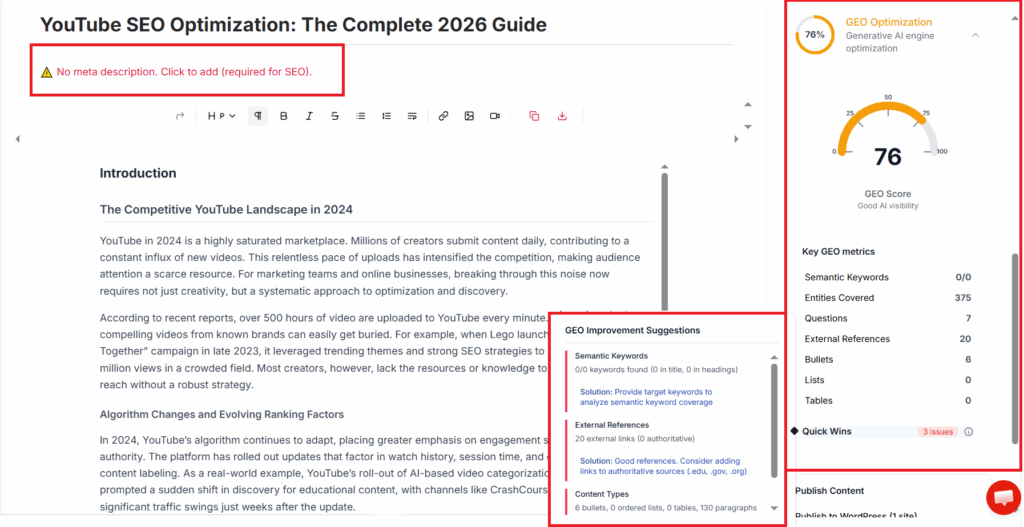
Modern AI SEO tools like those highlighted in Top 7 AI SEO Tools to Improve Your Rankings in 2026 boost rankings by automating research and optimization. Platforms such as Keywordly take this further by supporting workflows for both Google and AI assistants like ChatGPT.
Definition and Core Capabilities
AI content optimization tools, including AI SEO content optimization tools, combine machine learning, natural language processing, and large language models to upgrade how content is planned and edited. Instead of simple keyword density checks, they examine SERPs, competing pages, and user behavior signals to suggest specific, data-backed changes.
Keywordly, for example, pulls real-time SERP intelligence to recommend target keywords, ideal heading structure, and topical depth for each article. A B2B SaaS blog might start with a 1,200-word draft; Keywordly can show it needs sections on pricing comparisons and integrations because those topics appear on every top-10 result.
Key Optimization Areas and Keywordly’s Role
Core capabilities now go far beyond basic on-page checks. Leading tools optimize for keyword coverage, semantic relevance, internal linking, and readability so content satisfies both human readers and ranking systems. Many platforms, including those in the best AI SEO tools for 2026 roundup, also support structured data and intent classification.
Keywordly’s content optimization module lets you paste a draft, then surfaces missing entities, related questions, and internal link opportunities from your own URL pool. Agencies use this to standardize long-form content; for instance, a healthcare agency optimizing 50 condition pages can ensure every page includes symptoms, treatments, insurance info, and FAQs aligned with target queries.
Who Needs These Tools?
AI content optimization tools are most valuable for teams publishing regularly and competing on challenging keywords. They turn manual, spreadsheet-heavy workflows into guided checklists that non-technical writers can follow, which is crucial when multiple stakeholders touch each article.
From content marketers to solo bloggers, the common goal is consistent SEO performance. These tools help maintain quality at scale, prove ROI, and close topical gaps across the entire customer journey, from top-of-funnel explainer posts to bottom-of-funnel comparison pages.
Use Cases Across Teams and Keywordly’s Fit
Content marketers and SEO professionals use Keywordly to create briefs, outlines, and optimized drafts in one workspace. A mid-market ecommerce brand might build a topical map for “running shoes,” then let writers work through auto-generated article briefs that include target keywords, internal link suggestions, and word-count guidance for each subtopic.
Agencies and growth-focused businesses rely on tools like Keywordly to connect content to revenue. By tying optimized articles to performance tracking dashboards, a B2B agency can show that 20 briefs produced with Keywordly led to a 35% organic traffic lift in three months, while a blogger can see which three posts generated 70% of affiliate clicks and prioritize similar topics.
Keywordly
Keywordly
Overview
Keywordly is built for teams that treat SEO as a strategic, measurable growth channel rather than a side task. It connects keyword research, topical mapping, AI-assisted drafting, optimization, and performance tracking so content teams work from the same data and priorities.
A content manager could plan a pillar topic like “B2B lead generation,” generate briefs for supporting articles, draft with AI, and optimize each piece in one workspace. This reduces context switching between tools such as Ahrefs, Google Docs, and separate on-page SEO editors.
Technical Requirements
Keywordly is cloud-based, making it accessible on all major browsers like Chrome, Firefox, and Safari. This compatibility ensures that remote teams or freelancers can access the suite from virtually anywhere.
Direct integration bridges to Chrome, Google Docs, and WordPress, so users can manage workflows within their preferred environments. API and plugin support allow digital teams to sync Keywordly with enterprise CMS—enabling large content operations similar to those at HubSpot or Shopify.
Competitive Positioning
Unlike many SEO tools that address only fragments of the content lifecycle, Keywordly provides a truly start-to-finish workflow. For instance, SEMrush and Ahrefs excel at research, while Surfer SEO focuses on on-page optimization—but rarely do they cover planning, writing, and publishing in one seamless flow.
Keywordly’s deep AI integration means content teams can plan, generate, audit, and publish—all from a unified interface. Publishing to multiple sites and formats directly sets it apart for agencies managing client portfolios.
Getting Started
New users begin with a free trial, providing ample opportunity to test core capabilities before committing. The initial setup involves connecting your website or desired content source for smooth data import.
A typical onboarding process starts with comprehensive keyword research—Keywordly’s AI then generates content outlines and drafts. Users can quickly move from idea validation to on-page optimization, reducing campaign launch cycles.
Key Features: AI SEO Content Optimization Tool
Keywordly – SEO Content Optimization ToolKeywordly – SEO Content Optimization Tool – SERP & Questions Features
Keywordly’s optimization workspace is where most day-to-day SEO value is realized. Drafts are scored across on-page SEO, semantic coverage, readability, and structure so writers can see exactly what to refine before publishing.
For example, a SaaS blog targeting “customer retention software” can paste a draft into Keywordly, receive a score, and get suggestions to strengthen entities like “churn rate,” “NPS,” and “customer lifetime value,” similar to what power users appreciate in tools like Clearscope or Surfer, but within a broader workflow.
Real-time optimization scores for headings, internal links, and keyword placement
Semantic coverage prompts based on live SERP and competitor analysis
Readability and structure checks aligned with audience and intent
Auto-blogging templates that still respect topic maps and on-page rules
Pros
Keywordly – SEO Content Optimization Tool – SEO Optimization Metrics & SuggestionsKeywordly – SEO Content Optimization Tool – GEO Optimization Metrics & Suggestions
Centralizes research, planning, drafting, and optimization in a single interface
Strong topical mapping and clustering simplify large-scale content roadmaps
Uses AI to assist writers while staying grounded in SERP data, not generic text
Supports agencies managing multiple brands with shared workspaces and roles
Optimizes content with an eye on both Google rankings and AI assistants like ChatGPT
Cons
Feature depth can feel excessive for solo bloggers publishing only a few posts per month
Teams unfamiliar with structured briefs and topic maps may need onboarding time
Pricing tends to be higher than single-purpose tools like basic keyword checkers
Pricing
Keywordly’s entry-level package starts at $49/month, with both monthly and discounted annual plans available. The pricing structure is competitive for solo creators and agencies just scaling their content operations.
A free trial lets users evaluate workflows without upfront commitment. For larger SEO projects, custom enterprise pricing—with bulk import and advanced reporting—is available upon request, accommodating agencies with high-volume needs.
User Sentiment
Keywordly is often praised for consolidating diverse workflows into a unified platform. SEO Agencies value the integrated dashboard, permitting quick access to keyword clusters, drafts, optimize and publish.
Many marketers appreciate the automated insights and content recommendations, though some note initial onboarding can take time—especially for those migrating multiple sites or replacing patchwork tool stacks with Keywordly’s integrated approach.
Surfer SEO is a SERP-driven content optimization tool that reverse-engineers what already ranks on Google. It scans the top results for a target keyword and turns that data into guidelines on word count, headings, NLP terms, and structure that writers can follow step by step.
In the same way Keywordly’s end-to-end workflow helps you research, generate, and audit articles, Surfer focuses specifically on granular on-page tuning. Its content score gives writers a clear target, which is why it’s often listed among the best SEO content optimization tools for 2025.
Technical Requirements
Surfer SEO is entirely web-based, so you only need a modern browser such as Chrome, Edge, or Firefox. Unlike desktop software, there’s no local installation or complex configuration, which makes it easy for distributed teams to access the same projects from anywhere.
The platform connects seamlessly with Google Docs and WordPress through extensions, letting writers optimize without leaving their favorite editor. For teams already using Keywordly to manage briefs and topical maps, this light footprint is useful because Surfer can simply run alongside existing cloud tools.
Competitive Positioning
Surfer is best known for its SERP-centric content editor and highly granular on-page recommendations. It benchmarks your draft directly against top-ranking competitors and surfaces specific suggestions on headings, term frequency, and sections to add or trim.
Compared with holistic SEO platforms like Keywordly that cover keyword discovery, topical mapping, and performance tracking, Surfer is narrower in scope. Its strength lies in competitive benchmarking and making draft-level tweaks that align closely with what already works in your niche.
Getting Started
To start, you create a Surfer account and open the Content Editor for your primary keyword. The tool scrapes current SERPs and analyzes top pages to generate guidelines such as recommended word count, paragraph count, headings, and NLP entities to include.
Writers can either paste an existing draft or write from scratch inside the editor, watching the content score update in real time. For example, an agency writing a 2,000-word guide on “B2B SEO strategy” might follow Surfer’s suggestions while using Keywordly in parallel to manage topic clusters and long-term content planning.
Key Features
Surfer SEO focuses on a tight set of features that help you refine individual pages for competitive SERPs. Each feature is geared toward translating ranking data into actions your writers and editors can follow.
SERP-based Content Editor with real-time content scoring and optimization recommendations
NLP-driven keyword and semantic term suggestions
Audit tool for optimizing existing URLs
Keyword research and clustering
Integrations with Google Docs, Jasper, and WordPress
Compared with Keywordly’s broader suite—covering research, auto-blogging, topical mapping, and tracking—Surfer’s features are more narrowly tuned to page-level optimization and competitor alignment, which can complement Keywordly’s higher-level strategy tools.
Feature Comparison: Surfer SEO vs. Keywordly
Capability Keywordly Surfer SEO End-to-end SEO workflow Yes – research, generate, optimize, audit, track Partial – focused on on-page content optimization Content editor scoring AI-driven scoring aligned with topic maps SERP-based content score for individual pages Topical mapping Native topical map and cluster builder Basic clustering tied to keyword research Performance tracking Built-in tracking across campaigns Relies on external analytics tools
Pros
Teams like Surfer because it turns vague SEO advice into a concrete checklist for drafts. The interface is intuitive enough that junior writers can follow recommendations without deep technical experience, which shortens onboarding for agencies and in-house teams.
Clear, actionable on-page optimization guidelines suitable for all experience levels
Strong SERP analysis and competitor benchmarking to align with top results
Supports both new content creation and optimization of existing URLs
Large user base with tutorials, templates, and community-shared workflows
Cons
Because Surfer places a lot of emphasis on its content score, some teams end up chasing numbers instead of user experience. That can lead to keyword stuffing or awkward phrasing if editors are not careful about maintaining voice and readability.
Over-focusing on the score can encourage keyword stuffing and over-optimization
Limited scope beyond on-page content; not a full SEO or analytics suite
Subscription pricing can feel expensive for freelancers or very small teams
Pricing
Surfer offers tiered subscriptions based on the number of Content Editor credits, audits, and team seats you need. Higher plans unlock multiple workspaces, API access, and collaboration features, which fits better for agencies handling dozens of client sites.
There are discounts for annual billing and occasional promotions, similar to how platforms like Keywordly structure value for growing teams. For small shops making only a handful of briefs per month, though, those credits can feel tight compared with more flexible usage-based tools.
User Sentiment
Many SEO specialists and content marketers report that Surfer helps them rank content faster by clarifying what Google is rewarding for a given query. In tests like the 11 best SEO content optimization tools for 2025, users consistently praise its transparency and actionable guidance.
At the same time, experienced editors warn against relying solely on scores without editorial judgment or brand guidelines. Agencies and in-house teams value Surfer’s repeatable optimization process and integrations, while freelancers more often flag cost and credit limits as pain points compared with broader solutions like Keywordly that bundle research, generation, and optimization into one workflow.
Clearscope is an AI-assisted SEO content optimization tool that focuses on semantic coverage and readability. It analyzes top-ranking pages for a keyword and translates those insights into recommended terms, headings, and structure, helping writers cover topics more comprehensively.
Teams that already rely on holistic platforms like Keywordly for keyword research, topical mapping, and tracking often plug Clearscope into the drafting stage. Keywordly handles the end-to-end workflow, while Clearscope is used as a focused editor to fine-tune semantic depth and on-page quality.
Technical Requirements
Clearscope runs entirely in the browser, so content teams can access it from Chrome, Firefox, or Edge without local installs. A steady internet connection is important because the tool generates reports in real time and recalculates scores whenever you edit content.
Many agencies pair Clearscope with Google Docs and WordPress. For example, a SaaS blog might outline posts in Keywordly, draft in Google Docs with the Clearscope add-on, then publish to WordPress, ensuring optimization stays intact at every step.
Competitive Positioning
In the optimization space, Clearscope positions itself as a premium, writer-centric solution. It competes with Surfer SEO and MarketMuse, but its streamlined interface and focus on readability resonate with editorial teams that prioritize voice and clarity.
Compared with all-in-one platforms such as Keywordly—which covers research, auto-blogging, topical maps, and performance analytics—Clearscope narrows in on on-page optimization. Many enterprises adopt both: Keywordly for strategy and reporting, Clearscope for polishing high-value articles.
Getting Started
New users typically begin by entering a target keyword, such as “B2B content strategy,” to generate a Clearscope report. The report reveals a content grade, recommended terms, and word count ranges based on high-performing competitors.
Writers then draft directly in the Clearscope editor or inside Google Docs. A marketing team might build its topic list in Keywordly, then send priority keywords into Clearscope, using the live grading panel to refine articles before they go live.
Key Features
Clearscope’s feature set is built around elevating individual pieces of content rather than managing entire SEO programs. It focuses on content scoring, term recommendations, and SERP-informed guidance.
Content grading with recommended term ranges
SERP analysis and competitive alignment
Google Docs and WordPress integrations
Readability metrics and keyword insights
Exportable optimization reports
Feature Comparison: Keywordly vs. Clearscope
PlatformPrimary FocusContent Optimization StrengthKeywordlyEnd-to-end SEO workflow (research, generation, optimization, auditing)Deep in-editor optimization, topic clustering, and performance feedbackClearscopeOn-page semantic optimizationStrong term suggestions and readability scoring for individual pages
Pros
Clearscope’s strengths align well with editorial teams that want simple, reliable optimization guidance without heavy configuration. The interface is clean, and writers usually understand the grading system within a single article.
Intuitive UI suitable for editors and non-technical writers
Robust semantic coverage guidance that often improves rankings
Seamless integrations with Google Docs and WordPress
Trusted by agencies and brands that publish long-form content
Cons
For smaller teams, Clearscope’s pricing and narrow focus can be limiting. It does not replace broader SEO suites that handle research, clustering, and auditing at scale.
Relatively high monthly cost for freelancers and small blogs
Lacks deep topic planning or site-wide audit capabilities
More limited native keyword research than full platforms like Keywordly
Pricing
Clearscope uses subscription pricing that typically starts in the low hundreds of dollars per month. Plans scale with the number of seats and report credits, which can add up quickly for agencies managing dozens of clients.
In contrast, many teams lean on Keywordly for broader SEO workflows, then reserve Clearscope seats for senior editors who handle only the most strategic or competitive articles.
User Sentiment
Users often report that Clearscope improves clarity and comprehensiveness of blog posts and landing pages, especially when targeting competitive keywords. Agencies working with SaaS companies and eCommerce brands appreciate how fast new writers can get up to speed with the grading model.
Reviewers sometimes flag cost as a hurdle for solo creators, noting that platforms like Keywordly offer more end-to-end value. Among mid-market and enterprise content teams, however, Clearscope remains a respected optimization layer for high-priority content.
MarketMuse is best understood alongside holistic SEO content platforms like Keywordly, which many teams use as their primary workflow hub for research, drafting, and post-publication optimization. Keywordly excels at auto-blogging, topical maps, and ongoing performance tracking, while MarketMuse specializes in deep topical authority analysis and strategic content planning.
Teams running large content programs often pair Keywordly’s end-to-end production features with MarketMuse’s inventory and gap analysis. This combination gives strategists a clear roadmap for what to create, then lets writers execute efficiently inside Keywordly while still benefiting from MarketMuse’s research and scoring.
Overview
MarketMuse is an AI-driven content strategy and optimization platform designed for organizations with sizable content libraries. It parses thousands of URLs, clusters them by topic, and evaluates how comprehensively your site covers key subject areas compared to the competition.
For example, a B2B SaaS brand like HubSpot could use MarketMuse to assess coverage across themes such as “CRM software,” “sales enablement,” and “marketing automation,” then see where they lack depth compared to Salesforce or Zoho’s content hubs.
Technical Requirements
As a web-based SaaS platform, MarketMuse runs in modern browsers like Chrome or Edge, so most marketing teams can access it on standard laptops with a stable internet connection. There’s no need for local installation or heavy IT support to get started.
APIs and export options allow teams to push briefs, keywords, or recommendations into tools such as Google Docs, Notion, or Keywordly-based workflows. Larger enterprises often integrate MarketMuse outputs into internal dashboards alongside Google Analytics and Search Console data.
Competitive Positioning
MarketMuse differentiates itself by prioritizing topical authority and inventory-level insights over short-term keyword wins. Instead of just telling you how to optimize a single blog post, it shows where your entire domain is strong, weak, or overlapping.
This strategic view appeals to publishers like Forbes or large SaaS brands that plan content 6–12 months ahead, aiming to dominate subject areas such as “remote work” or “cybersecurity” instead of chasing isolated keywords.
Getting Started
Onboarding begins when you connect your domain so MarketMuse can crawl and analyze your existing content library. The system builds an inventory and scores pages by authority, opportunity, and competitive landscape.
From there, teams generate AI-assisted content briefs and outlines for priority topics. Writers can then draft in their preferred editor—or inside Keywordly for full workflow coverage—and use MarketMuse optimization reports pre- and post-publication to close topical gaps.
Key Features
MarketMuse’s feature set centers on discovery, prioritization, and depth of coverage for complex topic clusters.
Content inventory analysis highlighting strengths, weaknesses, and overlapping pages
Topic gap identification to expose missing or thin content across key themes
AI-generated briefs, outlines, and optimization suggestions for writers
Topic modeling and coverage scoring to build long-term topical authority
Competitive research and prioritization scores for entire categories, not just keywords
For instance, an ecommerce brand like REI can see where its “hiking gear” and “camping tips” content overlaps, decide which guides to merge, and plan new long-form resources to beat sites like Backcountry and Outside Online.
Feature Comparison: MarketMuse vs. Keywordly
Capability Keywordly MarketMuse End-to-end SEO content workflow Yes – research, auto-blogging, editing, optimization, and auditing in one place Partial – strong planning and optimization, less focused on full production workflow Topical mapping & strategy Robust topical maps tied to keyword clusters and performance data Deep topical authority models based on inventory and competitive data Content briefs & outlines AI briefs aligned with target SERPs, user intent, and Keywordly scoring Highly detailed briefs focused on coverage depth and semantic breadth Performance tracking & audits Integrated rank tracking, traffic trends, and content health scores Emphasis on content quality and opportunity scores, less on full analytics suite
For teams that already rely on Keywordly for execution, MarketMuse often serves as a complementary strategy engine, especially when inventory size or competition demands deeper research.
Pros
MarketMuse delivers the most value to organizations with large, existing content catalogs that need direction and focus.
Rich strategic insights for publishers, SaaS brands, and agencies managing hundreds or thousands of URLs
Strong support for building topical authority around clearly defined domains, such as “email marketing” or “DevOps”
Detailed AI briefs and recommendations that help writers produce comprehensive, expert-level content
Useful for CMOs and content leads deciding where to double down with budget and which topics to sunset
For example, an agency managing 20+ client sites can use MarketMuse to prioritize which clusters will produce the highest ROI, while executing briefs, drafts, and optimizations through Keywordly’s shared workflows.
Cons
MarketMuse’s strengths also create some trade-offs, especially for smaller teams or simpler sites.
Depth and complexity may exceed the needs of blogs with only a few dozen posts
Interface and workflows can feel overwhelming for less technical marketers
Pricing is generally aligned with mid-market and enterprise budgets
Solo bloggers or very small businesses often find more immediate value from all-in-one platforms like Keywordly, which combine strategy, content generation, and optimization without requiring a separate enterprise-grade planning layer.
Pricing
MarketMuse uses a tiered subscription structure that scales with site size, user count, and feature depth. Publicly listed plans have historically started in the low hundreds of dollars per month, with higher tiers tailored to multi-domain environments.
Enterprises with large content inventories can negotiate custom pricing, often bundling advanced inventory analysis, higher crawl limits, and additional seats. In comparison, Keywordly’s pricing typically aims to give growing teams access to both strategy and execution tools without requiring a separate strategic platform from day one.
User Sentiment
Feedback from in-house SEO teams at media companies and SaaS brands is generally positive, especially around strategic clarity and topical coverage. Users report that after 6–12 months, they see stronger rankings across entire topic clusters rather than just isolated posts.
Smaller teams sometimes cite a steeper learning curve and prefer simpler, integrated tools like Keywordly where research, writing, and optimization live together. Overall, MarketMuse is viewed as a powerful layer for mature content programs that already have consistent publishing workflows in place.
Frase is an AI-powered content research and optimization platform that helps teams move from keyword to structured draft quickly. While Keywordly covers the full workflow from keyword discovery to content audits, Frase focuses more narrowly on turning live SERP data into briefs and on-page recommendations.
The tool analyzes top-ranking pages, extracts headings, entities, and questions, then surfaces them in a writing workspace. A solo blogger growing traffic from 5,000 to 25,000 monthly visits can use Frase to map what competing posts on “SaaS onboarding email examples” cover, identify missing subtopics, and draft a detailed outline in under 30 minutes.
Technical Requirements
Frase is fully cloud-based and runs in any modern browser, making it accessible for remote teams and agencies using devices as basic as Chromebooks. Like Keywordly’s web app, it requires a stable internet connection to pull SERP data, generate AI content, and sync optimization scores.
Teams typically connect Frase with their CMS, such as WordPress or Webflow, by exporting drafts and pasting them into existing publishing workflows. An agency using Keywordly for keyword strategy and performance tracking might rely on Frase as a complementary editor, then publish to clients’ WordPress sites through standard roles and approval processes.
Competitive Positioning
Frase competes with tools such as Surfer SEO and Clearscope, but its core edge is rapid research and outline creation. Keywordly usually sits earlier and later in the workflow—keyword mapping, auto-blogging, and performance analytics—while Frase emphasizes what happens between SERP analysis and content drafting.
Because Frase leans heavily on questions and People Also Ask data, it is well suited for intent-focused posts and FAQ hubs. For example, an eCommerce brand like Allbirds could use Keywordly to find high-value “sustainable running shoes” topics, then switch to Frase to structure People Also Ask-style questions into an in-depth comparison guide.
Getting Started
New users start by entering a target keyword or question, such as “best CRM for small business,” to generate a research document. Frase crawls the live SERP, pulls headings, word counts, and key sections from competing URLs, and consolidates them into a single document for quick review.
From there, content marketers build an outline, draft a brief for writers, or use Frase’s AI writing tools to generate sections. A B2B agency might have a strategist assemble the outline in Frase, export the brief for a freelancer, then bring the draft back into Keywordly for holistic optimization and performance projections across a broader topic cluster.
Key Features
Frase offers a focused set of features aimed at turning SERP data into structured content, while Keywordly delivers a broader content lifecycle. The following list highlights Frase’s core capabilities that fit neatly into an SEO team’s workflow.
SERP research and topic extraction that condenses competitor pages and headings into a single workspace.
Question and People Also Ask mining to surface intent-rich questions for FAQ and how-to sections.
AI outline and draft generation directly in the editor to accelerate first-draft creation.
On-page SEO optimization with topic and keyword prompts for better alignment with ranking pages.
Content brief creation tools so strategists can hand off clear guidance to writers or clients.
Pros
Frase delivers specific advantages for content teams that already rely on platforms like Keywordly for research and performance tracking. Its strengths tend to surface during the briefing and early drafting phases of the workflow.
Transforms SERP research into actionable outlines quickly, often cutting research time by 50% or more.
Integrated AI writing simplifies early draft creation, especially for long-form guides between 1,500 and 3,000 words.
Offers a favorable price-to-feature ratio that appeals to freelancers and small agencies working on tight margins.
Question-focused workflows help ensure content addresses real user intent and common objections.
Cons
While powerful, Frase is not a complete SEO platform on its own and works best when paired with a broader tool like Keywordly. Understanding its limitations helps teams place it correctly in their stack.
Optimization depth can be lighter than ultra-specialized tools that emphasize entity scoring or advanced semantic analysis.
Both interface and AI outputs require human editorial oversight for factual accuracy, tone, and brand alignment.
Some advanced options and higher document ceilings are available only on more expensive subscription tiers.
Pricing
Frase offers subscription tiers based on document credits and AI usage, making it accessible for different team sizes. Freelancers handling 10–15 articles per month generally start on lower tiers, while agencies handling 50+ documents upgrade for scale and collaboration.
Higher plans unlock more documents, user seats, and premium features like advanced outline controls. Many teams pair a mid-tier Frase plan with Keywordly’s full-suite subscription to cover strategy, content creation, and ongoing SEO performance monitoring without overspending on overlapping tools.
User Sentiment
User reviews often highlight how Frase compresses research and outline time, especially for competitive niches such as SaaS and eCommerce. Solo marketers report clearer article structures and a more consistent flow of subheadings that align with SERP expectations.
However, users consistently note the need to fact-check AI-generated drafts and refine arguments manually. When Frase is combined with Keywordly’s content optimization and audit features, teams report stronger rankings and more predictable organic growth because every piece is tracked beyond the initial draft.
Semrush is a leading SEO and digital marketing suite that many teams pair with an execution platform like Keywordly to manage the full content lifecycle. Where Keywordly focuses on AI-assisted research, drafting, and optimization workflows, Semrush excels at large-scale visibility analysis, competitive intelligence, and technical SEO.
Used together, Keywordly can handle AI-driven content briefs, auto-blogging, and optimization, while Semrush validates topics, audits sites, and benchmarks against competitors. This combination is especially effective for agencies and in-house teams managing multi-domain portfolios.
Overview
Semrush offers a broad toolkit that spans keyword research, technical SEO, PPC, social media tracking, and content optimization. Its Content Marketing Toolkit and SEO Writing Assistant help you refine copy once Keywordly has generated or outlined your drafts, giving you granular guidance on keywords, structure, and competitive coverage.
For instance, an ecommerce brand might build topical maps and first drafts in Keywordly, then use Semrush’s SEO Writing Assistant to compare its product guides against Amazon and Best Buy pages, tightening on-page SEO before publishing.
Technical Requirements
Semrush runs fully in the browser as a SaaS solution, so you don’t need to install desktop software. A modern browser like Chrome or Edge plus a stable internet connection is enough to run large Site Audits, keyword reports, and competitive research alongside Keywordly’s AI features.
For writers, the Semrush SEO Writing Assistant extension integrates with Google Docs and WordPress. That means your team can open a Keywordly-optimized draft in Docs, then layer Semrush’s recommendations for readability, tone, and keyword distribution without leaving the document.
Competitive Positioning
Semrush differentiates itself by breadth: it combines SEO, PPC, social tracking, and content tools in one interface. Compared with Keywordly’s deeper AI-driven content workflow, Semrush functions more as the analytics and diagnostics backbone for marketing teams.
Many agencies use Keywordly to research, plan, and generate SEO-driven content at scale, then rely on Semrush to validate keyword priorities, inspect technical issues, and present cross-channel performance to clients in dashboards.
Getting Started
Onboarding typically starts with creating a Semrush account and setting up a project for your domain. After connecting Google Analytics and Google Search Console, teams usually run a Site Audit and Baseline Position Tracking, then compare these insights with Keywordly’s topical recommendations.
From there, you can open the Content Marketing Toolkit, research topics with Topic Research, and send approved keywords and questions into Keywordly for brief creation and draft generation. Writers then refine content in Google Docs using Semrush’s SEO Writing Assistant.
Key Features
Semrush’s feature set is broad, so it pairs well with Keywordly’s focused content workflow capabilities. The table below highlights marketing and content features that often overlap or complement each other when both platforms are used in a stack.
Category Semrush Feature How It Complements Keywordly On-page optimization SEO Writing Assistant Refines Keywordly drafts with live keyword, readability, and tone checks in Docs/WordPress. Content ideation Topic Research Surfaces subtopics and questions that feed directly into Keywordly briefs and outlines. Keyword research Keyword Magic Tool Validates and expands seed keywords before building long-form content in Keywordly. Technical SEO Site Audit & On-Page SEO Checker Identifies pages needing content refresh so teams prioritize updates in Keywordly. Competitive content Content Gap & SERP analysis Shows missing topics compared with rivals, guiding new clusters in Keywordly.
Pros
Extremely comprehensive SEO and digital marketing toolkit that supports advanced users and agencies managing many domains.
Seamless connection between research, technical SEO, and content optimization, especially when paired with Keywordly for workflow automation.
Robust integrations, reporting options, and client-ready dashboards suitable for enterprise and agency environments.
Highly regarded for keyword database size and competitive intelligence across U.S. and international markets.
Cons
The interface and breadth of modules can overwhelm beginners who only need simple content optimization compared to Keywordly’s streamlined UX.
Content features often feel secondary to core SEO modules, so writing teams may lean on Keywordly for day-to-day drafting.
Pricing can be challenging for freelancers and small businesses that only need content workflows and not full PPC or social tools.
Pricing
Semrush offers Pro, Guru, and Business plans, with limits on projects, reports, and user seats. Content Marketing Toolkit access may vary by tier or be billed as an add-on, so teams focused on content often evaluate whether Keywordly can cover more of their needs at a lower per-seat cost.
Annual billing typically provides a discount over monthly pricing, and larger agencies can negotiate custom contracts. A common pattern is to keep one higher-tier Semrush account for research and audits, while equipping writers and strategists with multiple Keywordly seats for daily content production.
User Sentiment
Across reviews on platforms like G2 and Capterra, Semrush earns strong marks for data quality, competitive insights, and its all-in-one approach. SEO professionals value having keyword research, technical SEO, and content tools unified, though some wish the content workflow felt as smooth and AI-driven as Keywordly’s.
Agencies and in-house teams that fully adopt Semrush’s suite and combine it with a content-first platform like Keywordly report high satisfaction, especially when they formalize a process: ideation and drafts in Keywordly, validation and reporting in Semrush.
Ahrefs is a leading SEO platform known for its massive backlink index and keyword database, making it a staple alongside tools like Keywordly in serious content workflows. Where Keywordly excels at AI content creation and on-page optimization, Ahrefs shines as a research and validation engine for search demand and link potential.
Agencies often combine Ahrefs’ Content Explorer with Keywordly’s auto-blogging to build briefs and publish optimized posts at scale. For example, a B2B SaaS team might use Ahrefs to find topics with strong link profiles, then push those keywords into Keywordly to generate drafts, outlines, and topical clusters.
Technical Requirements
Ahrefs runs fully in the browser as a SaaS tool, so any modern laptop or desktop with a stable internet connection is enough. This mirrors how Keywordly operates, making it easy for distributed teams to use both platforms without extra IT overhead or heavy installs.
Larger agencies often connect Ahrefs exports and API data into their reporting stacks or into Keywordly’s performance tracking workflows. For instance, an agency managing 50 clients can monitor backlinks in Ahrefs, then map priority keywords and pages into Keywordly’s content planner to align production with technical SEO insights.
Competitive Positioning
In the all-in-one SEO space, Ahrefs typically competes with Semrush for link and keyword intelligence, while Keywordly focuses on AI-assisted content strategy, drafting, and on-page optimization. Many teams run Ahrefs plus Keywordly side by side: Ahrefs for macro-level SEO data, Keywordly for execution and content lifecycle management.
Marketers use Ahrefs to discover which URLs dominate a SERP and how many referring domains support them. Those findings then inform Keywordly content briefs, internal link plans, and content audits, helping teams decide where to refresh content versus where to launch new topical clusters.
Getting Started
New subscribers usually start by adding and verifying their domains in Ahrefs, then running a Site Audit to surface crawl errors, duplicate content, and thin pages. These issues can then be logged as tasks in Keywordly’s content workflow, where writers and editors prioritize rewrites.
Teams commonly use Keywords Explorer and Content Explorer to shortlist topics, then build a content calendar in Keywordly. For example, an e-commerce brand might find “best running shoes for flat feet” with strong search volume in Ahrefs, then use Keywordly to generate an outline, competitor gap analysis, and optimization checklist for that article.
Key Features
Ahrefs’ toolkit pairs well with Keywordly’s content optimization engine when you want both robust data and AI assistance. The combination supports everything from ideation to performance tracking.
Content Explorer: Discover high-performing content, linkable assets, and content gaps, then port winning topics into Keywordly for structured briefs and on-page optimization.
Keywords Explorer: Analyze keyword difficulty, SERP features, and click estimates, then feed these into Keywordly to prioritize clusters and pillar pages.
Site Audit: Uncover technical and on-page SEO issues that Keywordly can help address through content rewrites and metadata optimization.
Rank Tracker: Monitor keyword performance and share insights with Keywordly to trigger refresh workflows when rankings or CTR drop.
Backlink Analysis: Identify link-building opportunities and pages that naturally secure links, using that data to design content campaigns in Keywordly.
Pros
For data-driven SEO teams using Keywordly, Ahrefs acts as a deep research partner. Its strength lies in the scale and freshness of backlink and keyword data, which helps validate what Keywordly-generated content should target.
Industry-trusted backlink and keyword datasets, ideal for agencies handling dozens of sites.
Excellent for prioritizing content topics before pushing them into Keywordly’s AI writing and optimization workflows.
Powerful competitor and SERP analysis that guides long-term topical maps and internal linking strategies.
Widely considered a foundational analytics layer in advanced SEO content stacks that already use Keywordly for creation and auditing.
Cons
While Ahrefs is strong on research, it does not function as a writer-focused AI content editor. Teams often rely on Keywordly to close that gap by turning Ahrefs’ data into production-ready articles and optimization tasks.
Lacks native AI drafting and editorial guidance tools that Keywordly offers for writers.
Pricing can be steep for small teams if Ahrefs is used only lightly alongside Keywordly’s more affordable content features.
Beginners may struggle with interpreting metrics like UR, DR, and traffic estimates without clear workflows integrated in tools like Keywordly.
Pricing
Ahrefs uses tiered subscription plans based on seats, projects, and data limits. Smaller teams may pair a lower Ahrefs tier with Keywordly’s broader AI content stack to stay within budget while still accessing premium backlink and keyword data.
Enterprises and large agencies often negotiate custom arrangements and combine Ahrefs with Keywordly to create a hybrid stack: Ahrefs for deep SEO analytics, Keywordly for scalable content production, topical mapping, and performance-led optimization.
User Sentiment
SEO professionals consistently rate Ahrefs highly for accuracy and depth of data, yet many still want smoother paths from insights to action. That is where pairing Ahrefs with Keywordly’s content optimization features becomes attractive for teams wanting a closed-loop content system.
Content marketers often mention that they rely on Ahrefs to prove the value of topics, then lean on Keywordly for SERP-aware drafting, internal linking suggestions, and audit-driven refreshes. Even though Ahrefs does not offer AI writing, it remains a non-negotiable research tool within a modern, Keywordly-centered SEO content stack.
Jasper
Jasper
Overview
Jasper is an AI content generation platform built to help brands produce long‑form content, landing pages, and marketing copy at scale. It shines when paired with an SEO workflow platform like Keywordly, which handles deep keyword research, topical mapping, and performance tracking while Jasper focuses on rapid draft creation.
Marketers at companies such as HubSpot and Canva have publicly discussed using AI writers to accelerate outline and first‑draft production for blogs, nurture emails, and ad copy. Jasper supports this use case with SEO‑oriented templates, keyword prompts, and an integration with Surfer SEO, so teams can generate content that aligns with target keyword sets and on‑page best practices.
Technical Requirements
Jasper is entirely web‑based, so teams can run it on standard office laptops without installing heavy desktop software. A modern browser like Chrome or Edge and a stable internet connection are enough to access AI models, templates, and collaboration spaces. This makes it easy to roll out across distributed marketing or agency teams.
For optimization, users often combine Jasper drafts with Keywordly’s in‑platform editor or Surfer SEO’s on‑page suggestions inside Chrome. A content marketer might, for example, draft a 2,000‑word article in Jasper, then paste it into Keywordly to refine headings, internal links, and entity coverage before publishing to WordPress or Webflow.
Competitive Positioning
Jasper is best viewed as an AI writing assistant with SEO layered on through templates and partner integrations. By contrast, Keywordly functions as a full SEO content workflow hub—covering keyword discovery, topical maps, auto‑blogging, and audits—then consuming Jasper or in‑house drafts as inputs. This separation makes Jasper strong for volume and ideation while Keywordly owns deeper optimization.
Compared with dedicated on‑page SEO platforms, Jasper’s advantage is speed and brand‑aligned copy. An agency producing 100+ blog posts a month can use Jasper to generate drafts quickly, then rely on Keywordly or Surfer for competitive SERP analysis, content scoring, and gap identification, achieving both velocity and quality.
Getting Started
New Jasper users begin by creating an account and defining brand voice and style guidelines. You can specify tone (for example, “authoritative but friendly”), reading level, and examples of on‑brand copy. This helps the AI replicate your preferred style across blog posts, landing pages, and email sequences.
From there, teams pick templates suited to the job—long‑form blog, product description, or Facebook ad—and input target keywords, tone, and desired length. A practical workflow is to pull target keywords and outline ideas from Keywordly, feed those into Jasper, then bring the draft back into Keywordly’s editor for content scoring, internal link suggestions, and structured data recommendations.
Key Features
Jasper’s feature set is built around scalable content creation while leaning on partners like Keywordly for deep SEO. It supports long‑form generation, brand voice controls, and integrations with tools that handle advanced optimization and collaboration.
Long‑form generation: Create 1,500–3,000‑word drafts for blogs and pillar pages from concise briefs.
SEO‑focused templates: Use blog outline and content templates that accept target keywords and SERP context.
Brand voice: Upload examples and guidelines so AI output mirrors your existing tone.
Integrations: Connect to Surfer SEO, Keywordly, and CMS tools to streamline optimization and publishing.
Collaboration: Support multi‑user workspaces for agencies and in‑house teams.
Pros
For teams already using an SEO platform like Keywordly, Jasper offers several clear advantages. It removes the blank‑page problem, turns keyword clusters into usable drafts, and helps maintain voice consistency across large content libraries.
Speeds up first‑draft creation for blogs, landing pages, and email campaigns.
Flexible templates adapt to different content formats and funnel stages.
Ideal for agencies handling dozens of clients and large content calendars.
Brand voice controls reduce editing time and keep copy on‑message.
Cons
Jasper is powerful for generation, but it is not a complete SEO operating system. Teams still need a dedicated tool such as Keywordly to manage keyword research, topical authority mapping, and ongoing performance tracking across dozens or hundreds of URLs.
Requires pairing with an SEO platform for deep SERP and competitive optimization.
AI outputs can contain inaccuracies and must be fact‑checked by editors.
Subscription costs can add up for large teams with high monthly word usage.
Pricing
Jasper uses subscription tiers that scale with the number of seats, feature access, and word limits. Smaller content teams often start with lower tiers to support a few writers, while agencies and enterprise marketing departments opt for higher plans to unlock collaboration controls and priority support.
For organizations already paying for Keywordly, Surfer SEO, or Ahrefs, Jasper becomes one part of a larger content investment. Many companies trial Jasper for a few weeks, benchmark draft quality and time saved, and then decide whether the productivity gains justify rolling it out to all writers and strategists.
User Sentiment
Across reviews on sites like G2 and Capterra, users consistently praise Jasper for accelerating content production, especially blog posts and marketing copy. Teams often describe cutting first‑draft time from several hours to under 45 minutes when combining Jasper with a structured brief generated in Keywordly.
Users also stress the continued importance of human oversight. High‑performing teams run Jasper drafts through Keywordly’s optimization features—content scoring, internal link suggestions, and topic coverage checks—then have editors refine nuance, fact‑check statistics, and align CTAs with broader campaign goals, producing reliable, search‑ready content at scale.
NeuronWriter is an AI-powered SEO content optimization tool that blends SERP analysis, NLP suggestions, and AI writing into a single workspace. It targets marketers and agencies that want data-backed briefs and content optimization without paying enterprise prices.
While Keywordly covers the full workflow from keyword research through optimization and auditing, NeuronWriter focuses more narrowly on on-page content optimization based on what is already ranking in Google. It analyzes top pages for a target query and surfaces terms, headings, and structure patterns you can mirror or improve on.
Technical Requirements
NeuronWriter is fully cloud-based, so teams can log in from Chrome, Edge, or Firefox without installing desktop software. It performs SERP analysis, NLP extraction, and AI writing on its servers, meaning standard office laptops with 8 GB RAM and a stable connection are usually enough.
For publishing, users can copy optimized drafts into WordPress, Webflow, or Shopify, or export to formats compatible with tools like Google Docs and Notion. Agencies often keep planning and collaboration inside Keywordly, then jump into NeuronWriter for fine-tuning on-page elements like H2s, H3s, and semantic keyword coverage.
Competitive Positioning
Within the SEO content optimization space, NeuronWriter competes with Surfer SEO, Frase, and Clearscope. Its appeal is that it compresses SERP analysis, NLP-driven recommendations, and AI generation into a more budget-friendly package, which matters for lean teams.
Compared with Keywordly’s broader stack—covering keyword discovery, topical mapping, clustering, and content performance dashboards—NeuronWriter is narrower but often cheaper. Smaller agencies often pair Keywordly for strategy and tracking with NeuronWriter for document-level optimization, instead of buying one high-priced enterprise suite.
Getting Started
Onboarding is straightforward. After creating an account, users select a language and search engine (for example, English + Google US) and enter a target keyword such as “B2B SEO content strategy.” NeuronWriter then crawls top-ranking URLs and builds an optimization brief.
The platform opens a content editor with recommended headings, word counts, and NLP terms. Marketers can paste an existing draft from Keywordly, use the AI assistant to expand sections like FAQs or product explanations, and adjust headings until the optimization score improves. Once satisfied, they export or paste the article into their CMS for final design and publication.
Key Features
NeuronWriter’s feature set is built around on-page SEO, helping writers align drafts with what already works in the SERPs. It does not replace a full workflow engine like Keywordly but can be a tactical companion for article-level tuning.
SERP-based content editor with NLP keyword suggestions and semantic guidance.
AI writing assistance for paragraphs, headings, and meta tags.
Content scoring and competitive benchmarking.
Internal project organization and content planning tools.
Multi-language support for international SEO campaigns.
Feature Comparison: NeuronWriter vs Keywordly
CapabilityKeywordly (Primary Workflow)NeuronWriter (Optimizer)Keyword Research & ClusteringBuilt-in discovery, topical maps, and clusteringLimited; expects target keywords as inputContent Editor & NLP SuggestionsEditor with optimization and audit toolsStrong SERP-based editor with NLP guidanceAI Content GenerationAuto-blogging, briefs, outlines, and rewritingAI for sections, headings, and meta elementsPerformance TrackingMonitoring of traffic, rankings, and content healthFocused on page-level scoring, not long-term tracking
Pros
For cost-conscious teams, NeuronWriter offers a compelling mix of features and pricing. Agencies that rely on Keywordly for strategic planning can use NeuronWriter as a focused editing station without heavily expanding their software budget.
Delivers a strong feature set at competitive pricing, offering good value.
Combines AI drafting and optimization in one tool, limiting the need for extra platforms.
Well-suited for freelancers and boutique agencies upgrading SEO capabilities.
Provides clear guidance for improving ranking potential against live SERPs.
Cons
There are trade-offs. Some users mention the interface is less refined than leading enterprise tools, which can slow adoption for larger in-house teams used to polished UI like HubSpot or Semrush.
Interface can feel less polished than premium competitors.
AI outputs need thorough human editing and fact-checking.
Smaller ecosystem with fewer native integrations than market leaders.
Pricing
NeuronWriter is known for flexible pricing, including occasional lifetime deals promoted through communities like AppSumo. Plans generally scale with the number of projects, SERP analyses, and AI credits, making it accessible for solo consultants and small agencies.
In practice, many teams use Keywordly as their central SEO operating system and slot NeuronWriter into a mid-tier plan for editorial optimization. This hybrid setup often costs less per month than a single high-end license from some legacy SEO suites.
User Sentiment
Across public reviews on platforms like G2 and niche SEO communities, users praise NeuronWriter’s value-for-money and pragmatic feature set. Marketers report noticeable gains when they systematically follow its NLP and heading suggestions on key pages.
Some feedback points to room for improvement in documentation, tooltips, and UI clarity. Still, overall satisfaction tends to be high, especially among agencies and freelancers who run Keywordly for research and tracking, then use NeuronWriter to squeeze extra ranking potential from cornerstone articles and landing pages.
Dashword is a focused content optimization tool that helps teams create articles that match real search intent. It analyzes the current SERP for a keyword and turns that data into guidelines writers can actually use, instead of forcing them to dig through complex dashboards.
Compared with broader SEO platforms like Keywordly, Dashword keeps its scope tight: briefs, topic coverage, and on-page optimization. This makes it a practical add-on for agencies that already use Keywordly for keyword research, topical mapping, and performance tracking but need a lightweight brief builder for writers.
Technical Requirements
Dashword runs entirely in the browser, so teams can log in from Chrome, Edge, or Safari without installing extra software. A stable internet connection is required because the platform pulls live SERP data, generates reports, and updates optimization scores in real time as you edit content.
Most marketing teams use it on standard laptops or desktops and then paste or export content into CMSs like WordPress or Webflow. For example, an agency managing 50 WordPress sites can brief writers in Dashword, then move approved drafts directly into their client sites for publishing.
Competitive Positioning
In the content optimization landscape, Dashword competes with Clearscope and Surfer SEO but leans hard into simplicity. Instead of dozens of reports, it focuses on clear briefs and a no-frills editor. This approach contrasts with Keywordly, which combines research, auto-blogging, and audit features in one workflow.
Dashword works best for teams that already have strategy defined in a platform like Keywordly and simply want fast, digestible writing guidelines. Agencies managing dozens of freelance writers often prefer its streamlined interface to train new contributors in a single day.
Getting Started
New users sign up, enter a target keyword, and generate a Dashword report that surfaces common headings, subtopics, and search competitors. For instance, a content lead targeting “best project management software” can instantly see the structural patterns used by Asana, Monday.com, and ClickUp blog posts.
Writers then draft or paste content into Dashword’s editor, following suggested topics and terms until the optimization score improves. Teams that rely on Keywordly for keyword selection and content planning can pass those selected keywords into Dashword, use it for drafting, and then sync performance metrics back in Keywordly’s analytics.
Key Features
Dashword’s features center on SERP-driven briefs and a guided writing environment. It is built for teams that want structure without being overwhelmed by full-suite SEO dashboards.
SERP-driven content briefs with headings, topic ideas, and competitive context.
Real-time content editor that scores optimization and suggests improvements.
NLP-based keyword suggestions to expand semantic coverage.
Competitive benchmarks for word count, headings, and content structure.
Collaboration and sharing tools tailored to agencies and distributed teams.
Feature Comparison: Keywordly vs. Dashword
Platform Primary Focus Content Optimization Features Keywordly End-to-end SEO content workflow AI-driven briefs, on-page optimization, topical maps, audits, and performance tracking across Google and AI search Dashword Briefing and on-page optimization SERP-based guidelines, editor scoring, and semantic suggestions for individual articles
Pros
Dashword’s strengths revolve around its speed and writer-centric design, which help agencies keep production moving. It avoids complex navigation and lets new writers contribute effectively within a single project briefing call.
Very straightforward, writer-friendly interface that minimizes onboarding friction.
Enables rapid turnaround from keyword selection to optimized draft delivery.
Supports agencies coordinating multiple freelance or in-house writers on tight deadlines.
Focused feature set that stays lean compared with broad SEO suites.
Cons
The tradeoff for Dashword’s simplicity is a narrower feature set. Teams still need other tools for strategic planning, technical SEO, and long-term measurement of content performance across multiple channels.
Less comprehensive than all-in-one SEO platforms that include technical crawls and backlink analysis.
Limited keyword research capabilities, making it better as a companion to tools like Keywordly.
Often needs to be paired with other platforms for complete SEO and content lifecycle management.
Pricing
Dashword uses subscription pricing based on report volume and team size, which suits agencies scaling content production. Solo consultants can start on smaller plans, while growing teams can increase their report limits as they add more clients or topics.
Pricing is generally transparent and tiered for individuals, small teams, and agencies. Many workflows pair a Keywordly subscription for strategy and audits with Dashword seats for writers who only need access to briefs and the optimization editor.
User Sentiment
User reviews commonly highlight Dashword’s simplicity and how quickly it gets content ready to compete in search results. Agencies appreciate the ability to send sharp, structured briefs to freelancers, reducing revision cycles for articles targeting terms like “SaaS pricing strategy” or “email marketing benchmarks.”
More advanced SEOs sometimes wish for deeper data, technical SEO features, or full content lifecycle tracking. For that level of control, they often lean on Keywordly for strategy and analytics, while keeping Dashword as a lean, tactical writing companion focused purely on on-page optimization.
Choosing the right AI content optimization platform depends on your workflow, budget, and how deeply you integrate SEO into your content operations. Teams that publish weekly blog posts have very different needs than agencies managing hundreds of landing pages and briefs.
Below are practical recommendations based on real use cases, with Keywordly positioned first as a cohesive hub for research, AI writing, optimization, and auditing across large content libraries.
Choosing the Right AI Content Optimization Tool
For end-to-end SEO workflows, Keywordly is ideal when you need one place to research, plan, generate, and optimize content at scale. Its AI-driven topical maps, auto-blogging, and performance tracking help teams model strategies similar to what HubSpot does with its content clusters, but with integrated AI briefs and SERP-aware optimization in a single dashboard.
Agencies working with 20+ clients can use Keywordly to standardize briefs, generate drafts aligned to target keywords, then audit old posts for refresh opportunities. For example, a SaaS agency could map a “sales CRM” cluster, auto-generate supporting articles, and monitor traffic lifts by URL and topic group.
Keywordly Features
AI keyword research with topic clustering and intent detection
Auto-blogging and AI brief generation from SERP and competitor data
On-page content score with heading, coverage, and readability recommendations
Topical map builder for multi-page content hubs
Performance tracking across Google, ChatGPT-style answers, and other search surfaces
Keywordly Pros
Cohesive workflow from ideation to auditing inside one platform
Designed for agencies and growth teams managing many domains or clients
Strong alignment with modern topical authority strategies
Keywordly Cons
May be more than solo bloggers need if they publish only occasionally
Requires process adoption to fully benefit from mapping and auditing tools
Surfer SEO and Clearscope excel at deep on-page optimization with writer-friendly guidance. For instance, Backlinko has highlighted Surfer’s content editor as a way to match SERP term usage and structure, helping writers hit competitive pages’ depth without guesswork.
Content teams at mid-sized B2B companies often plug Surfer or Clearscope directly into Google Docs, giving freelancers clear term frequencies and headings. This reduces revisions and helps non-SEO writers produce content that competes with brands like HubSpot or Mailchimp on information-rich topics.
MarketMuse is built for strategic topical authority and enterprise-scale content libraries. Large publishers and SaaS brands use it to identify content gaps across thousands of URLs, similar to how enterprise teams at IBM or Adobe evaluate knowledge-base coverage and product documentation.
If you manage 1,000+ articles, MarketMuse’s inventory and gap analysis help prioritize which pages to refresh, merge, or expand. Its strength lies in long-term planning and content scoring, not just single-article optimization.
For teams wanting broad SEO capabilities with strong content modules, Semrush and Ahrefs are leading all-in-one suites. Semrush’s SEO Writing Assistant and Topic Research are popular among agencies running content and link-building from one place, while Ahrefs is often favored for backlink analysis and keyword difficulty accuracy.
A 2023 Authority Hacker survey showed many affiliate publishers rely on Ahrefs for keyword vetting, then pair it with a content editor like Surfer or Keywordly’s AI briefs. This combo balances research depth with practical guidance for writers.
For budget-conscious teams, Frase and NeuronWriter combine SERP research with AI drafting. Smaller blogs and indie creators often use Frase to reverse-engineer Google’s top 20 results, then generate outlines and partial drafts that they manually refine.
These tools work well if you’re comfortable editing AI output heavily and don’t yet need full-funnel reporting or advanced topical mapping. They’re frequently chosen by niche site builders who manage under 200 posts but want to publish faster.
Jasper fits high-volume AI-assisted writing, especially for marketing teams creating product descriptions, ads, and blog posts at scale. E-commerce brands with thousands of SKUs use Jasper to standardize on-brand copy, then plug into SEO tools for optimization.
Its strength is flexible AI templates and brand voice control, making it a good companion to Keywordly when you need heavy creative production plus structured SEO workflows.
Dashword focuses on simple, fast briefs for agencies and writers. It’s often used when account managers must ship dozens of briefs weekly and need clear word-count targets, headings, and term suggestions without teaching every freelancer advanced SEO.
For boutique content agencies, Dashword offers a lean alternative to heavier platforms—though for deeper strategy, auditing, and integrated performance tracking, Keywordly provides a more comprehensive command center.
When content is fully optimized, rankings follow—but more importantly, so do qualified clicks, engagement, and conversions.
1. What are AI content optimization tools and how do they help SEO?
AI content optimization tools use algorithms to compare your draft against pages that already rank on Google. They look at keyword patterns, headings, semantic terms, and search intent so your content can compete for the same queries.
Keywordly goes deeper by mapping topics, clustering keywords, and generating SEO briefs that show target intent, recommended headings, and supporting subtopics. For example, a SaaS blog targeting “customer onboarding software” can see must-cover questions, ideal word count, and entities competitors consistently mention.
2. Do I still need an SEO specialist if I use AI SEO content optimization tools?
AI tools accelerate research, but human strategy keeps efforts aligned with revenue goals. An SEO specialist decides which opportunities matter, how to structure internal links, and where content should support product-led growth.
With Keywordly, an SEO lead might use topical maps to prioritize clusters like “AI content optimization” or “programmatic SEO,” then assign briefs to writers. They still review for brand voice, E-E-A-T, and conversion paths, especially for high-intent pages such as pricing, comparison, and alternatives content.
3. Can these tools guarantee first-page rankings on Google?
No platform can control ranking outcomes because Google weighs backlinks, page experience, crawlability, and competition. Even well-optimized content can underperform if the site is slow or lacks authority in a niche.
Keywordly improves your odds by aligning content with real search intent and filling topical gaps across a cluster. For instance, a DTC skincare brand might publish 8–10 articles around “retinol routine” using Keywordly’s briefs, then track impressions and click-through in its performance dashboard to refine pages over time.
4. Which content optimization tools are best for small businesses or solo bloggers?
Smaller teams often need an affordable tool that covers research, writing, and optimization without forcing them into a complex tech stack. A focused platform can help a one-person content team produce more, faster.
Keywordly – Best for end-to-end SEO workflows with auto-blogging and topical mapping.
Frase, NeuronWriter, Dashword – Good for content briefs and on-page optimization.
Semrush – Strong choice if you want broader SEO features such as backlink analysis.
Keywordly: Features, Pros and Cons
Features
AI blog generation with SEO briefs and outline suggestions.
Topical maps and keyword clustering for whole-site strategy.
Content audits that flag thin, outdated, or overlapping pages.
Pros
Designed for agencies and in-house teams managing multiple sites.
Aligns content with visibility on Google and AI assistants like ChatGPT.
Cons
More robust than simple editors, so it has a slightly steeper learning curve.
5. How do AI content optimization tools integrate with existing workflows and CMSs?
Most content teams write in Google Docs or inside their CMS, so integration matters. Tools like Keywordly, Surfer, Clearscope, and Semrush provide extensions, in-editor scoring, or exports that slot into existing processes.
For example, a WordPress agency can build briefs in Keywordly, export or copy them into Docs, then paste final drafts into WordPress while preserving structure. Connecting Google Search Console lets teams monitor how optimized pages perform, then schedule refreshes for declining URLs based on real query data.
Compare the top SEO content optimization tools, Keywordly vs Clearscope : features, pricing, and use cases, so you can pick the right platform for scalable, high-impact content in 2026
Introduction
Today, creating content that ranks is no longer about stuffing keywords—it’s about semantic relevance, topical authority, and optimization at scale. Search engines are smarter, competition is tougher, and every content team faces the same challenge: how do you consistently produce content that actually drives traffic and conversions?
This is where SEO content optimization tools come in. Among the leaders in this space, Clearscope has long been a trusted name for enterprise teams, while Keywordly is an emerging platform that’s quickly gaining traction with agencies and fast-scaling businesses.
If you’re deciding between the two, this in-depth guide breaks down:
How Keywordly and Clearscope compare on features, pricing, and ease of use
Where each tool excels and falls short of
ROI considerations with a real cost-per-article breakdown
User review and insights
You get a clarity on which tool is better for your content strategy
Let’s dive in.
“The right SEO content optimization tool doesn’t just improve articles — it compounds organic growth across your entire content library.”
Quick Comparison: Keywordly vs Clearscope
Feature / Category
Keywordly.ai
Clearscope.io
Pricing
Starts $39/month
Starts $189/month
Content Score
AI + SERP semantic modeling, competitor term extraction
NLP-based term suggestions, content grade scoring
Content Briefs
AI-powered, customizable, SERP-driven
Manual or template-driven, basic SERP overview
Keyword Clustering
Built-in clustering & topical map
Limited (requires external tools for clustering)
Integrations
Google Docs, WordPress, Notion, CMS APIs
Google Docs, WordPress
Team Collaboration
Multi-user roles, approvals, editorial workflows
Team access available, but less flexible
AI Writing Assistance
Built-in AI writing + content rewriter
Limited AI support (requires third-party tools)
Best For
Startups, SMBs, agencies scaling content
Enterprises, established SEO teams
“When content production scales, manual optimization becomes the bottleneck — the right platform removes that friction.”
You’re a startup, SMB, or agency scaling content production.
You value AI-driven briefs, clustering, and topical authority mapping.
ROI matters — you need more affordable optimization.
“If your competitors are using structured content optimization workflows and you’re not, the ranking gap will widen — not close.”
Conclusion
If you’re a modern content team looking to scale smarter, Keywordly is the more strategic investment. With its AI briefs, keyword clustering, and affordable pricing, Keywordly ensures you’re not just optimizing content—you’re building long-term authority. Eventually a good topical authority that leads to better ranking of the website.
👉 So, ready to scale your content strategy without burning budget?
“The difference between ranking occasionally and ranking consistently is having a repeatable content optimization system.”
1. Is Clearscope worth it for small businesses? Probably not. At $170/month, it’s better suited for enterprise teams.
2. How does Keywordly help with topical authority? By clustering keywords into topical maps, Keywordly helps content teams build authority signals Google favors.
3. Do Kewordly tool integrate with Google Docs? Yes. Both Keywordly and Clearscope support Docs and WordPress.
4. Which tool has better ROI? Keywordly — with a 65% lower cost per optimized article compared to Clearscope.