
Your PPC campaigns might be getting clicks, but are they getting the right clicks at the right cost? Weak keyword research quietly drains budgets, leads to irrelevant traffic, and pushes Quality Scores down—no matter how strong your ad copy looks.
By sharpening PPC keyword research, you can tighten targeting, improve CTR, lower CPC, and drive more qualified conversions across Google Ads, Bing Ads, and emerging AI search. You’ll see how features like Keywordly’s keyword trend tracking, smart clustering, and PPC-focused insights help you spend smarter, refine intent, and steadily improve performance with consistent, intentional optimization—not overnight shortcuts.
Most advertisers think PPC success is about higher bids and better ad copy, but the real performance multiplier is smarter keyword research—because when you stop guessing what people search for and start predicting it with tools like Keywordly, every click becomes more qualified, every dollar works harder, and your ads stop shouting into the void and start answering real intent.
Reference:
How does PPC Keyword Research Boost Campaign …
Introduction
Why PPC Keyword Research Is a Strategic Advantage
PPC keyword research is often treated as a checkbox task, but it’s one of the highest-leverage decisions in your ad strategy. The keywords you choose determine who sees your ads, how much you pay, and whether clicks turn into pipeline and revenue. Treating this as a rushed setup step is why so many advertisers conclude that “PPC doesn’t work.”
In competitive auctions on Google Ads and Microsoft Advertising, brands routinely bid on broad, mismatched terms, overpay for low-intent clicks, and burn through budget without learning anything useful. A structured process, supported by a reliable PPC keyword research tool like Keywordly, flips that script and turns PPC into a predictable acquisition channel.
With a clear research workflow, you can target commercial-intent keywords, refine match types, and build negative keyword lists that tighten targeting and raise click-through rate. That, in turn, improves Quality Scores, which Google’s documentation confirms can cut average CPCs by 30% or more for well-optimized campaigns.
For example, an eCommerce brand selling Nike running shoes might move from broad terms like “shoes” to specific queries such as “buy Nike Pegasus 41 women’s size 8” and “Nike running shoes free shipping.” Those long-tail keywords typically deliver higher conversion rates and more profitable ROAS.
Keywordly strengthens this process with PPC keyword clustering and a dedicated keyword trend feature that reveals rising and declining terms across Google, Bing, and AI-driven experiences like ChatGPT-powered search. You can see when a query like “AI writing tools for agencies” starts climbing and reallocate budget before competitors notice.
In the rest of the article, you’ll see five practical ways this kind of structured PPC keyword research improves targeting, CTR, Quality Score, CPC, and conversions, along with step-by-step workflows you can plug directly into your existing campaigns using Keywordly as your central research hub.
1. Align PPC Keyword Research With Buyer Intent to Attract Qualified Clicks
Map Keywords to the Funnel and Prevent Budget Leaks
Effective PPC keyword research starts with mapping each query to a clear funnel stage: awareness, consideration, or decision. Someone searching “what is cloud accounting” is in research mode, while “QuickBooks Online 50% off” is close to purchase. Treating these two searches the same in Google Ads or Microsoft Advertising leads to wasted spend and muddled data.
Intent-focused mapping also reflects current best practices outlined in PPC keyword research in 2025, where smart negatives and granular ad groups are essential to profitability. When HubSpot separated informational vs. transactional keywords in their ads, they saw lower CPAs and clearer conversion paths across campaigns.
High-intent phrases usually contain words like “buy,” “pricing,” “near me,” or specific product names, signaling strong purchase intent. A search such as “hire B2B SEO agency Chicago” is vastly more valuable than “what is SEO,” even if the latter gets more impressions. Prioritizing these high-intent keywords often drives higher conversion rates, even at a higher CPC.
On the flip side, low-intent research terms can still be useful at the top of the funnel if you align them with lead magnets or educational resources. For example, a SaaS brand might send “how to do keyword research” traffic to a free guide and email signup, then nurture those leads until they’re ready to book a demo.
Budget leaks usually come from broad, loosely related keywords that generate many clicks but few conversions. If you’re bidding on “marketing software” and see a 1% conversion rate after 500 clicks, you’re likely paying for curiosity, not intent. Tightening match types and layering negatives can plug these leaks and protect your ROAS.
Brands like Shopify have publicly shared that refining their negative keyword lists helped cut wasted spend by double-digit percentages in some campaigns. Use search term reports weekly to spot irrelevant queries, then pause or downbid the culprits before they drain more budget.
Segmenting campaigns by intent—informational, commercial, transactional, and branded—gives you control over bids, budgets, and messages. For instance, a branded campaign like “Keywordly pricing” deserves aggressive bidding and high-converting landing pages, while informational searches may merit lower bids and educational content.
This structure also clarifies performance: you can quickly compare CPA and ROAS across intent buckets. Many agencies use this method to present clean, story-driven reports to clients, showing how decision-stage keywords often drive 60–80% of revenue despite smaller traffic volumes.
To maximize conversions, connect keyword intent directly to ad copy and landing pages. If the query includes “free trial,” the ad and page should highlight “Start your 14-day free trial” prominently. Misaligned experiences, such as sending a “buy now” search to a vague feature overview page, can tank Quality Scores and conversion rates.
Testing intent-aligned variations—like benefit-focused headlines for awareness and offer-focused headlines for decision-stage—helps refine your funnel. Many advertisers report Quality Score lifts of 1–2 points when keywords, ad text, and landing pages are tightly matched by intent and message.
Intent-based segmentation also simplifies long-term optimization and reporting. Instead of lumping all PPC metrics together, you can see which funnel stages are over or under-funded and adjust budgets accordingly. This makes it easier to defend PPC spend to leadership with clear, intent-specific ROI stories.
For example, a B2B SaaS company might discover that mid-funnel “software comparison” terms produce cheaper MQLs but slower pipeline velocity, while bottom-funnel “software demo” terms generate fewer but higher-value deals. That insight becomes a strategic budgeting discussion, not just a bid tweak.
How Keywordly Supports Intent-Driven PPC
Keywordly extends beyond SEO into PPC by helping you uncover, categorize, and prioritize keywords by user intent. Its workflows are designed for marketers who need both organic and paid search to work together, especially as SERPs and AI overviews evolve across Google, Bing, and AI engines like ChatGPT.
Instead of manually tagging thousands of phrases, you can use Keywordly to automatically assign intent levels, then plug those lists directly into your campaign structure. This speeds up launch times and reduces the guesswork that often leads to inefficient targeting and higher CPCs.
Using Keywordly’s intent discovery features, you can quickly distinguish between people who are researching, comparing, or ready to buy. For example, it can group “what is PPC keyword research” as informational while tagging “best PPC keyword research tool” as high-intent commercial/transactional. That clarity improves both targeting efficiency and ad relevance.
These insights help you avoid overbidding on vague, top-of-funnel terms while doubling down on phrases that historically convert. The result is leaner account structures, clearer Quality Signals, and better alignment between spend and business outcomes.
Keywordly’s clustering capabilities group related terms by funnel stage and theme, so your campaigns and ad groups stay tightly focused. A cluster around “AI content workflow software,” for example, can be broken into awareness content vs. demo-focused ads, each aligned with different landing pages.
This level of organization also supports the kind of well-structured ad groups recommended in PPC keyword research in 2025: trends, data & expert tips, where smaller, thematic groups often deliver stronger Quality Scores and more precise bid control.
Cost efficiency improves when you aggressively build negative keyword lists from low-intent or irrelevant queries. Keywordly surfaces these opportunities by analyzing clusters and performance patterns, helping you exclude searches that rarely turn into leads or sales. Over time, this can reclaim a significant percentage of your budget.
For fast-scaling brands and agencies, that means you can reallocate spend from wasteful clicks to proven high-intent terms. It’s not uncommon for accounts to reduce non-converting spend by 10–20% once robust negative structures are in place and regularly maintained.
PPC keyword trends continue to shift in 2025, with more conversational, long-tail queries driven by voice search and AI-generated prompts. Keywordly’s keyword trend feature tracks volume changes, CPC shifts, and emerging phrases, signaling when interest is spiking or fading across key segments.
By combining these trend insights with ongoing intent analysis, you can regularly refine your keyword lists as search behavior evolves. That keeps your targeting sharp, your costs in check, and your PPC strategy aligned with how real people—and AI assistants—are actually searching today.
2. Improve Ad Relevance and CTR With Targeted Keyword Grouping

Paid search performance hinges on how precisely your keywords match user intent. When terms are scattered across broad ad groups, Google Ads and Microsoft Advertising struggle to serve hyper-relevant ads, which drags down Quality Score, CTR, and often drives CPCs up.
Targeted keyword grouping lets you align queries, ads, and landing pages into tight clusters. With Keywordly’s PPC-focused keyword tools and trend insights, you can keep that alignment sharp while still scaling campaigns efficiently.
Build Tightly Themed Ad Groups
Strong ad groups revolve around a single product, feature, problem, or benefit. Instead of one generic “running shoes” group, Nike might split campaigns into “men’s trail running shoes,” “women’s marathon shoes,” and “carbon plate racing shoes.” Each cluster reflects a clear search intent and makes it easier to craft specific messaging.
Use your PPC keyword research to group close variants, like “carbon plate running shoes,” “carbon fiber race shoes,” and “Nike Vaporfly deals,” in the same ad group. This structure improves Quality Score, so a $2.50 CPC term might drop closer to $1.90 as relevance and CTR climb.
Write ad copy that mirrors user queries. If the keyword is “women’s trail running shoes,” your headline should repeat that phrase and your description should promise grip, durability, and returns. Brands like REI and Backcountry routinely echo query language in ads, which is a big reason their branded and non-brand campaigns often show above-average CTRs in competitive outdoor niches.
For your highest-value keywords, SKAGs (single-keyword ad groups) or micro-thematic groups still make sense. For example, a B2B SaaS targeting “SOC 2 compliance software” can isolate that term in its own ad group, then send traffic to a landing page focused only on SOC 2 features, pricing, and case studies, keeping message match airtight.
How Keywordly Streamlines Ad Group Building
Manually building tight ad groups from a 10,000-keyword export is slow and error-prone. Keywordly’s automated keyword clustering uses search similarity and intent signals to bundle terms into focused groups, so you can move from raw data to production-ready ad group themes in minutes instead of hours.
For a Shopify store running Google Ads, Keywordly can cluster terms like “organic cotton t-shirts,” “organic cotton tees men,” and “GOTS certified shirts” into one group, while separating “graphic tees” and “vintage band shirts” into another. This structure improves targeting and cuts wasted spend on loosely matched terms.
Keywordly’s AI content tools then draft multiple ad variations based on each cluster’s language. If your cluster revolves around “budget CRM for startups,” the tool will generate headlines and descriptions that emphasize pricing, simplicity, and startup use cases, matching how people actually search.
As PPC keyword trends shift—like a spike in “AI CRM features” searches—Keywordly’s keyword trend feature highlights rising queries and declining terms. You can quickly spin up new ad groups around those trending keywords while pausing or restructuring underperforming themes, maintaining both cost efficiency and targeting accuracy over time.
Reference:
→ bing-keyword-research-tools
Reference:
→ best-ai-keyword-research-tools
Reference:
5 ways to use Quality Score to improve your performance
3. Reduce CPC and Increase Quality Score Through Smarter Keyword Selection
Connect Quality Score to Keyword and Landing Page Strategy
Google’s Quality Score is heavily influenced by how tightly your keywords, ad copy, and landing pages line up with each other. When search intent, ad messaging, and on-page content are in sync, you earn higher expected CTR and better ad relevance, which lowers your effective CPC in the auction.
For example, a B2B SaaS brand bidding on “sales pipeline management software” should echo that phrase in the headline, description, and a dedicated landing page section. As highlighted in PPC keyword research: how to build winning campaigns, relevance across the journey drives stronger engagement and cheaper clicks.
Keywordly helps by clustering semantically related PPC terms, so you can map one focused cluster to one tailored landing page. When a cluster like “roof repair estimate,” “roof leak quote,” and “roof inspection cost” points to a page built for urgent roofing quotes, you typically see Quality Score lift and CPC drop together.
Use Research to Find Cost-Efficient Keywords and Optimal Match Types
Cost-efficient PPC strategy starts with research, not bids. Using a PPC keyword research tool to uncover long-tail, lower-competition phrases often beats chasing expensive generics. An ecommerce brand might shift from “running shoes” (CPC $3–$5) to intent-rich phrases like “women’s trail running shoes size 8,” which tend to convert at a higher rate for less.
Smart marketers balance exact, phrase, and broad match. Exact match controls spend on proven converters, phrase match captures close variations, and broad match—paired with strong negatives—finds new queries. As you gather data, budgets should flow toward the match-type and query combinations that consistently produce low CPA and strong ROAS.
Keywordly surfaces these opportunities by combining keyword trend data with match-type performance insights. When you see “AI content brief generator” trending up while its average CPC stays low, you can prioritize exact and phrase matches before competition spikes and costs rise.
How Keywordly Surfaces Cost-Efficient Opportunities
Keywordly functions as a strong PPC keyword research companion by highlighting keywords with favorable volume-to-cost ratios and clear commercial intent. Its keyword trend feature flags rising queries like “ChatGPT SEO prompts” or “AI blog outline tool,” allowing you to bid early while CPCs are still efficient.
Inside Keywordly, you can compare clusters by average CPC, search volume, and conversion potential. A digital agency might learn that the “seo content brief software” cluster delivers a 25% lower CPC and 18% higher conversion rate than broader “seo software” keywords, then shift budget accordingly.
Because Keywordly also aligns keyword clusters with landing page recommendations, you can refine on-page messaging for each PPC cluster and support higher Quality Scores. Tracking performance at both keyword and cluster level helps you double down on terms that repeatedly lower CPC and lift ROI, while pausing spend on wasteful, low-intent queries.
Reference:
5 ways to use Quality Score to improve your performance
4. Capture PPC Keyword Trends Early to Maximize Volume and Lower Costs
Understand Why PPC Keyword Trends Shift
PPC keyword trends rarely stay static. Search volume and CPCs move with seasonality, product cycles, and real‑world events, which means waiting for your performance to dip before acting is expensive. Smart advertisers watch these shifts upstream and adjust targeting before Google Ads or Microsoft Advertising auctions heat up.
Think of retail brands that see “Black Friday TV deals” spike every November or SaaS companies noticing a surge in “SOC 2 compliance software” searches after a major data breach is reported. Those who anticipate these trends lock in cheaper clicks and better impression share.
Trends also change when competitors refresh messaging and offers. If HubSpot, Mailchimp, or Klaviyo suddenly push “free migration” or “AI email automation,” related queries can see higher volume and rising CPCs overnight. Monitoring these shifts helps you decide whether to defend core terms or pivot into longer‑tail, value‑driven phrases.
New technologies and customer expectations drive fresh behavior too, like the rise of “ChatGPT prompts for marketing” or “AI content brief generator.” Using Keywordly to track emerging PPC keyword trends lets you adapt proactively instead of waiting for ROAS to erode and then scrambling to fix campaigns.
Use Trend Analysis to Stay Ahead of the Curve
Trend analysis lets you shape bids and budgets around where demand is going, not where it was last quarter. For example, an ecommerce brand selling standing desks can increase bids on “ergonomic home office desk” in August–September as remote‑work searches climb, then ease spend in slower months to protect CPA.
Adjusting match types around these shifts further refines cost efficiency. When “AI SEO tools” grows quickly, you might test broad match with strong negatives early, then tighten to phrase and exact on high‑intent variants like “AI SEO content workflow platform” once data proves strong conversion rates.
Early identification of emerging keywords keeps CPCs manageable. Agencies that spotted “GA4 migration service” trending in 2022 often paid $4–$6 per click before it normalized above $10 in competitive metros. By reviewing trend data weekly, you can decide which keywords to scale, pause, or replace before wasted spend piles up.
Keywordly helps here by consolidating search trend signals so you’re not toggling between multiple tools. Use these insights to build “test clusters” of rising terms, allocate a controlled budget, and then roll successful performers into your core PPC structure.
How Keywordly’s Trend Feature Maximizes Opportunity
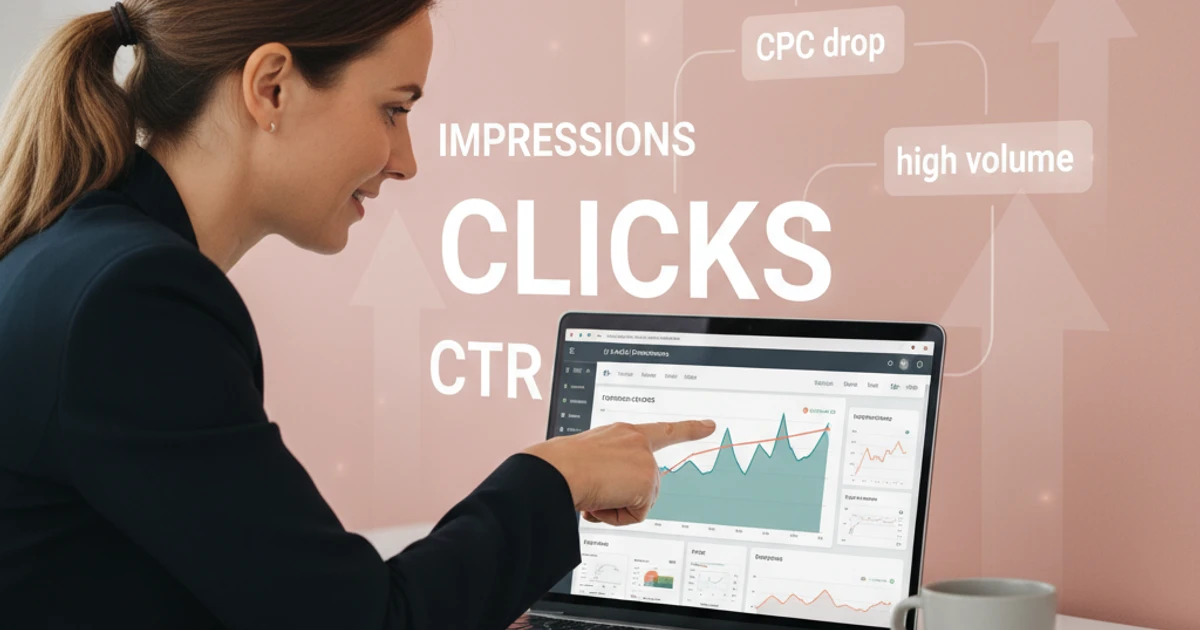
Keywordly’s keyword trend feature acts like a radar for PPC demand, visualizing how search interest and volume evolve over weeks or months. Instead of guessing when a term like “AI article generator” is peaking, you see the curve and align budgets, ad copy, and landing pages accordingly to improve both targeting and cost efficiency.
This is especially powerful for catching rising opportunities before they become crowded battlegrounds in Google Ads and Bing Ads. If Keywordly shows “AI content brief generator” trending upward while CPCs are still modest, you can secure impression share early and build quality scores that keep your costs lower as competition intensifies.
When planning new campaigns or restructures, prioritize trend‑backed keywords inside Keywordly. For instance, a B2B brand might discover growing interest in “AI RFP response software” and spin up a dedicated ad group, tailored ad copy, and a focused landing page around that cluster. This tight alignment often yields higher CTR and lower cost per qualified lead.
Because Keywordly supports workflows across Google, Bing, and AI‑driven surfaces like ChatGPT‑style engines, you can apply the same trend insights beyond traditional SERPs. That means you’re not only bidding on the right PPC keywords; you’re also informing content, clustering, and optimization strategies that reinforce your paid campaigns with stronger organic and AI‑surface visibility.
Reference:
→ bing-keyword-research-tools
Reference:
→ ai-search-visibility-optimization
Reference:
The Most Important PPC Trends for 2026 (And How to Stay …
5. Boost Conversion Rates With Data-Driven Keyword Refinement and Testing
Refine Keyword Lists With Search Term Data
PPC keyword performance is rarely perfect out of the gate. The fastest way to improve conversion rates is to mine actual search term data from platforms like Google Ads and Microsoft Advertising, then reshape your keyword list around what real users are typing and what actually converts.
Start by pulling search term reports and filtering by conversions and cost per conversion. If a phrase like “HubSpot CRM pricing” drives leads at $35 each while the broad match “CRM software” sits at $160 per lead, you should expand coverage around the high-intent term and trim spend on the generic one.
Build out long-tail variants—such as “HubSpot CRM pricing for startups” or “HubSpot CRM free vs paid”—and group them into tightly themed ad groups. At the same time, mark irrelevant themes (for example, “what is CRM definition” if you only want demo requests) as negatives so more of your budget fuels queries that produce measurable revenue, not just clicks.
Use Negatives, Ad Tests, and Landing Page Experiments
Conversion lift usually comes from a series of small, data-backed tweaks, not one big change. That starts with aggressive use of negative keywords to protect your budget from low-intent or misleading queries that drag down conversion rate and inflate CPA.
For example, a B2B SaaS brand bidding on “project management software” often finds consumer terms like “free project management for students” or “personal project planner” in search reports. Adding those as negatives can instantly improve lead quality and raise conversion rates by 10–20% without changing bids.
Then layer on structured tests: run at least two ad variants per keyword cluster—one emphasizing price, another value or outcomes—and track which wins by conversion rate, not CTR alone. Align this with landing page experiments in tools like Google Optimize or VWO, matching pages to keyword themes (e.g., “enterprise SEO platform” visitors see enterprise-focused social proof and higher-commitment CTAs) to steadily push conversion rates upward.
How Keywordly Connects Keywords, Content, and Conversions
PPC keyword trends shift quickly as users adopt new tools and language—think of how searches for “GA4 migration help” spiked when Google Analytics 4 rolled out. Keywordly tracks keyword trends across SEO and PPC, surfaces rising phrases, and shows how those shifts impact both traffic and conversion efficiency.
Inside Keywordly, you can cluster keywords by intent and see which clusters deliver the strongest conversion metrics across campaigns and landing pages. If a cluster like “AI content workflow software” outperforms generic “SEO tools,” you can expand that cluster, refine match types, and build content that mirrors those high-converting phrases.
Keywordly’s PPC-focused insights highlight which queries waste spend, guiding negative keyword lists and tighter targeting that reduce CPC while preserving volume. By feeding conversion data back into your keyword research and content planning, you create a continuous optimization loop where every new page, ad group, and bid strategy is grounded in real performance rather than guesswork.
Reference:
5 Data-Driven Ways to Fix Your Low Conversion Rates
Conclusion: Turn PPC Keyword Research Into a Competitive Advantage

Effective PPC keyword research is no longer just about building a bigger keyword list. It is about using data to target the right searchers, control costs, and consistently beat competitors in the ad auction. When you treat keyword research as a strategic discipline, every click becomes more intentional and more profitable.
Keywordly helps you connect these dots by aligning PPC and SEO insights in one place, so your search strategy works as a unified growth engine across Google, Bing, and emerging AI-driven engines.
Key Takeaways and Next Steps
Strong PPC keyword research improves results in five core ways: more precise targeting, higher CTR, lower CPC, better Quality Scores, and higher conversion rates. For example, an eCommerce brand selling Nike running shoes can use Keywordly to isolate intent-heavy phrases like “buy Nike Pegasus 40” instead of broad, expensive terms like “running shoes,” often improving CTR by 25–40% while cutting wasted spend.
Because Keywordly clusters related queries and surfaces negative keyword opportunities, you can protect your budget from irrelevant searches and channel more impressions into high-intent segments that actually buy.
In a competitive landscape where Google Ads CPCs for industries like legal and software routinely exceed $10–$30 per click, relying on spreadsheets and guesswork is risky. A dedicated PPC keyword research tool like Keywordly is essential for spotting profitable long-tail terms, seasonal spikes, and emerging topics before rivals. Its keyword trend feature lets you track volume and CPC shifts over time, so you can react quickly when interest in phrases like “AI content audit tools” surges.
That trend visibility makes budgeting more predictable and helps you avoid overbidding on declining keywords while scaling winners at the right moment.
Because Keywordly unifies SEO and PPC data, you can see which keywords drive both paid conversions and organic traction, then prioritize them across campaigns and content. A B2B SaaS team, for instance, can identify that “SOC 2 compliance checklist” converts well in Google Ads and also ranks on page two organically, then use Keywordly’s content workflow to create targeted landing pages and blog posts to capture more total search share.
This alignment often reduces blended customer acquisition cost by combining cheaper organic traffic with tightly focused paid campaigns.
Your next steps are clear and actionable. Start by auditing current campaigns: pull search term reports, identify low-CTR or high-CPC keywords, and feed them into Keywordly to uncover new clusters, negatives, and trend patterns. Then, build a repeatable keyword research process that you revisit weekly—prioritizing trend analysis, intent mapping, and cross-channel planning.
When you use Keywordly’s trend insights, clustering, and targeting tools consistently, PPC keyword research stops being a one-off task and becomes a durable competitive advantage that compounds results month after month.
FAQs
How often should I update my PPC keyword research and keyword list?
PPC performance shifts quickly as competitors adjust bids, launch new offers, and respond to seasonality. Reviewing your keyword list at least monthly helps you keep bids, match types, and negatives aligned with real search behavior.
In highly competitive spaces like insurance or e‑commerce, weekly checks are common. For example, a Shopify apparel brand might review new search terms from Google Ads and Microsoft Advertising every Monday, then use Keywordly to discover rising queries and cluster them into ad groups.
Small, ongoing tweaks beat big, infrequent overhauls. Instead of rebuilding campaigns quarterly, use trend data and CPC changes to add 5–10 new keywords, refine negatives, and adjust bids. Keywordly surfaces emerging PPC keyword trends so you can react quickly without tearing down working structures.
Why use a PPC keyword research tool instead of relying only on Google Keyword Planner?
Google Keyword Planner is helpful, but it was built primarily for media planning across Google’s ecosystem. It often shows broad volume ranges and limited competitive context, which can hide niche, profitable terms.
Dedicated PPC keyword tools like Keywordly add competitive insights, SERP overlays, and clustering. For instance, a B2B SaaS team can see which keywords competitors aggressively bid on, then use Keywordly to group those terms into tightly themed clusters for better Quality Scores and lower CPCs.
Because Keywordly integrates SEO and PPC research, you also see which paid terms pull double duty for organic content. That combined view helps reduce wasted ad spend and improves targeting by focusing budgets only on queries with clear commercial intent and solid conversion potential.
When should I add or pause keywords based on performance data?
Use search term reports to spot real queries that already convert. If “free payroll software for startups” drives leads at half the CPA of your generic “payroll software” term, add it as an exact or phrase match keyword and craft a tailored ad.
Keywordly’s keyword trend feature highlights which terms are gaining clicks and conversions across Google and Bing. When a query’s click‑through rate and conversion rate rise over several weeks, that’s a strong signal to formalize it as a core keyword and increase bids slightly.
On the flip side, pause or down‑bid keywords that bring low‑quality traffic. If a broad term like “marketing” spends $500 in a month with zero conversions, either tighten the match type, add negatives, or pause it. Use Keywordly to uncover more specific alternatives that keep reach while improving cost efficiency.
How does PPC keyword research differ from SEO keyword research in practice?
PPC keyword research centers on immediate ROI. You care about CPC, conversion rate, and cost per acquisition. A high‑intent keyword with 500 searches that converts at 8% can be more valuable than a 10,000‑search term that barely converts.
SEO keyword research focuses on sustainable traffic and content planning. An SEO lead might choose a lower‑intent topic like “how to start a podcast” because it supports a comprehensive blog series, even if it’s not profitable as a paid keyword.
Keywordly connects both worlds. You can test keywords in PPC first, identify those with strong conversion metrics, then prioritize them for long‑form SEO content. PPC requires more frequent match‑type, bid, and budget adjustments, while SEO adjustments center on on‑page optimization and content refreshes.
How can I use Keywordly’s keyword trend feature to reduce wasted ad spend?
Keywordly’s trend view shows which keywords are rising, plateauing, or declining across search engines. When you see a steady volume and CTR decline for a term like “virtual conference platform,” you can start lowering bids and reallocating budget before performance crashes.
Trend data is especially powerful for seasonal businesses. A DTC skincare brand can watch terms such as “winter moisturizer for dry skin” spike from October to January, then align ad copy and landing pages accordingly. Targeting those emerging terms early often means lower CPCs.
By combining Keywordly’s PPC keyword trends with conversion data from Google Ads, you quickly spot underperformers. Turn off spend on keywords where trends are down and CPAs are rising, and shift that budget to rising queries that show both growing interest and strong on‑site engagement.
What’s the best way to balance broad, phrase, and exact match in a new campaign?
Match types determine how tightly your ads align to search intent. A common starting approach is to use exact and phrase match on known high‑intent keywords, such as “buy project management software,” while deploying a few carefully controlled broad‑match terms for discovery.
Keywordly helps here by clustering related queries and flagging risky, irrelevant patterns that should become negative keywords. As you see which search terms from broad match convert, you can promote them to phrase or exact match for more precise targeting and better cost efficiency.
For example, an online course platform might begin with exact match on “online coding bootcamp” and broad match on “learn to code.” After two weeks, they use Keywordly to identify profitable long‑tail terms, add those as exact match, then reduce reliance on broad match to keep CPAs stable while scaling volume.
Leave a Reply